Eleven students from Kapsabet School for the Deaf were rushed to hospital after an old septic tank in the school compound collapsed beneath them as they hurried to see President William Ruto’s motorcade passing along the nearby road.
The incident occurred shortly before 11 a.m. on March 12, 2026, when the President was travelling through Nandi County during a working visit to the region. According to eyewitness accounts and preliminary reports from school staff, the students—aged between 12 and 17—heard the sound of sirens and vehicles and ran toward the perimeter fence to watch the convoy go past.
The group gathered on top of a disused septic tank structure that measured roughly 20 feet in length and had been covered with a thin concrete slab for many years. The slab, weakened by age and lack of maintenance, gave way under the combined weight of the excited learners. Eleven students fell into the tank, which contained a mixture of sludge and standing water approximately four to five feet deep.
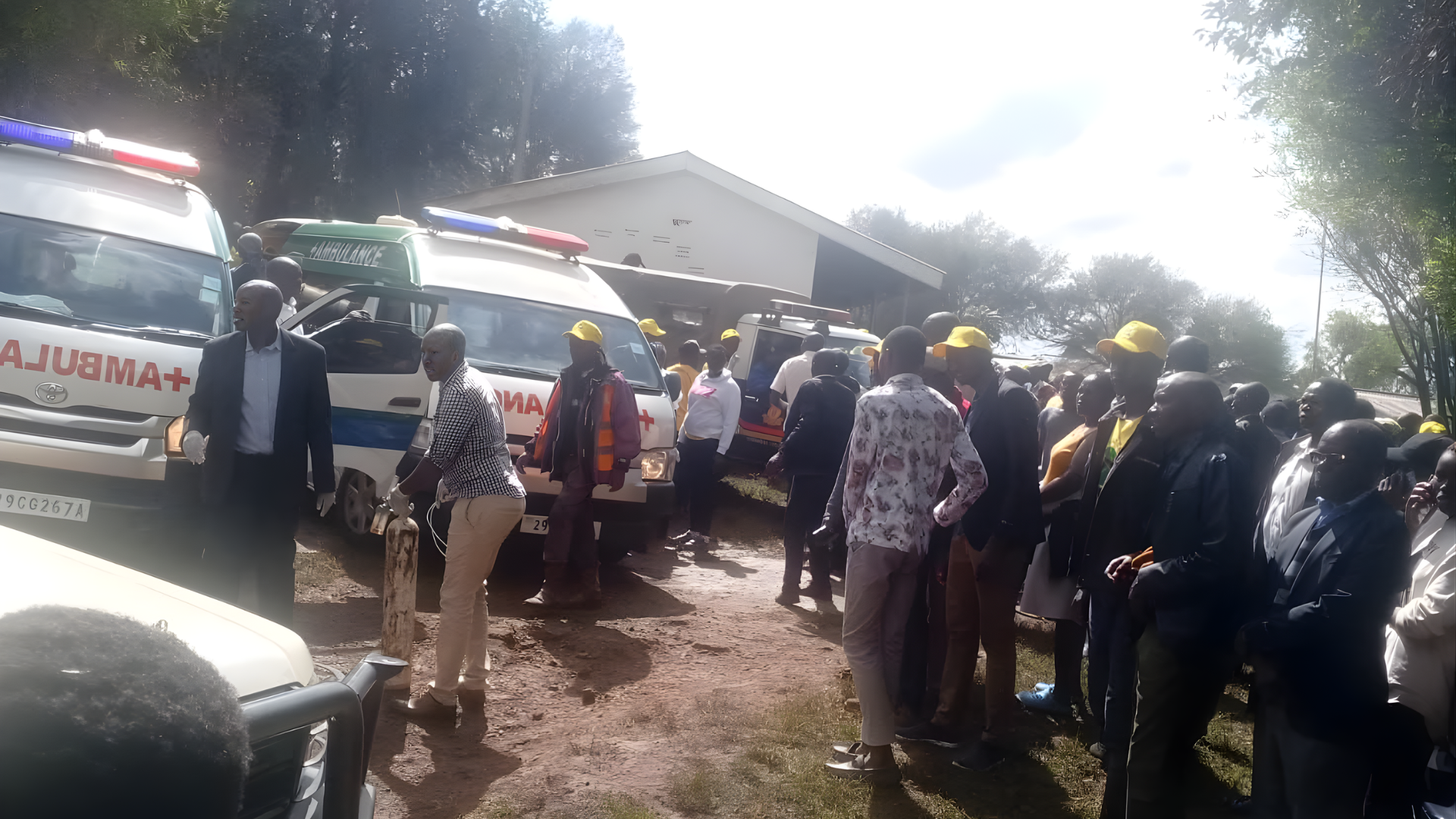
Teachers and support staff heard the screams and the sound of breaking concrete. Several members of staff immediately rushed to the site, while others alerted the school administration and called emergency services. Local residents living near the school compound also responded quickly, helping to pull the children out using ropes, ladders and bare hands. The first students were extracted within 10–12 minutes, and all eleven were removed from the tank within about 25 minutes.
Nandi County Referral Hospital received the injured learners in batches starting around 11:30 a.m. Medical officers described the students’ condition as stable but serious. All suffered multiple injuries including fractures (especially to arms, legs and ribs), head trauma, cuts, bruises, suspected internal injuries and aspiration of foul water. Several children inhaled the septic contents, raising immediate concerns about respiratory infections and chemical irritation to the lungs.
Hospital Superintendent Dr. Emily Cherono said the children were being closely monitored in the paediatric ward and the high-dependency unit. “We have stabilised all eleven students,” Dr. Cherono stated during a brief media briefing outside the hospital. “They are receiving intravenous fluids, antibiotics, pain management and respiratory support where needed. The fractures are being assessed by our orthopaedic team and we expect most will require surgical fixation. The priority now is preventing secondary complications such as pneumonia and sepsis.”
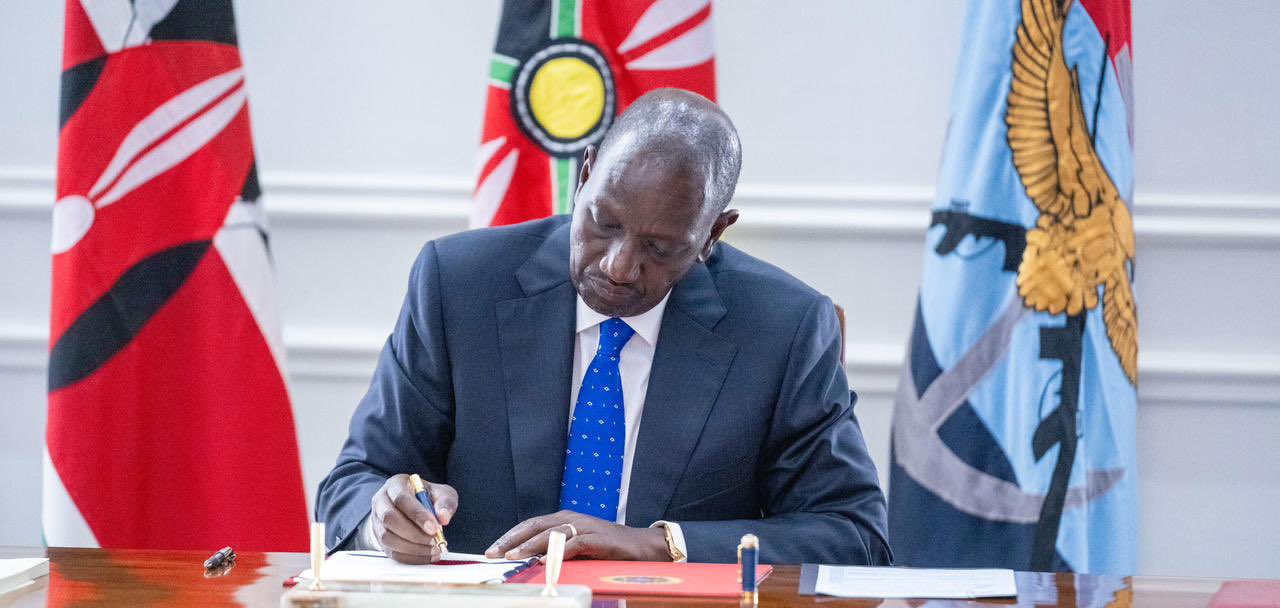
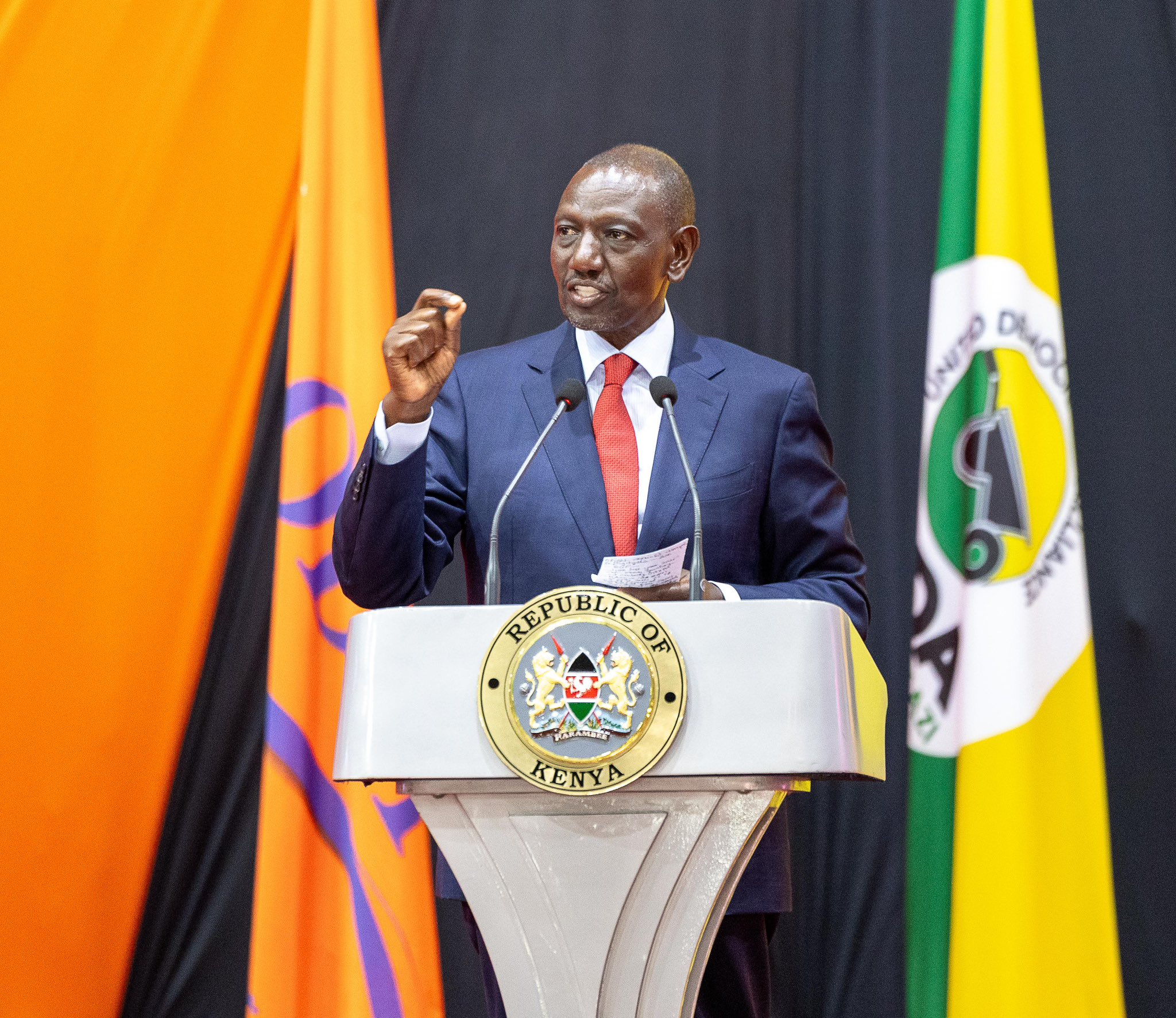
President Ruto was informed of the incident while still in Nandi County. He immediately directed the Ministry of Education, the Ministry of Health and the National Government Administration to provide all necessary support to the affected students and their families. In a short statement issued from his convoy, the President expressed deep sorrow and concern. “My heart goes out to the children of Kapsabet School for the Deaf, their parents, teachers and the entire school community,” Ruto said. “I have instructed the relevant ministries to ensure the students receive the best possible medical care and that the families are supported in every way during this difficult time. We will also conduct a thorough investigation into how this tragedy occurred so that such incidents are never repeated.”
The Nandi County Government has activated its disaster response team and is coordinating with the national government to provide psychosocial support for the students and their classmates. Governor Stephen Sang visited the hospital in the afternoon and met with the injured children and their parents. “This is a heartbreaking tragedy,” Sang said. “We are mobilising all available resources—medical, counselling and material—to help these children recover physically and emotionally. We will also work with the national government to ensure the school receives urgent support to repair the collapsed structure and improve overall safety.”
The collapse has renewed public concern about the state of infrastructure in public schools, especially in special-needs institutions that often receive less attention and funding than mainstream schools. Parents and disability rights advocates have long complained that many special schools operate with outdated sanitation facilities, inadequate perimeter fencing and insufficient maintenance budgets.
One parent whose child attends the school but was not injured said: “We have been raising this septic tank issue for years. It was cracked, the cover was thin, and nothing was done. Now our children are in hospital because of neglect. The government must be held accountable.”
The Ministry of Education has launched an immediate investigation into the incident. A multi-agency team comprising officials from the State Department for Basic Education, the National Council for Persons with Disabilities, the Ministry of Public Works and the county government has been formed to assess the safety of sanitation facilities in all special-needs schools nationwide.
Preliminary findings indicate the septic tank had not been emptied or inspected in over ten years and the concrete cover had deteriorated due to age and exposure to weather. The Ministry has directed all county directors of education to conduct urgent safety audits of sanitation infrastructure in every public school and report back within 14 days.
As the eleven students continue to receive treatment, the incident has once again highlighted the urgent need for improved maintenance of school facilities, particularly in institutions serving children with disabilities. The government has promised a full report on the incident and swift action to prevent similar tragedies in the future.