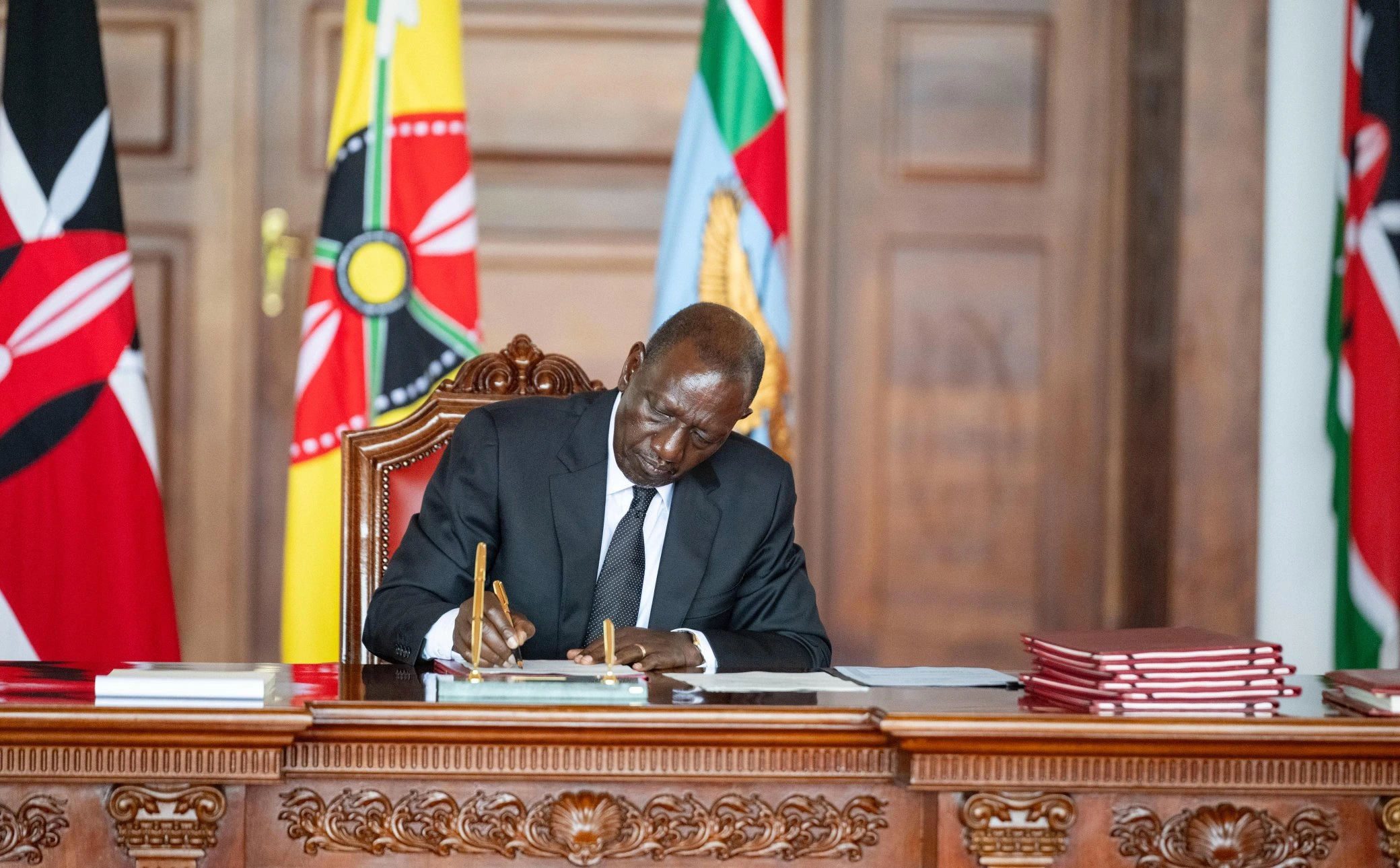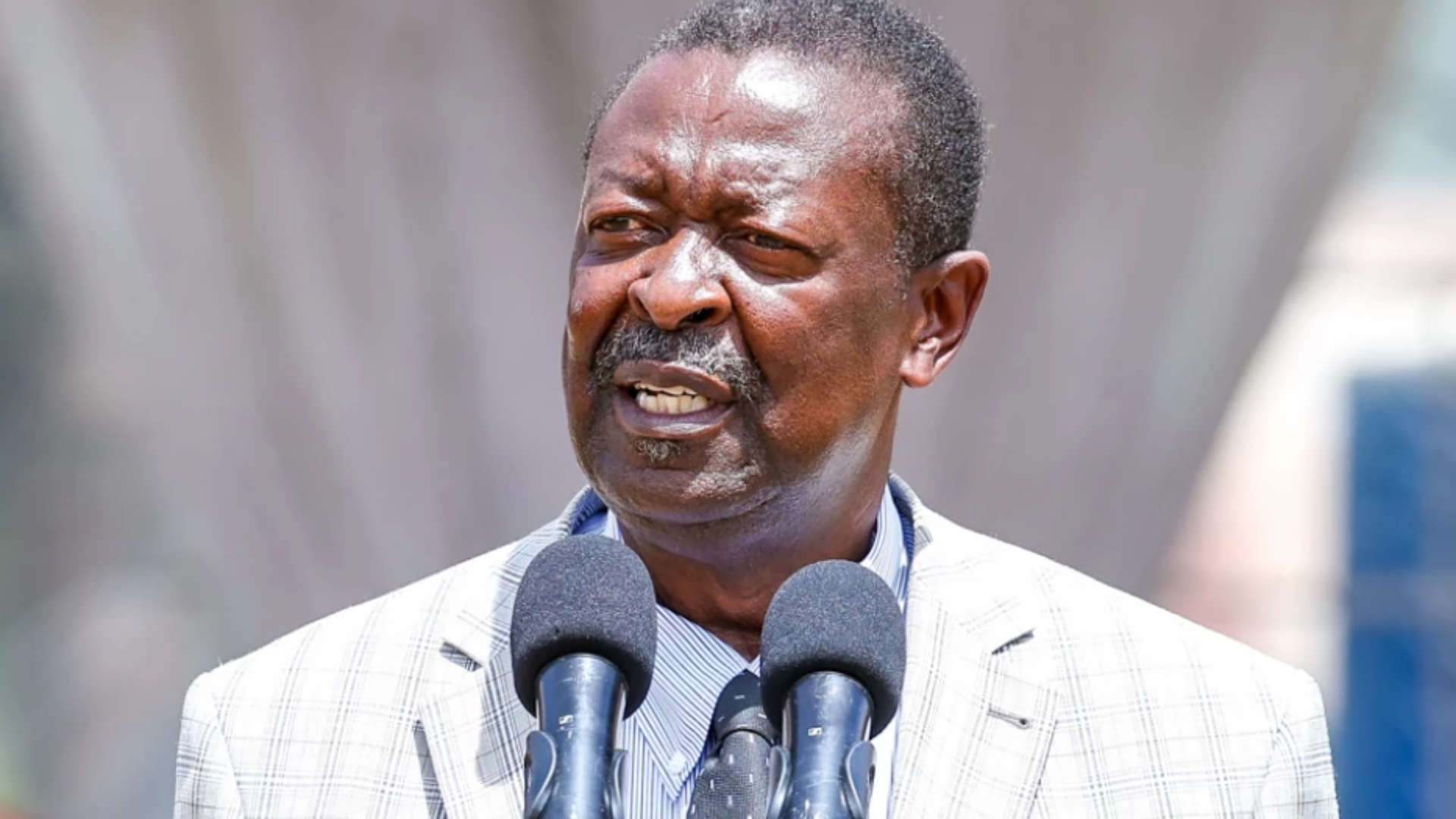
Eighteen Kenyans have been rescued from Russia and safely repatriated as the Russia-Ukraine conflict enters its fourth year, Prime Cabinet Secretary Musalia Mudavadi announced on December 17, 2025.
Mudavadi, who also holds the Foreign and Diaspora Affairs portfolio, said the group arrived at Jomo Kenyatta International Airport on a special charter flight coordinated by the Kenyan embassy in Moscow and international partners.
The rescued individuals, mostly young men from various counties, had been lured to Russia with promises of lucrative employment or educational opportunities but ended up in military training camps or frontline areas.
Mudavadi disclosed that intelligence reports indicate more than 200 Kenyans have been recruited into the Russian military since the conflict began in February 2022, often through deceptive online advertisements offering jobs in security, construction, or logistics.
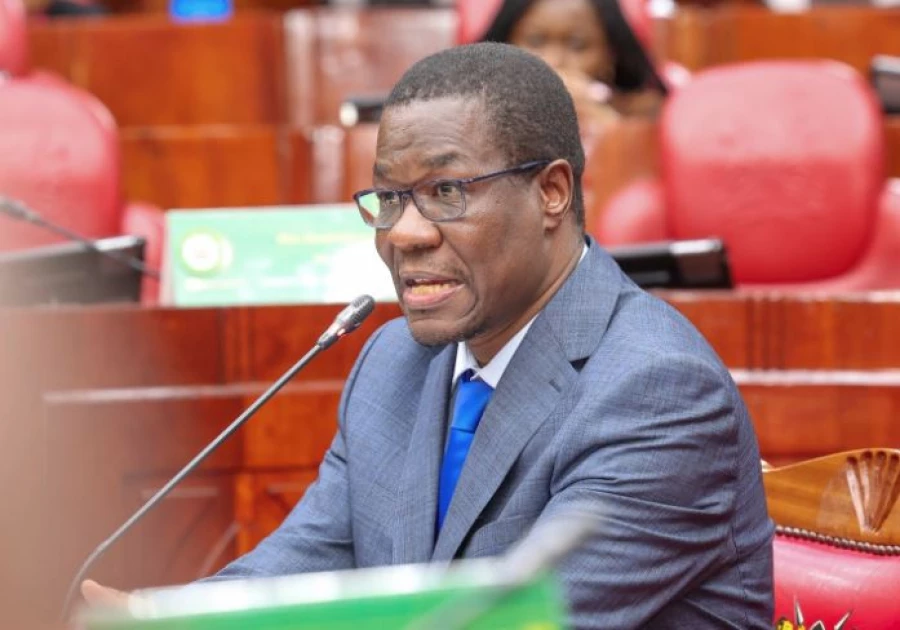
"These young Kenyans were promised salaries of up to Sh300,000 per month but found themselves in military uniforms facing dangerous conditions," Mudavadi told journalists at JKIA upon receiving the returnees. "We have managed to bring back 18, but we believe over 200 remain in Russia, some in active combat zones. The government is working tirelessly with Russian authorities and international organisations to locate and repatriate the rest."
The Prime CS said the rescued Kenyans will undergo a structured reintegration programme under the State Department for Diaspora Affairs, including psycho-social support to address trauma from their ordeal.
"They have been through a lot—some witnessed combat, others lost friends," Mudavadi said. "We have partnered with counsellors and medical professionals to provide immediate therapy. They will also receive vocational training and seed capital to start small businesses so they can rebuild their lives."
One of the returnees, a 28-year-old from Kiambu County who spoke on condition of anonymity, described being recruited through a WhatsApp group promising security jobs in Moscow. "We arrived and they took our passports, put us in a camp, and started military training," he said. "When we refused to fight, they threatened us. Some Kenyans I know are still there, afraid to speak out."
Another returnee from Kisumu County said he signed a contract thinking he would guard warehouses but ended up near the front lines. "We saw things no one should see," he said quietly. "I thank God and the government for bringing us home."
Mudavadi urged Kenyan youth to be vigilant against online recruitment scams. "These agents promise heaven but deliver hell," he warned. "Verify every opportunity through official channels. The Ministry has a diaspora desk and verified job portals—no legitimate job abroad requires you to pay recruitment fees or surrender your passport."
The repatriation follows months of diplomatic efforts, with Kenya raising the issue at bilateral talks and through the African Union. Foreign Affairs Principal Secretary Korir Sing'oei said similar cases have been reported from Uganda, Somalia, and Nepal.
"Russia has been recruiting from developing countries to replenish its forces," Sing'oei said. "We have shared information with Moscow and requested assistance in locating our citizens. This rescue is a step forward, but much work remains."
The National Counter-Terrorism Centre has flagged the recruitment as a potential security risk, warning that returnees with combat experience could pose threats if not properly reintegrated.
Nairobi-based psychologist Dr Mary Wangui, who will lead the psycho-social support team, said many returnees exhibit symptoms of post-traumatic stress disorder. "They have survivor's guilt, nightmares, and trust issues," Wangui said. "The programme includes group therapy, family counselling, and economic empowerment to prevent re-recruitment or radicalisation."
Families of missing Kenyans gathered at JKIA hoping to see their loved ones. "My son left for a driving job in March 2024," said Esther Wanjiku from Nakuru. "We haven't heard from him since June. We pray he is among the next group to come home."
Mudavadi assured families that efforts are ongoing. "We have names and details of 187 confirmed cases," he said. "No Kenyan left behind—that is our promise."
The rescue operation cost Sh48 million, funded through the Diaspora Affairs budget and contributions from well-wishers.
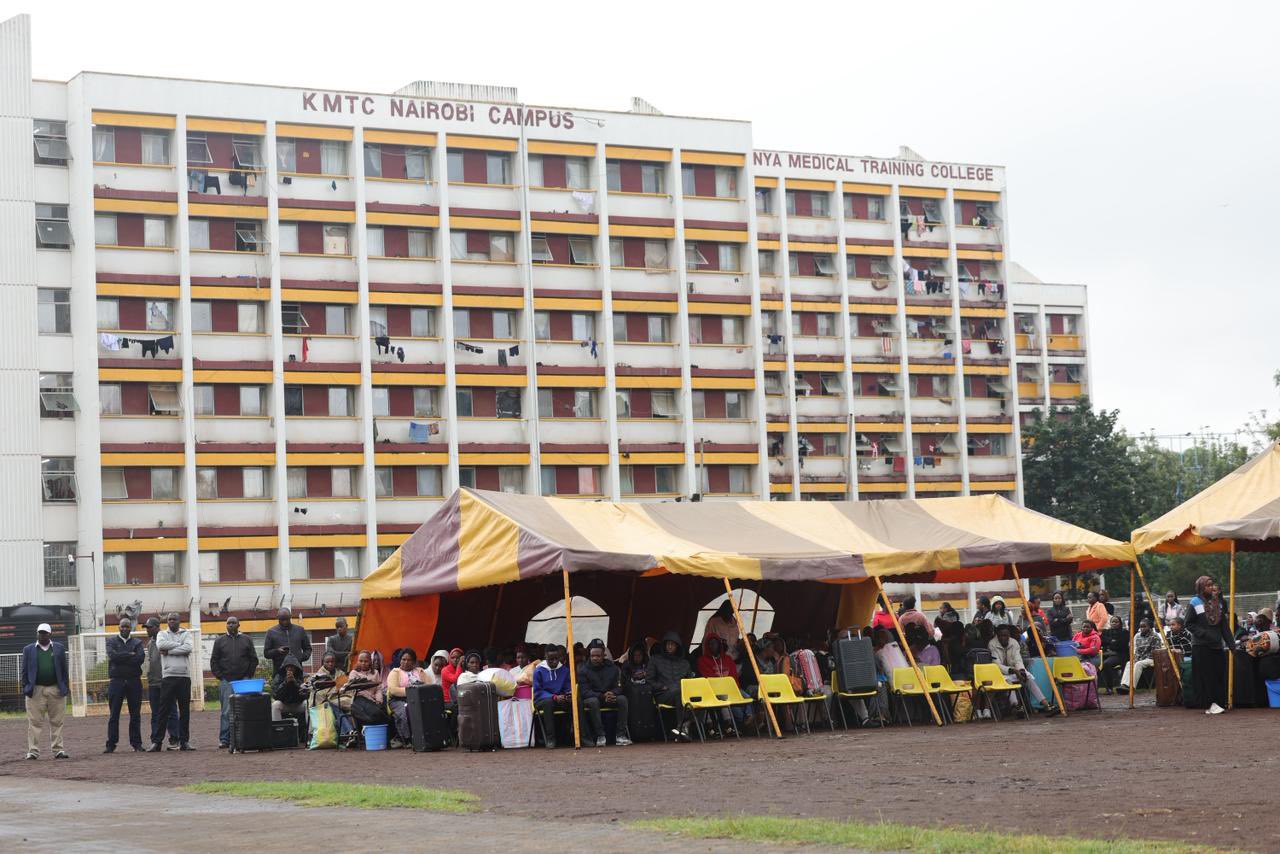
As the returnees boarded buses for quarantine and debriefing at a Nairobi facility, Mudavadi reiterated the government's commitment. "These are our children," he said. "We brought them home, and we will help them heal."