 WEKESA KULECHO
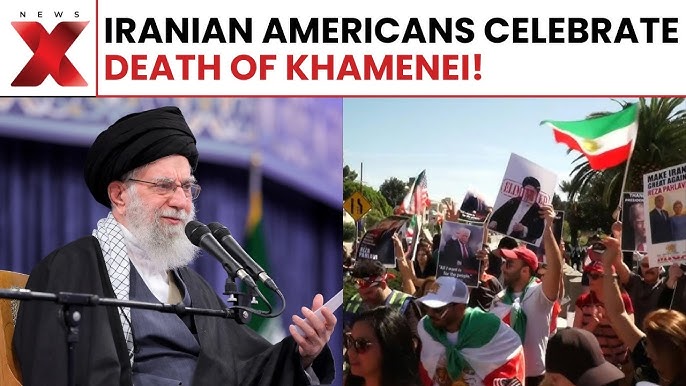
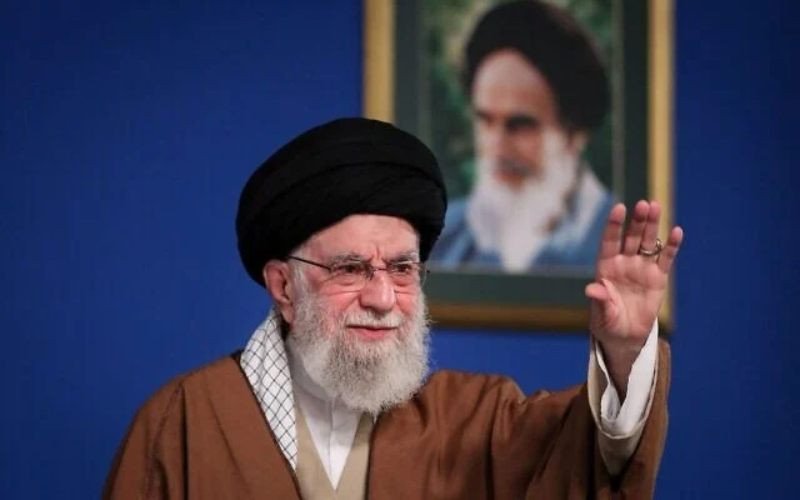
Ayatollah Ali Khamenei became Iran’s Supreme Leader in 1989, succeeding Ayatollah Ruhollah Khomeini shortly after the founder of the Islamic Republic died. The Supreme Leader is Iran’s highest authority — with control over the military, judiciary, foreign policy, and the powerful Islamic Revolutionary Guard Corps (IRGC) — largely above the elected president or parliament.
Khamenei did not begin life as the obvious heir. At the time of his appointment, he lacked the senior clerical rank normally associated with supreme leadership. A constitutional amendment was even fast-tracked to allow his elevation, but the decision was controversial among religious scholars and the public alike.
Over the next three and a half decades, he transformed the Islamic Republic into a highly centralized, authoritarian system. He oversaw Iran’s politics, expanded the role of the IRGC far beyond defense into politics and economics, and shaped Iran’s regional alliances.
Domestic Control and Repression
One major reason many Iranians will not revere Khamenei — and some even celebrated reports of his death — is the political repression and crackdown on dissent under his leadership:
1. Suppression of Political Opposition
- Khamenei intervened decisively during post-election protests in 2009, backing a harsh crackdown against demonstrators who alleged electoral fraud.
- Over the years, students, reform activists, and critics have been jailed, silenced, or sidelined politically.
2. Crackdowns on Public Unrest
- Protests erupted repeatedly during his tenure: notably in 1999, 2009, and most recently in 2025–26 amid deep economic hardship. Authorities responded forcefully, sometimes resulting in hundreds or thousands of civilian deaths.
3. Economic and Social Frustrations
Iran’s economy struggled under international sanctions, mismanagement, and isolation. Many ordinary Iranians felt the state’s priorities favored military spending, ideological projects, and support for regional proxies over domestic welfare.
Iran’s economy struggled under international sanctions, mismanagement, and isolation. Many ordinary Iranians felt the state’s priorities favored military spending, ideological projects, and support for regional proxies over domestic welfare.
4. Restriction of Freedoms
- Freedom of speech and assembly were tightly controlled, with journalists, bloggers, and critics routinely targeted for punishment — including imprisonment, corporal punishment, or worse.
Because of this record, many inside Iran do not view Khamenei as a revered national figure in the way Khomeini was after the 1979 revolution. While Khomeini’s death in 1989 sparked massive public mourning, analysts now predict that Khamenei’s passing will be met with a much more mixed — and often negative — public reaction.
Contested Legitimacy and Lack of Popular Respect
Several factors contributed to the idea that many Iranians will not revere Khamenei:
Perceived Lack of Religious Credentials
Unlike Khomeini, who was widely respected as a senior Shiʿi authority, Khamenei did not begin with the same religious standing. Critics saw this as weakening his spiritual legitimacy among the faithful early on.
Political Entrenchment over Time
Critics argue that over time, the leadership became more about survival of the regime than the welfare of the people, with elections and reform movements frequently manipulated or crushed when they threatened the status quo.
Generational Divide
Younger Iranians — many born long after the 1979 revolution — were often more interested in social freedoms, economic opportunity, and global engagement than the ideological struggles of the older generation. This sometimes created tensions between the leadership and the broader population.
International Relations and Regional Impact
While domestically divisive, Khamenei also played a major role in shaping Iran’s foreign policy — supporting proxy groups and engaging in long-term rivalry with the United States and Israel. This regional posture won him some praise among hardliners but also contributed to regional conflicts and isolation that many Iranians saw as costly at home.
Legacy: A Polarizing Figure
In summary:
Contested Legitimacy and Lack of Popular Respect
Several factors contributed to the idea that many Iranians will not revere Khamenei:
Perceived Lack of Religious Credentials
Unlike Khomeini, who was widely respected as a senior Shiʿi authority, Khamenei did not begin with the same religious standing. Critics saw this as weakening his spiritual legitimacy among the faithful early on.
Political Entrenchment over Time
Critics argue that over time, the leadership became more about survival of the regime than the welfare of the people, with elections and reform movements frequently manipulated or crushed when they threatened the status quo.
Generational Divide
Younger Iranians — many born long after the 1979 revolution — were often more interested in social freedoms, economic opportunity, and global engagement than the ideological struggles of the older generation. This sometimes created tensions between the leadership and the broader population.
International Relations and Regional Impact
While domestically divisive, Khamenei also played a major role in shaping Iran’s foreign policy — supporting proxy groups and engaging in long-term rivalry with the United States and Israel. This regional posture won him some praise among hardliners but also contributed to regional conflicts and isolation that many Iranians saw as costly at home.
Legacy: A Polarizing Figure
In summary:
- Khamenei’s rule lasted over 36 years — one of the longest in modern Iranian history.
- He consolidated power and maintained control through security services, political repression, and suppression of dissent.
- His legacy is deeply polarizing: hard-line supporters might credit him for resisting foreign pressure, while many Iranians — especially reformists, youths, and protest movements — view his rule as oppressive and lacking genuine popular legitimacy.
Because of this, even as Iran’s state media calls for mourning, many citizens may not see his death as a moment for reverence, but rather as an opportunity for change