Kenya’s Affordable Housing Programme has, for the first time, surpassed roads as the largest recipient of development expenditure, receiving Sh30.01 billion in the quarter ending September 2025, according to the latest Quarterly Economic and Budgetary Review released by the National Treasury.
The allocation represents 28.4 percent of total development spending in the period, pushing the roads sector into second place with Sh27.8 billion. The shift marks a significant reorientation of fiscal priorities under the Kenya Kwanza administration’s Bottom-Up Economic Transformation Agenda, which has positioned housing as one of its five core pillars.
Despite the substantial funding, the State Department for Housing and Urban Development reported completion of only 1,971 affordable units during the same quarter, achieving just 0.99 percent of the annual target of 200,000 units set for the 2025/26 financial year. Cumulative completions since the programme relaunched in 2023 now stand at 18,436 units, well below the administration’s pledge to deliver 250,000 units annually by the end of its term.
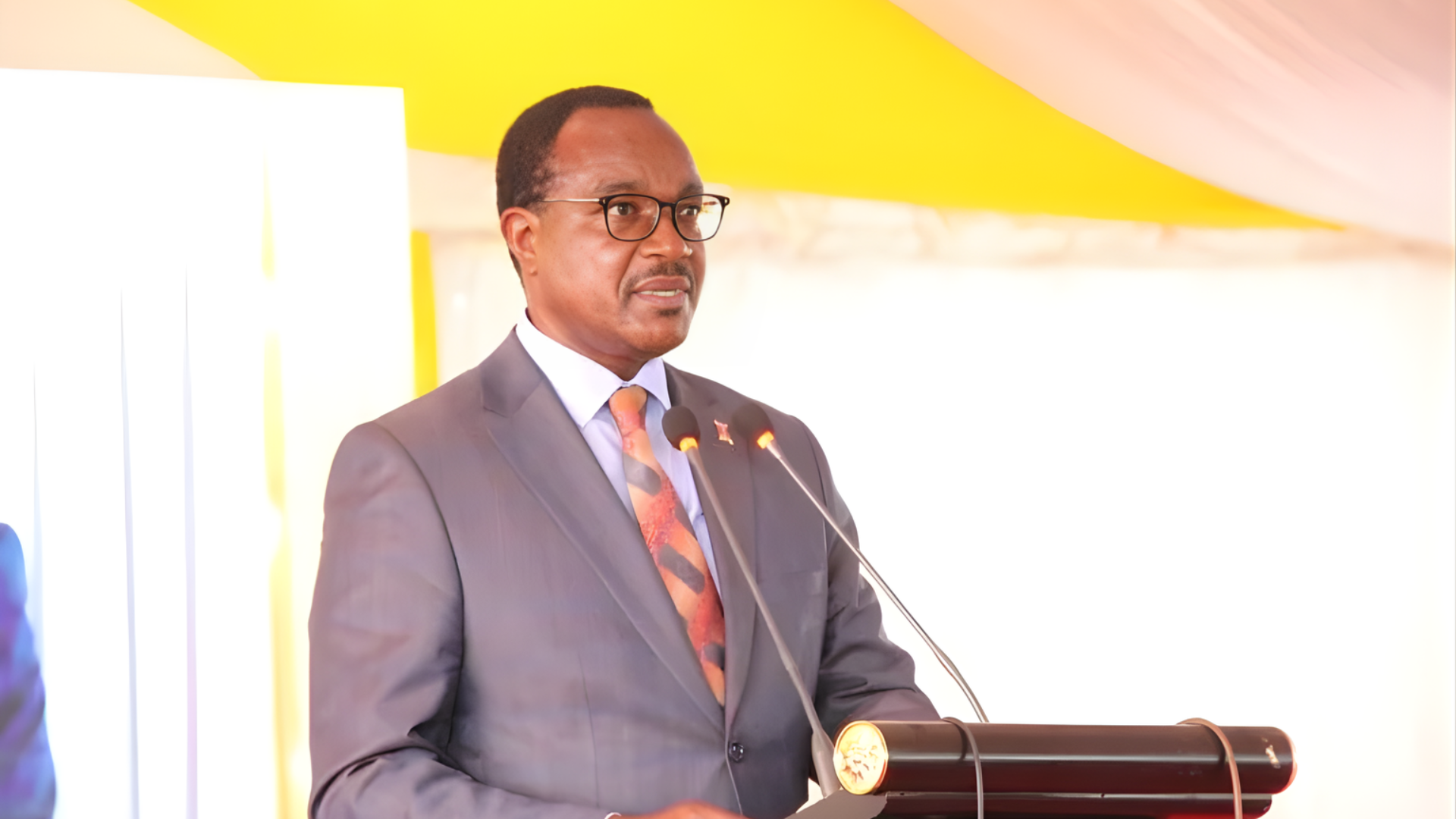
Principal Secretary for Housing Charles Hinga defended the expenditure pattern, stating that the bulk of funds disbursed in the quarter went toward land acquisition, infrastructure development, and contractor mobilisation for projects scheduled for completion in subsequent quarters. “You cannot build houses without first securing land, putting in roads, water, sewerage, and electricity,” Hinga said during a media briefing in Nairobi on November 24, 2025. “The Sh30 billion reflects upfront investment in enabling infrastructure across 42 counties. Units will follow in large numbers from the second quarter onward.”
The Treasury report shows that Sh11.2 billion of the housing allocation was spent on the acquisition of 1,840 acres of public land for future projects, while Sh8.9 billion went to off-site infrastructure such as access roads, water reticulation, and power connections. An additional Sh6.4 billion was disbursed to contractors as mobilisation advances for 28 ongoing sites expected to deliver 48,000 units by June 2026.
Critics have questioned the pace of delivery relative to spending. Housing economist Kwame Owino noted that the programme has consistently spent ahead of physical output since its inception. “At the current rate, Kenya would need to complete approximately 685 units every working day to meet the 250,000 annual target,” Owino said. “The first quarter delivered fewer than 22 units per day on average. The gap between financial absorption and physical delivery remains wide.”
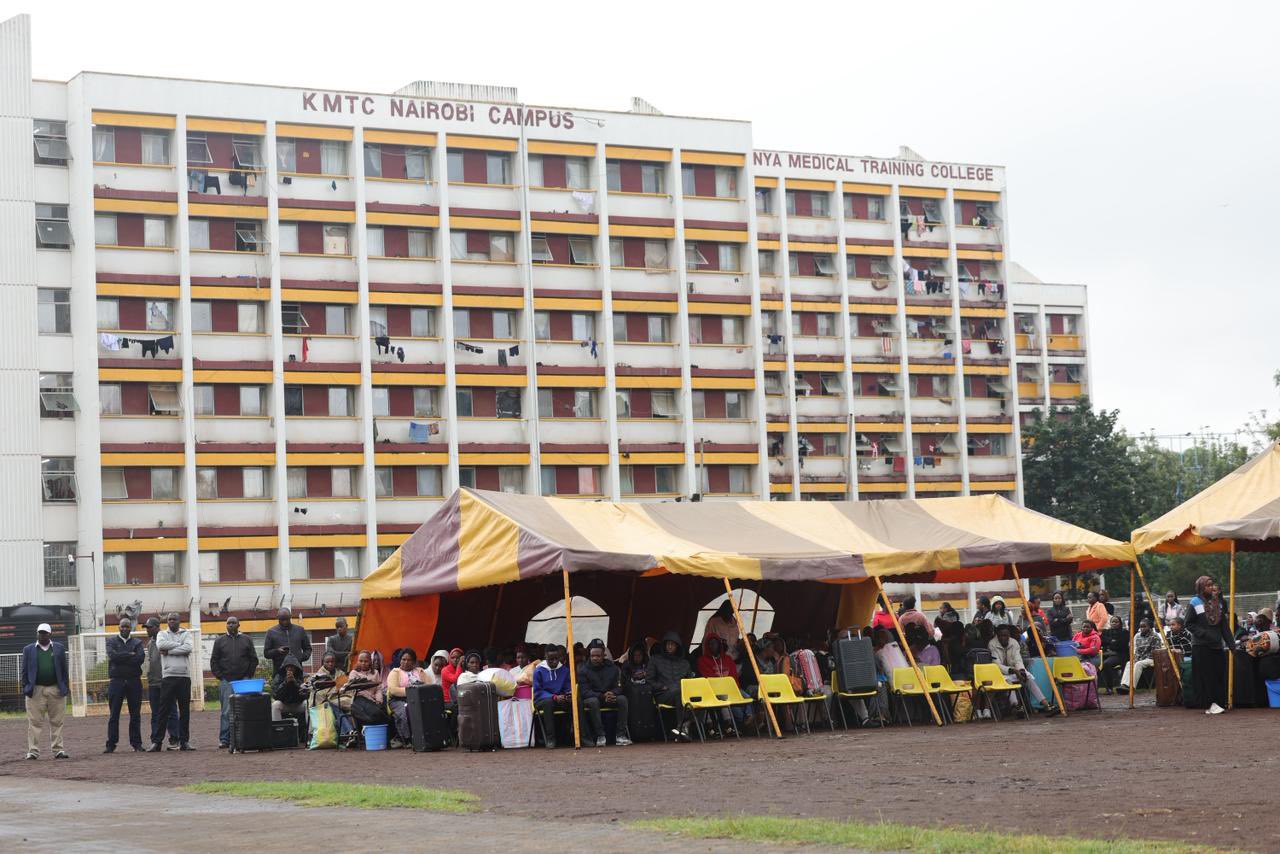
The Kenya National Bureau of Statistics corroborated the slow pace in its latest construction sector report, indicating that only 1,971 title deeds were issued to beneficiaries in the quarter, with 1,620 units handed over in Nairobi, 231 in Machakos, and 120 in Kisumu. Another 42,000 units are at various stages of construction across the country.
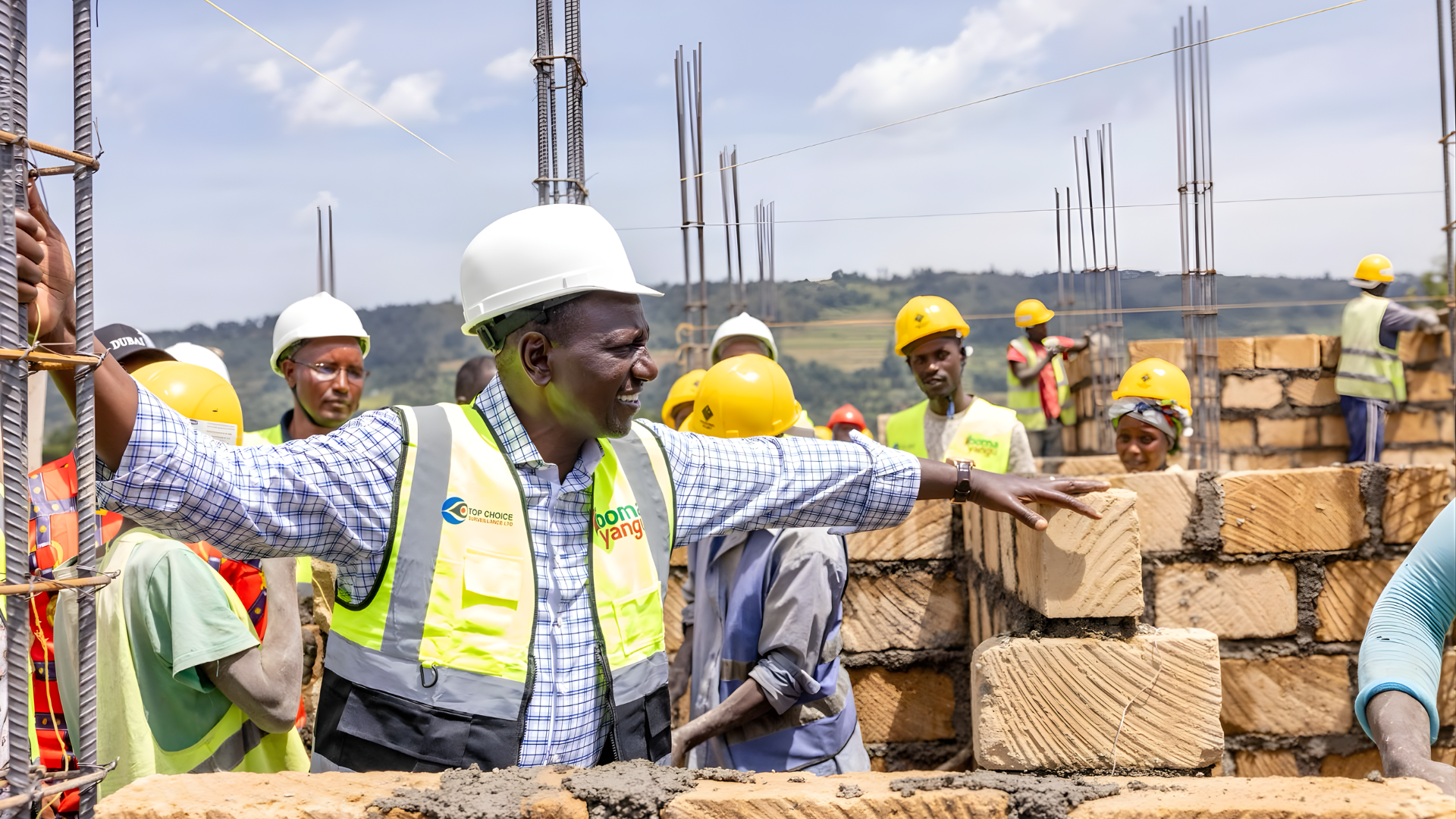
President William Ruto, speaking during a site visit to the Mukuru Affordable Housing Project in Nairobi on November 22, 2025, maintained that the programme is on track. “We promised Kenyans decent homes and we are delivering,” the President said. “Every shilling allocated is accounted for and is going toward projects you can see on the ground. By the end of this financial year, Kenyans will witness a construction boom unlike any before.”
The Affordable Housing Levy, which deducts 1.5 percent from employee salaries matched by an equal employer contribution, generated Sh18.7 billion in the quarter, supplementing budgetary allocations. The Housing Fund has now accumulated Sh94 billion since its introduction in 2024, after surviving multiple legal challenges.
Opposition leader Raila Odinga, while acknowledging the need for housing, criticised the pace of implementation. “Kenyans are paying the levy every month, yet they see very few houses,” Odinga said during a public address in Kisumu on November 23, 2025. “If the government can spend Sh30 billion in three months, it should be able to deliver more than 1,971 units in the same period.”
Developers contracted under the programme have cited delays in land compensation, court injunctions on certain sites, and supply chain disruptions as factors affecting completion rates. The Ministry of Lands has resolved 68 percent of the 412 title disputes affecting housing projects, with the remainder scheduled for resolution by March 2026.
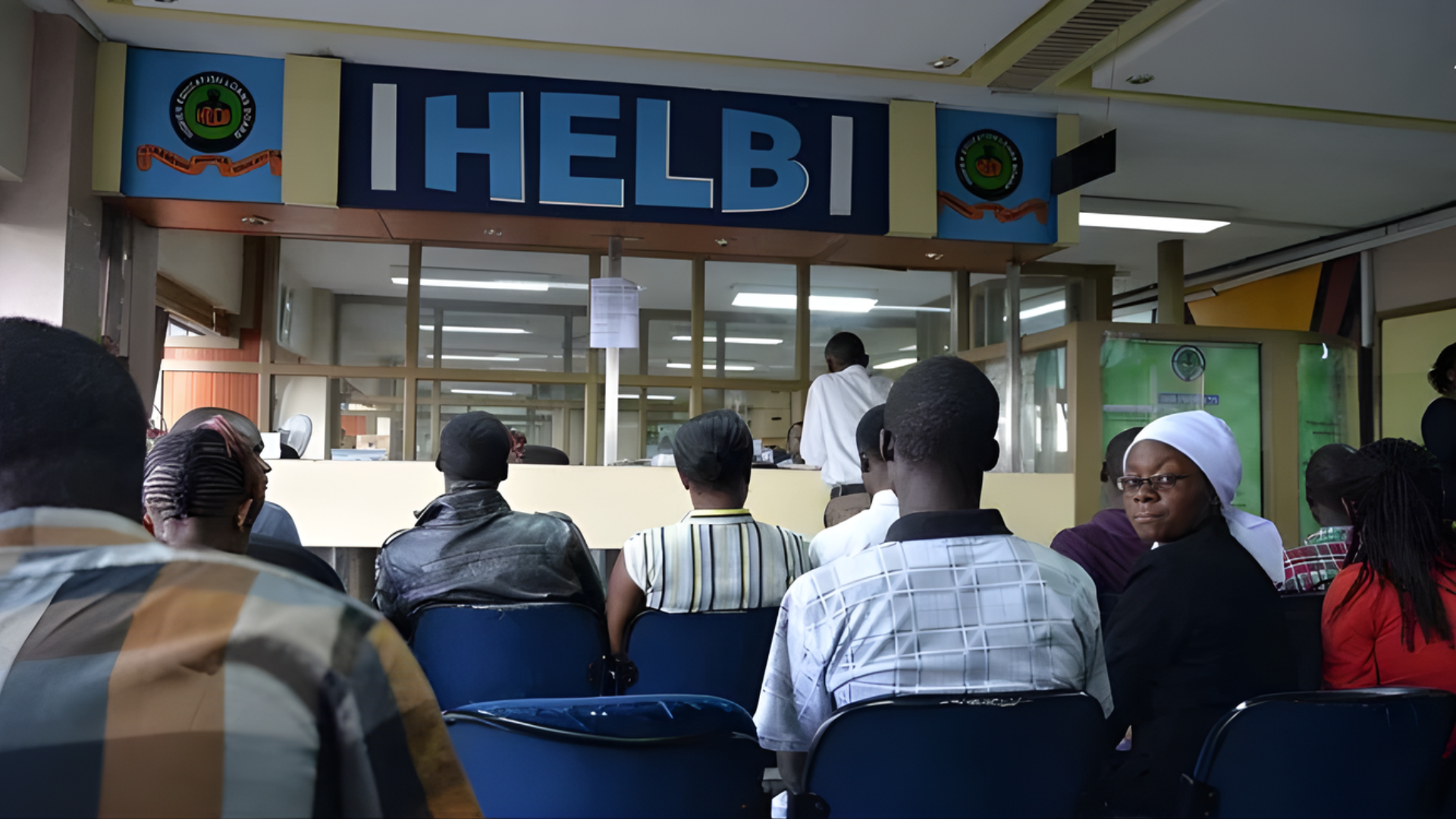
The National Housing Corporation reported that 156,000 individuals have registered interest in the tenant-purchase and owner-occupier schemes, with 48,000 already allocated units pending completion. Monthly instalments range from Sh3,000 for social housing to Sh12,000 for three-bedroom mortgage-gap units.
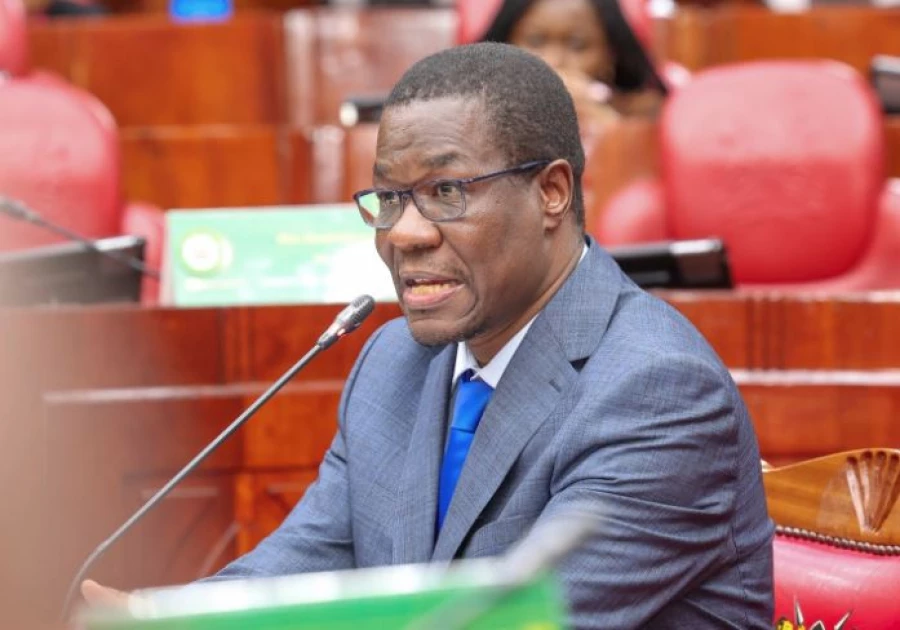
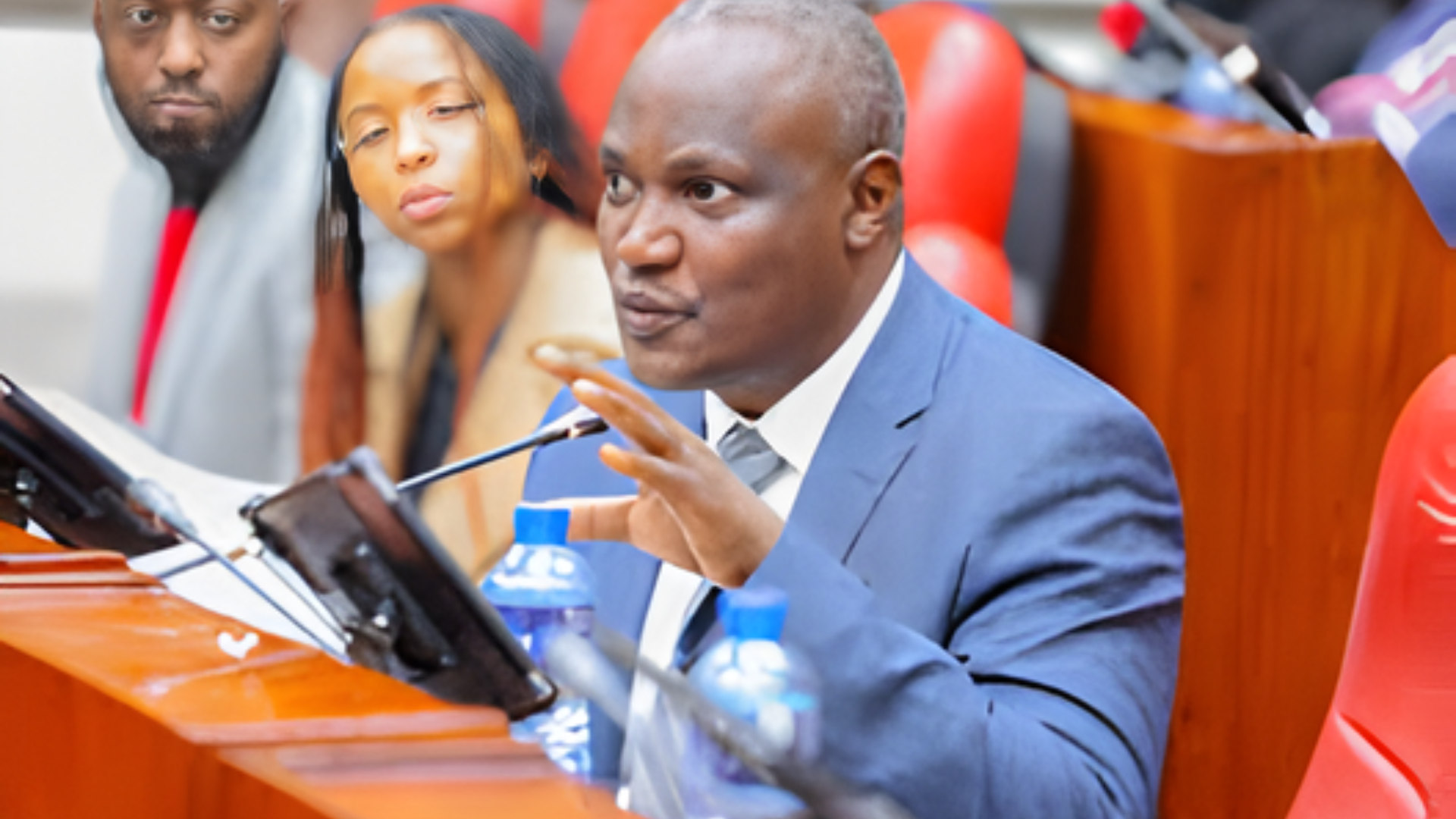
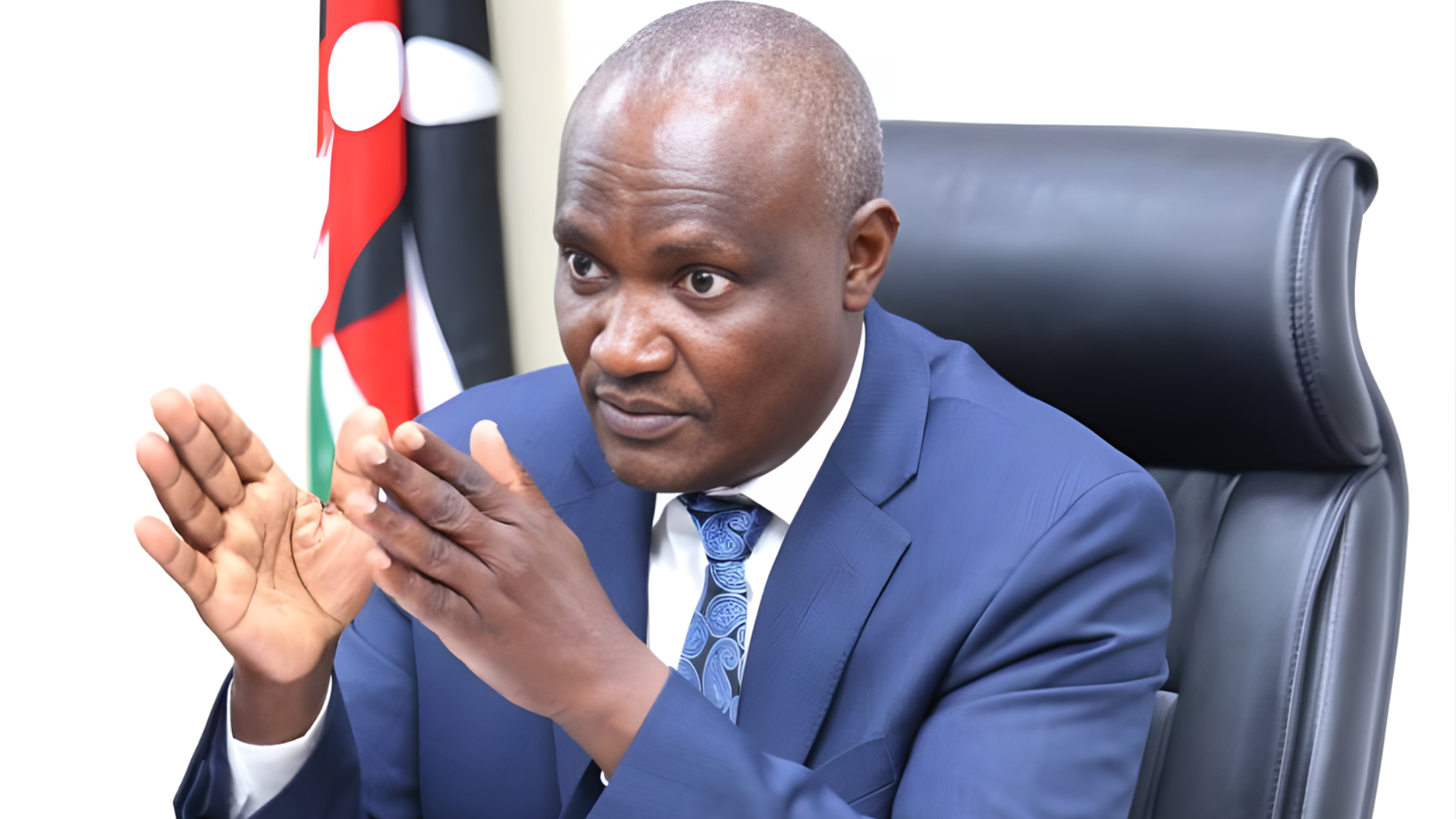
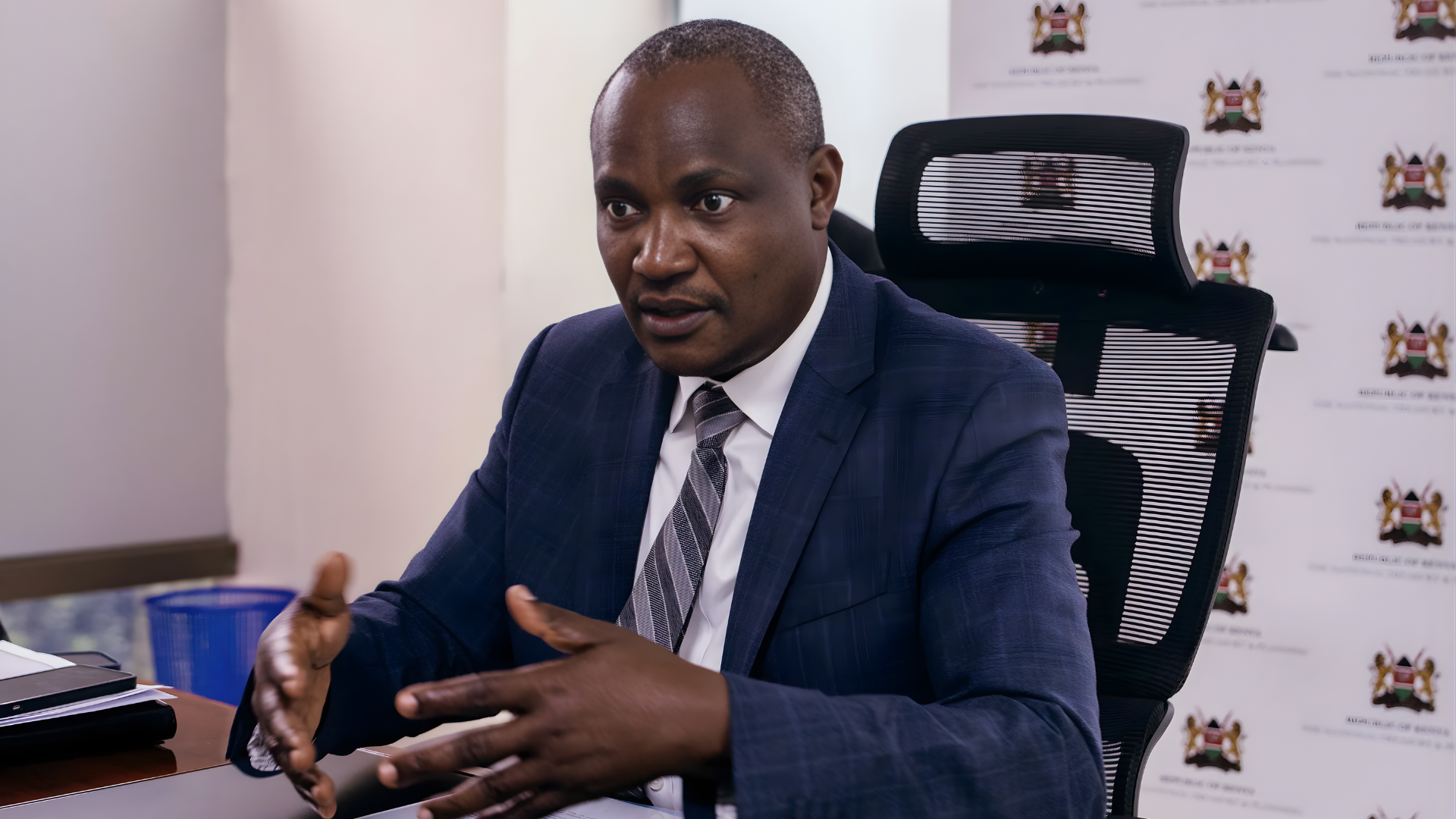
Treasury Cabinet Secretary John Mbadi told Parliament’s Public Investments Committee that the shift in development priorities reflects deliberate policy choice. “Housing creates more jobs per shilling invested than any other sector,” Mbadi said. “Every completed unit generates demand for cement, steel, furniture, and transport, while providing dignity to families. Roads remain critical, but housing now leads because it touches lives directly.”
The Controller of Budget reported full absorption of the Sh30.01 billion allocated, with no pending bills recorded under the programme for the quarter. The next quarterly review, covering October to December 2025, is expected to show increased unit completions as recently mobilised contractors commence mass construction.