The Ministry of Agriculture has confirmed that the four remaining state-owned sugar mills — Sony, Nzoia, Chemelil and Muhoroni — were officially handed over to private operators under 30-year lease agreements signed on May 10, 2025.
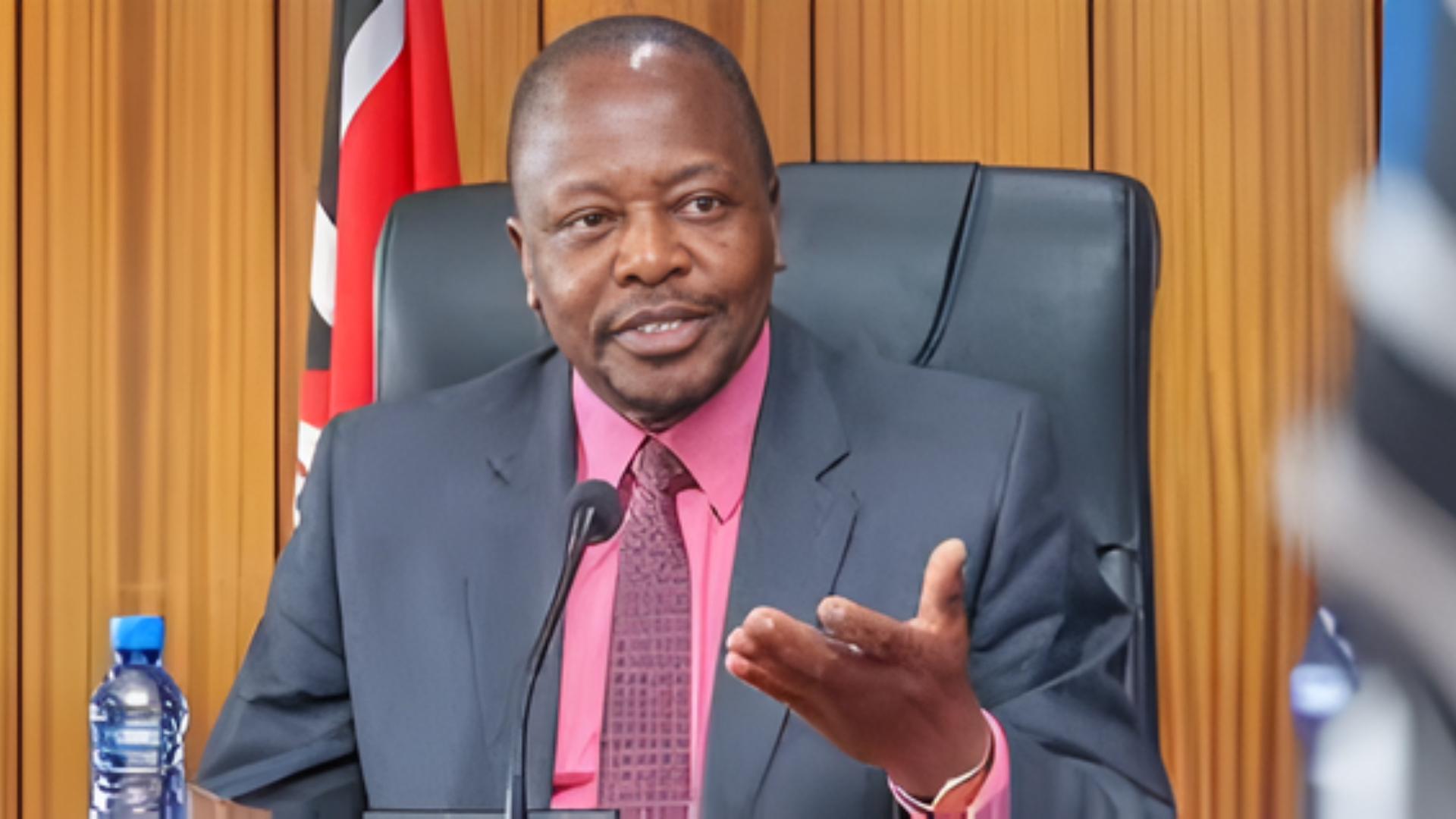
Agriculture Cabinet Secretary Mutahi Kagwe told journalists in Nairobi on December 2, 2025, that the leases executed seven months ago are now fully operational, ending years of speculation about the fate of the loss-making public mills.
“The privatisation process that began in 2022 has reached its logical conclusion,” Kagwe said. “On May 10, 2025, we signed binding 30-year leases for Sony, Nzoia, Chemelil and Muhoroni with experienced private operators who have already injected fresh capital and commenced rehabilitation works.”
Under the terms, lessees will pay annual land rent of between KES 40,000 and KES 45,000 per hectare depending on location and soil fertility, plus concession fees of KES 4,000 per tonne of cane sugar produced and KES 3,000 per tonne of molasses. Each operator also made an upfront goodwill payment equivalent to one year’s rent.
Nzoia Sugar Company, the largest with 18,000 hectares of nucleus estate, was leased to West Kenya Sugar Company Limited. Chemelil (8,200 hectares) went to Kibos Sugar and Allied Industries; Sony (6,500 hectares) to Sukari Industries; and Muhoroni (9,800 hectares) to Kruman Investments Limited.
Principal Secretary for Agriculture Paul Ronoh said the new structure guarantees the Treasury a minimum annual revenue of approximately KES 3.8 billion from the four mills combined, compared to the previous annual loss of KES 6.2 billion.
“These mills were bleeding the taxpayer dry,” Ronoh said. “In the last financial year alone, the four required KES 8.9 billion in bailouts to pay salaries and suppliers. Under private management, the government now earns rent and concession fees while farmers get better cane prices and timely payments.”
Farmers in the Nzoia sugar belt expressed cautious optimism. Nzoia Outgrowers Company chairperson David Barasa said cane payment arrears that had reached KES 4.1 billion have been cleared in the last six months. “West Kenya has paid us within 14 days of delivery since July,” Barasa said. “Before the lease, we waited up to two years. This is the change we have been praying for.”
Similar sentiments were echoed in Muhoroni where Kruman Investments has already refurbished the factory and increased crushing capacity from 1,800 to 3,000 tonnes of cane per day. “We have employed an additional 1,200 casual workers and plan to reach 5,000 tonnes crushing capacity by December 2026,” Kruman managing director Raj Patel told farmers during a recent baraza.
The leases require private operators to maintain at least 60 percent Kenyan shareholding, retain all permanent employees, and plough back 15 percent of annual profits into community development projects such as schools, health centres, and water pans.
Kibos Sugar, which took over Chemelil, has committed KES 2.1 billion for factory modernisation and nucleus estate irrigation. Company chairman Jaswant Rai said the firm will introduce early-maturing cane varieties to raise yields from the current 48 tonnes per hectare to over 90 tonnes within five years.
However, the Kenya Union of Sugar Plantation and Allied Workers has raised concerns about job security. Union Secretary-General Francis Wangara said while casual employment has increased, some permanent staff have been moved to fixed-term contracts. “We welcome the revival of the mills, but workers must not be short-changed,” Wangara said. “We are watching to ensure the 60 percent local ownership clause is not circumvented through proxies.”
Opposition leaders from the sugar belt have questioned the transparency of the leasing process. Former Kakamega Senator Cleophas Malala claimed the tenders were awarded to politically connected individuals. “These are the same cartels who have been milking public mills dry,” Malala alleged. “They now have 30-year licences to continue the theft legally.”
The Ministry dismissed the claims, insisting the process followed Public Procurement and Asset Disposal Act guidelines with advertisements, pre-qualification, technical evaluation, and financial bids all documented.
Agriculture PS Ronoh revealed that the government retained golden shares in all four companies, giving it veto power on major decisions and the right to repossess the mills if lessees default on payments or fail to meet production targets.
“The era of perpetual bailouts is over,” Kagwe declared. “These mills will either perform under private management or revert to the State for fresh leasing. The taxpayer will no longer carry the burden of inefficiency.”
With the leases now in force, the four mills are projected to produce 380,000 tonnes of sugar annually by 2028, up from the current 180,000 tonnes, potentially reducing Kenya’s annual sugar import bill by half.