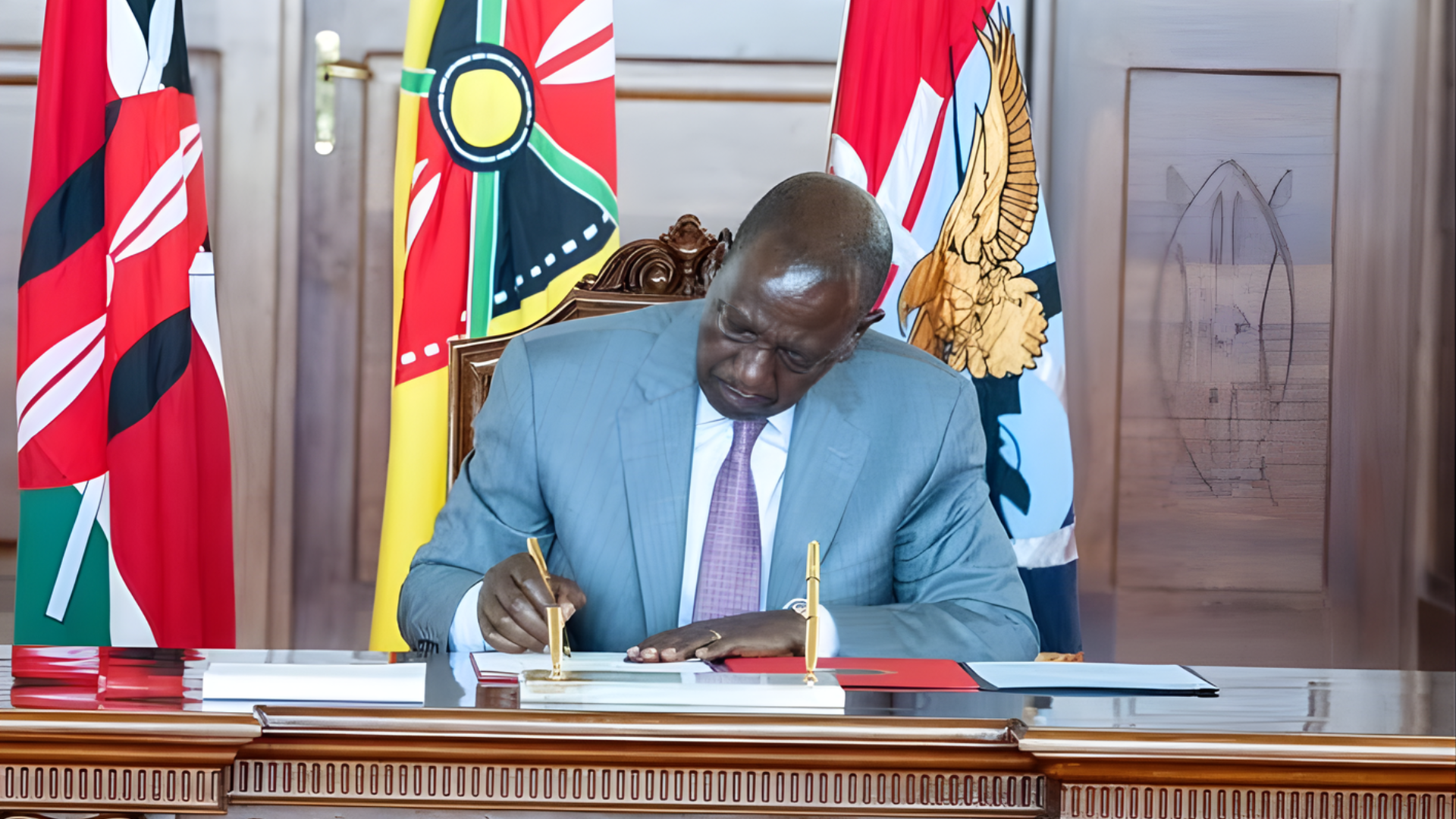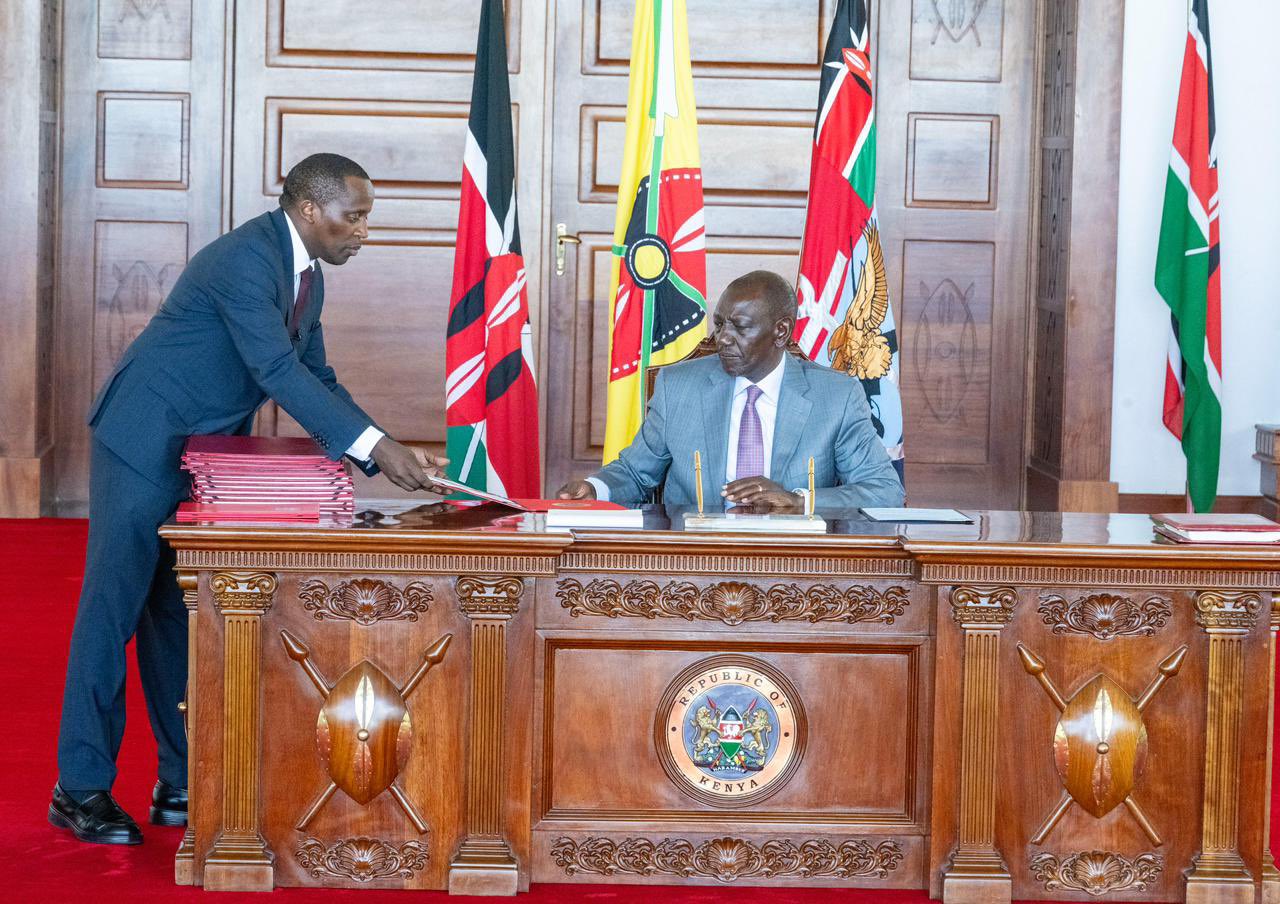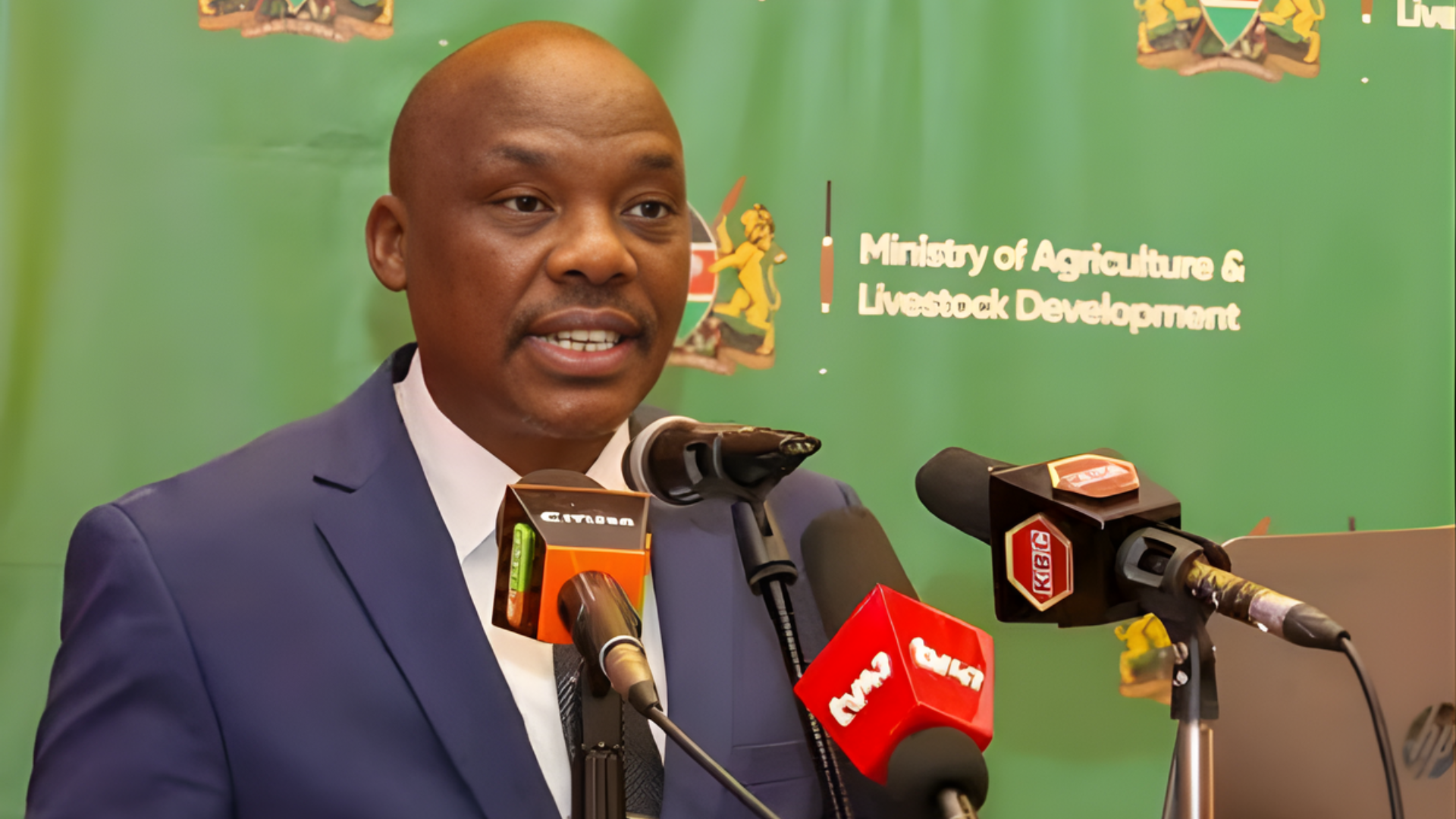
Agriculture Principal Secretary Kipronoh Ronoh has announced a targeted maize seed subsidy programme aimed at supporting smallholder farmers during the upcoming long rains planting season, directing Kenya Seed Company to roll out significantly reduced prices across all certified maize varieties.
The new prices, which take effect immediately, are as follows:
1 kg now costs KSh 250, down from previous retail levels exceeding KSh 400 in many regions;
2 kg is priced at KSh 500;
10 kg bags are available for KSh 2,500;
25 kg bags—the most common size for small and medium farmers—have been set at KSh 6,000.
1 kg now costs KSh 250, down from previous retail levels exceeding KSh 400 in many regions;
2 kg is priced at KSh 500;
10 kg bags are available for KSh 2,500;
25 kg bags—the most common size for small and medium farmers—have been set at KSh 6,000.
The subsidy is funded through a combination of budgetary allocation from the National Treasury and counterpart funding from development partners focused on food security and climate-resilient agriculture. PS Ronoh said the intervention is a direct response to complaints from farmers about high seed prices that have eroded profit margins and discouraged planting of certified, high-yielding varieties.
“Maize remains Kenya’s staple food and the backbone of food security for millions of households,” Ronoh stated during a press briefing at Kilimo House. “But when seed prices are unaffordable, farmers either plant recycled grain—which gives poor yields—or reduce acreage. That cycle keeps us dependent on imports and vulnerable to price shocks. These new prices make quality seed accessible so farmers can plant more, harvest more and earn more.”
Kenya Seed Company Managing Director Dr. Jane Ininda confirmed the company has received instructions to adjust pricing across its network of over 4,000 agro-dealers nationwide. “We are already notifying our distributors and retailers,” Dr. Ininda said. “All certified maize varieties—including popular hybrids such as H6213, H629 and the drought-tolerant KDV series—will be sold at the new subsidised rates. We expect stock to reach even remote areas within the next two weeks.”
The subsidy applies only to certified seed purchased from authorised Kenya Seed outlets and registered agro-vets. Farmers buying from informal vendors or roadside sellers will not benefit, a measure intended to curb counterfeit seed circulation that has plagued the sector for years. The Ministry of Agriculture has promised intensified inspection and enforcement to ensure compliance.
The announcement has been welcomed by farmer organisations, though some leaders called for complementary support. Kenya Farmers Association Chairman James Kinyua said: “The price reduction is a good start. But farmers also need affordable fertiliser, timely credit and better extension services. Seed alone will not double yields if soil fertility and water management remain challenges.”
Smallholder farmers in maize-producing counties such as Trans Nzoia, Uasin Gishu, Bungoma, Kakamega, Narok and parts of the Rift Valley expressed relief at the news. A woman farmer from Kitale who spoke to journalists said: “Last season I paid KSh 7,800 for a 25 kg bag. This year it is KSh 6,000—that is money I can use to buy top-dressing fertiliser or hire labour. This makes planting less stressful.”
The subsidy forms part of the government’s broader strategy to achieve food self-sufficiency and reduce reliance on maize imports, which cost the country billions of shillings annually. The Ministry of Agriculture has set an ambitious target of increasing certified seed usage from the current 30–40 percent to over 70 percent by 2030, arguing that hybrid and improved open-pollinated varieties can raise yields by 30–50 percent under good management.
PS Ronoh also used the announcement to remind farmers to embrace climate-smart practices such as timely planting, proper spacing, intercropping with legumes and use of certified seed resistant to diseases like maize lethal necrosis and fall armyworm. “The government is doing its part by making inputs affordable,” he said. “Now it is up to farmers to do their part by adopting good agronomic practices. Together we can make Kenya food-secure.”
The Ministry has partnered with county governments, farmer cooperatives, seed companies and NGOs to ensure wide distribution and farmer education. Agro-dealers have been trained on the new pricing structure, and a toll-free line has been set up for farmers to report any instances of price gouging or counterfeit seed.
With the long rains season approaching, the subsidy is expected to trigger a surge in demand for certified maize seed in the coming weeks. Kenya Seed Company has ramped up production and distribution to meet anticipated needs, while the government has committed to monitoring the programme to ensure benefits reach genuine smallholder farmers.
The move is seen as a test case for targeted agricultural input subsidies in a budget-constrained environment, with success potentially paving the way for similar interventions in fertiliser, herbicide and mechanisation services.