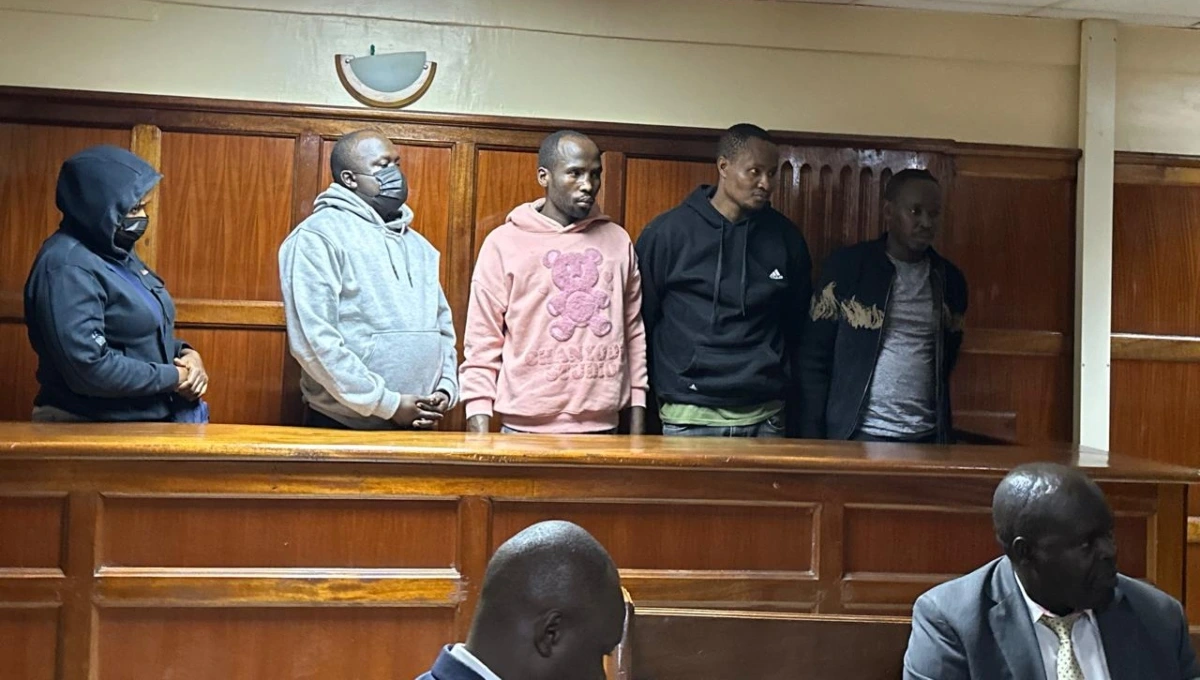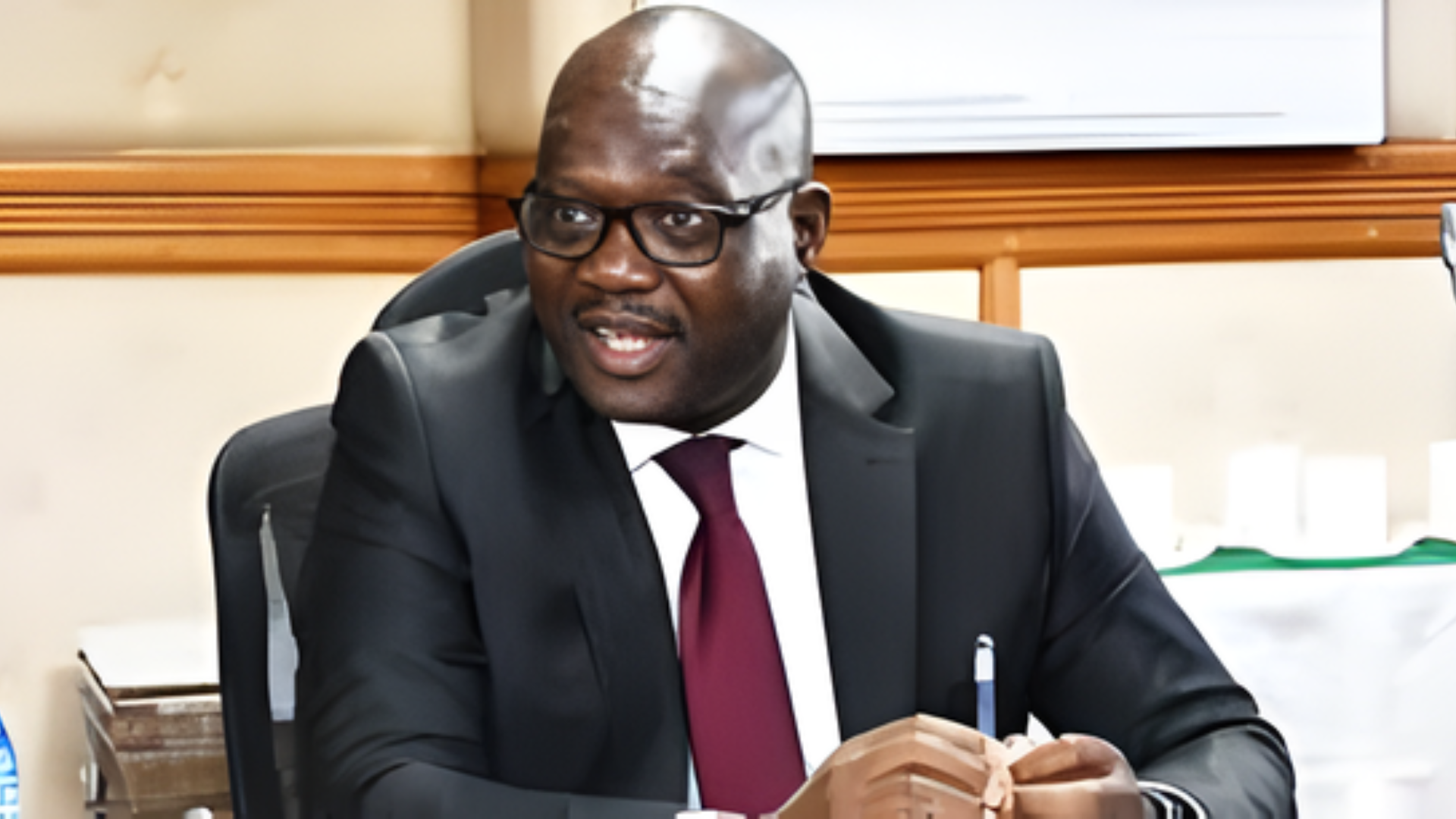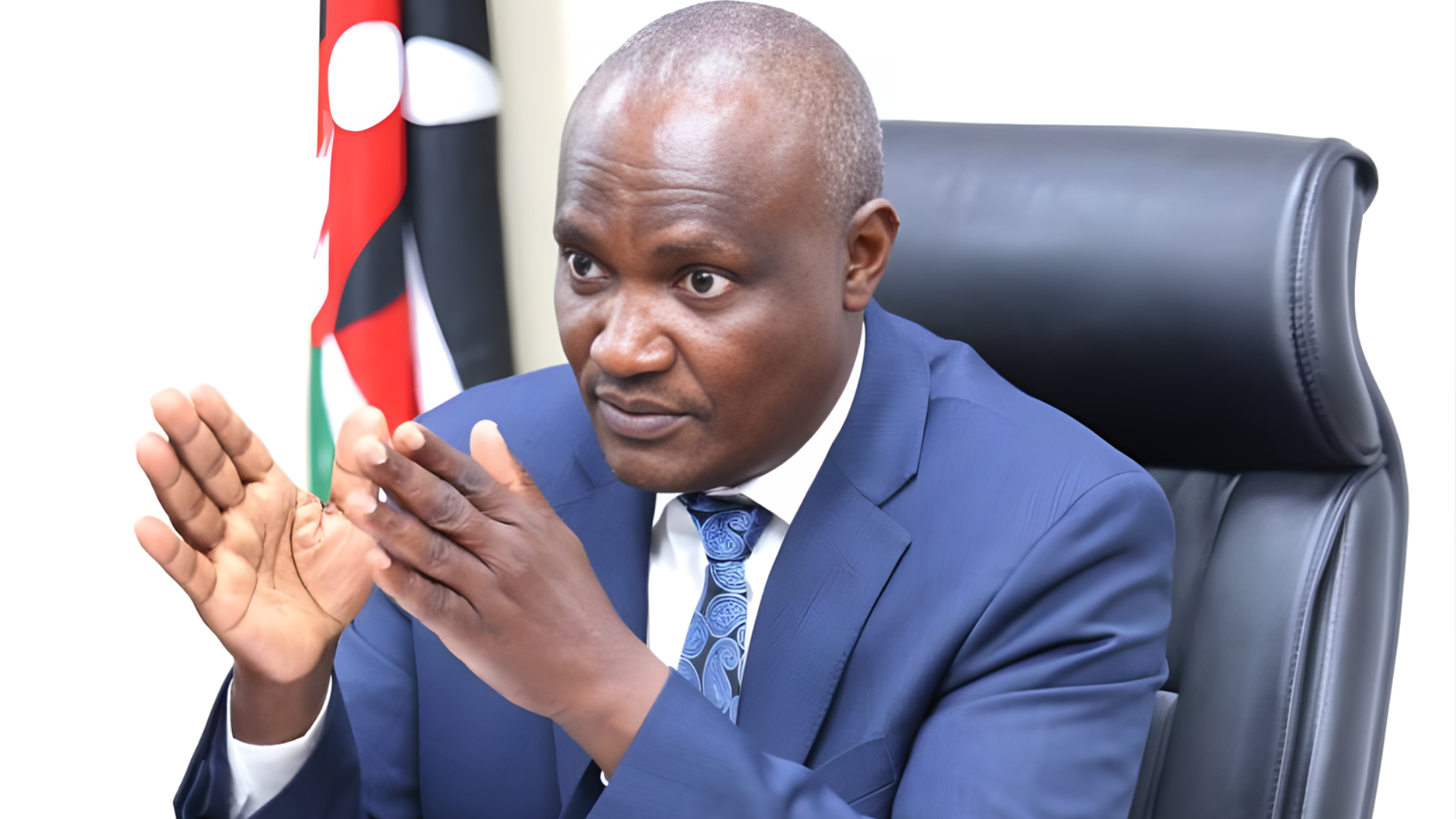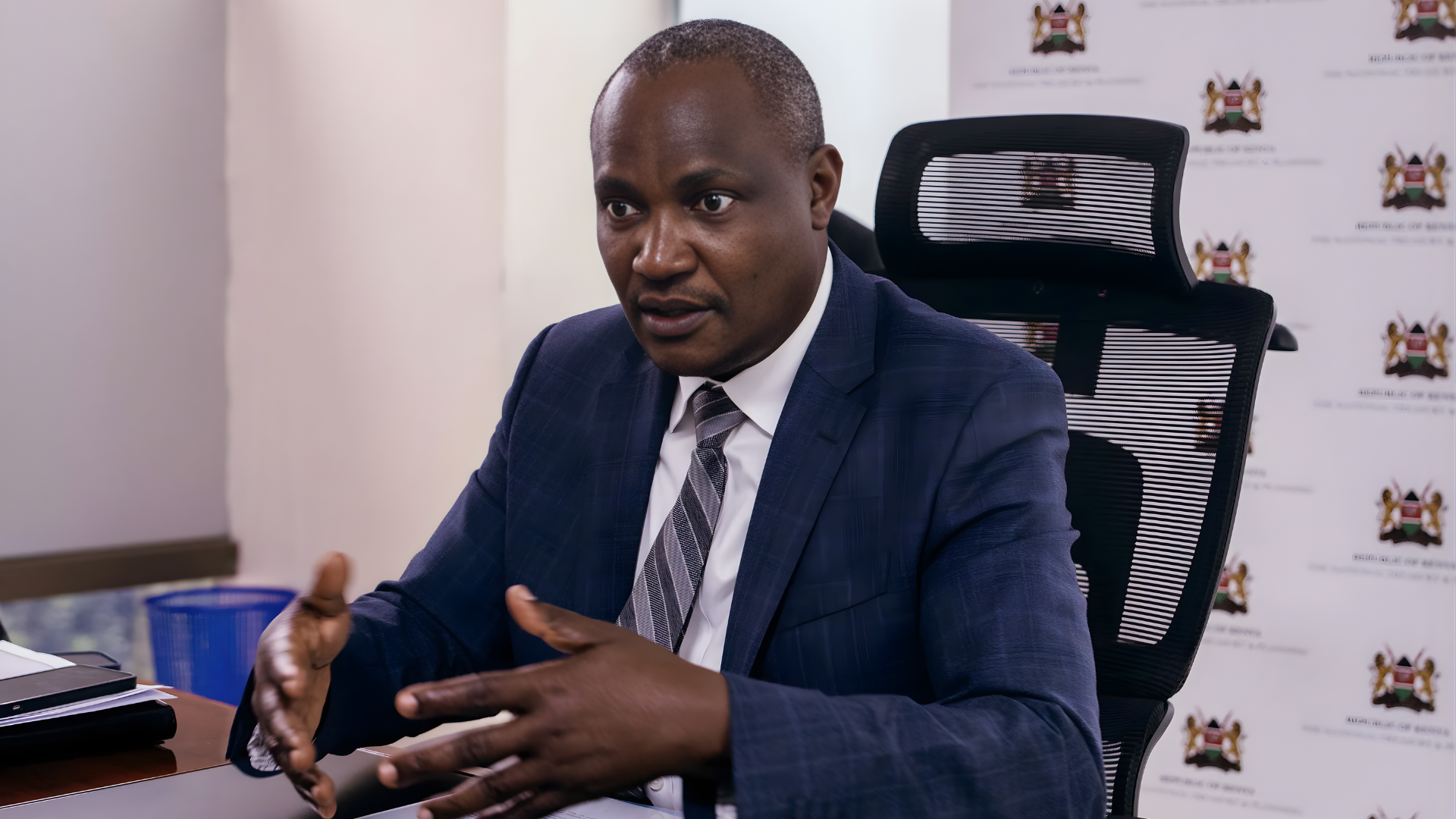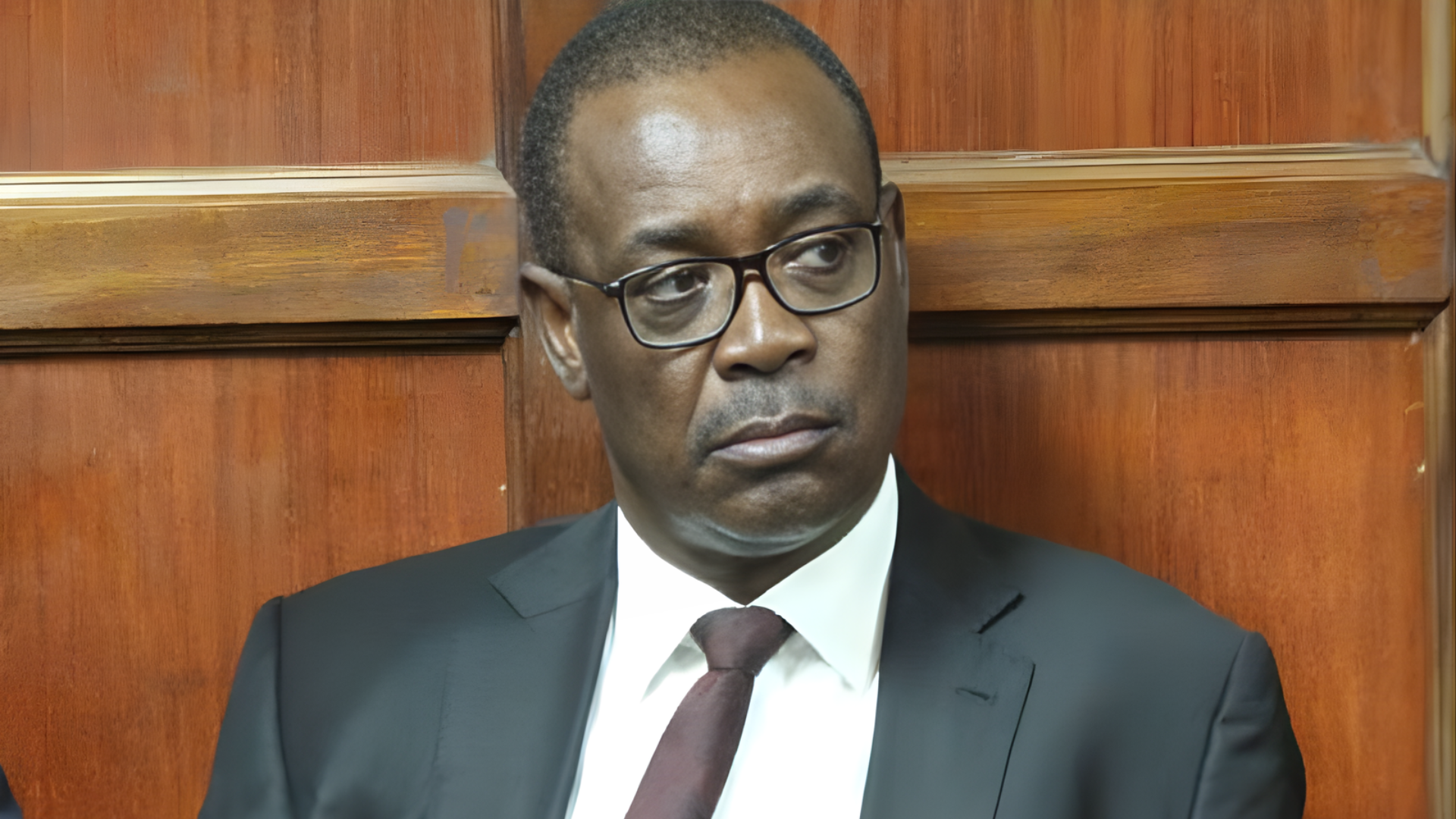
The fluorescent-lit courtroom of Milimani's Anti-Corruption Division, a fortress of legal scrutiny nestled amid Nairobi's teeming legal precincts, resonated with a collective exhale on Thursday, November 6, 2025, as Magistrate Victor Wakumile rendered a verdict that reverberated through the corridors of power and the annals of Kenya's graft-battling machinery. After a trial that spanned nearly six years and consumed over 200 hearing days, Wakumile acquitted former Nairobi Governor Evans Kidero and nine co-accused on all 17 counts of corruption, conspiracy to defraud, and abuse of office, citing the prosecution's resounding failure to marshal sufficient evidence. The case, rooted in alleged misappropriation of Sh213,327,300 during Kidero's 2013-2017 tenure, had ensnared the ex-governor in a web of accusations involving fictitious payments to suppliers for services never rendered—a saga that had cast a long shadow over his political legacy. "The prosecution has not only failed to prove the ingredients of the offenses beyond reasonable doubt but has left gaping voids where corroboration should stand," Wakumile declared from the elevated bench, his gavel's measured rap sealing the acquittal with the finality of a chapter's close. "The court finds no case established; the accused are hereby discharged."
Kidero, the 70-year-old pathologist-turned-politician whose gubernatorial reign was a whirlwind of ambitious visions and acrimonious feuds, sat flanked by his legal team—led by the silver-tongued Tom Ojienda, whose cross-examinations had eviscerated prosecution witnesses over months of testimony. His face, etched with the weariness of protracted litigation, broke into a subdued smile as the ruling unfolded, a far cry from the defiant posture he struck upon his 2018 arrest. Joining him in vindication were former County Secretary Lilian Ndegwa, ex-Finance Chief Officer Jimmy Kiamba, ex-Finance Minister Gregory Mwakanongo, accounting head Stephen Ogago Osiro, acting CFO Luke Mugo, treasury head Maurice Ochieng Okere, and private players John Githua and Grace Njeri of Lodwar Wholesalers Ltd and Ngurumani Traders Ltd. The charges, laid under the Anti-Corruption and Economic Crimes Act, painted a tableau of collusion: conspiracy to defraud the county of Sh213 million between January 16, 2014, and January 25, 2016; abuse of office in authorizing payments for non-existent goods; and Kidero personally benefiting Sh10 million from suspect proceeds. "This is justice delayed but not denied—a vindication of due process over desperation," Ojienda proclaimed outside the courtroom, his voice carrying over the scrum of reporters and well-wishers who had gathered in the rain-slicked parking lot. "The state chased shadows; today, truth casts the light."
The saga's origins lay in the nascent turbulence of Nairobi's devolved era, when Kidero's administration grappled with a ballooning budget and a procurement bureaucracy still shedding colonial cobwebs. EACC sleuths, tipped by anonymous audits in 2017, zeroed in on payments to Lodwar Wholesalers and Ngurumani Traders for "supply and delivery of goods and services"—tenders allegedly rigged to funnel Sh213 million without a single delivery note or receipt. The indictment, filed in April 2018, accused the cabal of conspiracy under Section 47A(3), abuse via Section 45, and money laundering through suspect property dealings. Kidero, then nursing wounds from his 2017 ouster amid gender-based violence allegations, faced arraignment in handcuffs, his bowtie askew as flashes popped. "I stand innocent, ready to prove it—these are political vendettas dressed as vigilance," he had stated then, his words a gauntlet thrown to the Ethics watchdog that had shadowed his term with probes into everything from land grabs to payroll ghosts.
The trial, presided over by Wakumile since 2019, devolved into a marathon of motions and meanderings, plagued by prosecutorial hitches that foreshadowed the acquittal. Early stumbles included the 2020 omission of bank records from evidence, ruled inadmissible for chain-of-custody breaches, and a 2021 strike-out of a related Sh58 million charge for insufficient particulars—a precursor to the evidentiary void Wakumile lambasted. Prosecution witnesses, numbering 45 including forensic accountants and county clerks, crumbled under Ojienda's scalpel: a key auditor recanted on "inflated invoices," admitting reliance on unverified ledgers, while a supplies officer confessed to "hasty approvals" sans due diligence. "The state's case rested on supposition, not substance—no physical evidence of goods undelivered, no forensic trail of kickbacks," Wakumile dissected in his 120-page judgment, paragraphs 67-89 eviscerating the conspiracy pillar. "Corroboration is the cornerstone of graft convictions; here, it was quicksand." The magistrate reserved particular scorn for the Sh10 million "benefit" to Kidero, traced to a single bank entry lacking provenance. "A transaction in isolation proves nothing; context convicts," he noted, echoing precedents from the 2018 NYS scam acquittals.
For Kidero, the ruling caps a legal odyssey that had hobbled his post-gubernatorial forays—consultancy gigs in health policy and a flirtation with 2022's senatorial bid derailed by the cloud. Acquitted in a parallel Sh58 million case in 2021 for want of clarity, he had soldiered through with dogged resilience, funding defenses from his personal kitty while decrying the probes as "witch hunts by the Uhuru cabal." Emerging into the midday sun, Kidero paused for a presser under a makeshift podium of county flags, his voice steady with vindication's weight. "Seven years of shadows lifted—this isn't victory for me, but for every public servant hounded without cause," he said, his gaze sweeping supporters who chanted "Kidero ni yetu!"—Kidero is ours. "Nairobi's coffers were my charge; I guarded them fiercely. Let this end the era of persecution, usher accountability without vendetta." Ojienda, at his side, amplified the call: "The EACC must introspect—resources squandered on mirages while real wolves roam free. Justice isn't a weapon; it's a scale."
The acquittal's aftershocks rippled through Kenya's anti-graft ecosystem, a machinery perennially accused of selective zeal. EACC CEO Twalib Mung'aa, whose agency had spearheaded the probe, issued a measured response from Integrity Centre, framing it as "learning's forge." "We respect the court's wisdom; it sharpens our blade for future strikes," Mung'aa stated in a video address, his words a diplomatic sidestep around the 2024 audit flagging EACC's 35 percent conviction rate—down from 52 percent in 2019. DPP Noordin Haji, whose office prosecuted, vowed an appeal within 14 days under Article 165(5)(b), citing "merits warranting review." "The evidence mosaic, though challenged, merits appellate scrutiny—public interest demands it," Haji asserted in a statement, his nod to the Sh213 million loss a reminder of the fiscal wound. Critics, from the Kenya Human Rights Commission to transparency watchdogs like the Institute of Economic Affairs, decried the verdict as symptomatic. "Acquittals like this erode faith—EACC chases headlines, not hard proof," KHRC's executive director, George Kegoro, lamented at a November 6 panel, his data showing 28 high-profile graft cases collapsing since 2022 for evidentiary lapses.
Nairobi's political theater, ever a cauldron of comebacks, buzzed with Kidero's rehabilitation. Allies from his ODM days, including Kisumu Senator Tom Ojienda's brother Fred, hailed it as "karma's curveball." "Evans fought the good fight; now, he can focus on healing a city he loved," Fred Ojienda remarked over a private lunch in Westlands, his words a bridge to Kidero's rumored pivot to philanthropy in maternal health. Rivals, like current Governor Johnson Sakaja, treaded lightly: "Justice served; let's channel energy to current coffers," Sakaja tweeted, his subtext a nod to the county's Sh10 billion 2025/2026 budget battles. The case's ghosts—payments to Lodwar for "wholesale supplies" that never graced county stores—echo in ongoing probes: a 2024 OAG report flagged Sh1.2 billion in unaccounted county expenditures, from ghost payrolls to inflated tenders. "Kidero's cleared, but the rot lingers—procurement reforms can't wait," urged Public Accounts Committee chair William Kamket in a November 7 memo, summoning EACC for a joint inquest.
For the co-accused, discharge brought varied reprieves. Ndegwa, the ex-secretary whose administrative acumen had steered Kidero's devolution dreams, wept quietly in the courtroom, her decade in limbo a toll on family and career. "I served with clean hands; today, truth washes them white," she whispered to supporters, her embrace with Kidero a tableau of shared exoneration. Kiamba, the finance chief whose ledgers bore the brunt of scrutiny, eyed a return to consultancy, his affidavit recanting key testimonies a pivot that swayed Wakumile. Mwakanongo, the planning minister, and Osiro, the accounting head, slipped into anonymity, their acquittals a quiet coda to public service scars. The private players—Githua and Njeri—faced lingering civil suits from the county, their firms shuttered since 2019. "Business was bridge, not banditry—we supplied what was asked," Githua had testified, his voice cracking under cross on delivery logs that prosecution forensics deemed "inconclusive."
Wakumile's 120-page tome, a forensic feast of legal lore, dissected the prosecution's pitfalls with surgical precision. Paragraphs 45-62 lambasted witness credibility: a star accountant, grilled on Sh45 million "catering advances," admitted reliance on verbal approvals sans vouchers. Sections 89-110 eviscerated the conspiracy thread, invoking the 2016 Ferdinand Waititu acquittal for similar "lack of mens rea." "Corruption thrives on proof, not presumption; here, the scales tipped to innocence," the magistrate concluded, his nod to Article 50's fair trial rights a bulwark against overreach. Legal scholars like Prof. PLO Lumumba, dean at the Kenya School of Law, dissected the ruling in a Nation op-ed: "A triumph for presumption, a caution for prosecutors—evidence isn't enthusiasm." Ojienda, in a post-verdict lecture at the LSK, wove it into jurisprudence: "This isn't absolution; it's affirmation—the law shields the accused until proven otherwise."
The verdict's velvet glove cloaks an iron fist for Kenya's graft warriors. EACC's 2025 caseload, swollen to 1,200 probes amid Ruto's "war on corruption," sees conviction rates hovering at 32 percent, per internal metrics—a dip blamed on evidentiary hurdles in digital-age frauds. Mung'aa's pivot to "preemptive forensics"—AI audits on tenders—promises Sh50 billion in safeguards, but skeptics like Kegoro eye underfunding: EACC's Sh8 billion budget pales against the Sh2 trillion annual graft toll. Haji's appeal, if lodged, faces uphill: appellate courts, per 2024 stats, uphold 65 percent of acquittals in economic crimes. For Kidero, the clearance unlocks horizons: whispers of a health NGO launch, drawing on his pre-politics cardiology roots, and mentorship for devolved governance. "Nairobi taught me resilience; now, I give it back," he confided to aides over a celebratory lunch at his Karen ranch, the Sh213 million specter dissolved like mist at noon.
As November's sun dipped behind the Ngong Hills, Milimani's gates swung shut on the day's drama, the courtroom's echo chamber silent once more. Kidero, motorcade humming toward the horizon, carried not just papers but possibility—a man unyoked from chains of accusation, free to forge anew. For Kenya, where graft's ghosts haunt every tender and till, the acquittal endures as dialectic: victory for vigilance, verdict for voids. In the republic's restless reckoning, where justice's gavel both frees and forewarns, this ruling resonates—a scale balanced, a saga shelved, inviting the next act in the endless play of public trust.
The trial's tapestry, woven from 2018's indictments to 2025's discharge, threads through devolution's early frailties. Kidero's 2013 win, on a platform of "Nairobi si Nairobi" transformation, birthed Sh500 billion in projects—from bus rapid transit blueprints to market modernizations—but stumbled on procurement pitfalls. The Sh213 million, dissected in OAG's 2017 report, spotlighted "suspect supplies": Sh120 million to Lodwar for "wholesale goods" sans delivery, Sh93 million to Ngurumani for "trader services" untraced. Prosecution's 45 witnesses, from clerks to auditors, faltered: a key forger recanted on "altered invoices," admitting pressure from superiors. Ojienda's cross, a masterclass in Socratic shredding, exposed 22 contradictions—percentages Wakumile cited in paragraphs 112-134 as "fatal to credibility."
Post-acquittal, ripples lap at policy shores. Sakaja's administration, inheriting Kidero's ledgers, fast-tracks a Sh2 billion procurement digitization, e-tenders via PPIP portal to stem ghosts. Namwamba, in sports ministry parallels, vows "Kidero-proof" audits for Talanta Hela. Kegoro's KHRC petitions for EACC reforms: "Mandatory witness vetting, AI for anomaly flags." Lumumba, in academe, lectures on "evidentiary evolution": "Graft cases demand digital dossiers—blockchain for bids, forensics for funds." For the accused, horizons brighten: Ndegwa eyes consultancy in county planning, Kiamba a PhD in public finance. Githua and Njeri, civil shadows lingering, pivot to legit logistics, their firms reborn sans stigma.
In Nairobi's unyielding forge, where power's pitfalls meet justice's probe, Kidero's clearance stands as saga—not flawless exoneration, but faithful fidelity to proof's primacy. Mwangi, the coach from Embakasi, scrolls the verdict on his phone, sighing relief. "One less thief in the stands—now, fund the fields." As the city hums into evening, the courtroom's hush yields to the republic's hum—a reminder that in graft's gray, the law's light endures, illuminating innocence until shadows substantiate sin.