 Wambui Faith
Easter is one of the most significant yet culturally layered holidays in the world. For some, it is a deeply religious period of reflection; for others, it is a celebration of spring’s arrival. Understanding where Easter comes from requires looking at a fascinating blend of ancient traditions, lunar calendars, and profound faith.
1. The Core Meaning: Resurrection and Hope
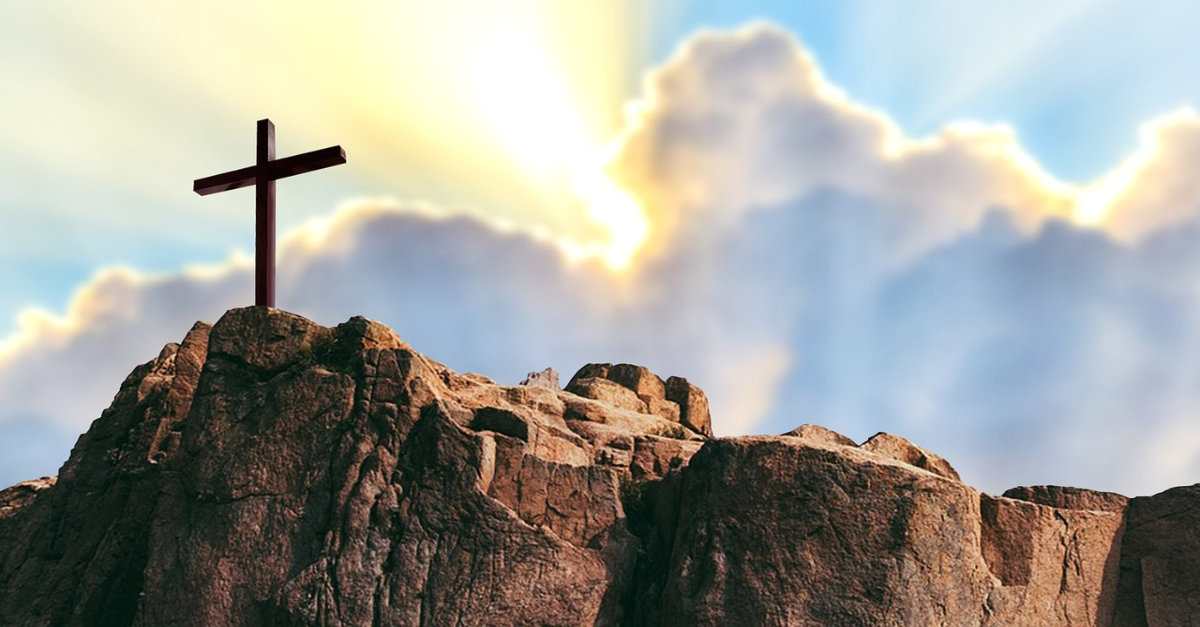
At its heart, Easter is the cornerstone of the Christian faith. It commemorates the Resurrection of Jesus Christ, which Christians believe occurred three days after his crucifixion by the Romans.
For believers, the holiday represents:
* Victory over Death: The promise of eternal life.
* Redemption: The idea of a "new beginning" and the washing away of past mistakes.
* Hope: The ultimate symbol that light can emerge from the darkest of circumstances.
2. Ancient Origins and the Name "Easter"
The origins of the word "Easter" are often debated by historians. Many believe it is derived from Eostre (or Ostara), the ancient Germanic goddess of spring and dawn. Her feast was celebrated during the Spring Equinox, marking the end of winter and the "resurrection" of the natural world.
However, in most languages other than English and German, the holiday is known by names derived from the Greek and Latin Pascha. This links Easter directly to the Jewish festival of Passover (Pesach), as the New Testament states that the Last Supper and the Resurrection took place during the Passover period.
3. Why Does the Date Change?
You may have noticed that Easter never falls on the same date twice. This is because it is a "moveable feast" based on the lunar cycle. In 325 AD, the Council of Nicaea established that Easter would be held on the first Sunday following the first full moon after the Spring Equinox (March 21). This is why Easter can fall anywhere between March 22 and April 25.
4. The History Behind the Symbols
How did we get from a religious resurrection to colorful eggs and rabbits? Most of these traditions are "borrowed" from ancient spring rituals:
* The Egg: Since ancient times, the egg has been a symbol of fertility and new life. Early Christians adopted this, viewing the egg as a symbol of the "empty tomb" from which Jesus emerged.
* The Easter Bunny: Rabbits are famous for their ability to reproduce rapidly, making them a natural symbol for the fertility of spring. The "Easter Hare" first appeared in 16th-century German writings as a judge who decided if children were good or bad at the start of the season.
* The Lilies: Known as "white trumpets," these flowers often bloom in early spring and have come to symbolize the purity and divinity of the Resurrection.
5. A Universal Message of Renewal
Regardless of one's personal beliefs, Easter remains a powerful time for renewal. Just as the earth wakes up from its winter slumber, the holiday encourages us to pause, reflect, and embrace the possibility of a fresh start.
Whether it is through a sunrise church service, a quiet family brunch, or the simple joy of a child finding a hidden egg, Easter serves as a reminder that life, in all its forms, is worth celebrating.
> Did You Know? The tradition of wearing "Easter Bonnets" or new clothes on Easter Sunday stems from the idea of "shedding the old" and starting the new season with a fresh spirit.
1. The Core Meaning: Resurrection and Hope
At its heart, Easter is the cornerstone of the Christian faith. It commemorates the Resurrection of Jesus Christ, which Christians believe occurred three days after his crucifixion by the Romans.
For believers, the holiday represents:
* Victory over Death: The promise of eternal life.
* Redemption: The idea of a "new beginning" and the washing away of past mistakes.
* Hope: The ultimate symbol that light can emerge from the darkest of circumstances.
2. Ancient Origins and the Name "Easter"
The origins of the word "Easter" are often debated by historians. Many believe it is derived from Eostre (or Ostara), the ancient Germanic goddess of spring and dawn. Her feast was celebrated during the Spring Equinox, marking the end of winter and the "resurrection" of the natural world.
However, in most languages other than English and German, the holiday is known by names derived from the Greek and Latin Pascha. This links Easter directly to the Jewish festival of Passover (Pesach), as the New Testament states that the Last Supper and the Resurrection took place during the Passover period.
3. Why Does the Date Change?
You may have noticed that Easter never falls on the same date twice. This is because it is a "moveable feast" based on the lunar cycle. In 325 AD, the Council of Nicaea established that Easter would be held on the first Sunday following the first full moon after the Spring Equinox (March 21). This is why Easter can fall anywhere between March 22 and April 25.
4. The History Behind the Symbols
How did we get from a religious resurrection to colorful eggs and rabbits? Most of these traditions are "borrowed" from ancient spring rituals:
* The Egg: Since ancient times, the egg has been a symbol of fertility and new life. Early Christians adopted this, viewing the egg as a symbol of the "empty tomb" from which Jesus emerged.
* The Easter Bunny: Rabbits are famous for their ability to reproduce rapidly, making them a natural symbol for the fertility of spring. The "Easter Hare" first appeared in 16th-century German writings as a judge who decided if children were good or bad at the start of the season.
* The Lilies: Known as "white trumpets," these flowers often bloom in early spring and have come to symbolize the purity and divinity of the Resurrection.
5. A Universal Message of Renewal
Regardless of one's personal beliefs, Easter remains a powerful time for renewal. Just as the earth wakes up from its winter slumber, the holiday encourages us to pause, reflect, and embrace the possibility of a fresh start.
Whether it is through a sunrise church service, a quiet family brunch, or the simple joy of a child finding a hidden egg, Easter serves as a reminder that life, in all its forms, is worth celebrating.
> Did You Know? The tradition of wearing "Easter Bonnets" or new clothes on Easter Sunday stems from the idea of "shedding the old" and starting the new season with a fresh spirit.