A new bill currently before Parliament seeks to amend the Kenya Citizenship and Immigration Act to address long-standing gaps in the treatment of stateless persons and simplify pathways to Kenyan citizenship for eligible individuals.
The Citizenship and Immigration (Amendment) Bill proposes four major changes aimed at aligning the law with international human rights standards, improving administrative efficiency and reducing barriers faced by people who have lived in Kenya for generations without formal nationality.
The first key provision requires the government to establish and maintain an official register of stateless persons residing in Kenya. This register would be managed by the Department of Immigration Services and would serve as a central database to identify, document and track individuals who lack citizenship of any country. Once registered, stateless persons would receive temporary identification documents allowing access to basic services such as healthcare, education and banking while their citizenship applications are processed.
The bill removes the current strict time limit for stateless residents to apply for Kenyan citizenship. Under existing law, applications must generally be lodged within a defined period after reaching adulthood or after a prescribed period of residence. The amendment eliminates this deadline entirely, meaning stateless persons can apply at any time provided they meet other eligibility criteria. This change is expected to benefit thousands of individuals—particularly descendants of communities that migrated decades ago or those born in Kenya to parents of undetermined nationality—who have been unable to regularise their status due to missed deadlines or bureaucratic delays.
Another significant reform relaxes the language proficiency requirement. Applicants will now be able to demonstrate communication ability in Kiswahili, any recognised local Kenyan dialect or—crucially—in accessible formats for persons with disabilities. This includes sign language for the deaf, Braille or audio recordings for the blind, and simplified formats for those with intellectual or learning disabilities. The bill recognises that language barriers should not prevent otherwise eligible individuals from acquiring citizenship and ensures the process is inclusive.
Finally, the proposed amendment removes the requirement for applicants to declare an intention to permanently reside in Kenya. The existing declaration has been criticised as vague, difficult to enforce and potentially discriminatory, especially for individuals who may travel frequently or maintain family ties abroad while considering Kenya their primary home.
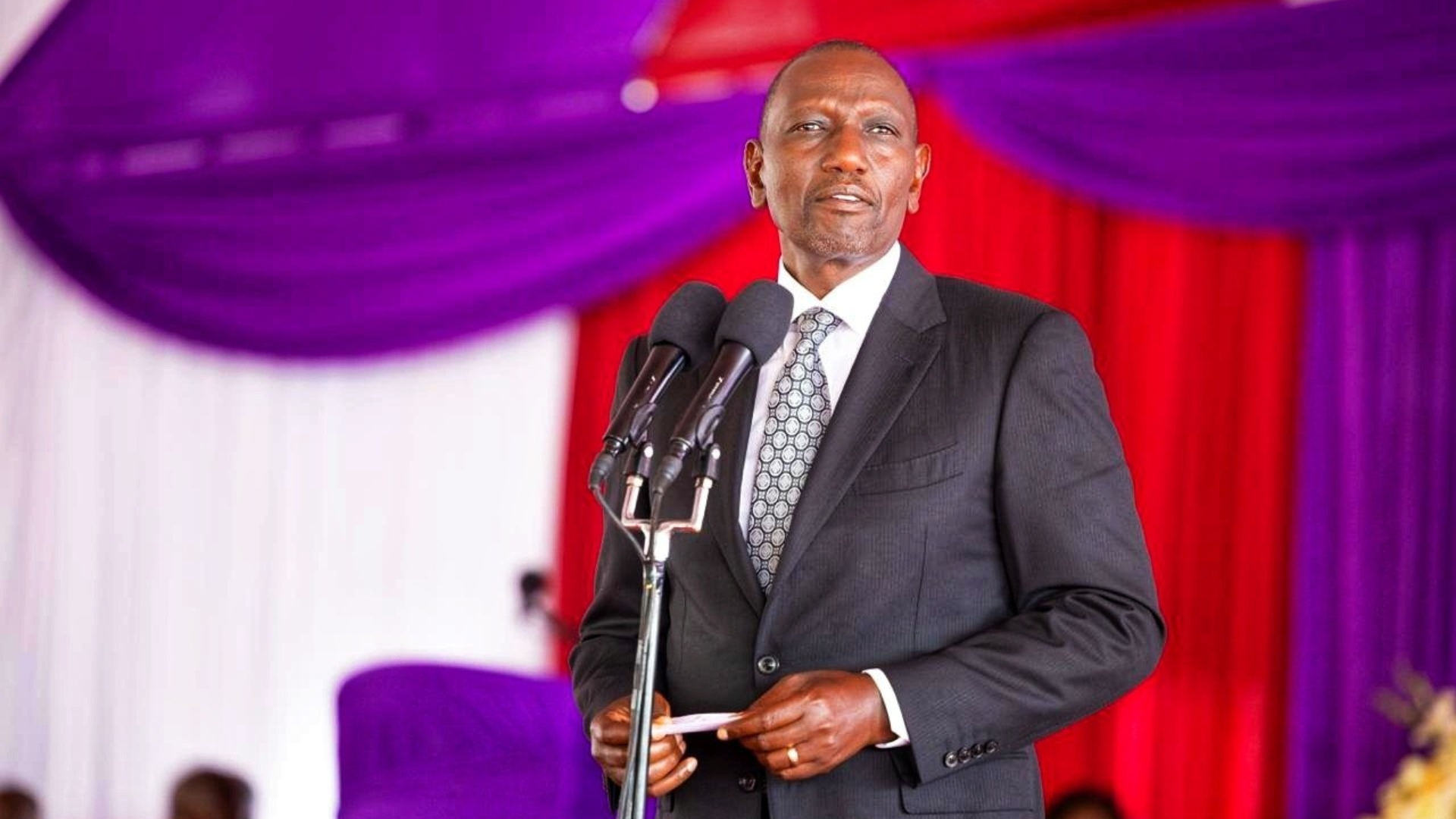
The bill’s sponsor, speaking during its first reading, said the changes are long overdue. “Statelessness is a silent crisis in Kenya,” the MP stated. “Thousands of people live among us without citizenship—unable to vote, own land securely, access formal employment or even obtain a passport. They are invisible to the state yet contribute to our society every day. This amendment gives them a clear path to belong while protecting the integrity of our citizenship framework.”
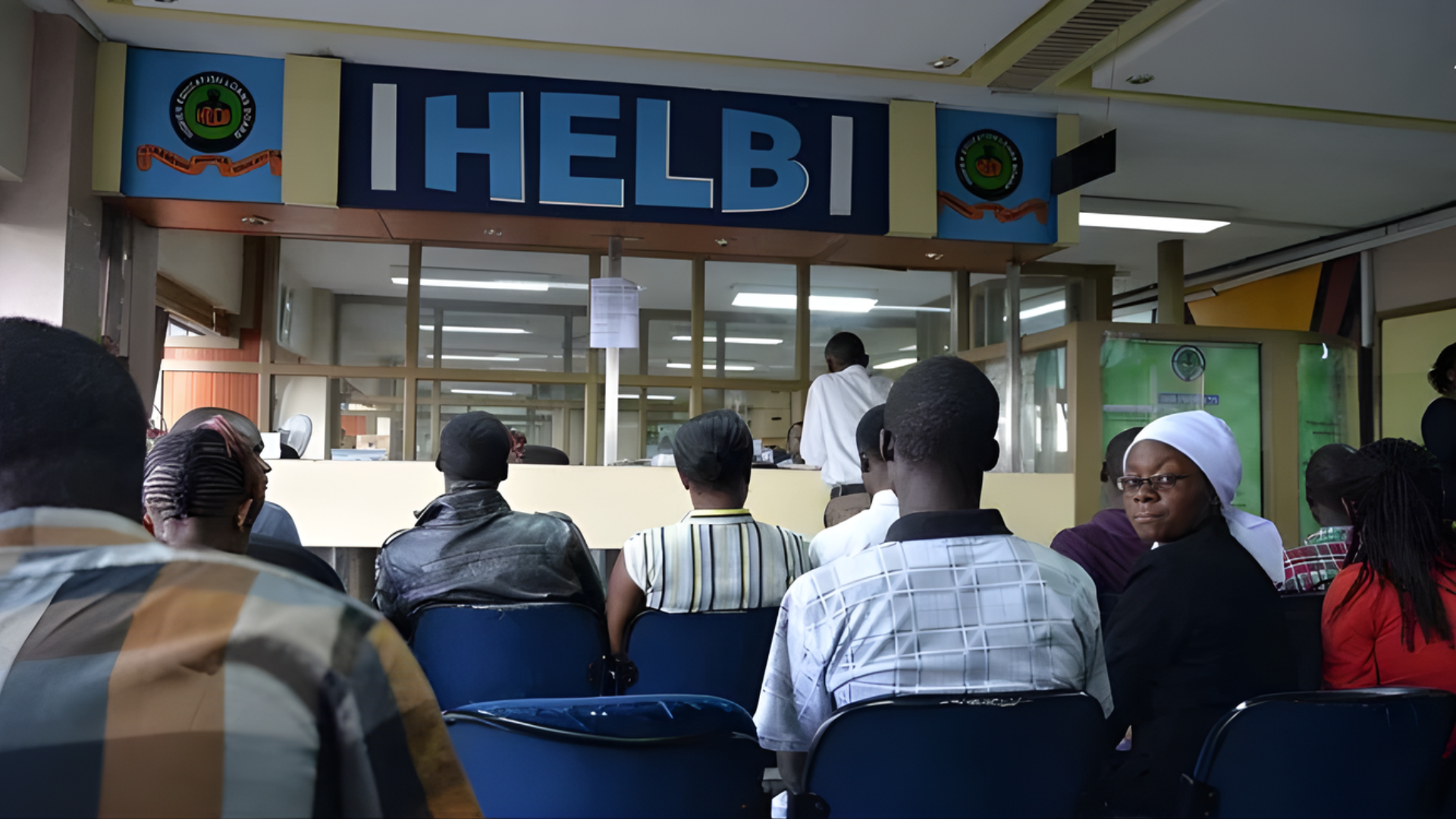
The Department of Immigration Services welcomed the proposals, noting that the current law creates unnecessary bottlenecks and administrative burdens. “A dedicated stateless register will allow us to better understand the scale of the issue and plan targeted interventions,” a senior immigration official said. “Removing arbitrary time limits and inflexible language rules will make the process fairer without compromising security or national interest.”
Civil society organisations that have campaigned on statelessness for years expressed cautious optimism. The Kenya Human Rights Commission said: “This bill is a step toward ending the legal limbo that traps entire families in poverty and exclusion. We particularly welcome the recognition of accessible formats for persons with disabilities—a provision that has been missing for too long.”
However, some security analysts and immigration hardliners have raised concerns that unlimited application periods and relaxed language requirements could open the door to abuse or fraudulent claims. “While inclusion is important, we must ensure robust verification mechanisms are in place,” one retired immigration officer said. “Kenyan citizenship is a privilege, not a right for everyone who happens to live here.”
The bill has been referred to the National Assembly’s Departmental Committee on Administration and Internal Affairs for public participation, stakeholder hearings and clause-by-clause scrutiny. Public submissions are invited until mid-March 2026, with a view to possible enactment before the end of the current parliamentary session.
If passed, the amendments would represent one of the most significant reforms to Kenya’s citizenship framework since the 2010 Constitution. They would bring the country closer to its international obligations under the 1954 Convention Relating to the Status of Stateless Persons and the 1961 Convention on the Reduction of Statelessness, both of which Kenya has acceded to in principle.
For the thousands of stateless persons living in limbo—many born in Kenya, educated here and knowing no other home—the bill offers hope of legal recognition and full participation in national life. Whether it survives parliamentary scrutiny and emerges with its core provisions intact will be one of the key civil rights questions of the current legislative term.