 WEKESA KULECHO
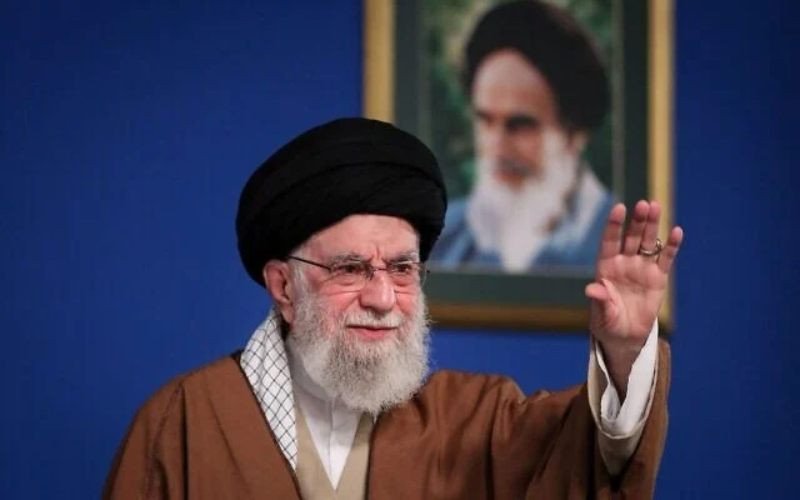
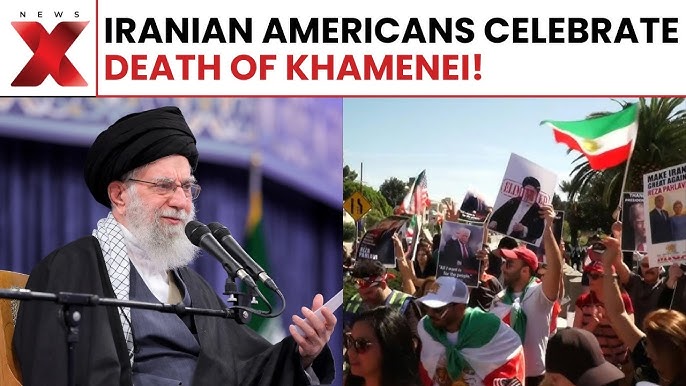
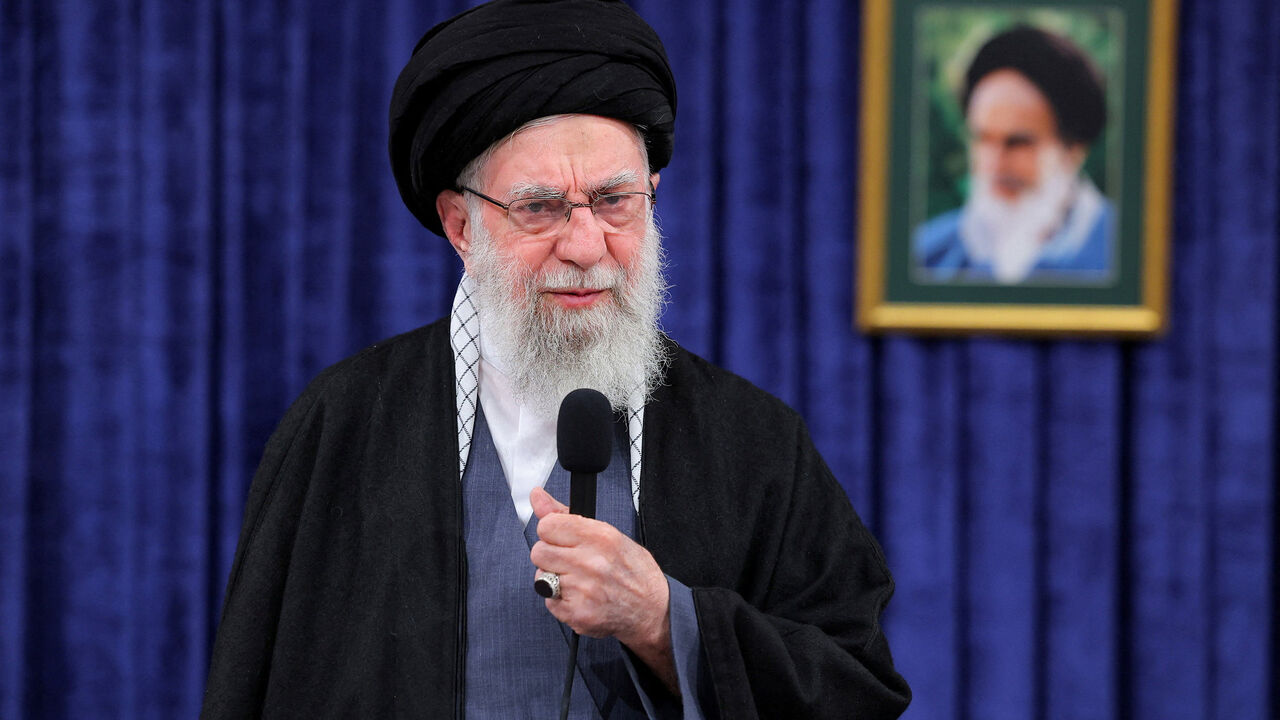
Updated: March 1, 2026 — Major developments continue to unfold across the Middle East and globally after multiple reports confirmed the death of Iran’s Supreme Leader, Ayatollah Ali Khamenei. The 86-year-old cleric, who had ruled Iran for more than 36 years, appears to have been killed in a coordinated military operation by the United States and Israel that marked an unprecedented escalation in tensions between Tehran, Washington and Jerusalem.
U.S. and Israeli Statements: Operation Epic Fury
Late on Feb. 28, 2026, U.S. President Donald Trump confirmed on his social media platform that the joint American–Israeli military strikes had successfully killed Khamenei during “a highly targeted operation” — calling him “one of the most evil people in history” and claiming the assault was aimed at dismantling Iran’s nuclear and military infrastructure. Israeli Prime Minister Benjamin Netanyahu echoed this, saying there were “many signs” that the Supreme Leader was “no longer alive” after the strikes destroyed what he described as Khamenei’s compound and eliminated senior regime officials.
Israeli military officials also said the operation killed multiple Iranian Revolutionary Guard Corps commanders and senior figures tied to Tehran’s nuclear program, underscoring the broad targeting strategy behind the offensive.
Iranian State Media and Official Confirmation
Within hours, Iran’s state media confirmed that Khamenei had died. State broadcaster programs announced a 40-day national mourning period and seven days of public holidays as Iran grieved the passing of a leader who had combined supreme political authority with religious legitimacy. Iranian reports described him as having died while performing his duties and honored him as a martyr.
The confirmation from Iranian state media marked a stark development after initial confusion and contradictory statements about his fate. Tehran’s official outlets have framed the strikes as an unprovoked act of aggression by the United States and Israel, with the Islamic Revolutionary Guard Corps vowing severe punishment and threatening retaliation for those responsible.
Official Iranian Denials and Conflicting Reports
Despite growing consensus, some Iranian officials — including Foreign Minister Abbas Araghchi — initially denied that Khamenei or President Masoud Pezeshkian had been killed, asserting that key leaders were “alive and safe”. Iran also labelled the strikes “illegal“ and condemned them as a violation of international law. These early denials reflected the fog of war and information warfare surrounding the conflict.
Who Was Ayatollah Ali Khamenei?
Born in 1939, Khamenei became Iran’s Supreme Leader in 1989, succeeding Ayatollah Ruhollah Khomeini as the highest religious and political authority. Over more than three decades, he shaped Iranian policy at home and abroad, overseeing expansion of the Revolutionary Guard’s power, hardline stances on nuclear development, and crackdowns on internal dissent — most notably protests in 2009 and after the death of Mahsa Amini in 2022.
As Supreme Leader, he wielded final say over military, judiciary, and foreign policy matters, effectively setting the direction of the country and its proxy networks across the Middle East. His leadership made him one of the most influential and controversial figures in modern Middle Eastern geopolitics.
Regional and Global Reactions
The early reactions to the news of Khamenei’s death varied dramatically around the world:
- United States and Israel hailed the development as a strategic victory aimed at undermining Iran’s regional influence and nuclear ambitions. U.S. officials framed it as an opportunity for change.
- Iranian leadership and the Revolutionary Guards condemned the strikes as criminal and vowed severe retaliation. State rituals of mourning began across the country.
- Regional powers — including those with defense agreements or diplomatic relations — have called for restraint amid fears of widespread escalation. United Nations officials and global leaders expressed deep concern over the risk of broader conflict.
Financial markets, particularly global oil prices, reacted sharply to the news, and military bases across the Gulf region elevated readiness in response to potential Iranian reprisal strikes.
What Happens Next? The Power Vacuum and Succession
Khamenei’s death leaves a significant leadership vacuum in Iran’s theocratic political system. Iran’s constitution prescribes that the Assembly of Experts — a body of senior clerics — must convene to select a successor, but there is no designated heir apparent, making the coming weeks critical for Iran’s future political trajectory.
Analysts warn that without a clear succession plan, different factions within Iran’s political and military establishment — particularly the powerful Revolutionary Guard — may compete for dominance, potentially risking internal instability and further international tensions.
The Broader Conflict: From Border Clashes to Open War
The reported death of Khamenei marks an extraordinary escalation in a conflict that had previously seen indirect confrontations between Israel and Iran through proxy groups and limited strikes. The latest strikes represent a direct military confrontation between the two states, backed by the U.S. This shift raises questions about the future security architecture of the Middle East, regional alliances, and prospects for diplomacy.
Most observers believe that the coming days will determine whether the situation settles into a new but fragile status quo, or spirals into a broader, protracted conflict involving multiple state and non-state actors across the region
What Happens Next? The Power Vacuum and Succession
Khamenei’s death leaves a significant leadership vacuum in Iran’s theocratic political system. Iran’s constitution prescribes that the Assembly of Experts — a body of senior clerics — must convene to select a successor, but there is no designated heir apparent, making the coming weeks critical for Iran’s future political trajectory.
Analysts warn that without a clear succession plan, different factions within Iran’s political and military establishment — particularly the powerful Revolutionary Guard — may compete for dominance, potentially risking internal instability and further international tensions.
The Broader Conflict: From Border Clashes to Open War
The reported death of Khamenei marks an extraordinary escalation in a conflict that had previously seen indirect confrontations between Israel and Iran through proxy groups and limited strikes. The latest strikes represent a direct military confrontation between the two states, backed by the U.S. This shift raises questions about the future security architecture of the Middle East, regional alliances, and prospects for diplomacy.
Most observers believe that the coming days will determine whether the situation settles into a new but fragile status quo, or spirals into a broader, protracted conflict involving multiple state and non-state actors across the region