 Wambui Faith
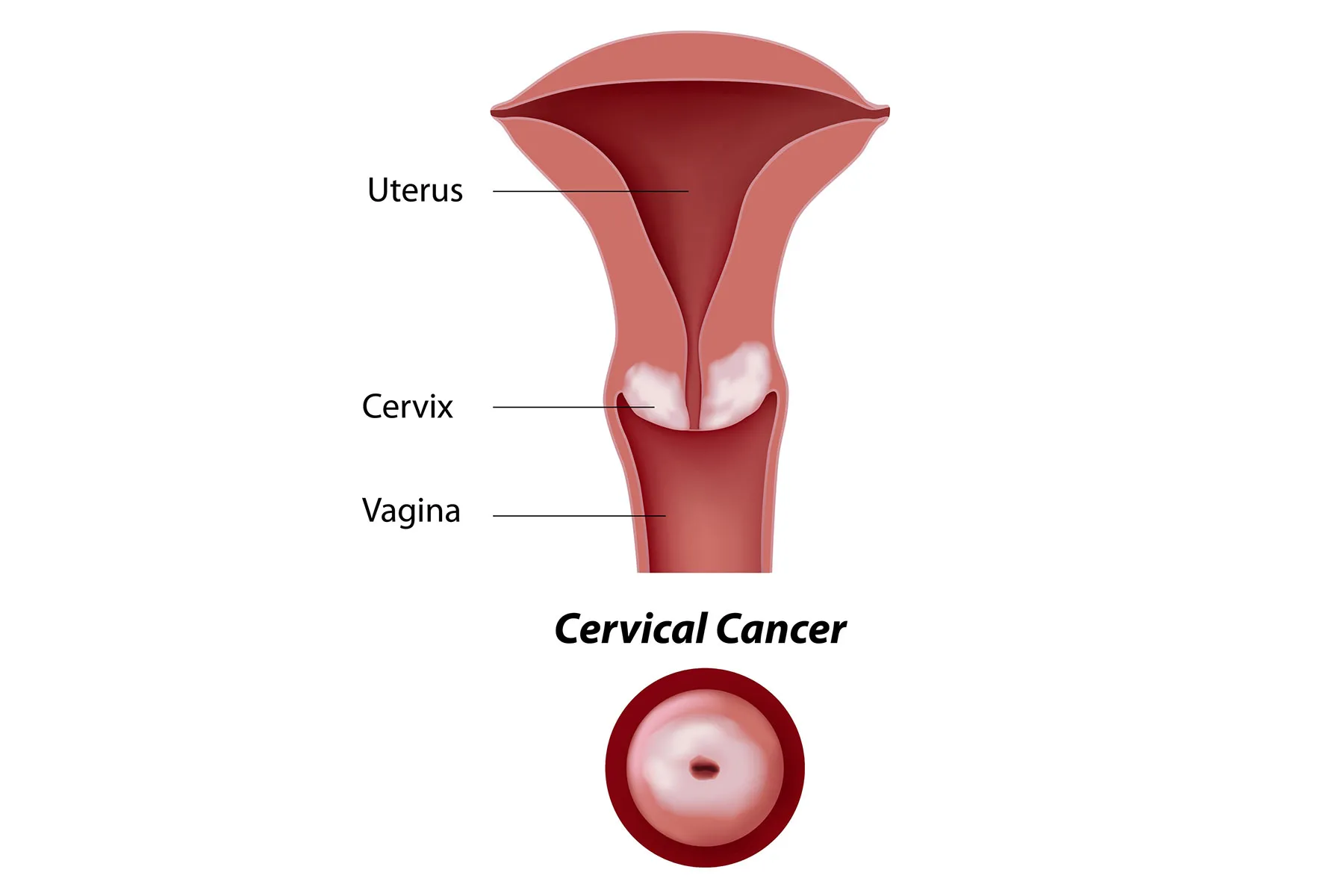
Cervical cancer (Ca cervix) is the fourth most common cancer among women worldwide. In Kenya, it remains a leading cause of cancer-related deaths due to limited screening and vaccination coverage. The primary cause is persistent infection with high-risk human papillomavirus (HPV), but the disease is highly preventable with vaccination and early detection.
🔑 Key Facts
Cause: Almost all cases are linked to persistent HPV infection.
Global burden: Around 660,000 new cases and 350,000 deaths were reported in 2022, with the highest incidence in sub-Saharan Africa.
Kenya context: Cervical cancer is the second most common cancer among women, after breast cancer, with high mortality rates.
Types of cervical cancer:
Squamous cell carcinoma: 80–90% of cases
Adenocarcinoma: 10–20% of cases
⚠️ Symptoms to Watch
Early detection is critical, as cervical cancer may initially be asymptomatic. Common warning signs include:
Abnormal vaginal bleeding (after intercourse, between periods, or post-menopause)
Foul-smelling or watery vaginal discharge
Pelvic or back pain, or leg swelling
Pain during sexual intercourse
In advanced disease, urinary or bowel problems may occur
🧪 Diagnosis
Cervical cancer is diagnosed through a combination of screening and confirmatory tests:
Pap smear (Pap test): Detects precancerous changes in cervical cells
HPV testing: Identifies high-risk HPV strains
Colposcopy and biopsy: Confirms the presence of cancerous cells
Imaging (CT, MRI): Determines the extent and staging of the disease
📊 Staging Overview
Stage Description
I Cancer confined to the cervix
II Spread beyond the cervix but not to pelvic wall or lower vagina
III Spread to pelvic wall, lower vagina, or lymph nodes
IV Spread to bladder, rectum, or distant organs
💉 Prevention
Cervical cancer is largely preventable through vaccination and regular screening:
HPV vaccination: Recommended for girls aged 9–14, ideally before sexual debut
Screening: Pap smear or HPV testing starting at age 25–30 (earlier for HIV-positive women)
Lifestyle measures: Avoid smoking, practice safe sex, and manage HIV effectively
🩺 Treatment Options
Treatment depends on the stage of disease:
Precancerous lesions: Cryotherapy, thermal ablation, LEEP, or cone biopsy
Early-stage cancer: Surgical options such as hysterectomy or trachelectomy
Advanced cancer: Radiotherapy, chemotherapy, or combination therapy
Palliative care: Pain management and supportive care for late-stage disease
🌍 WHO Global Strategy (2030 Targets)
The World Health Organization aims to eliminate cervical cancer as a public health problem through these targets:
90% of girls fully vaccinated against HPV by age 15
70% of women screened by ages 35 and 45
90% of women with precancerous lesions or cervical cancer receiving treatment
Takeaway: Cervical cancer is highly preventable through vaccination, screening, and early treatment. Awareness of symptoms and timely medical intervention can save lives, especially in high-burden countries like Kenya.
🔑 Key Facts
Cause: Almost all cases are linked to persistent HPV infection.
Global burden: Around 660,000 new cases and 350,000 deaths were reported in 2022, with the highest incidence in sub-Saharan Africa.
Kenya context: Cervical cancer is the second most common cancer among women, after breast cancer, with high mortality rates.
Types of cervical cancer:
Squamous cell carcinoma: 80–90% of cases
Adenocarcinoma: 10–20% of cases
⚠️ Symptoms to Watch
Early detection is critical, as cervical cancer may initially be asymptomatic. Common warning signs include:
Abnormal vaginal bleeding (after intercourse, between periods, or post-menopause)
Foul-smelling or watery vaginal discharge
Pelvic or back pain, or leg swelling
Pain during sexual intercourse
In advanced disease, urinary or bowel problems may occur
🧪 Diagnosis
Cervical cancer is diagnosed through a combination of screening and confirmatory tests:
Pap smear (Pap test): Detects precancerous changes in cervical cells
HPV testing: Identifies high-risk HPV strains
Colposcopy and biopsy: Confirms the presence of cancerous cells
Imaging (CT, MRI): Determines the extent and staging of the disease
📊 Staging Overview
Stage Description
I Cancer confined to the cervix
II Spread beyond the cervix but not to pelvic wall or lower vagina
III Spread to pelvic wall, lower vagina, or lymph nodes
IV Spread to bladder, rectum, or distant organs
💉 Prevention
Cervical cancer is largely preventable through vaccination and regular screening:
HPV vaccination: Recommended for girls aged 9–14, ideally before sexual debut
Screening: Pap smear or HPV testing starting at age 25–30 (earlier for HIV-positive women)
Lifestyle measures: Avoid smoking, practice safe sex, and manage HIV effectively
🩺 Treatment Options
Treatment depends on the stage of disease:
Precancerous lesions: Cryotherapy, thermal ablation, LEEP, or cone biopsy
Early-stage cancer: Surgical options such as hysterectomy or trachelectomy
Advanced cancer: Radiotherapy, chemotherapy, or combination therapy
Palliative care: Pain management and supportive care for late-stage disease
🌍 WHO Global Strategy (2030 Targets)
The World Health Organization aims to eliminate cervical cancer as a public health problem through these targets:
90% of girls fully vaccinated against HPV by age 15
70% of women screened by ages 35 and 45
90% of women with precancerous lesions or cervical cancer receiving treatment
Takeaway: Cervical cancer is highly preventable through vaccination, screening, and early treatment. Awareness of symptoms and timely medical intervention can save lives, especially in high-burden countries like Kenya.