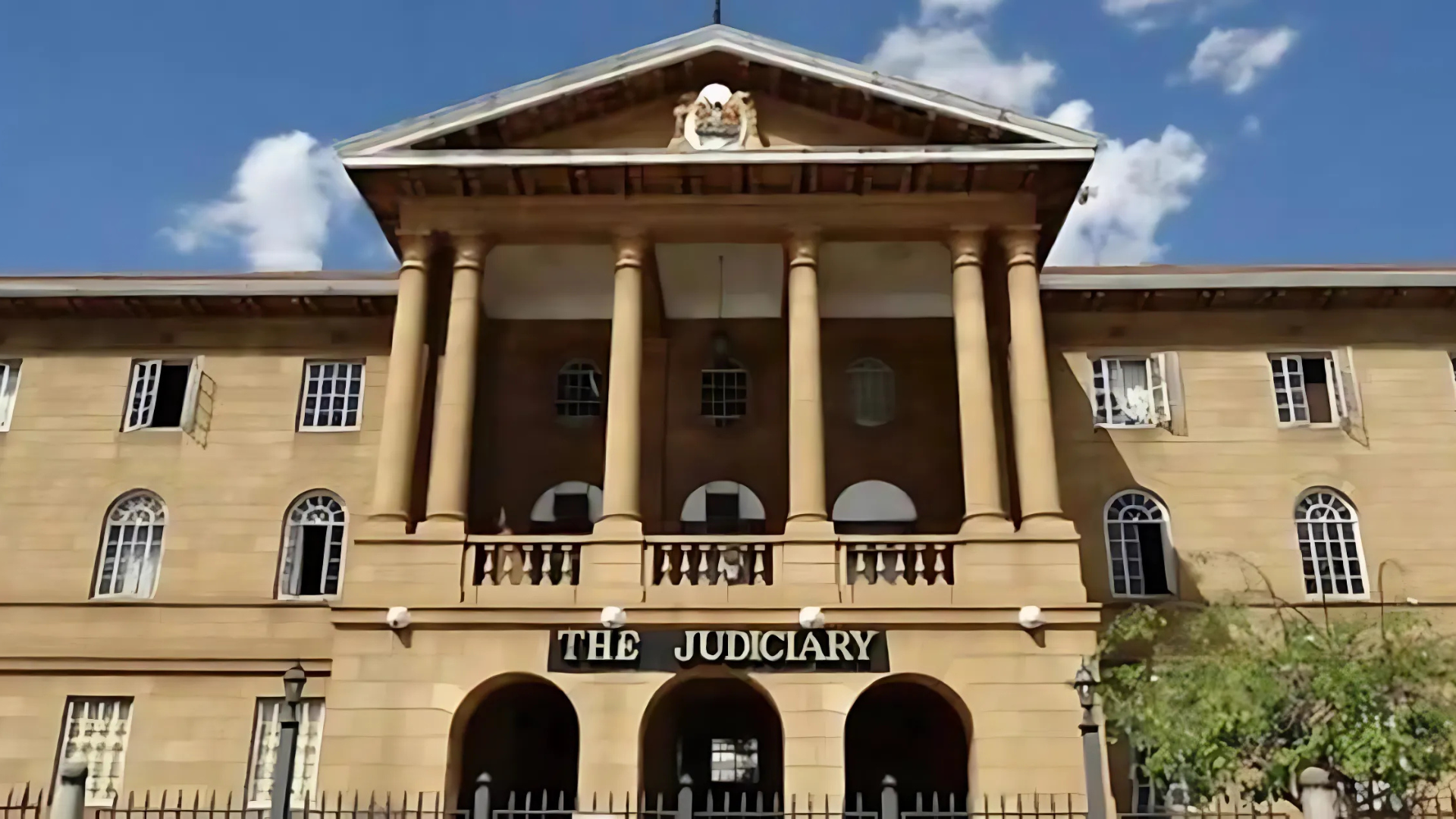
The High Court has issued conservatory orders temporarily stopping the construction of permanent religious buildings, including churches, within the precincts of State House, Nairobi, and other official government residences across the country.
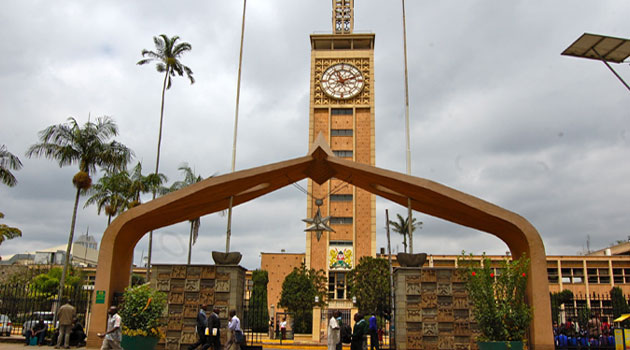
The ruling was delivered by Justice Mwita of the Milimani Law Courts’ Constitutional and Human Rights Division, following a petition filed on August 20, 2025, by Transparency International Kenya, the Kenya Human Rights Commission (KHRC), and two other lobby groups.
The petitioners raised concerns over the constitutional and legal implications of erecting religious structures within government facilities, arguing that such actions may contravene the principle of state neutrality in religious affairs as enshrined in the Constitution.
In their submission, the lobby groups contended that constructing religious infrastructure in public spaces such as State House blurs the line between religion and state functions, potentially undermining the secular character of the state. They emphasized that public offices and residences, which are funded by taxpayers, should not appear to endorse or privilege any particular faith.
Justice Mwita, while issuing the temporary orders, noted that the petition raised weighty constitutional questions that warranted urgent judicial attention. He stated that the issues outlined were serious in nature and required immediate intervention to prevent actions that might render the case nugatory before its full determination.
“The pleadings before this court raise matters of significant constitutional concern touching on the relationship between religion and the state. The issues require careful legal scrutiny, and as such, conservatory orders are necessary at this stage,” the judge observed.
The respondents in the case, whose identities were not immediately disclosed in court, have been directed to file and serve their responses to both the application and the petition within seven days. This will allow all parties an opportunity to present their arguments before the matter proceeds further.
Justice Mwita scheduled the case for highlighting of submissions on November 18, 2025. The hearing is expected to determine whether the temporary orders should be upheld pending the full hearing and determination of the petition.
The case has attracted significant public interest, particularly because of the symbolic role of State House as the seat of the presidency and its function as an official government residence. Questions surrounding the use of public land and facilities for religious purposes have long been a subject of debate in Kenya, a country that recognizes freedom of worship but also upholds the principle of separation between religion and state.
The decision by the High Court is expected to set an important precedent on the extent to which religious practices and infrastructure can be accommodated within state-owned institutions. For now, the conservatory orders remain in place, effectively halting any ongoing or planned construction of permanent religious buildings within State House or other government residences until the matter is resolved in court.
By: Ogonyo Centrine