26 February 2026:
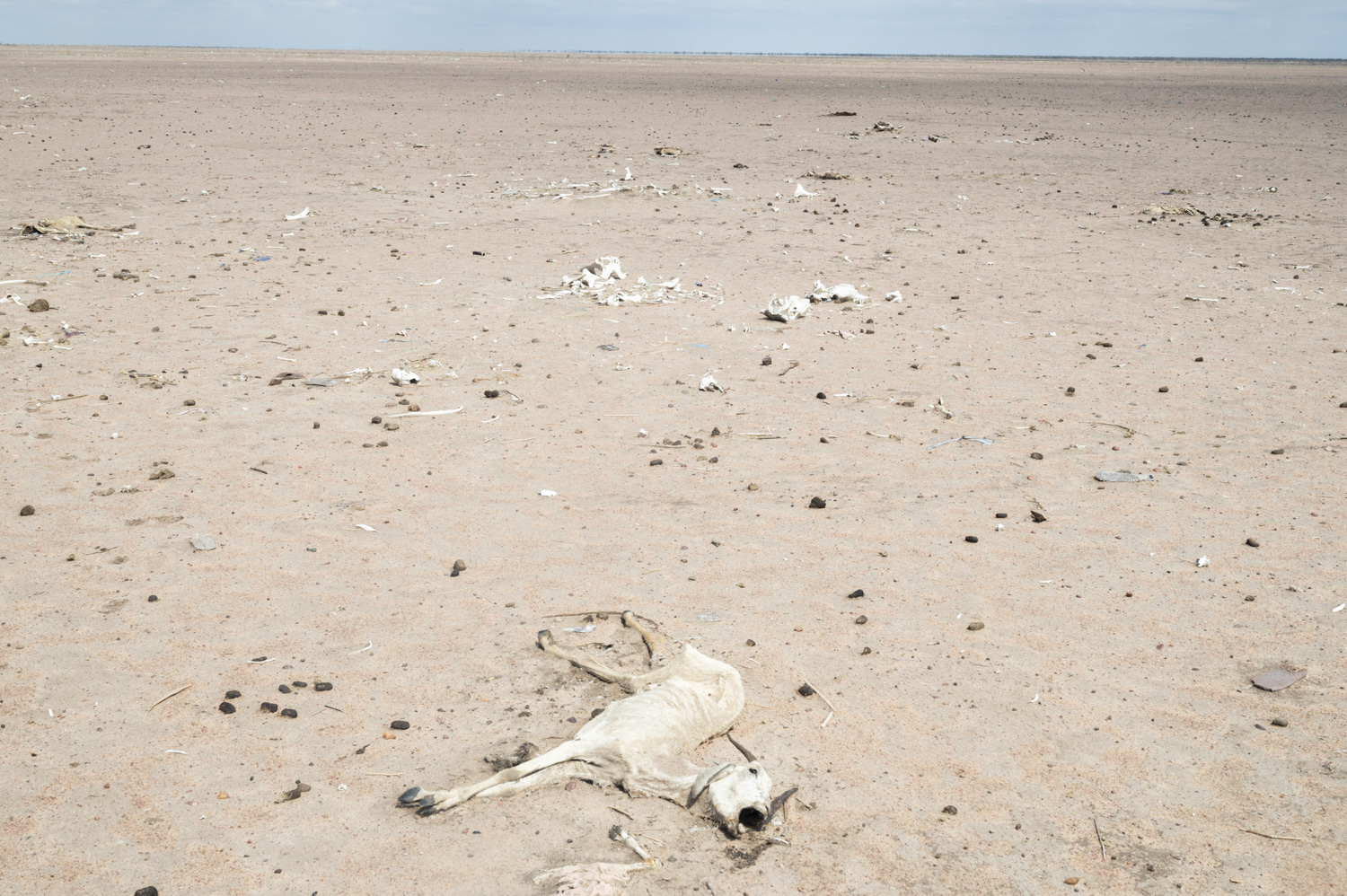
A worsening drought in northern Kenya has pushed thousands of families to the brink of hunger, as shrinking humanitarian funding compounds the effects of prolonged dry conditions across arid and semi-arid regions.
A worsening drought in northern Kenya has pushed thousands of families to the brink of hunger, as shrinking humanitarian funding compounds the effects of prolonged dry conditions across arid and semi-arid regions.
Counties including Turkana County, Marsabit County, and Garissa County are among the hardest hit, with residents reporting failed rains, dying livestock, and rising food prices.
🌧️ Failed Rains, Failing Livelihoods
The drought follows below-average rainfall in recent seasons, leaving pasturelands depleted and water sources dried up. In pastoralist communities, where livestock is the primary source of income and food, animal deaths have significantly reduced household resilience.
Local leaders say families are now forced to walk longer distances in search of water, while children face increased risk of malnutrition as food supplies dwindle.
📉 Aid Cuts Worsen the Crisis
Humanitarian agencies warn that funding shortfalls have limited emergency food distribution and nutrition support programs. With global aid budgets under strain, relief operations in Kenya have scaled back in several drought-affected areas.
Aid groups report that:
- Food assistance programs have been reduced in coverage
- School feeding programs face uncertainty
- Health facilities are seeing more malnutrition-related cases
Without urgent funding, agencies fear the situation could deteriorate further in the coming months.
🍞 Rising Food Prices
The drought has also disrupted local markets. Reduced livestock productivity and crop failures have driven up prices of staple foods such as maize and beans. For already vulnerable households, the rising cost of living is pushing many deeper into poverty.
In some communities, residents are relying on less nutritious food alternatives or skipping meals altogether.
🏛️ Government Response
The national government has indicated it is monitoring the situation and coordinating with county administrations and humanitarian partners. Relief measures include:
🍞 Rising Food Prices
The drought has also disrupted local markets. Reduced livestock productivity and crop failures have driven up prices of staple foods such as maize and beans. For already vulnerable households, the rising cost of living is pushing many deeper into poverty.
In some communities, residents are relying on less nutritious food alternatives or skipping meals altogether.
🏛️ Government Response
The national government has indicated it is monitoring the situation and coordinating with county administrations and humanitarian partners. Relief measures include:
- Water trucking in severely affected areas
- Livestock support programs
- Food assistance for vulnerable households
However, experts stress that long-term solutions — such as climate-resilient agriculture, water infrastructure development, and sustainable livelihood diversification — are critical to reducing repeated drought impacts.
🔍 Climate Change Concerns
Climate experts note that extreme weather events, including prolonged droughts followed by intense rainfall, are becoming more frequent in the Horn of Africa due to climate change. Northern Kenya remains particularly vulnerable because of its reliance on rain-fed systems and pastoral economies.
As drought tightens its grip and aid resources thin out, communities in northern Kenya face mounting uncertainty. The coming weeks will be crucial in determining whether emergency interventions can stabilize the situation before it escalates into a full-scale humanitarian crisis
🔍 Climate Change Concerns
Climate experts note that extreme weather events, including prolonged droughts followed by intense rainfall, are becoming more frequent in the Horn of Africa due to climate change. Northern Kenya remains particularly vulnerable because of its reliance on rain-fed systems and pastoral economies.
As drought tightens its grip and aid resources thin out, communities in northern Kenya face mounting uncertainty. The coming weeks will be crucial in determining whether emergency interventions can stabilize the situation before it escalates into a full-scale humanitarian crisis