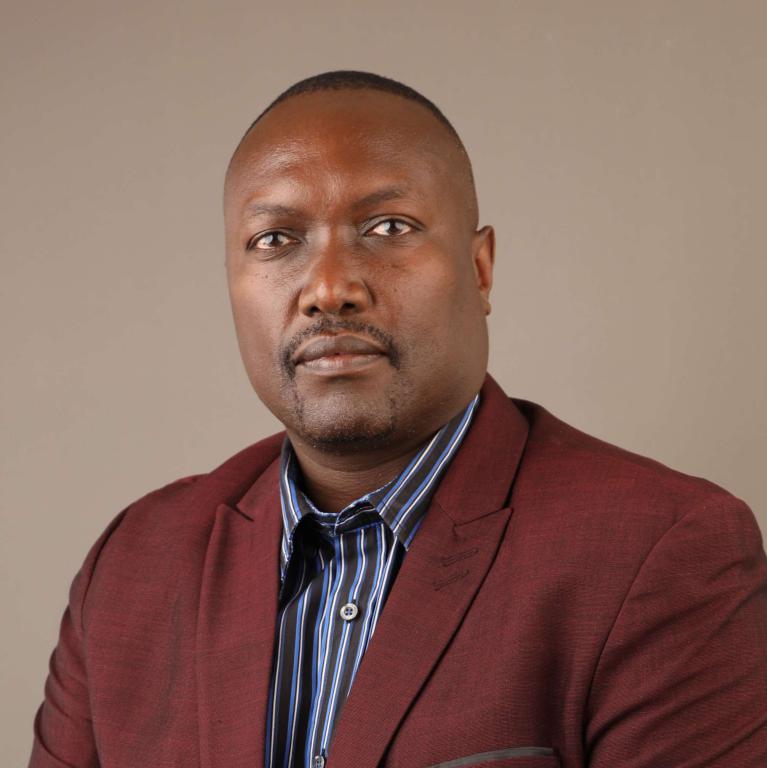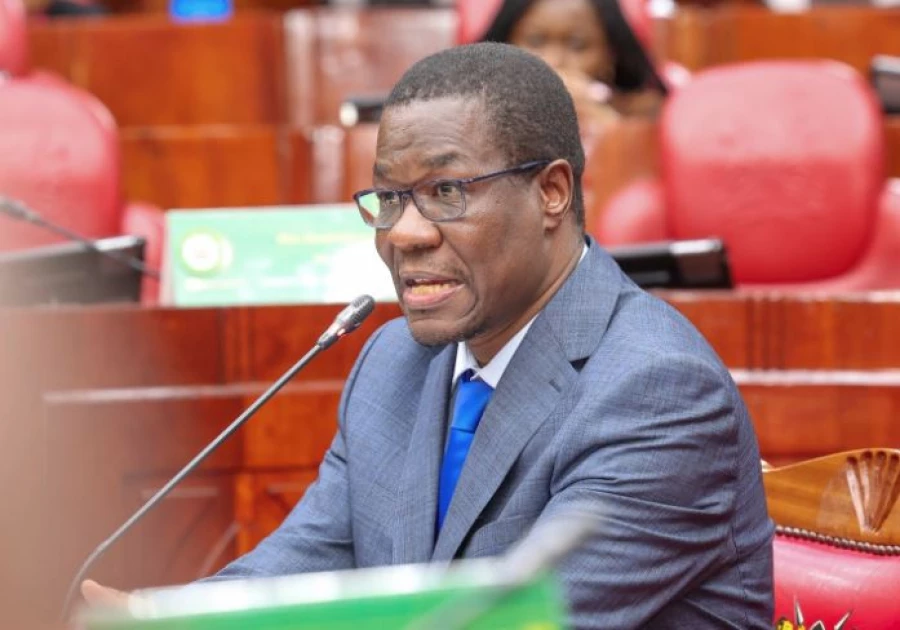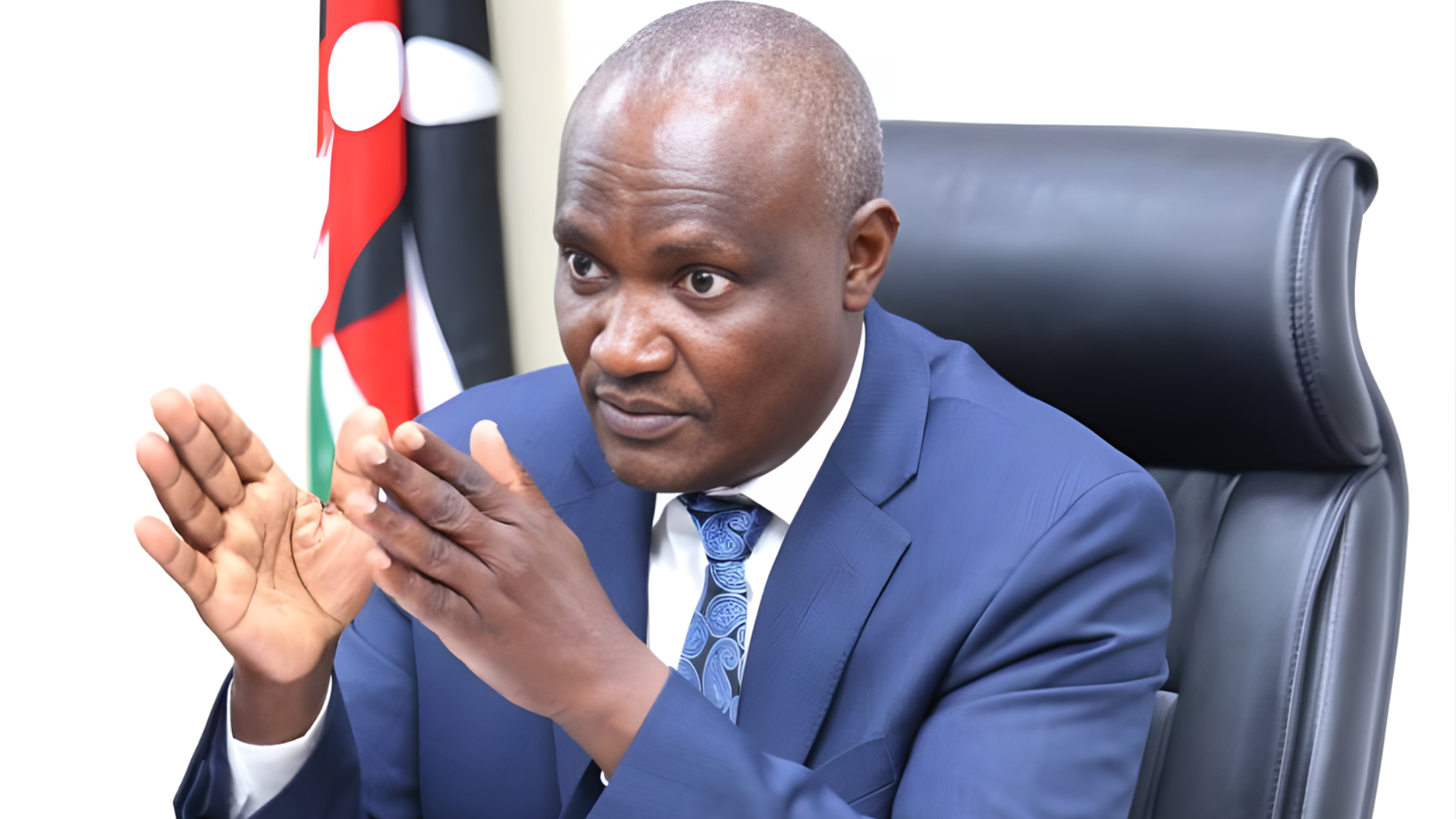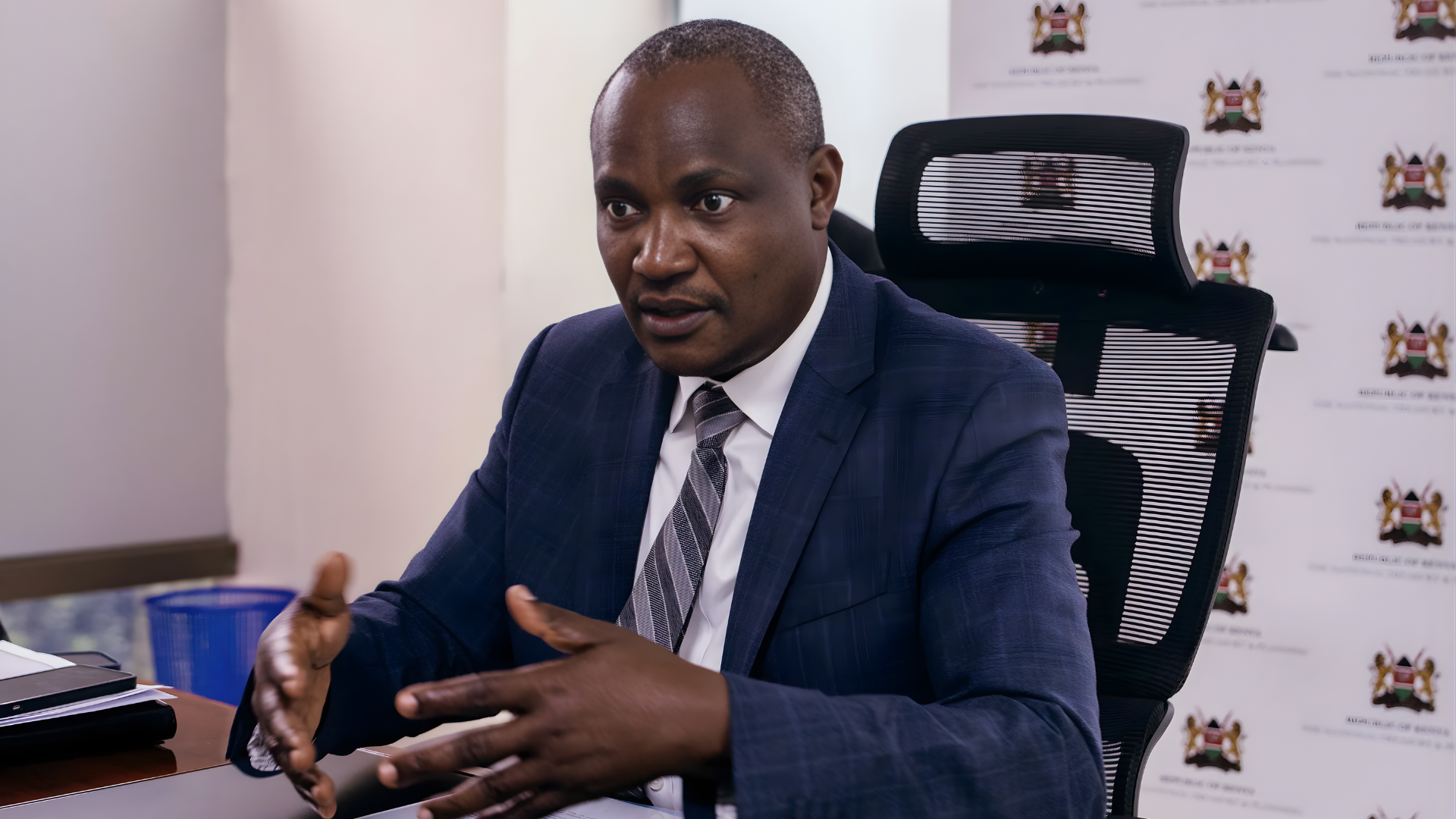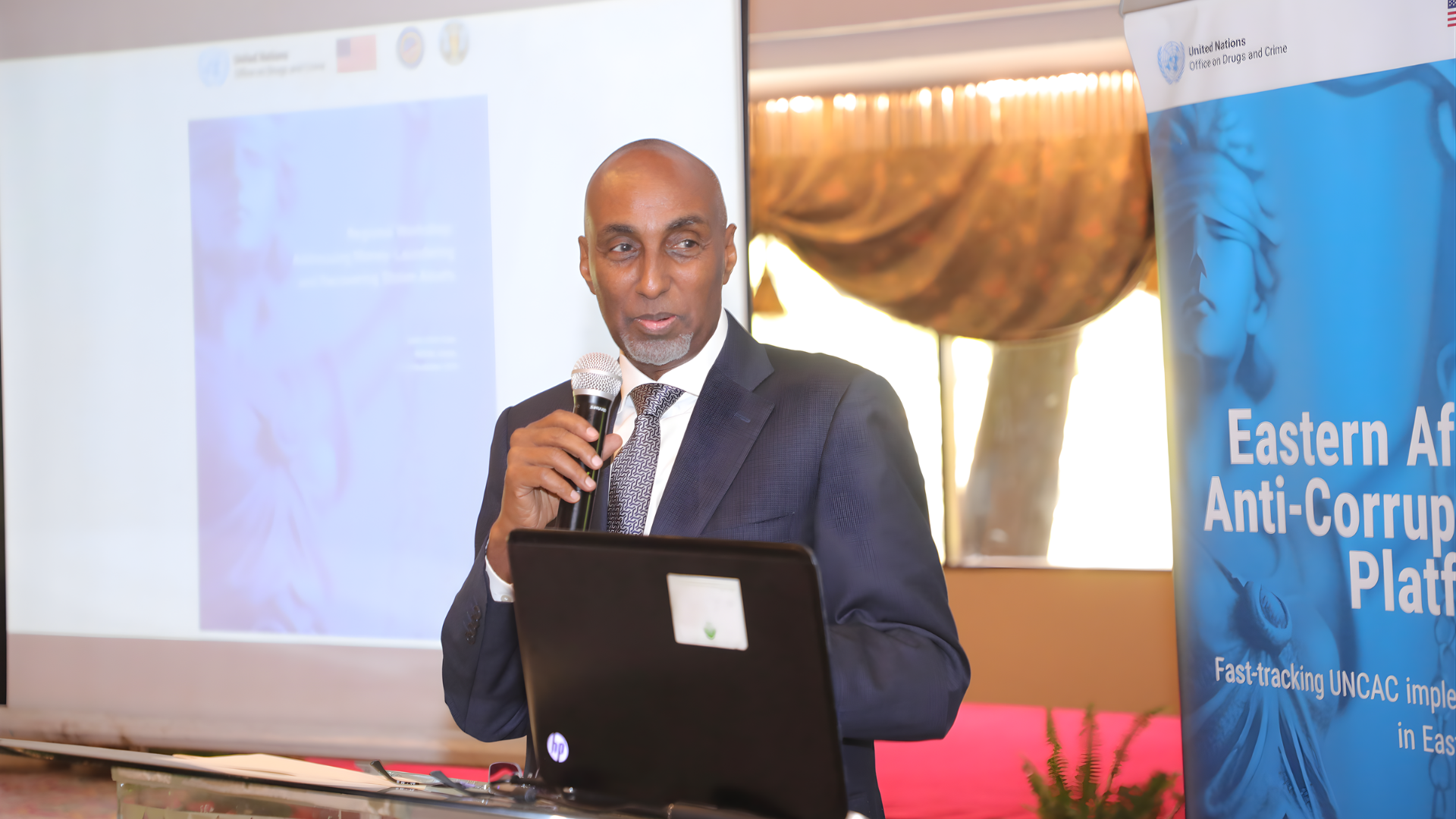
The glass-fronted headquarters of the Ethics and Anti-Corruption Commission on Nairobi's Integrity Centre Road, where the hum of servers storing digital declarations mingles with the quiet resolve of investigators poring over financial trails, became the epicenter of a nationwide accountability drive on November 12, 2025. In a sternly worded circular dispatched to 500,000 state and public officers—from cabinet secretaries to village elders—EACC CEO Abdi Mohamud announced that the 2025 wealth declaration cycle, governed for the first time by the newly enacted Conflict of Interest Act, 2025, must be completed by December 31, with zero tolerance for inaccuracies or omissions. "This is not a ritual; it is a reckoning—every shilling, every plot, every vehicle must be laid bare, for you are personally accountable under the law," Mohamud stated during a press briefing in the commission's seventh-floor boardroom, his gaze sweeping over journalists scribbling notes beneath portraits of past chairpersons who had waged war on graft. "The Act demands transparency as a shield against conflict; evasion is not an option, and falsehoods will be felled by the full force of the law."
The directive, rooted in Section 27 of the Public Officer Ethics Act, 2003, as amplified by the Conflict of Interest Act gazetted in July 2025 after parliamentary debates that saw 45 amendments tabled, marks a seismic shift in Kenya's anti-corruption architecture. For the first time, declarations extend beyond the biennial cadence to an annual mandate, capturing not just static assets but dynamic income streams—salaries, dividends, rentals, and gifts exceeding Sh50,000. The online portal, revamped with blockchain verification and AI anomaly detection, went live on November 1, requiring officers to log in via e-citizen credentials and upload certified bank statements, land title deeds, and vehicle logbooks. "Accuracy is your armor; inaccuracy, your Achilles," Mohamud warned, citing penalties under the new Act: fines up to Sh5 million, imprisonment for seven years, or both for false declarations, plus automatic disqualification from public office for a decade.
The rollout targets a sprawling cohort: 22 cabinet secretaries, 47 principal secretaries, 290 parastatal CEOs, 1,450 county assembly members, 47 governors, and down to 50,000 procurement officers and 400,000 teachers under TSC contracts. Mohamud, whose tenure since 2023 has seen 120 high-profile recoveries worth Sh15 billion, framed it as preventive medicine. "Conflict breeds corruption—when a PS awards a tender to his cousin's firm, or a governor leases county land to his trust, the public pays the price," he elaborated, projecting slides showing 2024 cases where undeclared interests led to Sh2 billion in rigged contracts. The Act's novelty lies in its "cooling-off" clause: officers exiting public service must declare for three subsequent years, closing revolving-door loopholes that saw 15 former PSs join bidder firms in 2024.
Compliance, Mohamud stressed, is non-negotiable, with EACC deploying 200 field officers for spot-checks and partnering with KRA for tax cross-verification. "We will audit 10 percent randomly—bank flows, CRA searches, lifestyle audits. Discrepancies trigger investigations within 48 hours," he assured, his tone a blend of bureaucrat and bloodhound. The portal, tested on 5,000 pilot declarants in October, boasts 256-bit encryption and facial recognition to thwart proxies, with helplines in Swahili and local dialects manning 24/7 queries. "My salary is Sh80,000; how do I declare a cow gifted at my daughter's dowry?" wondered Jane Wambui, a 45-year-old chief in Kiambu, echoing 10,000 similar calls logged in week one. EACC's response: value at market rate—Sh60,000—and list under "gifts."
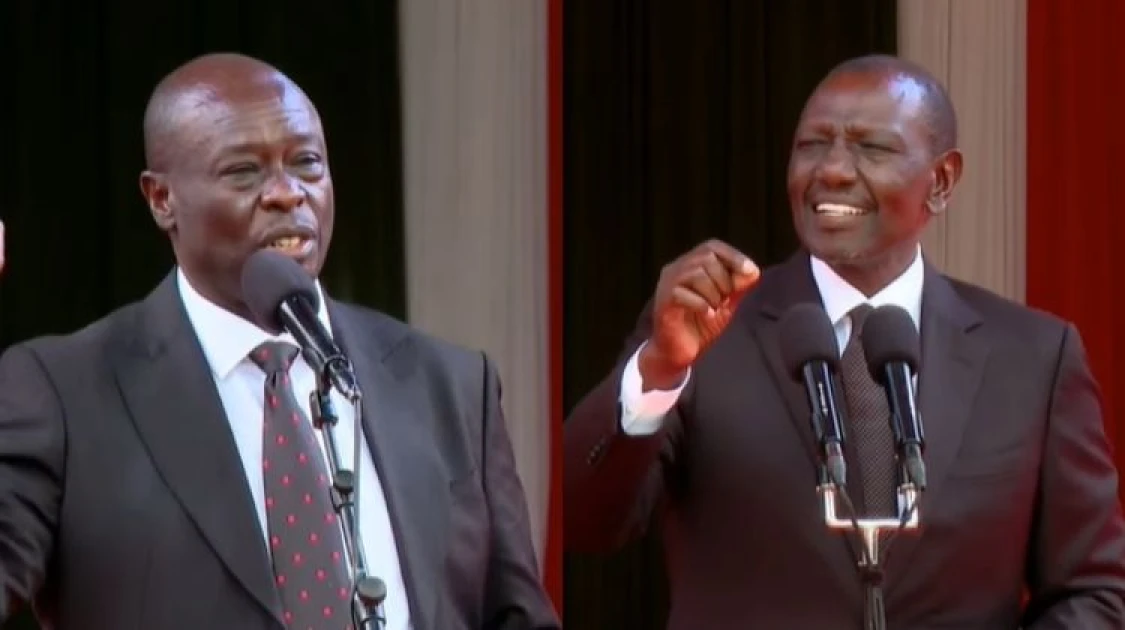
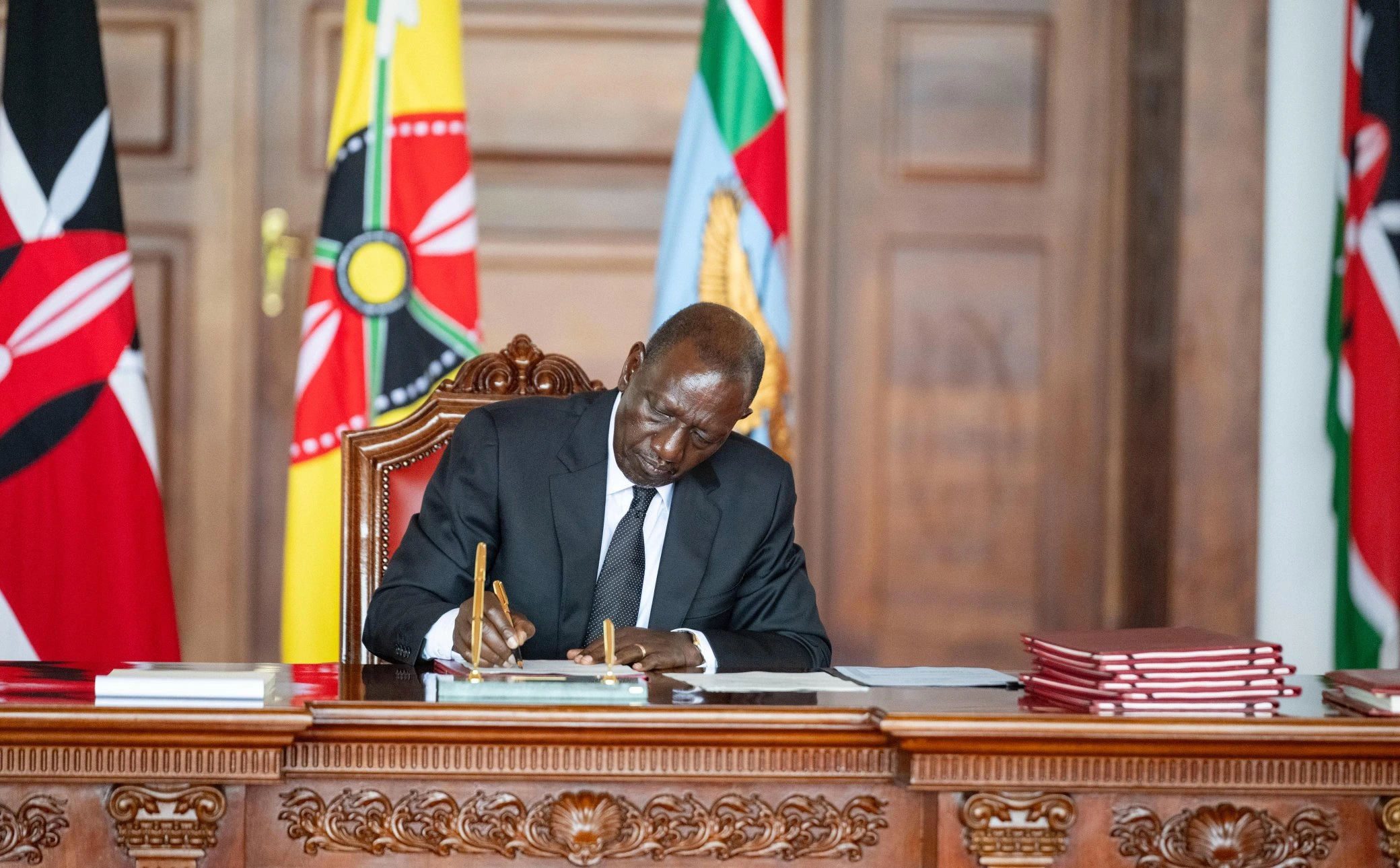
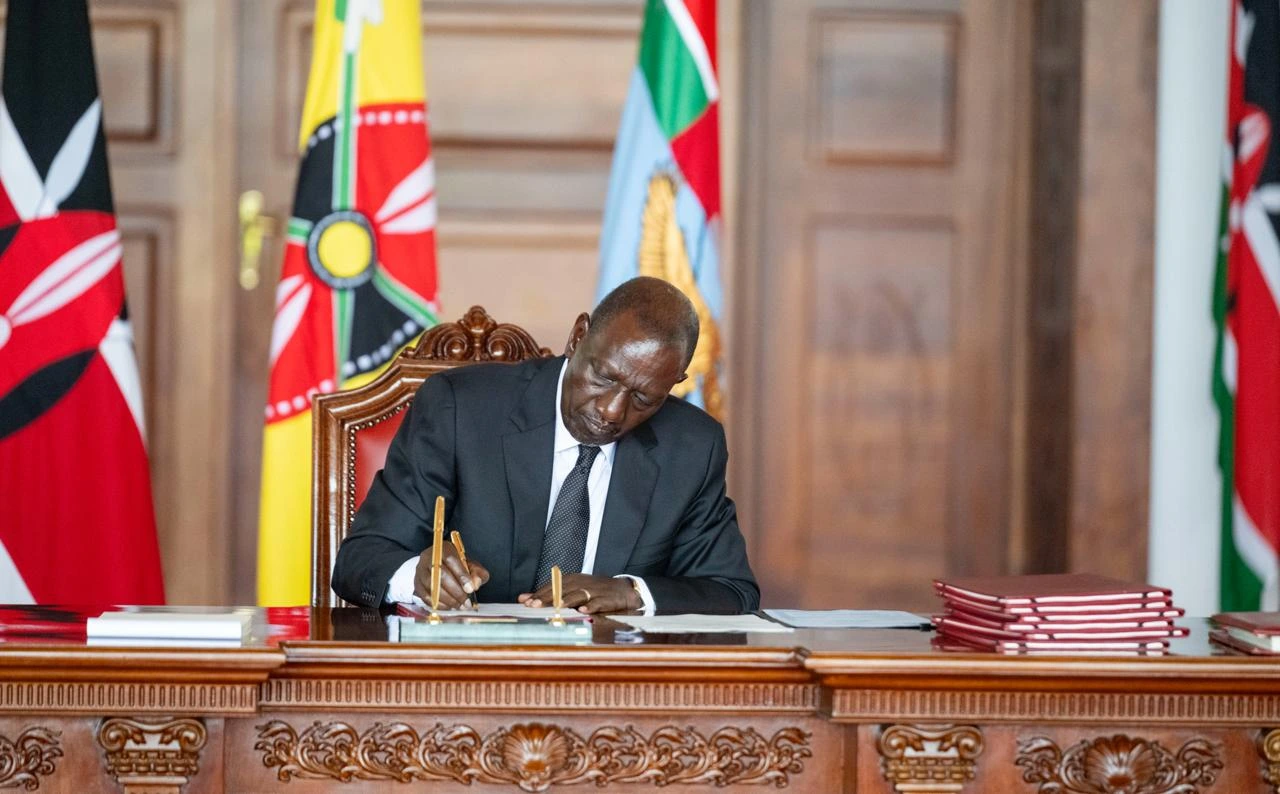
The Act's genesis traces to 2023 scandals: a CS caught with Sh500 million in offshore accounts undeclared, a governor whose Sh200 million hotel chain clashed with county tourism contracts. Parliament, under Speaker Amason Kingi's stewardship, fast-tracked it post-Ruto's 2024 State of the Nation pledge for "total transparency." "This law is our scalpel—cutting conflicts before they metastasize," Mohamud reflected, citing Rwanda's model where annual declarations reduced graft 40 percent since 2018. For officers, the stakes are personal: President Ruto led by example, filing his November 5 declaration listing State House perks, 15 properties, and Weston Hotel shares, urging peers via X: "Declare fully—integrity is our inheritance."
Yet, murmurs of burden ripple through corridors. In county headquarters, assembly clerks juggle spreadsheets: "I have 12 bank accounts from youth funds—declaring each feels like confession," confided a Machakos MCA. Mohamud countered with grace periods: extensions to January 15 for technical hitches, amnesty for honest errors in first filings. EACC's arsenal includes lifestyle audits—comparing declared assets to visible wealth like Sh50 million homes on Sh200,000 salaries—and third-party reporting portals for whistleblowers. "Your neighbor's Mercedes, your child's UK school fees—if undeclared, we investigate," Mohamud warned, his 2024 recovery of Sh3 billion from a parastatal CEO's undeclared Dubai villa a cautionary tale.
The declaration form, a 45-field digital beast, demands granularity: income sources with PAYE slips, assets with valuation reports, liabilities with loan statements. Spouses and dependents over 18 must co-declare, closing family-front loopholes. "My wife runs a boutique; do I list her stock?" asked a PS in a November 10 sensitization webinar attended by 2,000 officers. Answer: yes, if over Sh1 million. EACC's training roadshows—Nairobi November 15, Mombasa 18, Kisumu 20—draw 5,000 daily, with FAQs in pamphlets: "Crypto holdings? Declare at acquisition cost. Inheritance? Value at receipt."
For junior officers, the exercise is empowerment. "As a teacher, declaring my Sh40,000 plot builds my credit profile—banks see transparency," noted TSC's Mary Njeri from Nyeri. Seniors, however, navigate minefields: a CS with 50 directorships must recuse from related tenders, flagged automatically by the portal's AI. Mohamud's vision: a public dashboard by March 2026 anonymizing data but flagging outliers—Sh1 billion assets on Sh500,000 salary triggers red alerts.
As December 31 looms, EACC's call centers brace for 100,000 daily logins, servers scaled to handle 1 million submissions. "This is Kenya's mirror—gaze honestly, or governance gazes back," Mohamud closed, his briefing a clarion for a nation weary of scandals. In offices from State House to sub-county wards, keyboards clack with confessions: incomes itemized, assets accounted—a digital detox where wealth's weight meets whistleblower's watch, and the Conflict of Interest Act forges fidelity from fear.
The portal's blockchain ledger, immutable and auditable, stores declarations for 50 years. EACC's 2026 report will rank compliance—counties, ministries, parastatals—with shaming for laggards. Ruto's November 5 filing: 22 assets, Sh2.1 billion net worth, no liabilities. Mohamud's own: modest Ngong home, TSC pension. For Wambui the chief, declaration done: "My cow is now official—transparency tastes like tea with milk." In Kenya's unyielding quest, where graft's ghosts haunt budgets, EACC's deadline endures as dawn—a December reckoning where officers own their ounces, and the public owns the truth.