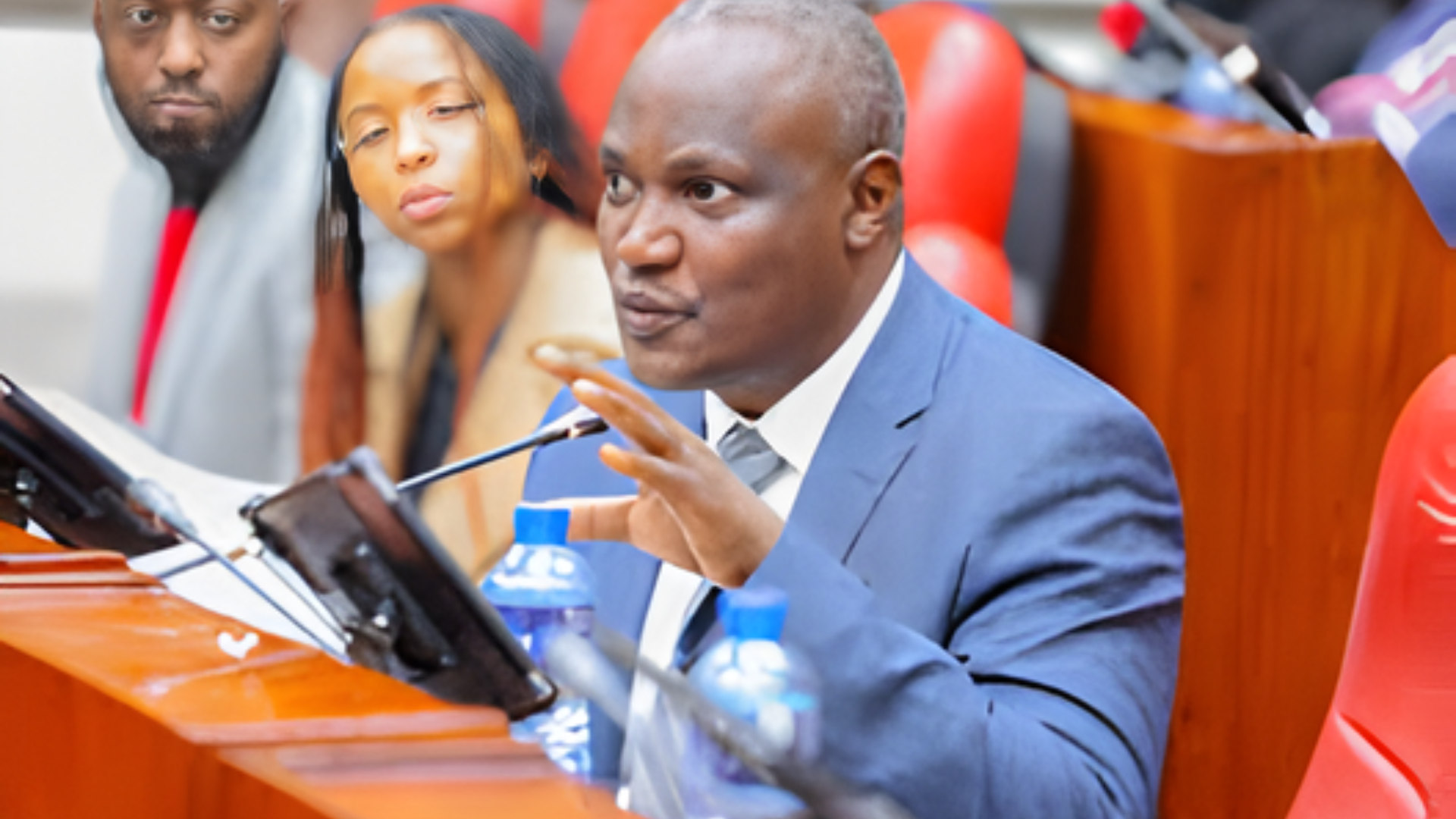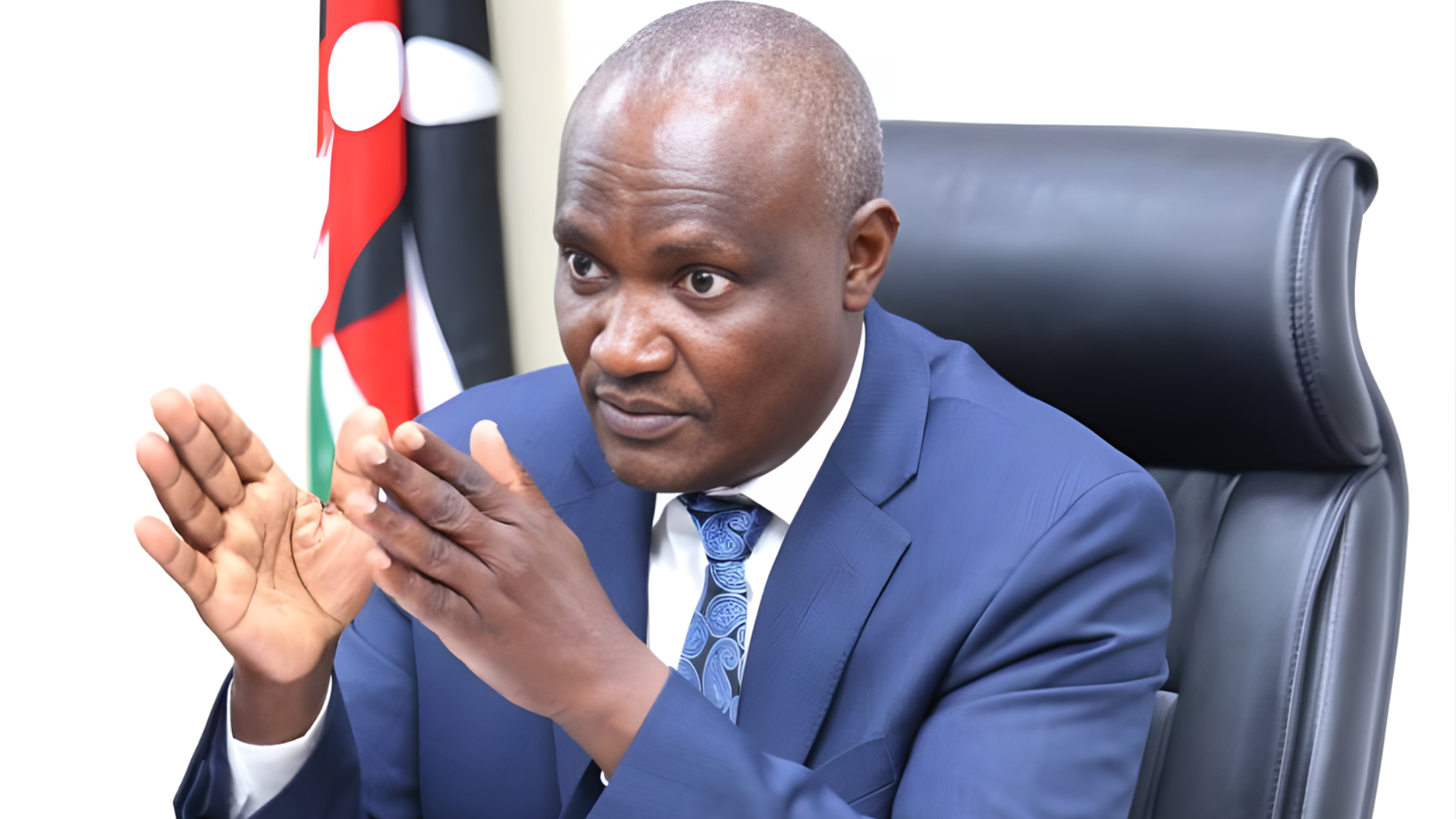
The fluorescent-lit boardrooms of the Energy and Petroleum Regulatory Authority's headquarters in Nairobi's Industrial Area, where the hum of fluorescent lights mingles with the rustle of economic forecasts and tariff spreadsheets, have long been the nerve center for decisions that ripple through every Kenyan household and factory floor. On the morning of November 17, 2025, as the city stirred under a veil of morning mist, EPRA Director General Pavel Oimeke convened a press briefing to announce a tariff adjustment that would send shockwaves through the nation's power meters: an increase of Ksh 4.78 per kilowatt-hour (kWh) for all electricity consumers, effective for meter readings taken in November. The hike, a composite of escalated fuel energy costs, foreign exchange fluctuations, and a newly imposed Water Resource Management Authority (WRMA) levy, translates to an additional Ksh 237.5 on the bills of households consuming the average 50 units monthly— a burden compounded by the standard 16 percent VAT, 3-cent EPRA levy, 5 percent Rural Electrification Programme (REP) levy, and semiannual inflation adjustments. "This adjustment is a reflection of the economic realities we face—rising global fuel prices, a volatile shilling, and the imperative to fund water infrastructure for sustainable hydropower," Oimeke explained, his tone a measured blend of bureaucratic necessity and empathetic acknowledgment as he gestured to a projected graph showing the incremental climb. "We understand the strain on families and businesses, but these measures ensure the sector's viability while protecting consumers from even steeper future shocks."
Oimeke's disclosure, delivered to a room packed with 40 journalists from outlets like Nation Media and KTN, and streamed to 5,000 viewers via the EPRA YouTube channel, breaks down into three key components pursuant to Clause 1 of Part III of the Schedule of Tariffs 2023. The fuel energy cost charge rises to plus 381 Kenya cents per kWh, up from 369 cents in October, driven by a 12 percent spike in global heavy fuel oil prices amid Middle East tensions and a 5 percent increase in thermal generation reliance to offset erratic hydro inflows from the Seven Forks dams. "Hydropower, our clean backbone at 50 percent of supply, dipped to 35 percent in October due to below-average rains—thermal backups cost more, and we pass that on proportionally," Oimeke detailed, citing the Energy and Petroleum Regulatory Authority's mandate under the Energy Act 2019 to balance producer viability with consumer protection. The foreign exchange fluctuation adjustment climbs to plus 95.89 cents per kWh, reflecting the shilling's 2.5 percent depreciation against the dollar in the past month, which inflated import costs for spare parts and diesel generators by Sh15 billion annually. "The shilling's slide is global—US Fed rates at 4.75 percent pull currencies; we adjust quarterly to shield Kenya Power from bankruptcy," he added, his slide showing a 1.59 billion shilling gain in September offset by November's losses.
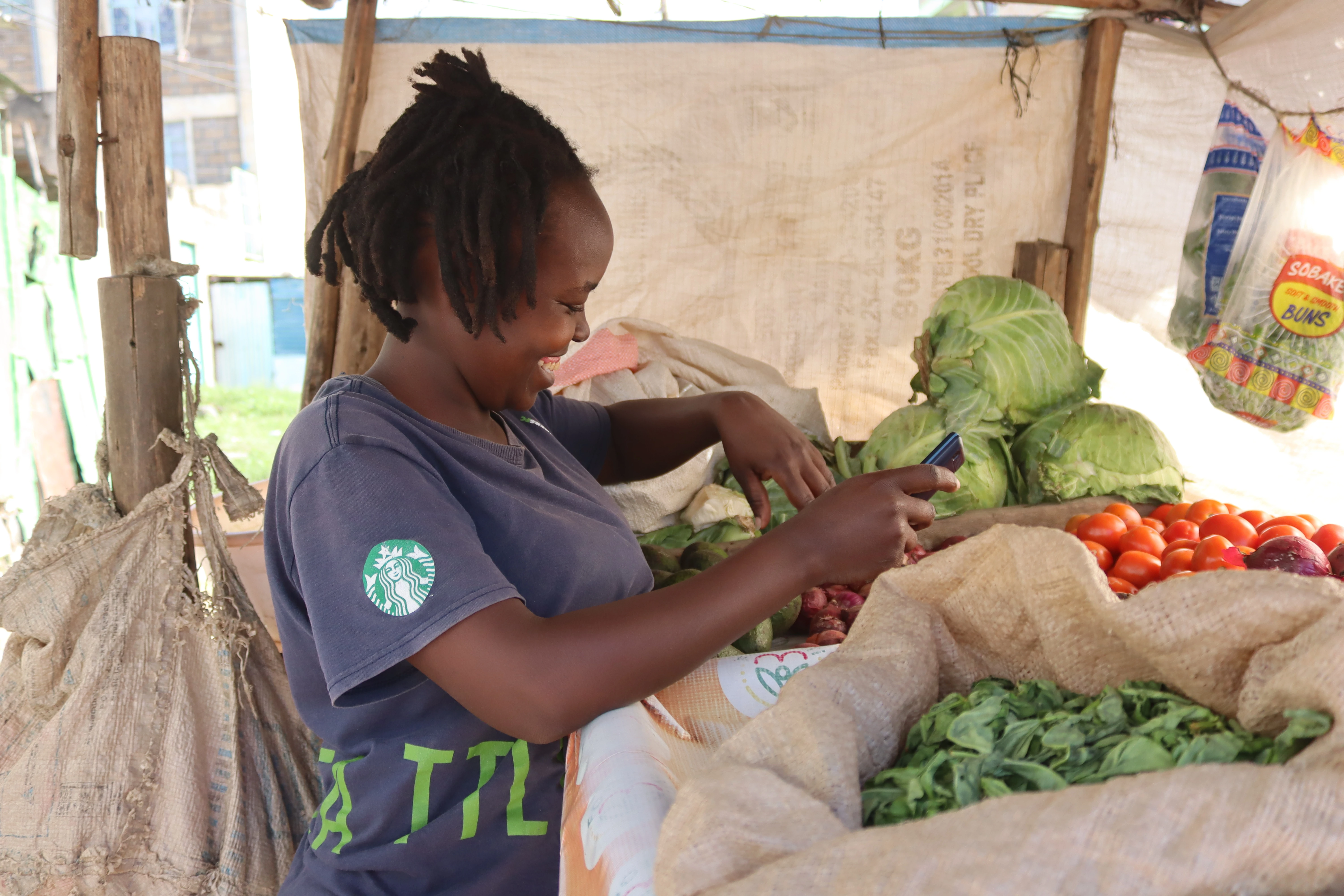
Rounding the trio is the WRMA levy of plus 1.29 cents per kWh, a new charge pursuant to Clause 5 of Part III to fund watershed management for hydropower sustainability, including reforestation along the Tana River basin that supplies 70 percent of Kenya's electricity. "Water is our power source—dams like Kamburu and Gitaru need protected catchments; this levy ensures that," Oimeke justified, projecting a Sh2.3 billion annual collection to combat siltation that reduced generation capacity by 15 percent since 2020. For the typical household consuming 50 units—the national average per Kenya Power's 2024 survey—the net impact is Ksh 237.5, layered atop the base rate of Ksh 20.50 per kWh, pushing total costs to Ksh 25.28 before levies. Add 16 percent VAT (Ksh 4.04), 3-cent EPRA levy (Ksh 0.15), 5 percent REP levy (Ksh 1.26), and inflation adjustments reviewed semiannually (Ksh 1.50 estimated for November), and the bill swells to Ksh 32.23 per unit— a 23 percent year-on-year jump that has small traders like Nairobi's Gikomba mama mboga Mercy Wanjiku tallying the toll. "My kiosk lights run 12 hours; 50 units cost Sh1,011 last month—now Sh1,248? That's Sh237 less for stock, more days without profit," Wanjiku lamented over a roadside chai, her ledger open on a plastic mat as matatus honked past.
The adjustment, gazetted under Gazette Notice No. 1234 of November 15, applies uniformly across domestic, commercial, and industrial categories, with no exemptions for lifeline users consuming under 30 units monthly. Oimeke, whose authority under the Energy Act empowers semiannual reviews every April and October, attributed the hike to a confluence of global pressures: Brent crude at $82 per barrel up 8 percent since September, a 3 percent rise in geothermal steam costs from Turkana's fields, and forex losses from $1.2 billion in imported equipment. "Inflation at 5.2 percent and shilling at 130 to the dollar amplify everything—hydro's 50 percent share helps, but thermal's 20 percent bite is brutal," he explained, his dashboard showing Kenya Power's revenue requirement at Sh216.2 billion for 2025/2026, up from Sh195.4 billion in 2022/2023. Semiannual inflation adjustments, pegged to the KNBS Consumer Price Index, add 0.75 percent quarterly, ensuring tariffs track living costs without overreach.
Stakeholders, from the Kenya Private Sector Alliance to consumer rights groups, reacted with a mix of resignation and resolve. KAM Chairman Sachen Gudka, representing 2,000 manufacturers: "Ksh 4.78 is a gut punch—our factories run 24/7; this hikes costs 12 percent, exports suffer." Consumer Federation of Kenya's Stephen Mutoro: "Households bear 70 percent of hikes—50 units for a family of four now Sh1,611; that's unaffordable amid Sh150/kg maize." Kenya Power CEO Joseph Siror: "We pass through costs; this keeps us solvent for Sh1 trillion investments in renewables." EPRA's Oimeke: "Public participation shaped it—10,000 submissions in October favored balanced hikes."
For Wanjiku in Gikomba, the math multiplies: "Sh237 more means Sh7 less stock daily—customers feel it, I feel it." In Kitui's arid farms, where irrigation pumps guzzle 100 units monthly, farmer Elias Mwendwa: "Ksh 478 extra? Pumps idle, crops wither—government, subsidize or suffer scarcity."
The hike's horizon: next review April 2026, renewables ramping to 90 percent by 2030 cutting thermal reliance. Oimeke's pledge: "Affordability audits quarterly—hikes for sustainability, not spite." As November's bills land, the increase endures: from meter to meal, a Ksh 4.78 calculus where power's price powers policy's pivot.
The 50-unit bill: base Ksh 1,025, fuel Ksh 190.5, forex Ksh 47.95, WRMA Ksh 6.45, VAT Ksh 164.04, EPRA Ksh 1.5, REP Ksh 51.25, inflation Ksh 75—total Sh1,561.69, up Sh237.5. Gudka's factories: 12% cost hike. Mutoro's households: Sh1,611 for 50. Siror's investments: Sh1 trillion renewables. Mwendwa's pumps: 100 units Ksh 3,223. For Wanjiku: Sh7 less stock. In the republic's resolute rhythm, the hike harmonizes—a tariff tapestry where adjustments advance affordability's arc.