 Faith Masita
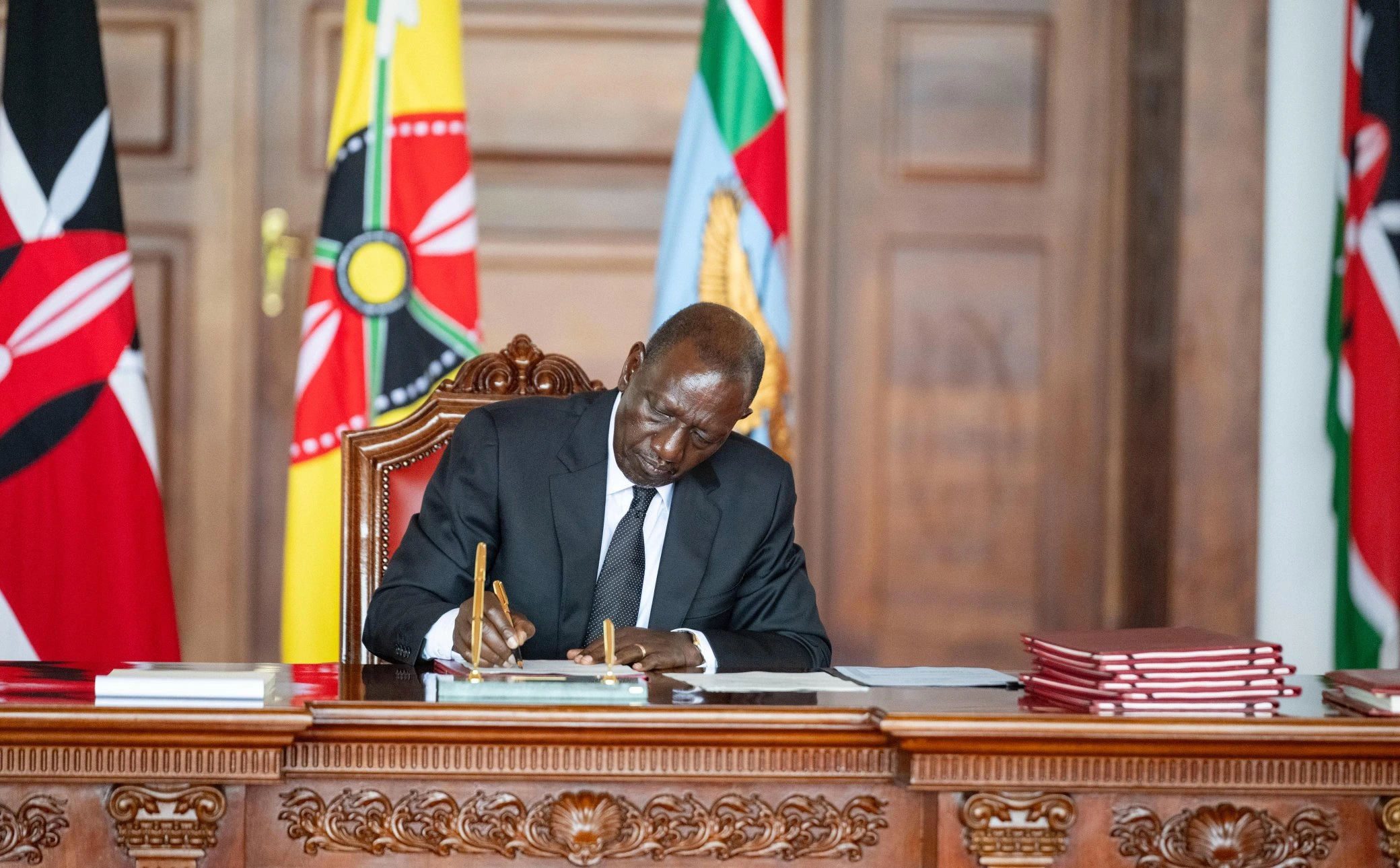
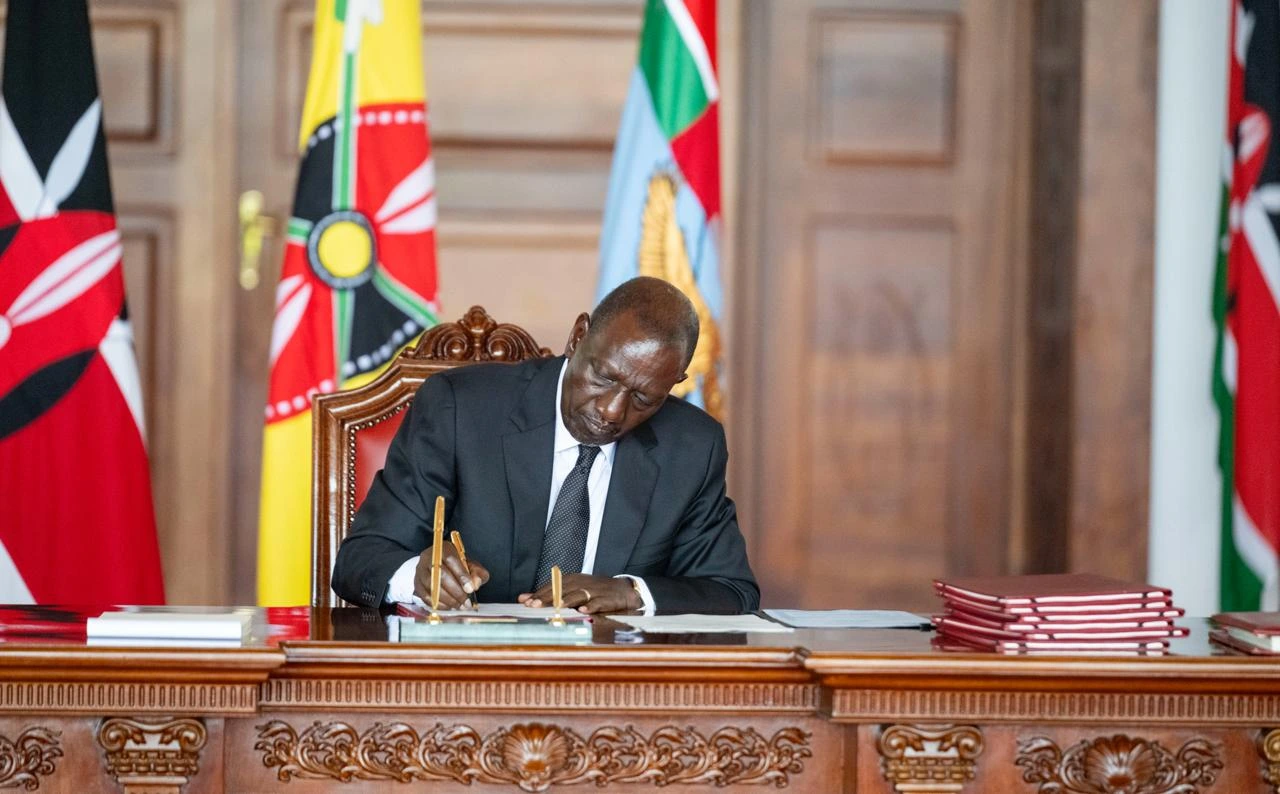
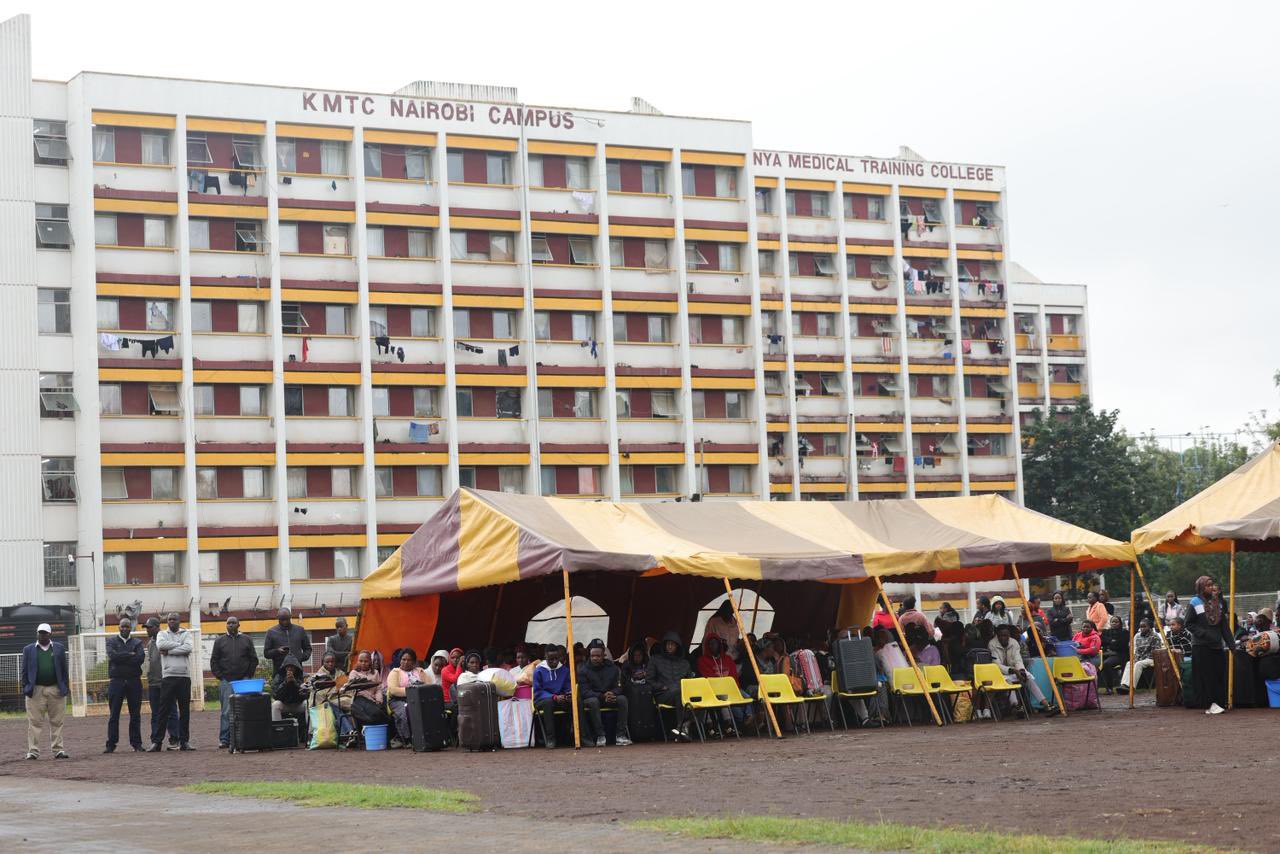
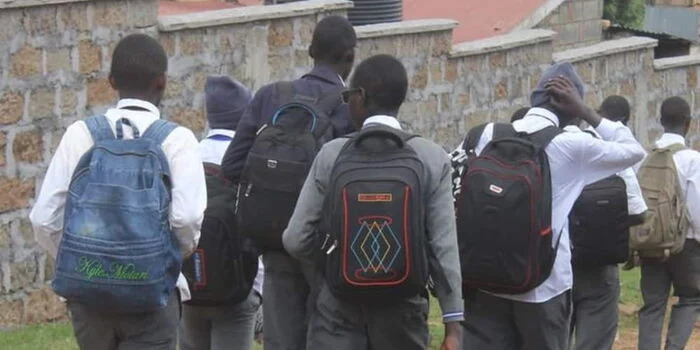
As the first half-term break begins, anxiety is mounting among thousands of Grade 10 learners across Kenya who reported to senior secondary school without paying fees, following a directive by President William Ruto.
The President’s earlier assurance that no learner would be denied access to education over unpaid fees had offered hope to families struggling with the rising cost of living. Acting on the directive, many schools admitted Form Four graduates transitioning to senior school without demanding upfront payment.
However, as schools prepare to reopen after the midterm break, several institutions are now insisting that parents clear the full fees balance before learners can resume classes raising fears of a potential wave of dropouts.
Parents Caught Off Guard
For many households, the directive provided temporary relief at a critical time. Parents who had been unable to raise school fees some due to job losses, poor harvests, or mounting debt sent their children to school believing the government would soon provide clarity on capitation or subsidies.
Now, with schools demanding payment in full, families say they feel stranded.
“I took my child to school because the President said no one should stay at home due to fees,” said one parent in Nakuru County. “Now the school says she must report with the entire amount. Where are we supposed to get it from?”
Education stakeholders warn that without urgent intervention, vulnerable learners could be forced out of school just weeks after enrolling.
Schools Under Financial Strain School administrators argue that while they complied with the directive in good faith, they too are under immense financial pressure. Many institutions depend on school fees to meet operational costs such as food supplies, utilities, and non-teaching staff salaries.
“We welcomed the learners as instructed,” said a principal from Western Kenya. “But there has been no clear communication on how the funding gap will be covered. We cannot run schools without resources.”Some principals say suppliers are already demanding payment, and delayed disbursement of government funds has compounded the problem.
THE UNCERTAINITY
The transition to senior school under the Competency-Based Curriculum (CBC) has already stretched resources, with new infrastructure and staffing requirements. Education analysts note that while the President’s directive aimed to promote equity and access, implementation mechanisms were not clearly outlined.
The Ministry of Education has yet to issue comprehensive guidelines addressing how schools should handle unpaid fees or whether additional capitation will be provided to cushion institutions.Without a structured financing plan, experts warn that the policy risks creating confusion and tension between parents and school administrations.
RISK OF DROPOUTS
Child rights advocates caution that demanding full fees at once may disproportionately affect learners from low-income and rural households. If not addressed swiftly, the situation could reverse gains made in improving secondary school enrollment.
“Access must go hand in hand with sustainability,” said an education policy researcher based in Nairobi. “If families are unable to comply and schools are unable to absorb the cost, learners will inevitably suffer.”
As the midterm break ends, thousands of Grade 10 students now wait anxiously, unsure whether they will be welcomed back into classrooms or turned away at the school gate.For many families, what began as a promise of inclusive education now hangs in the balance and the coming days may determine whether hope translates into lasting opportunity or another chapter of interrupted learning.
The President’s earlier assurance that no learner would be denied access to education over unpaid fees had offered hope to families struggling with the rising cost of living. Acting on the directive, many schools admitted Form Four graduates transitioning to senior school without demanding upfront payment.
However, as schools prepare to reopen after the midterm break, several institutions are now insisting that parents clear the full fees balance before learners can resume classes raising fears of a potential wave of dropouts.
Parents Caught Off Guard
For many households, the directive provided temporary relief at a critical time. Parents who had been unable to raise school fees some due to job losses, poor harvests, or mounting debt sent their children to school believing the government would soon provide clarity on capitation or subsidies.
Now, with schools demanding payment in full, families say they feel stranded.
“I took my child to school because the President said no one should stay at home due to fees,” said one parent in Nakuru County. “Now the school says she must report with the entire amount. Where are we supposed to get it from?”
Education stakeholders warn that without urgent intervention, vulnerable learners could be forced out of school just weeks after enrolling.
Schools Under Financial Strain School administrators argue that while they complied with the directive in good faith, they too are under immense financial pressure. Many institutions depend on school fees to meet operational costs such as food supplies, utilities, and non-teaching staff salaries.
“We welcomed the learners as instructed,” said a principal from Western Kenya. “But there has been no clear communication on how the funding gap will be covered. We cannot run schools without resources.”Some principals say suppliers are already demanding payment, and delayed disbursement of government funds has compounded the problem.
THE UNCERTAINITY
The transition to senior school under the Competency-Based Curriculum (CBC) has already stretched resources, with new infrastructure and staffing requirements. Education analysts note that while the President’s directive aimed to promote equity and access, implementation mechanisms were not clearly outlined.
The Ministry of Education has yet to issue comprehensive guidelines addressing how schools should handle unpaid fees or whether additional capitation will be provided to cushion institutions.Without a structured financing plan, experts warn that the policy risks creating confusion and tension between parents and school administrations.
RISK OF DROPOUTS
Child rights advocates caution that demanding full fees at once may disproportionately affect learners from low-income and rural households. If not addressed swiftly, the situation could reverse gains made in improving secondary school enrollment.
“Access must go hand in hand with sustainability,” said an education policy researcher based in Nairobi. “If families are unable to comply and schools are unable to absorb the cost, learners will inevitably suffer.”
As the midterm break ends, thousands of Grade 10 students now wait anxiously, unsure whether they will be welcomed back into classrooms or turned away at the school gate.For many families, what began as a promise of inclusive education now hangs in the balance and the coming days may determine whether hope translates into lasting opportunity or another chapter of interrupted learning.