 Gerald Kyalo. (geraldbway).
The Kenyan government has confirmed that the recent flash floods sweeping across the country have claimed a total of 84 lives, leaving communities reeling in grief and prompting urgent rescue and relief operations. According to a statement issued on Tuesday by the Ministry of Interior, multi-agency teams have been working tirelessly around the clock to assist affected residents, while three individuals remain unaccounted for.
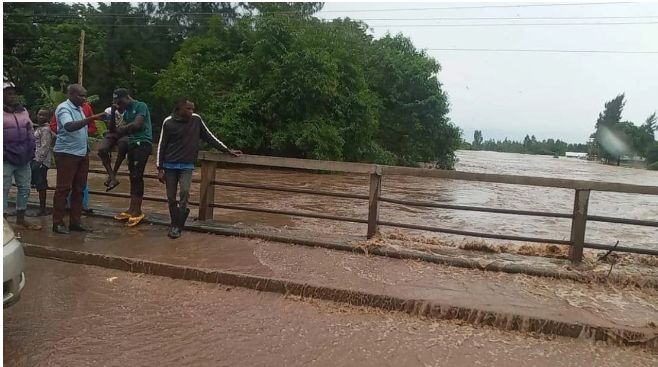
The Ministry highlighted that the flooding crisis has intensified following the breach of River Nyando’s banks in Kisumu County, leading to widespread overflow and spillover across several neighborhoods. Areas considered particularly vulnerable include Kakola, Onjiko, Kochogo, East Kano, Okanja, Kamidumbi, and Panadol. In addition, low-lying sections of Kakola Ombaka Sub-Location and areas along streams such as Awach, Agala, Nyalbiego, Chamrogi, and Nyaidho have also been identified as high-risk zones.
"The Kenya Coast Guard Service, Kenya Red Cross, and the Kisumu County Disaster Management team are on the ground conducting rescue operations as National Government Administrative Officers continue to monitor the situation," the Ministry’s statement partially read.
To date, a total of 265 households have been evacuated, and six children have been rescued from flood-affected areas. The displaced residents are currently being sheltered at the offices of the Ahero Assistant County Commissioner, the Ahero Catholic Pastoral Centre, and the Ombaka Dispensary. Authorities have emphasized that the heavy rainfall originating from upstream areas could exacerbate flooding in regions such as Okanja, Kamidumbi, and Panadol, as well as in the vicinity of Ahero Girls and Kakola Ombaka. Some stretches of the Kisumu-Nairobi road are also at risk of flooding, prompting authorities to issue warnings to travelers and local residents to exercise extreme caution.
Officials have urged residents to remain vigilant, noting that emergency response teams across the affected regions have been placed on high alert to provide immediate assistance where necessary. Efforts include both rescue operations and assessments to determine the extent of property damage and displacement, as well as distribution of essential relief items such as food, clean water, and temporary shelter.
The flooding crisis is not confined to Kisumu County. Communities living along the River Tana in Tana River County have also been placed on alert following reports that the river has burst its banks, inundating nearby farms in Asako Village, Mbalambala Location. Local authorities have warned that continued rainfall could worsen the situation, potentially causing more displacement and damage to agricultural land, which many families rely on for their livelihoods.
Similarly, in Uasin Gishu County, a multi-agency assessment team has been deployed to evaluate the effects of flooding along River Sosiani in Lower Elgon View, Racecourse Location. Preliminary findings indicate that rising river levels have led to flooding of both residential and hospitality facilities, damaging lawns, gardens, and infrastructure in several estates. Officials say they are closely monitoring the situation and are ready to deploy additional resources, including boats and emergency medical assistance, if water levels continue to rise.
The Government of Kenya has reiterated the importance of community cooperation in times of natural disasters. Citizens have been advised to avoid crossing rivers or streams during heavy rainfall, to move to higher ground if they live in low-lying areas, and to heed all instructions from local authorities and emergency teams.
This latest wave of flooding follows months of unusually heavy rainfall in various parts of Kenya, which climate experts attribute to changing weather patterns and increased variability in precipitation. According to meteorologists, such extreme weather events are expected to become more frequent and severe, highlighting the urgent need for long-term flood management strategies, including better drainage systems, riverbank reinforcement, and community awareness programs.
In response to the ongoing crisis, the National Disaster Operations Centre continues to coordinate with county governments, non-governmental organizations, and international partners to ensure that affected populations receive timely assistance. Relief supplies, including food, clean water, blankets, and medical kits, are being dispatched to the worst-hit areas to prevent further loss of life and to provide support to displaced families.
Authorities have emphasized that the recovery process will be long and challenging, as floodwaters have destroyed homes, displaced thousands, and damaged critical infrastructure such as roads, bridges, and schools. They have urged all Kenyans to contribute to relief efforts where possible, whether through donations or volunteer work, as the country rallies to support communities impacted by the devastating floods.
As rescue and relief operations continue, government officials have pledged to maintain vigilance and prioritize the safety of citizens, while urging the public to remain alert to changing weather conditions. Residents in flood-prone areas are advised to continue monitoring announcements from the Kenya Meteorological Department and local authorities for updates on rainfall forecasts and river levels.
The ongoing floods serve as a stark reminder of the vulnerabilities faced by communities in the wake of climate change, emphasizing the need for both immediate action and long-term planning to mitigate the impact of such natural disasters.
The Ministry highlighted that the flooding crisis has intensified following the breach of River Nyando’s banks in Kisumu County, leading to widespread overflow and spillover across several neighborhoods. Areas considered particularly vulnerable include Kakola, Onjiko, Kochogo, East Kano, Okanja, Kamidumbi, and Panadol. In addition, low-lying sections of Kakola Ombaka Sub-Location and areas along streams such as Awach, Agala, Nyalbiego, Chamrogi, and Nyaidho have also been identified as high-risk zones.
"The Kenya Coast Guard Service, Kenya Red Cross, and the Kisumu County Disaster Management team are on the ground conducting rescue operations as National Government Administrative Officers continue to monitor the situation," the Ministry’s statement partially read.
To date, a total of 265 households have been evacuated, and six children have been rescued from flood-affected areas. The displaced residents are currently being sheltered at the offices of the Ahero Assistant County Commissioner, the Ahero Catholic Pastoral Centre, and the Ombaka Dispensary. Authorities have emphasized that the heavy rainfall originating from upstream areas could exacerbate flooding in regions such as Okanja, Kamidumbi, and Panadol, as well as in the vicinity of Ahero Girls and Kakola Ombaka. Some stretches of the Kisumu-Nairobi road are also at risk of flooding, prompting authorities to issue warnings to travelers and local residents to exercise extreme caution.
Officials have urged residents to remain vigilant, noting that emergency response teams across the affected regions have been placed on high alert to provide immediate assistance where necessary. Efforts include both rescue operations and assessments to determine the extent of property damage and displacement, as well as distribution of essential relief items such as food, clean water, and temporary shelter.
The flooding crisis is not confined to Kisumu County. Communities living along the River Tana in Tana River County have also been placed on alert following reports that the river has burst its banks, inundating nearby farms in Asako Village, Mbalambala Location. Local authorities have warned that continued rainfall could worsen the situation, potentially causing more displacement and damage to agricultural land, which many families rely on for their livelihoods.
Similarly, in Uasin Gishu County, a multi-agency assessment team has been deployed to evaluate the effects of flooding along River Sosiani in Lower Elgon View, Racecourse Location. Preliminary findings indicate that rising river levels have led to flooding of both residential and hospitality facilities, damaging lawns, gardens, and infrastructure in several estates. Officials say they are closely monitoring the situation and are ready to deploy additional resources, including boats and emergency medical assistance, if water levels continue to rise.
The Government of Kenya has reiterated the importance of community cooperation in times of natural disasters. Citizens have been advised to avoid crossing rivers or streams during heavy rainfall, to move to higher ground if they live in low-lying areas, and to heed all instructions from local authorities and emergency teams.
This latest wave of flooding follows months of unusually heavy rainfall in various parts of Kenya, which climate experts attribute to changing weather patterns and increased variability in precipitation. According to meteorologists, such extreme weather events are expected to become more frequent and severe, highlighting the urgent need for long-term flood management strategies, including better drainage systems, riverbank reinforcement, and community awareness programs.
In response to the ongoing crisis, the National Disaster Operations Centre continues to coordinate with county governments, non-governmental organizations, and international partners to ensure that affected populations receive timely assistance. Relief supplies, including food, clean water, blankets, and medical kits, are being dispatched to the worst-hit areas to prevent further loss of life and to provide support to displaced families.
Authorities have emphasized that the recovery process will be long and challenging, as floodwaters have destroyed homes, displaced thousands, and damaged critical infrastructure such as roads, bridges, and schools. They have urged all Kenyans to contribute to relief efforts where possible, whether through donations or volunteer work, as the country rallies to support communities impacted by the devastating floods.
As rescue and relief operations continue, government officials have pledged to maintain vigilance and prioritize the safety of citizens, while urging the public to remain alert to changing weather conditions. Residents in flood-prone areas are advised to continue monitoring announcements from the Kenya Meteorological Department and local authorities for updates on rainfall forecasts and river levels.
The ongoing floods serve as a stark reminder of the vulnerabilities faced by communities in the wake of climate change, emphasizing the need for both immediate action and long-term planning to mitigate the impact of such natural disasters.