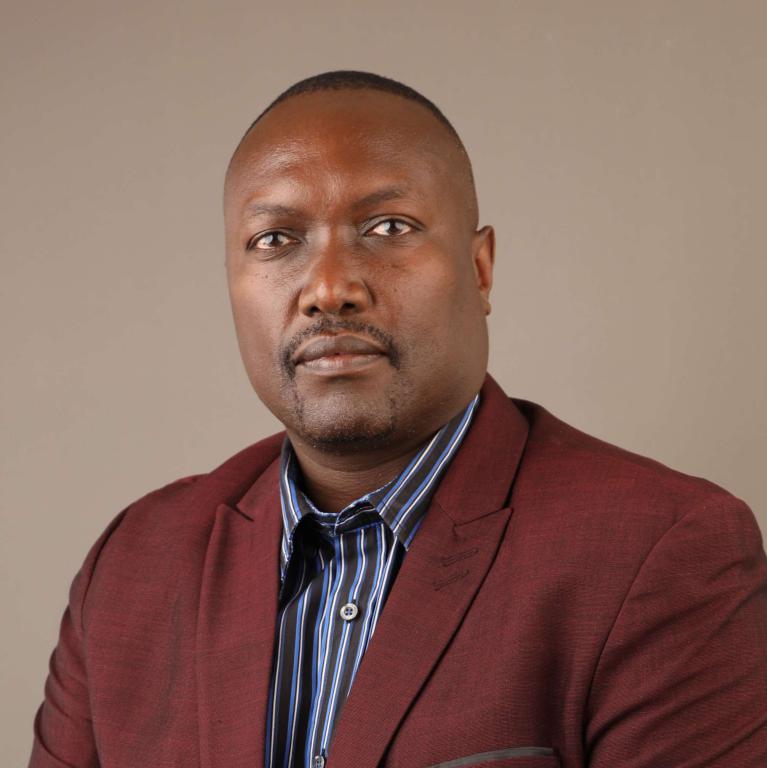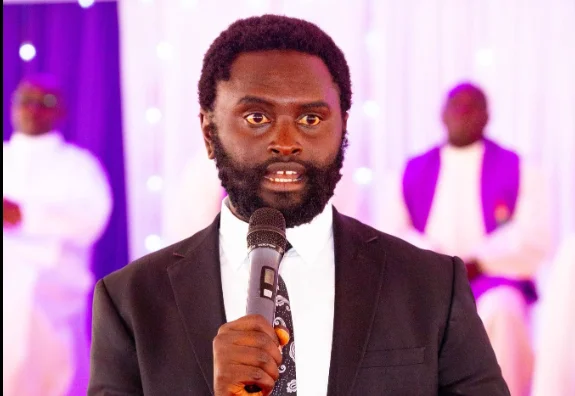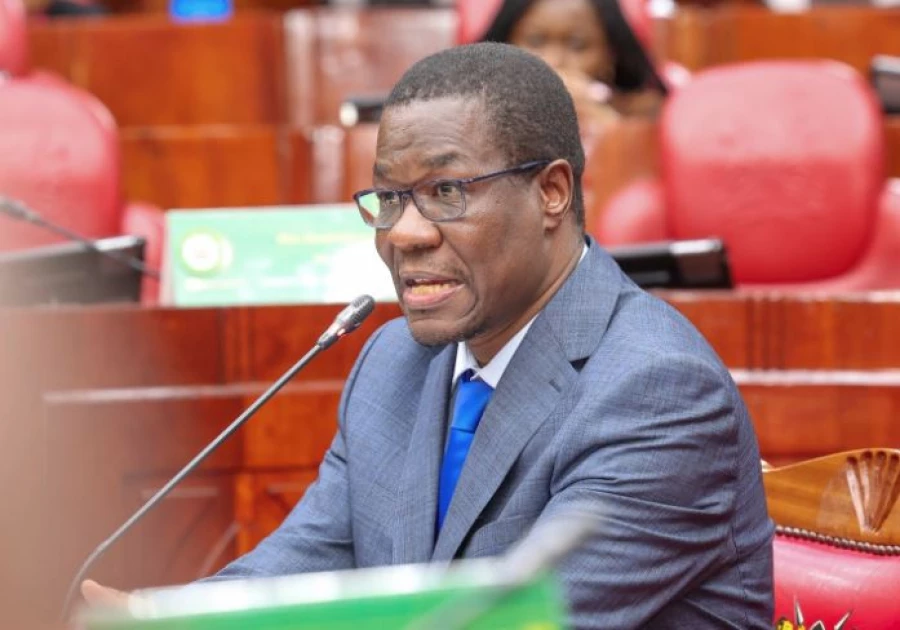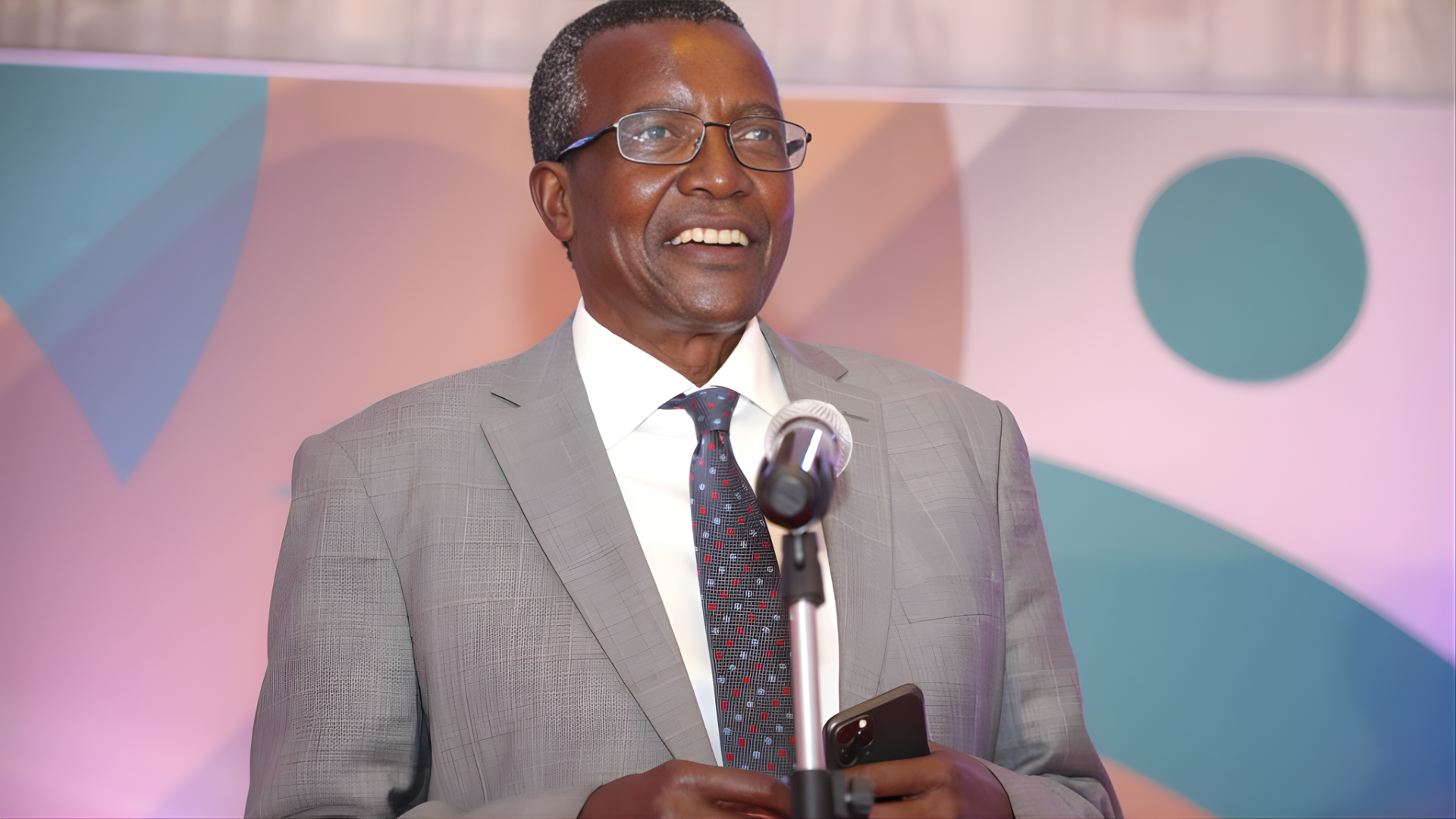
The sun-dappled grounds of the United Green Movement Party headquarters in Nairobi's bustling industrial area, where the hum of nearby factories blends with the chatter of party volunteers sorting membership forms under acacia trees, became a stage for a candid reflection on Kenya's political future on the morning of November 22, 2025. Retired Chief Justice David Kenani Maraga, the 75-year-old Kisii native whose 2017 Supreme Court ruling nullifying Uhuru Kenyatta's election victory had thrust him into the pantheon of judicial heroes, addressed a gathering of 200 youth delegates and journalists with the measured gravitas that had defined his six-year tenure atop the judiciary. Flanked by UGM co-leader Neto Agostinho and a banner proclaiming "Integrity 2027," Maraga opened the floor to questions on his presidential aspirations, revealing a conditional openness to coalitions but a steadfast commitment to partners who prioritize integrity and the rule of law over ethnic calculations. "I am ready to join forces with leaders who share a genuine vision for transforming this country, but only under one condition: they must be driven by integrity and a profound respect for the rule of law," Maraga stated, his voice resonant with the authority of a man who had once stared down executive overreach. "Those who peddle ethnicity as currency, who see power as plunder rather than public service—such alliances I will not entertain. We have lost too much to tribalism's trap; 2027 must be redemption through righteousness."
Maraga's remarks, delivered during the UGM's inaugural Youth Aspirants Conference—a daylong event aimed at mobilizing 50,000 under-35 members ahead of the 2027 polls—came amid a cacophony of speculation about opposition realignments following Raila Odinga's October 2025 passing and his subsequent pivot to the African Union Commission chairmanship. The former CJ, who unveiled his presidential bid on the UGM ticket in October 2025 with a manifesto centered on constitutional fidelity, anti-corruption, and a green economy, has positioned himself as the "clean outsider" in a field crowded with familiar faces like Kalonzo Musyoka, Martha Karua, and Eugene Wamalwa. Yet, his willingness to collaborate—tempered by uncompromising standards—signals a pragmatic approach to the fragmented opposition landscape, where Azimio la Umoja's remnants grapple with internal schisms and Kenya Kwanza's dominance. "Succession in politics isn't about inheriting a throne; it's about earning the trust of the people through consistency, courage, and conviction," Maraga continued, his eyes scanning the room where young delegates nodded in rapt attention, many scribbling notes on laptops emblazoned with UGM stickers. "Raila embodied those qualities—detained under Moi, leading the No campaign in 2005, nullifying an election in 2017. I can only work with leaders who bring the same fire, not those who flicker with ethnic favoritism or fleeting alliances."
The conference, held in a rented hall overlooking Uhuru Park—the site of Raila's iconic 2017 swearing-in as "people's president"—drew 200 aspiring candidates from across the 290 constituencies, a diverse cohort of engineers, teachers, and entrepreneurs united by Maraga's pledge to end "the looting of public resources" and restore judicial independence. Agostinho, the party's co-leader and a former Ndhiwa MP whose 2022 loss to ODM's Martin Owino had honed his grassroots grit, introduced Maraga with a rallying cry: "David is not a candidate; he is a covenant—a promise to the Gen Z who marched in 2024, to the women who bear 80 percent of unpaid labor, to the ASAL youth denied by drought and division." The event's agenda, a blend of mentorship sessions on campaign finance and policy workshops on climate justice, underscored Maraga's vision for a "people's campaign" funded by small donations—Sh100 from 10 million supporters—to sidestep the "big man" donors that have tainted past races.
Maraga's conditional openness to coalitions—echoing his October 2, 2025, declaration at UGM headquarters where he pledged to "rally the youth for political mentorship"—dismantles the notion of him as a lone ranger. "I am open to joining forces with other leaders seeking to unseat the current administration in 2027, but only if they are motivated by a genuine desire to transform the country, not by ethnicity or personal vendettas," he elaborated, his words a direct riposte to whispers of a "State project" designed to split Azimio votes. The retired CJ, whose 2017 ruling had annulled Uhuru Kenyatta's victory on grounds of electoral irregularities, has faced smears from Ruto allies labeling him a Kenya Kwanza plant to fragment opposition in Kisii and Gusii regions. "Those peddling the lie that I am a State project are afraid—not of my candidacy, but of the qualities I bring: integrity, the rule of law, a commitment to constitutionalism that they fear because it shines light on their shadows," Maraga retorted, his tone sharpening as the room erupted in applause, young delegates pumping fists in solidarity. "They call me a divider because I unite around principles, not tribes—fear the man who cannot be bought, who stands when others sell out."
The "State project" narrative, amplified by pro-Ruto bloggers and X influencers since Maraga's October bid launch, stems from his perceived neutrality: a Kisii native whose 2016 CJ appointment by Uhuru transcended ethnic lines, and whose 2021 retirement was marked by tributes from both Jubilee and NASA camps. Yet, Maraga's manifesto— "Reset, Restore, Rebuild"—positions him as a reformer: 50 percent women in cabinet, a Sh1 trillion anti-corruption fund, green jobs for 1 million youth by 2030, and devolution's empowerment through Sh500 billion county equalization. "I am Gen Z's candidate—not by age, but by agenda: no more ethnic math, no more stolen billions, yes to climate justice and constitutional supremacy," he affirmed, his pledge to end "the culture of impunity and police brutality" drawing roars from the youth delegates, many of whom had marched in the 2024 Finance Bill protests that claimed 60 lives.
Coalition partners, Maraga's conditionals invite a realignment: Kalonzo Musyoka's Wiper, with its Ukambani base, offers regional heft but ethnic undertones; Martha Karua's Narc-Kenya brings feminist fire but limited machinery; Eugene Wamalwa's DAP-K, Western's voice, aligns on rule of law but lacks Nyanza pull. "I will work with any who embody integrity—Kalonzo if he sheds tribalism, Karua if she scales nationally, Wamalwa if he unites beyond Luhya," Maraga said, his words a gauntlet to the fragmented field. Agostinho, in a side interview: "David's open hand is our olive branch—2027's coalition must be constitutional, not convenient."
Maraga's dismissal of "State project" claims as "fear of principles" resonates with supporters who see in him the 2017 judge who nullified Uhuru's win, earning death threats but eternal acclaim. "They fear me because I fear God more than government," he quipped, his laugh lightening the room. UGM's October 2 launch, attended by 1,000 at Green Action House, featured Maraga receiving the party flag from Agostinho: "This is not a party; it's a promise—to the youth who demand jobs, to women who demand equality, to Kenyans who demand justice."
The 2027 race, with Ruto eyeing re-election amid 5.2 percent GDP growth and debt at 65 percent, pits Maraga against a crowded canvas: Kalonzo's veteran bid, Matiang'i's technocratic appeal, Karua's feminist fervor. Maraga's UGM, with 50,000 members by November, focuses on green politics: renewable energy 90 percent by 2030, anti-corruption courts, youth mentorship. "I pledge 50 percent women in cabinet, gender parity in boards—two-thirds rule enforced," he vowed at the conference, his nod to Article 27(8) drawing cheers.
Critics question his viability: Kisii's 2.5 million voters a base, but national reach? "Maraga's moral high ground is steep—can he climb the ethnic valleys?" analyst Dr. Kariuki Muigua pondered at a November 22 KTN panel. Maraga: "Morality is my map; people my compass—2027 tests if Kenya chooses character over clan."
As November's mists cloak Nairobi, Maraga's conditionals call: coalitions of conviction, a 2027 where integrity inaugurates, and rule of law reigns.
Maraga's conference: 200 youth, 50 aspirants. Agostinho's flag: October 2, 1,000 attendees. Kalonzo's Wiper: Ukambani base. Karua's Narc: feminist. Wamalwa's DAP: Western. Ruto's re-election: 5.2% growth. UGM members: 50,000. 50% women cabinet: Article 27(8). Muigua's panel: ethnic valleys. For Maraga: "Character over clan." In Kenya's kaleidoscopic quest, the openness opens—a coalition clarion where partners pledge principles, and 2027 dawns dignified.