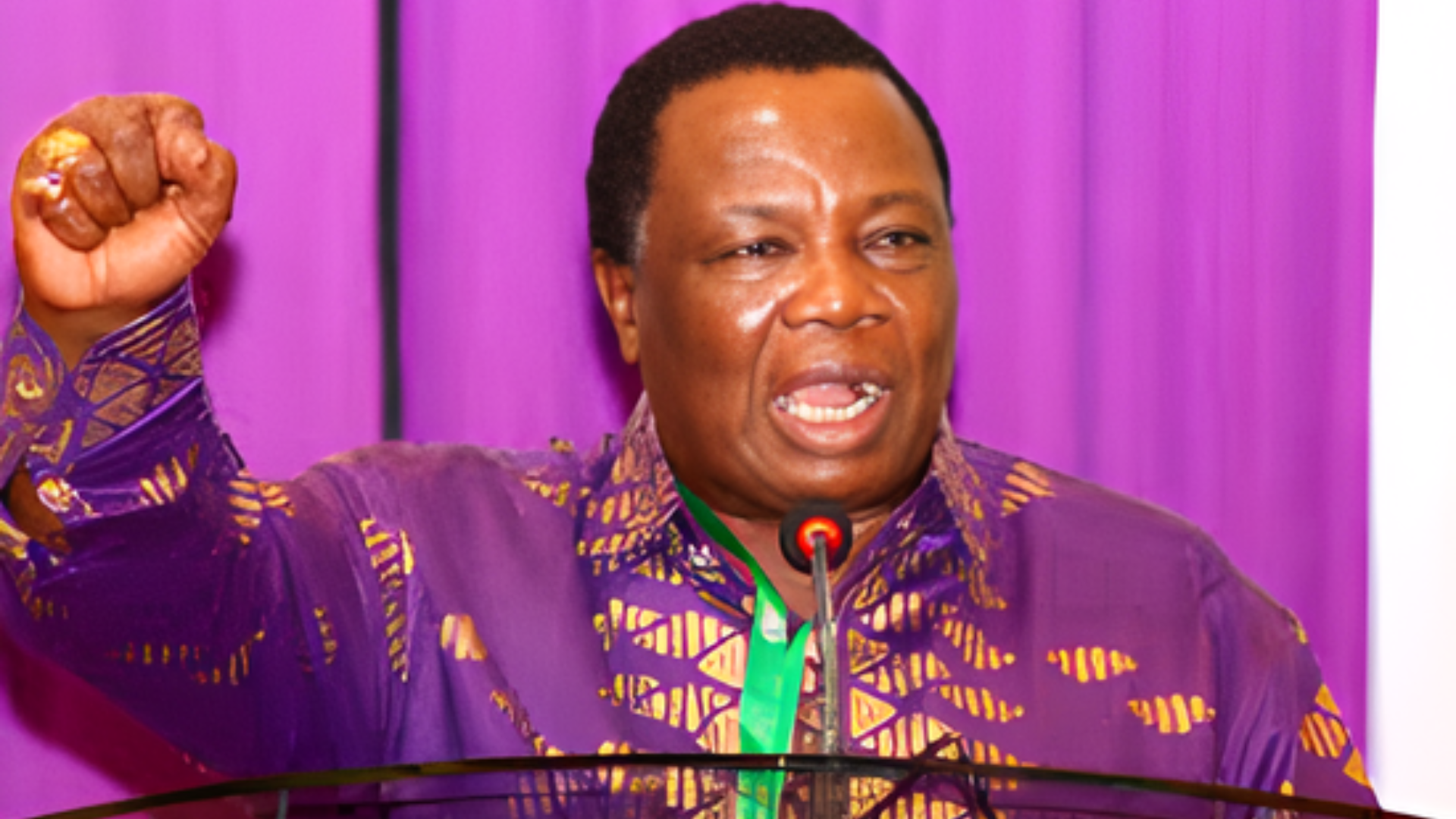
Veteran trade unionist Francis Atwoli has been officially declared Secretary-General of the Central Organization of Trade Unions (COTU) after the Governing Council’s 2026 election held at Tom Mboya Labour College in Kisumu.
The election, conducted on March 15, 2026, saw Atwoli returned unopposed for his sixth five-year term, extending a leadership tenure that began in 2001. The veteran unionist, now in his late 70s, has led COTU through more than two decades of economic reforms, labour law changes, minimum-wage battles, public-sector strikes and negotiations with successive governments.
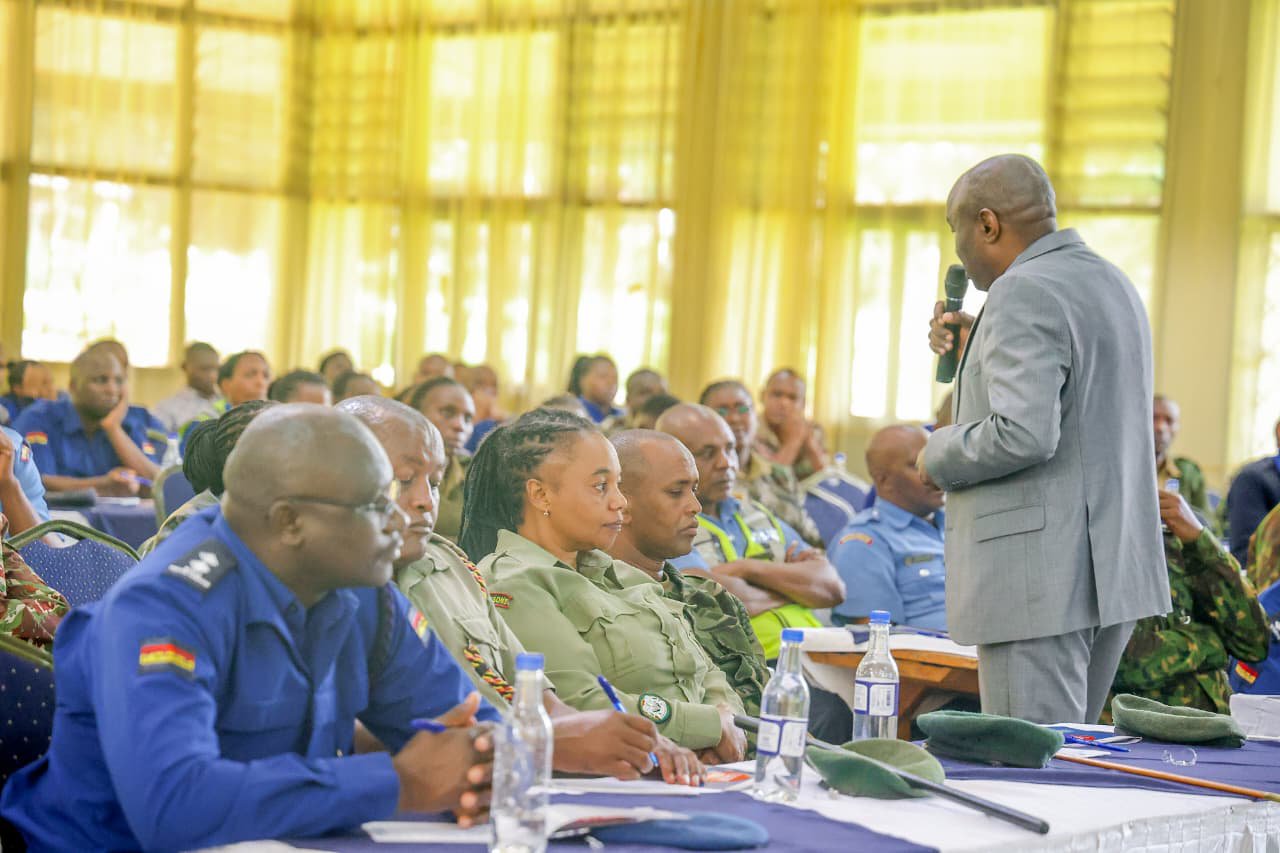
Delegates from affiliate unions gathered at the Kisumu campus to ratify the outcome after the Governing Council’s closed-door deliberations. Atwoli addressed the gathering immediately after the declaration, thanking delegates for their continued trust and pledging to intensify efforts to protect workers’ rights amid rising living costs and job insecurity.
“I am humbled and deeply honoured by this renewed mandate,” Atwoli told the delegates. “Twenty-five years ago I took this responsibility, and I have never wavered in my belief that the labour movement must remain the strongest voice for the working people of this country. Today, more than ever, workers face challenges—high taxes, stagnant wages, casualisation of labour, insecurity of tenure. We will fight these battles together, and we will win.”
The re-election comes at a critical moment for Kenya’s labour movement. Inflation has eroded real wages, youth unemployment remains stubbornly high, and several sectors—education, health, transport and county governments—continue to experience labour disputes over pay, allowances and working conditions. Atwoli’s supporters argue his long experience and personal relationships with political leaders across the spectrum give COTU leverage in negotiations, while critics have occasionally accused him of becoming too close to those in power.
During the council session, affiliate union leaders praised Atwoli’s role in securing the 2022–2025 minimum-wage increase, pushing for implementation of the 2017 collective bargaining agreements in the public sector, and advocating for the Social Health Insurance Fund to cover more workers. Several speakers highlighted his international advocacy, including at the International Labour Organization, where he has consistently championed Africa’s labour agenda.
One delegate from the Kenya Union of Domestic, Hotels, Educational Institutions, Hospitals and Allied Workers said: “Mzee Atwoli has been our shield and our voice. When governments want to push harsh policies, they know COTU under him will not sit quietly. That is why we gave him another term without hesitation.”
Atwoli used part of his acceptance speech to outline priorities for the coming five years: strengthening collective bargaining in the informal sector, pushing for better protection of gig workers and digital-platform employees, advocating for a living wage tied to inflation, expanding worker representation on state boards and commissions, and intensifying anti-corruption campaigns within trade unions themselves.
“We cannot demand integrity from employers and government if we do not practise it ourselves,” he said. “COTU must be a clean, transparent and accountable organisation. That is non-negotiable.”
The re-election has been welcomed by many in the labour movement as a sign of continuity and stability, though some younger unionists have privately expressed hope for eventual generational transition. Atwoli has not indicated any retirement timeline, and the COTU constitution allows him to seek further terms as long as delegates support him.
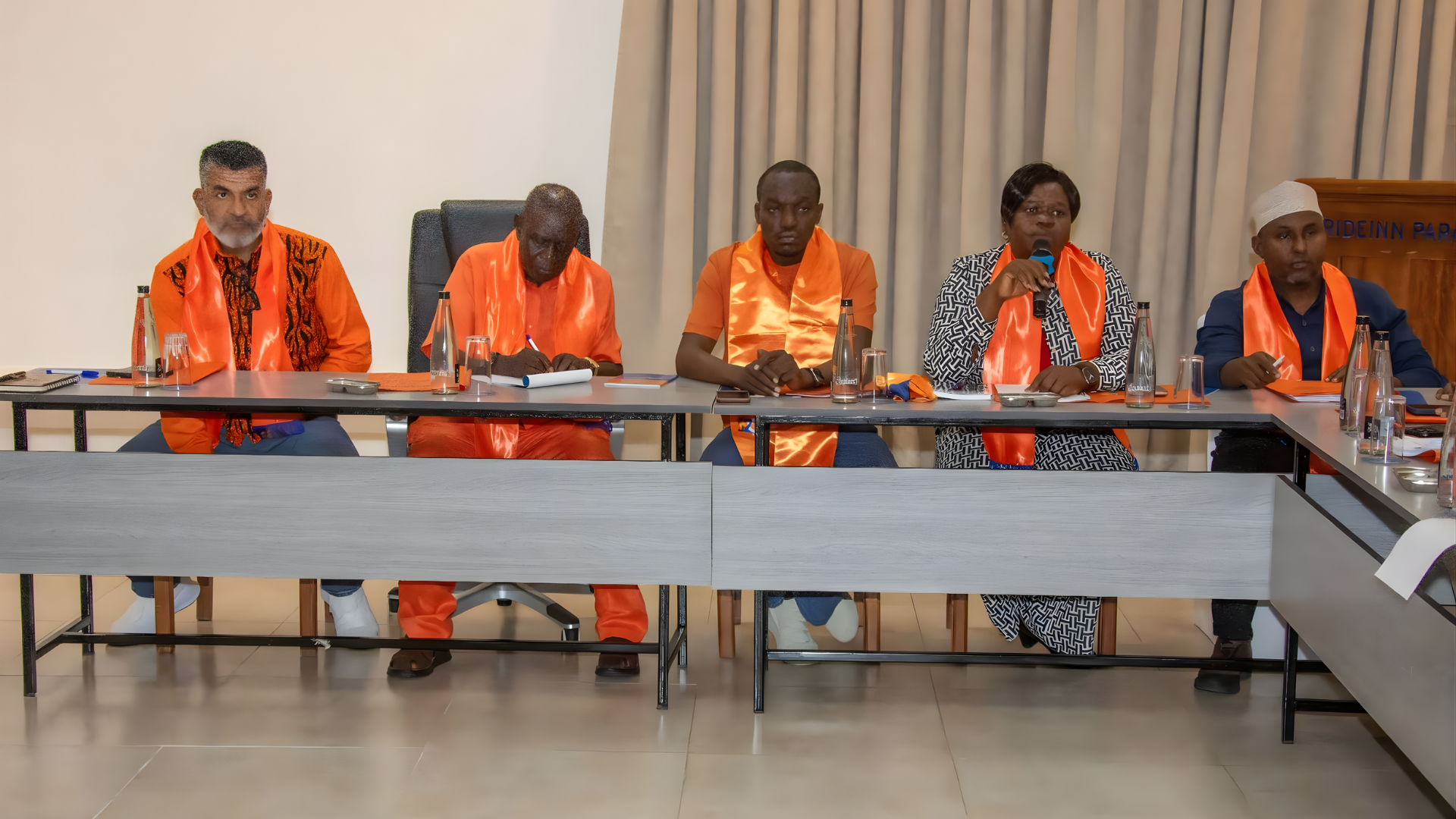
The Governing Council also elected other national officials during the same session, with most positions retained by incumbents or filled through consensus. The new leadership team is expected to be formally introduced at a national delegates conference later in the year.
As Atwoli begins his sixth term, Kenya’s trade unions face a complex landscape: economic pressures, changing employment patterns, climate-related disruptions to agriculture and tourism, and the ongoing debate over the role of organised labour in a multi-party democracy. His supporters are confident he remains the best person to navigate these challenges, while even critics acknowledge his unmatched experience and negotiation skills.
The Tom Mboya Labour College in Kisumu—named after Kenya’s iconic trade-unionist-turned-politician—provided a symbolic backdrop for the election, reminding delegates of the historical struggle for workers’ rights that Atwoli has continued for more than a quarter-century.
With the 2027 general election on the horizon, COTU under Atwoli’s leadership is expected to play a prominent role in shaping labour policy debates and holding political parties accountable to the working class.