 Gerald Kyalo. (geraldbway).
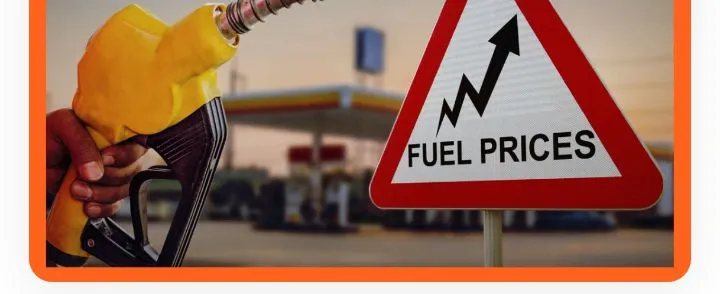
Motorists across Kenya are set to pay significantly more for fuel over the next month following an announcement by the Energy and Petroleum Regulatory Authority (EPRA), which revealed an upward adjustment in pump prices for the period between April 15 and May 14, 2026.
In its latest pricing review, EPRA indicated that the cost of Super Petrol and Diesel has increased sharply, rising by Ksh.28.69 and Ksh.40.30 per litre, respectively, while the price of Kerosene remains unchanged. The adjustments reflect a combination of rising international petroleum product prices, currency exchange rate fluctuations, and the application of statutory taxes under the Value Added Tax (VAT) framework.
Acting EPRA Director General, Dr. Joseph Oketch, said the government has taken measures to cushion consumers from the full impact of the price hike. “Effectively, the Value Added Tax rate on Super Petrol, Diesel, and Kerosene has been reduced from 16% to 13% in order to cushion consumers from the high landed cost of petroleum products as a result of the escalated prices in the international market,” he explained.
In addition to the VAT adjustment, Dr. Oketch noted that the government will further stabilize pump prices through the Petroleum Development Levy (PDL) Fund. Approximately Ksh.6.2 billion from the fund will be deployed to help mitigate the financial burden on Kenyan motorists.
He further clarified that, as per a prior government directive, the Super Petrol delivered by One Petroleum from MT Paloma has not been included in the computation of the applicable prices.
Under the new pricing, motorists in Nairobi will now pay a maximum retail price of Ksh.206.87 per litre for Super Petrol, Ksh.206.84 for Diesel, and Ksh.152.78 for Kerosene. In Mombasa, the new rates are Ksh.203.69 for Super Petrol, Ksh.203.56 for Diesel, and Ksh.149.49 for Kerosene, while in Kisumu, consumers will pay Ksh.206.85 for Super Petrol, Ksh.207.06 for Diesel, and Ksh.153.03 for Kerosene.
EPRA attributed the increase largely to a sharp spike in landed costs – the price at which fuel is imported into the country – between February and March. During this period, the landed cost of Super Petrol rose by a staggering 41.53%, Diesel by 68.72%, and Kerosene by 105.15%. These increases have been compounded by global market volatility, with petroleum products traded in United States dollars and influenced by international economic and geopolitical developments.
“The exchange rate continues to play a critical role in determining local pump prices,” EPRA stated, emphasizing that fluctuations in the shilling against the dollar directly affect the cost of imported fuel. This factor, combined with rising international oil prices, has placed considerable pressure on Kenya’s domestic fuel market.
The regulatory authority assured the public that despite the price adjustments, the pricing framework continues to be guided by regulations designed to ensure fairness, promote healthy competition, and protect consumers, while allowing oil marketers to recover costs incurred in fuel importation and distribution.
Industry analysts note that this price adjustment is part of a broader trend affecting fuel markets globally, with rising demand, geopolitical tensions, and supply chain disruptions contributing to volatility. In Kenya, the hike comes at a time when motorists are already contending with rising living costs, further straining household budgets.
Transport operators, particularly those relying on diesel-powered vehicles, are expected to feel the pinch most. Many have warned that the fuel price surge could translate into higher transport fares and increased costs for goods and services, potentially impacting inflation levels across the country.
Consumer groups have welcomed the government’s measures to cushion the population, including the reduction of VAT and the use of the PDL Fund, but continue to urge further strategies to stabilize fuel prices. These include diversifying fuel import sources, encouraging local fuel production, and negotiating favorable terms with international oil suppliers.
Experts have also highlighted the importance of continued monitoring of global oil markets, as any sudden spike in international crude prices could trigger further adjustments in domestic fuel rates. With global energy markets currently in a state of flux, analysts suggest that consumers should prepare for possible short-term volatility in the coming months.
The new fuel prices will take effect from midnight on April 14 and will remain in force until May 14, 2026, providing a one-month window during which motorists, transport operators, and businesses will need to adjust their budgets accordingly. EPRA has pledged to continue reviewing the situation and adjust prices as necessary to reflect changes in international market conditions, exchange rates, and statutory taxes.
While the government has implemented measures to soften the blow of rising fuel costs, Kenyan consumers should brace for higher expenses at the pump, with the cost of living potentially affected across various sectors. The situation underscores the interconnectedness of global and domestic markets, the critical role of exchange rates, and the need for strategic planning by both authorities and citizens to navigate economic fluctuations.
In its latest pricing review, EPRA indicated that the cost of Super Petrol and Diesel has increased sharply, rising by Ksh.28.69 and Ksh.40.30 per litre, respectively, while the price of Kerosene remains unchanged. The adjustments reflect a combination of rising international petroleum product prices, currency exchange rate fluctuations, and the application of statutory taxes under the Value Added Tax (VAT) framework.
Acting EPRA Director General, Dr. Joseph Oketch, said the government has taken measures to cushion consumers from the full impact of the price hike. “Effectively, the Value Added Tax rate on Super Petrol, Diesel, and Kerosene has been reduced from 16% to 13% in order to cushion consumers from the high landed cost of petroleum products as a result of the escalated prices in the international market,” he explained.
In addition to the VAT adjustment, Dr. Oketch noted that the government will further stabilize pump prices through the Petroleum Development Levy (PDL) Fund. Approximately Ksh.6.2 billion from the fund will be deployed to help mitigate the financial burden on Kenyan motorists.
He further clarified that, as per a prior government directive, the Super Petrol delivered by One Petroleum from MT Paloma has not been included in the computation of the applicable prices.
Under the new pricing, motorists in Nairobi will now pay a maximum retail price of Ksh.206.87 per litre for Super Petrol, Ksh.206.84 for Diesel, and Ksh.152.78 for Kerosene. In Mombasa, the new rates are Ksh.203.69 for Super Petrol, Ksh.203.56 for Diesel, and Ksh.149.49 for Kerosene, while in Kisumu, consumers will pay Ksh.206.85 for Super Petrol, Ksh.207.06 for Diesel, and Ksh.153.03 for Kerosene.
EPRA attributed the increase largely to a sharp spike in landed costs – the price at which fuel is imported into the country – between February and March. During this period, the landed cost of Super Petrol rose by a staggering 41.53%, Diesel by 68.72%, and Kerosene by 105.15%. These increases have been compounded by global market volatility, with petroleum products traded in United States dollars and influenced by international economic and geopolitical developments.
“The exchange rate continues to play a critical role in determining local pump prices,” EPRA stated, emphasizing that fluctuations in the shilling against the dollar directly affect the cost of imported fuel. This factor, combined with rising international oil prices, has placed considerable pressure on Kenya’s domestic fuel market.
The regulatory authority assured the public that despite the price adjustments, the pricing framework continues to be guided by regulations designed to ensure fairness, promote healthy competition, and protect consumers, while allowing oil marketers to recover costs incurred in fuel importation and distribution.
Industry analysts note that this price adjustment is part of a broader trend affecting fuel markets globally, with rising demand, geopolitical tensions, and supply chain disruptions contributing to volatility. In Kenya, the hike comes at a time when motorists are already contending with rising living costs, further straining household budgets.
Transport operators, particularly those relying on diesel-powered vehicles, are expected to feel the pinch most. Many have warned that the fuel price surge could translate into higher transport fares and increased costs for goods and services, potentially impacting inflation levels across the country.
Consumer groups have welcomed the government’s measures to cushion the population, including the reduction of VAT and the use of the PDL Fund, but continue to urge further strategies to stabilize fuel prices. These include diversifying fuel import sources, encouraging local fuel production, and negotiating favorable terms with international oil suppliers.
Experts have also highlighted the importance of continued monitoring of global oil markets, as any sudden spike in international crude prices could trigger further adjustments in domestic fuel rates. With global energy markets currently in a state of flux, analysts suggest that consumers should prepare for possible short-term volatility in the coming months.
The new fuel prices will take effect from midnight on April 14 and will remain in force until May 14, 2026, providing a one-month window during which motorists, transport operators, and businesses will need to adjust their budgets accordingly. EPRA has pledged to continue reviewing the situation and adjust prices as necessary to reflect changes in international market conditions, exchange rates, and statutory taxes.
While the government has implemented measures to soften the blow of rising fuel costs, Kenyan consumers should brace for higher expenses at the pump, with the cost of living potentially affected across various sectors. The situation underscores the interconnectedness of global and domestic markets, the critical role of exchange rates, and the need for strategic planning by both authorities and citizens to navigate economic fluctuations.