The government has disbursed a total of Sh1.7 billion to households caring for orphans and vulnerable children under the Cash Transfer for Orphans and Vulnerable Children (CT-OVC) programme.
The funds, which cover payments for both January and February 2026, represent a double disbursement of the standard monthly transfer. Each eligible household is receiving KSh 4,000, equivalent to two months’ worth of support at the current rate of KSh 2,000 per month. Payment processing began immediately through the contracted Payment Service Provider, with funds being transferred directly to beneficiaries’ registered mobile money wallets, bank accounts or cash-out points.
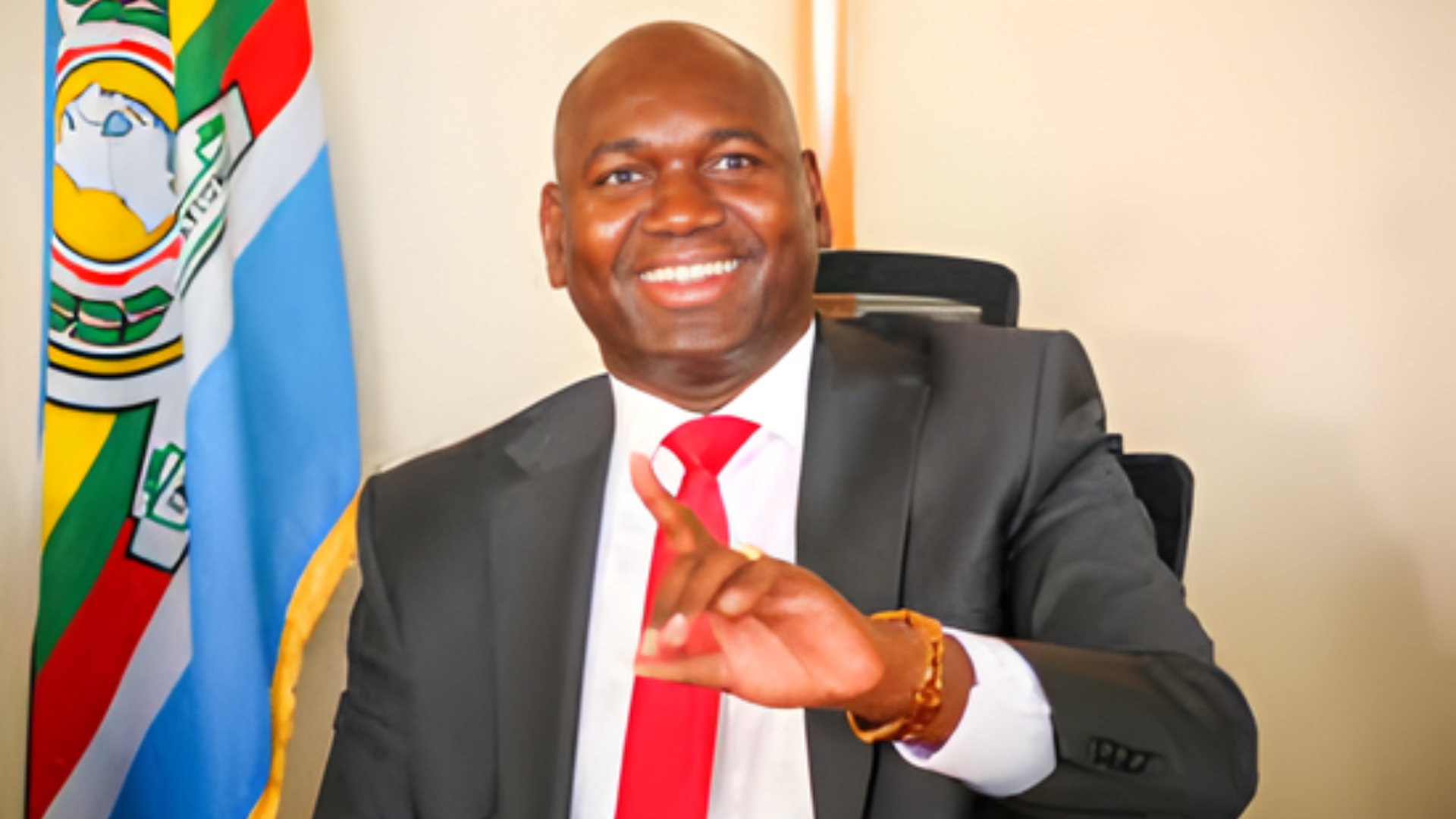
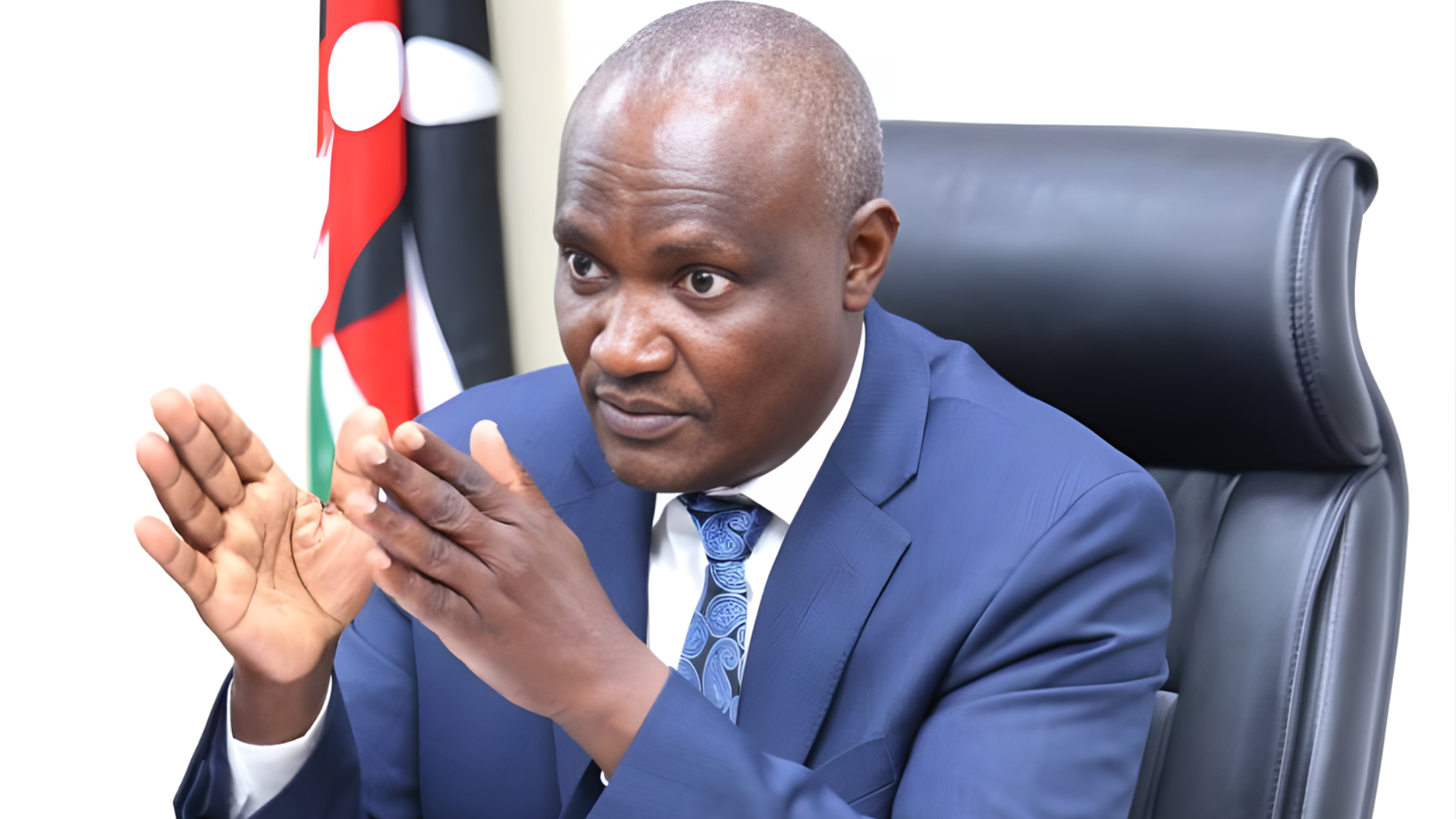
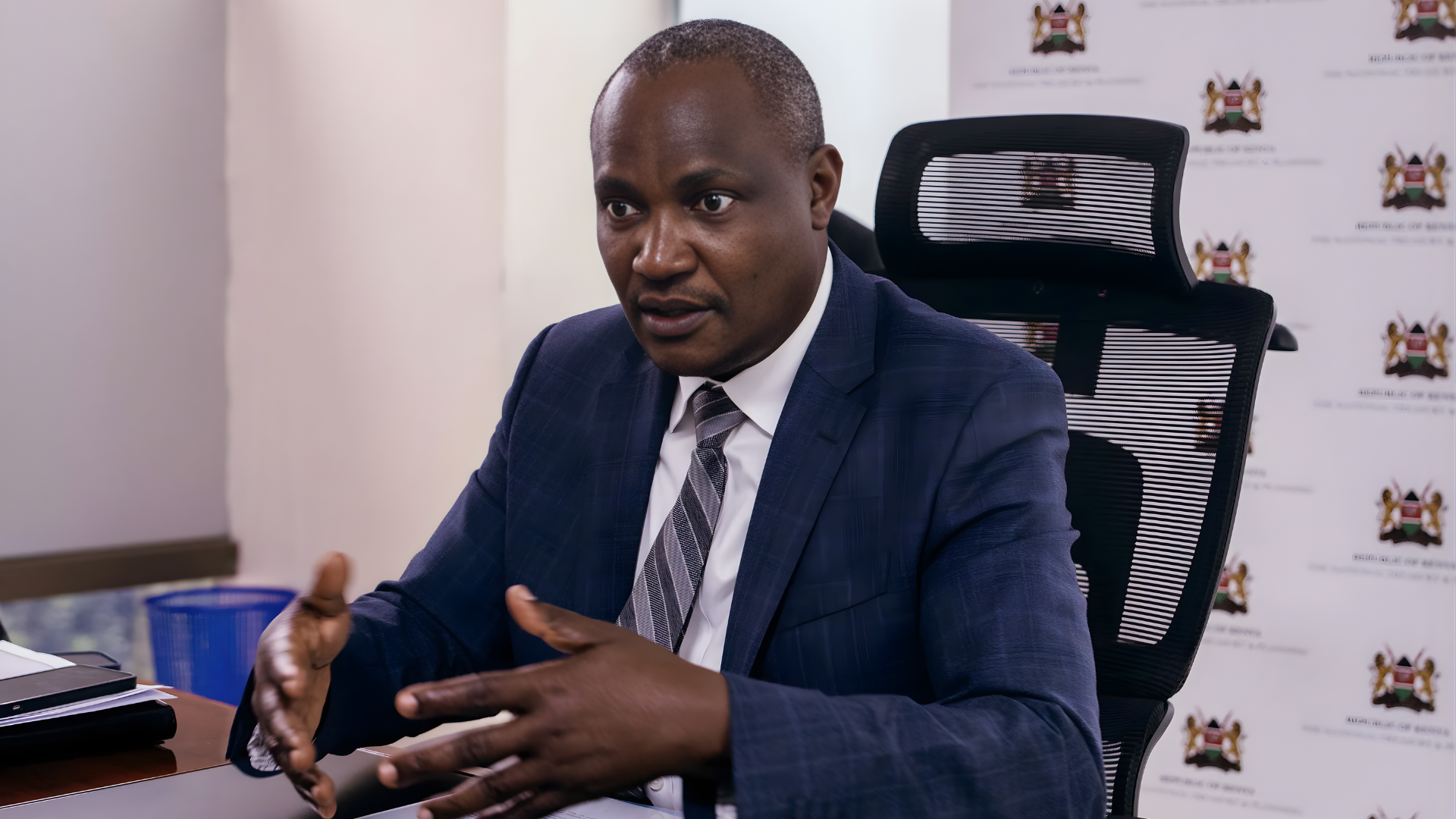
Principal Secretary for Social Protection Peter Tum announced the disbursement on March 3, 2026, describing it as a deliberate measure to provide timely relief during the first quarter of the year. “Many of these households face acute financial pressure at the beginning of the year due to school reopening costs, medical needs and rising food prices,” Tum said. “The double payment of KSh 4,000 gives them breathing space and ensures children continue to access basic necessities without interruption.”
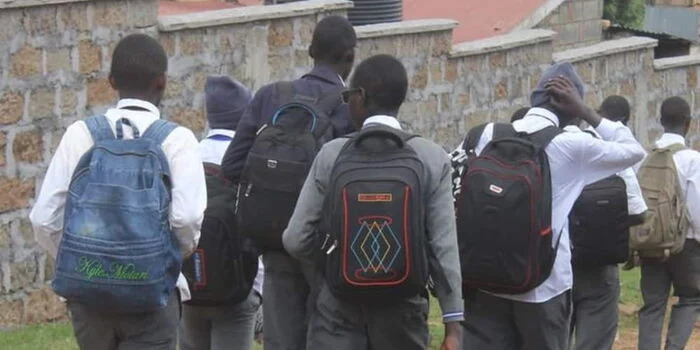
The CT-OVC programme currently supports over 425,000 households nationwide. The Sh1.7 billion release therefore covers approximately 425,000 double payments, ensuring every enrolled family receives the full amount for the two-month period. The programme targets extremely poor households that are caring for orphans, children living with disabilities, elderly-headed homes or other vulnerable children who lack adequate parental care.
Beneficiaries began receiving SMS notifications from the Payment Service Provider shortly after the funds were released, confirming the credit to their accounts. Households that do not receive the payment within seven working days are advised to contact their nearest Social Development Office, Huduma Centre or the dedicated CT-OVC toll-free helpline for verification and resolution.
The double payment has been welcomed by child rights organisations and community leaders in counties with high numbers of orphans and vulnerable children. A programme coordinator in Kisumu said: “This comes at a very important time. Many families struggle to pay school fees and buy uniforms when schools reopen. The extra KSh 2,000 will make a real difference in keeping children in class and healthy.”
The initiative reflects the government’s ongoing commitment to social protection as a key pillar of poverty reduction and human capital development. The CT-OVC programme, which has been running since 2004, has consistently demonstrated positive impacts, including higher school enrolment and retention rates, improved household food security, reduced child labour and better access to healthcare among participating families.
Principal Secretary Tum reiterated the government’s plan to expand coverage and strengthen delivery systems. “We are working to register additional eligible households, improve digital payment systems and enhance monitoring to ensure every shilling reaches the intended beneficiary without leakages,” he said. “Social protection is a constitutional right and a smart investment in breaking the cycle of poverty for future generations.”
The disbursement also aligns with broader efforts to cushion vulnerable populations amid economic challenges such as inflation, high food and fuel prices, and the lingering effects of previous shocks including drought and global commodity volatility. The double payment is expected to inject immediate liquidity into low-income communities, supporting local markets, small traders and essential services.
Beneficiaries and advocates have called for sustained and predictable monthly transfers going forward. A grandmother caring for five grandchildren in Siaya said: “The double payment helps us catch up, but we need the KSh 2,000 every month without delays. When payments are late, children go hungry and miss school. We are asking for consistency.”
The State Department for Social Protection has committed to resuming regular monthly disbursements of KSh 2,000 starting March 2026 and to accelerating registration drives in underserved counties. Plans are also underway to enrol an additional 100,000 households in the 2026/27 financial year, subject to budget availability and verification processes.
As the funds reach households across the country, the double payment is expected to provide critical support to some of Kenya’s most vulnerable families while reinforcing the government’s focus on inclusive social safety nets.