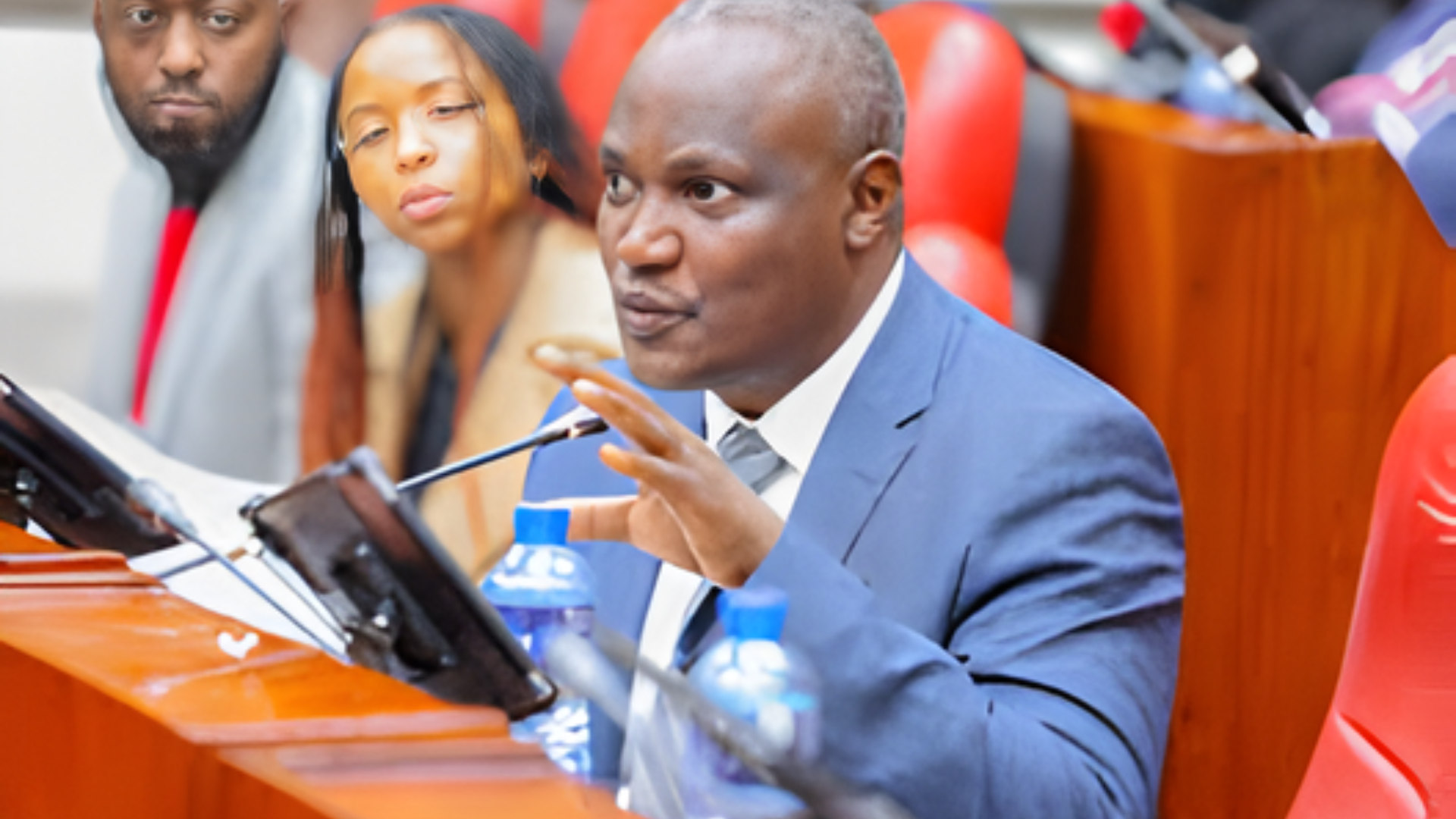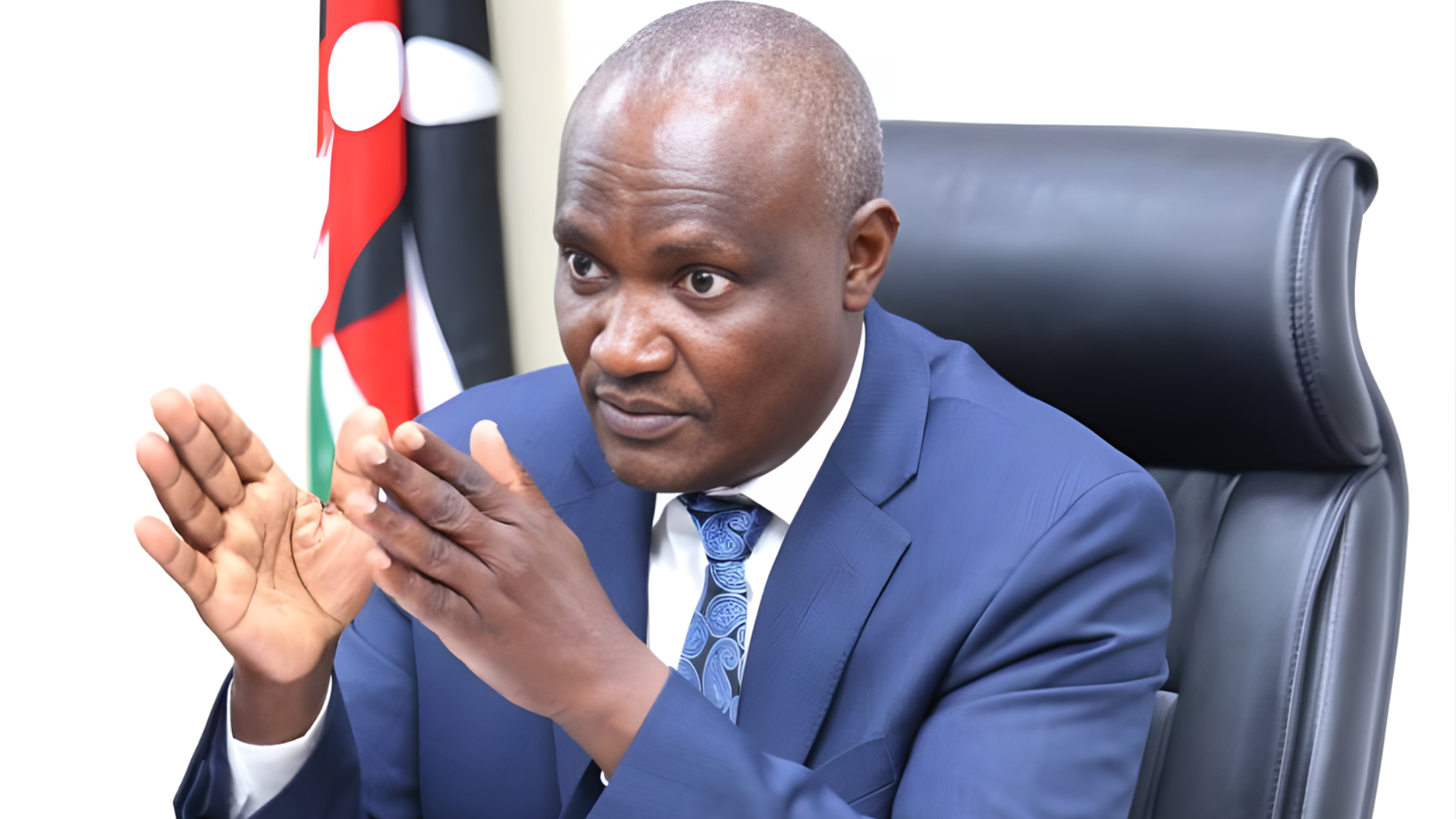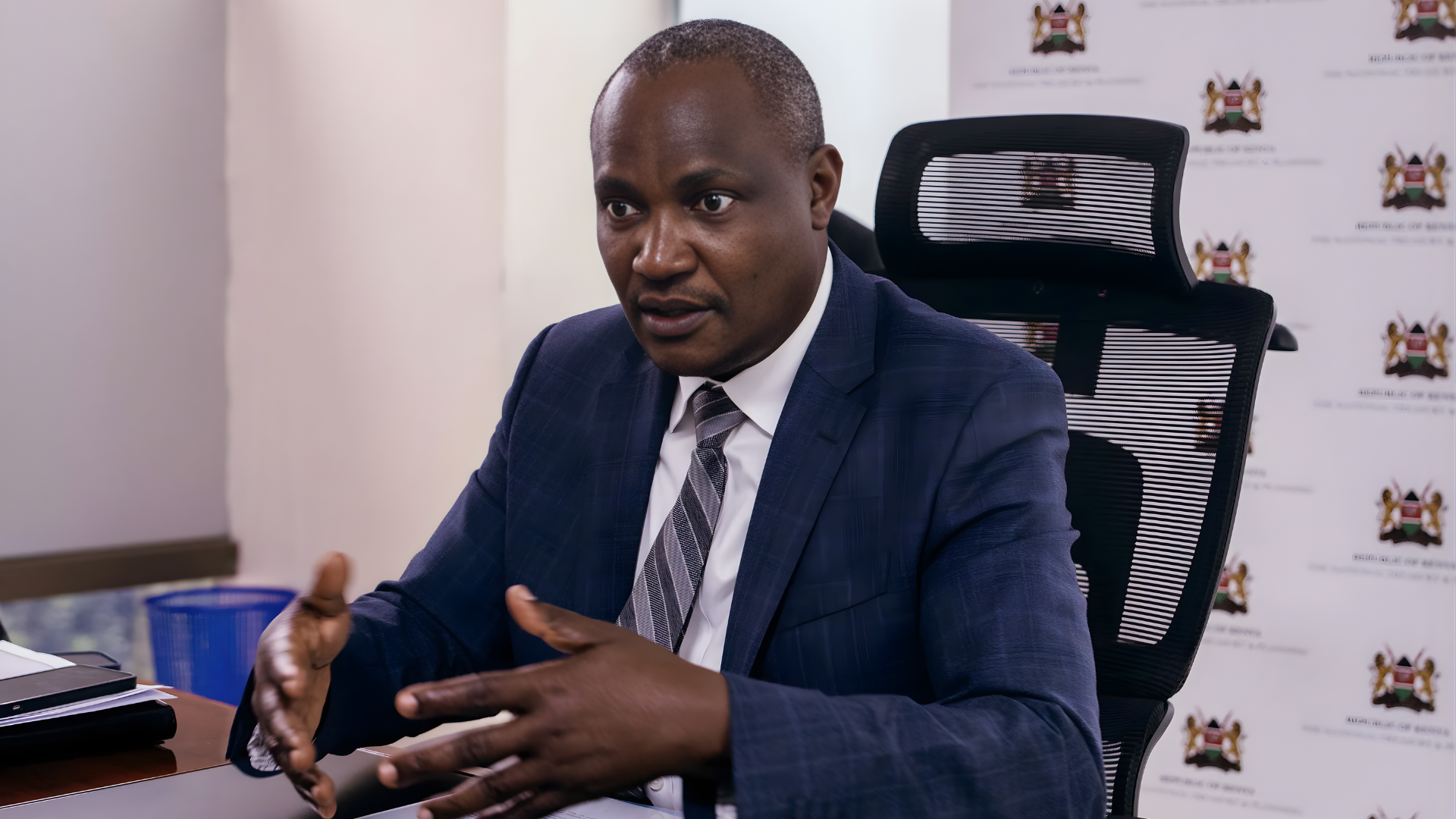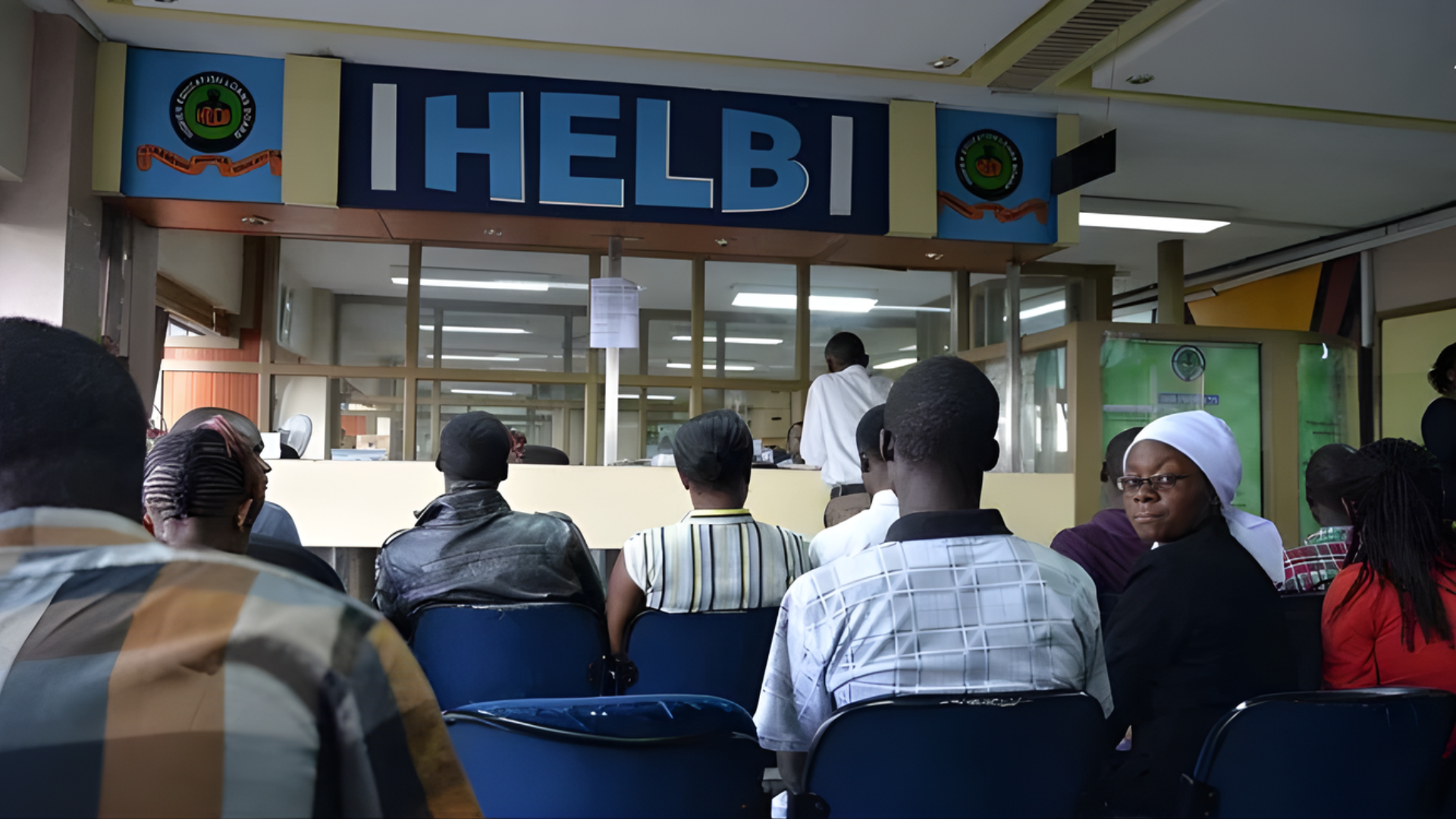
The Higher Education Loans Board has launched a nationwide enforcement drive mandating automatic salary deductions for private sector employees who have defaulted on their student loans, partnering with the Kenya Revenue Authority to notify employers and update repayment statuses.
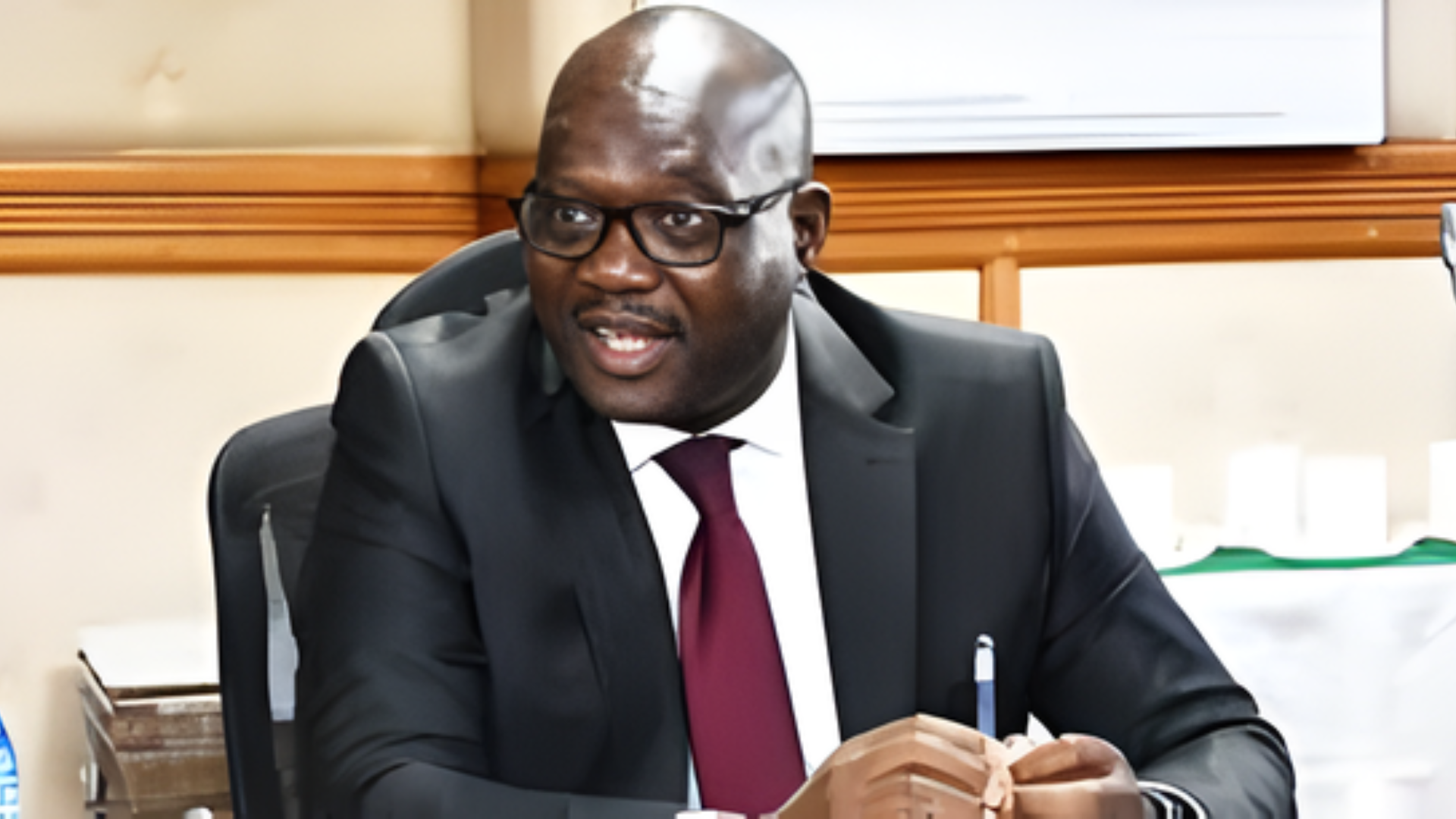
In a circular dated December 5, 2025, HELB CEO Charles Ringera directed all private employers to implement 10 percent monthly deductions from defaulters' salaries starting January 2026, with the funds remitted directly to the board through KRA's iTax system.
The measure targets an estimated 1.2 million defaulters, whose outstanding loans total Sh120 billion as of June 2025, up 15 percent from the previous year. HELB data shows 68 percent of defaulters are in the private sector, including graduates from banking, IT, and manufacturing firms earning above the KSh 20,000 threshold for deductions.
Ringera said the enforcement follows a High Court ruling in October 2025 upholding HELB's powers under the Higher Education Loans Board Order of 1995 to garnish wages for recovery. "For too long, defaulters have evaded responsibility, leaving future generations to bear the burden," Ringera told journalists at HELB headquarters in Nairobi. "This partnership with KRA ensures seamless collection. Employers will receive monthly lists of their staff's status, and deductions will commence immediately upon notification."
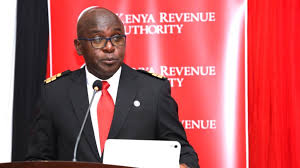
KRA Commissioner-General Andrew Kibet confirmed the collaboration, noting that the authority's payroll system will automate remittances. "We are integrating HELB data with iTax to flag defaulters during PAYE processing," Kibet said. "Employers who fail to deduct and remit will face penalties under the Income Tax Act, including fines of up to 200 percent of the unpaid amount."
The rollout has sparked anxiety among young professionals. In Nairobi's Industrial Area, 28-year-old IT analyst Sarah Mwangi, a 2019 University of Nairobi graduate, received her default notice last week. "I borrowed Sh800,000 for my degree and repaid Sh120,000 before job loss in 2023," Mwangi said. "Now they want 10 percent of my Sh45,000 salary—KSh 4,500 monthly. That's my transport and rent. HELB didn't consider my unemployment or the pandemic's impact."
Mwangi's story is common. HELB's recovery rate stands at 52 percent, with Sh65 billion recovered from Sh125 billion disbursed since 1999. The board attributes low repayment to economic shocks, but critics say inflexible terms exacerbate defaults.
Kenya Private Sector Alliance CEO Carole Kariuki warned the deductions could strain businesses. "Small firms employing 10–20 staff may lose key talent if salaries drop sharply," Kariuki said. "We urge HELB to offer grace periods for hardship cases."
HELB's Ringera countered that the board has mechanisms for appeals. "Defaulters can apply for restructuring if facing genuine hardship," he said. "But willful evasion must stop. Our graduates benefit from taxpayer-funded education; repayment is a civic duty."
The enforcement extends to diaspora remittances, with HELB partnering with banks to intercept 20 percent of outward transfers from defaulters. In the UK, Kenyan nurses like 32-year-old Jane Otieno have reported frozen accounts. "I send Sh30,000 monthly to my family; now HELB takes KSh 6,000 before it reaches them," Otieno said from London. "I defaulted after COVID layoffs, but this feels like double punishment."
Legal challenges are mounting. The Law Society of Kenya has filed a petition questioning the deductions' constitutionality. LSK President Eric Theuri: "Article 41 guarantees fair remuneration; arbitrary 10 percent garnishment violates this without judicial oversight."
HELB defends the rate as standard for unsecured loans, citing Section 90 of the Civil Procedure Act. "Courts have upheld our recovery powers," Ringera said. "We recover through garnishee orders when necessary."
The drive coincides with HELB's Sh45 billion disbursement for 2025/26, targeting 150,000 students. Board Chair Florence Muinde: "Sustainable funding requires repayment. Defaults hurt future scholars."
Employers like Nairobi-based HR consultant David Kimani received lists of 12 defaulters last week. "We must comply or face KRA audits," Kimani said. "But it erodes trust—staff feel spied on."
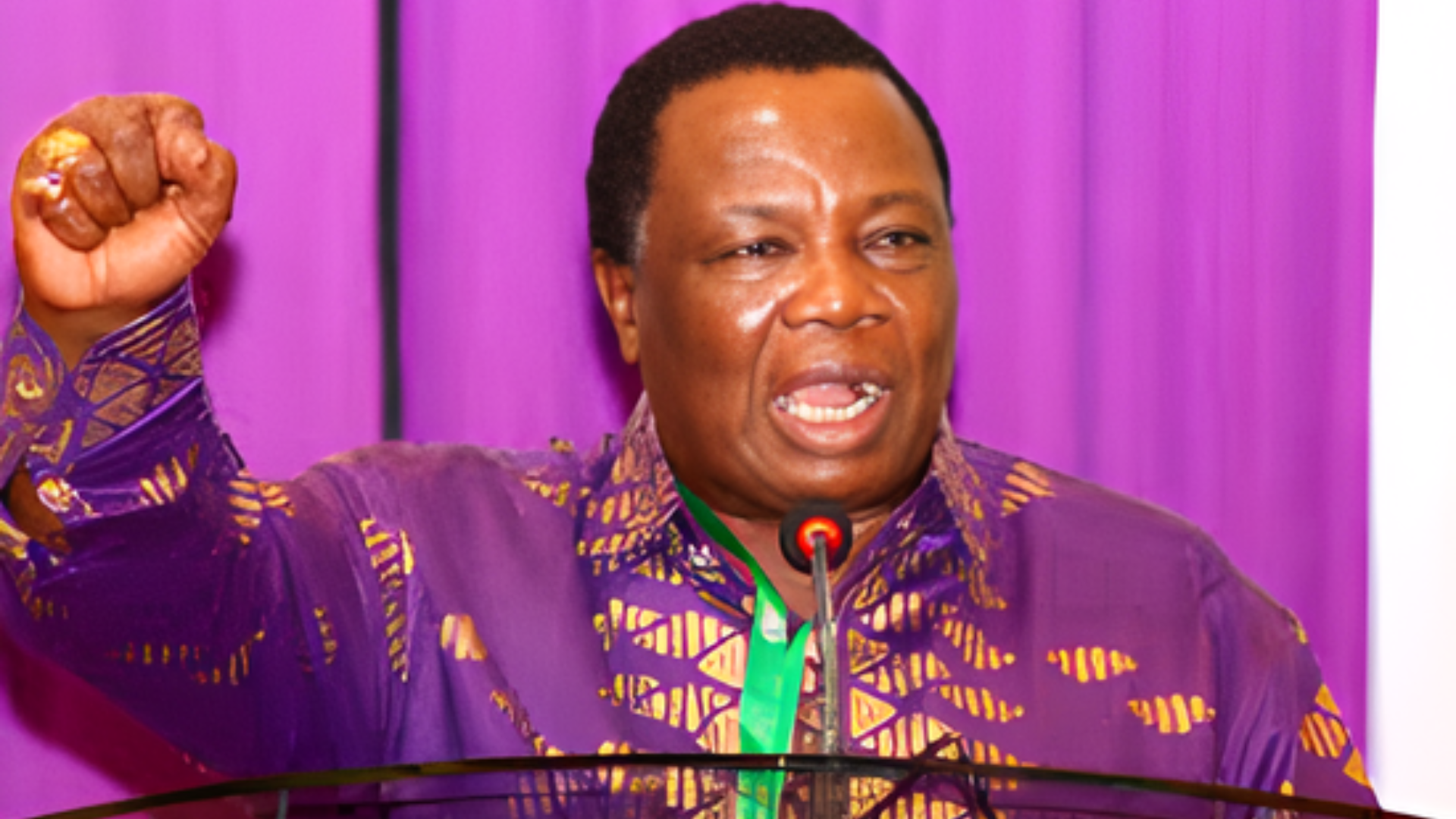
Unions have called for dialogue. Central Organisation of Trade Unions Secretary-General Francis Atwoli: "Deductions should be negotiated, not imposed. Many defaults stem from low wages, not laziness."
As January nears, HELB prepares for pushback. Ringera: "We are open to reforms, but recovery is non-negotiable." For Mwangi and Otieno, the deductions loom as a harsh reminder of debts from degrees that promised opportunity but delivered obligation.