 Faith Masita
In a decisive development for Kenya’s controversial privatisation agenda, the High Court has dismissed a series of petitions challenging the constitutionality of the Privatisation Act, 2025 effectively removing a major legal obstacle to the sale of stakes in state-owned enterprises, including plans involving Kenya Pipeline Company Limited.
The petitions, filed by civil society actors, lawmakers and activists earlier this year, argued that the new law which replaced the now-invalidated 2023 framework was enacted without adequate public participation and undermined constitutional safeguards. Opponents also sought to prevent the planned divestiture of government shareholdings in strategic public assets, contending that key procedural safeguards had been sidelined.
However, High Court judges found no merit in the challenges, dismissing them on procedural and substantive grounds. The ruling clears the way for the Privatisation Act to remain the legal bedrock underpinning the government’s plan to offload stakes in a range of parastatals a move seen as critical to fiscal strategy and economic restructuring.
Under the 2025 Act, the government is empowered to identify and proceed with the sale or restructuring of state corporations, subject to newly defined oversight and engagement provisions that were absent in the 2023 law. The legislation has been framed by proponents as essential to unlocking capital, modernising public enterprises and reducing the fiscal burden on the national budget.
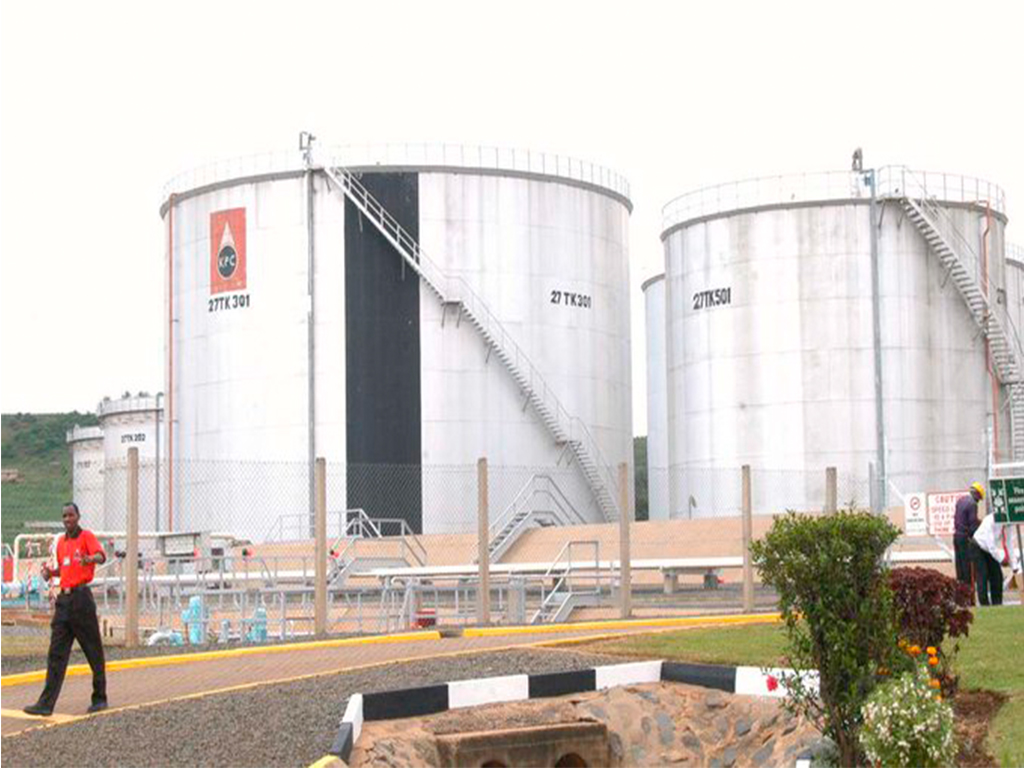
One of the most high-profile planned transactions is the partial privatisation of Kenya Pipeline Company, where the government intends to reduce its ownership and raise significant revenue part of a broader strategy to stimulate investment and support public finances. Critics, however, remain vocal, having previously lodged fresh legal challenges asserting that such sales could compromise national economic sovereignty and infringe constitutional guarantees of meaningful public participation.
Supporters of the privatisation drive, including senior policy makers, argue that the 2025 framework responds to past judicial concerns by entrenching clearer procedures and stakeholder engagements before any asset sale can proceed. They maintain that this modernised architecture will attract private capital, enhance efficiency in state corporations and shield public resources from long-term fiscal strain.
While the High Court’s decision marks a major milestone for the government’s privatisation programme, legal and political debates are far from over. Opponents have hinted at possible appeals and continued scrutiny of specific transactions especially those involving strategic assets such as Kenya Pipeline Company signalling that the contest over how and when public companies should be privatised is likely to persist.
Nation Africa
The petitions, filed by civil society actors, lawmakers and activists earlier this year, argued that the new law which replaced the now-invalidated 2023 framework was enacted without adequate public participation and undermined constitutional safeguards. Opponents also sought to prevent the planned divestiture of government shareholdings in strategic public assets, contending that key procedural safeguards had been sidelined.
However, High Court judges found no merit in the challenges, dismissing them on procedural and substantive grounds. The ruling clears the way for the Privatisation Act to remain the legal bedrock underpinning the government’s plan to offload stakes in a range of parastatals a move seen as critical to fiscal strategy and economic restructuring.
Under the 2025 Act, the government is empowered to identify and proceed with the sale or restructuring of state corporations, subject to newly defined oversight and engagement provisions that were absent in the 2023 law. The legislation has been framed by proponents as essential to unlocking capital, modernising public enterprises and reducing the fiscal burden on the national budget.
One of the most high-profile planned transactions is the partial privatisation of Kenya Pipeline Company, where the government intends to reduce its ownership and raise significant revenue part of a broader strategy to stimulate investment and support public finances. Critics, however, remain vocal, having previously lodged fresh legal challenges asserting that such sales could compromise national economic sovereignty and infringe constitutional guarantees of meaningful public participation.
Supporters of the privatisation drive, including senior policy makers, argue that the 2025 framework responds to past judicial concerns by entrenching clearer procedures and stakeholder engagements before any asset sale can proceed. They maintain that this modernised architecture will attract private capital, enhance efficiency in state corporations and shield public resources from long-term fiscal strain.
While the High Court’s decision marks a major milestone for the government’s privatisation programme, legal and political debates are far from over. Opponents have hinted at possible appeals and continued scrutiny of specific transactions especially those involving strategic assets such as Kenya Pipeline Company signalling that the contest over how and when public companies should be privatised is likely to persist.
Nation Africa