 Faith Masita
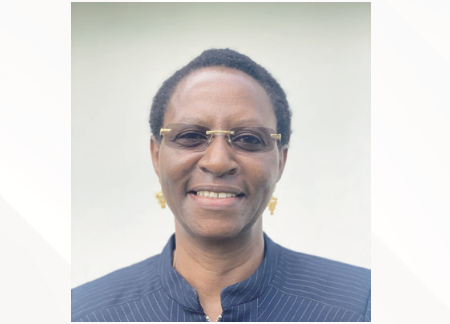
In a twist of one of Kenya’s most high-profile business disputes, High Court Judge Njoki Mwangi has stepped aside from hearing the Sh3 billion case involving Kenya Breweries Limited (KBL) .The judge said she had to withdraw from the case because of a possible conflict of interest that could affect the fairness and integrity of the proceedings.
The decision, handed down during a court session this week, marks the second time a judge has stepped aside from this dispute. Just days earlier, Justice Freda Mugambi also withdrew from the case under similar concerns, throwing the timetable for resolution into fresh uncertainty.
Mwangi’s move is more than a procedural hiccup it exposes fault lines in Kenya’s commercial justice system as it grapples with one of the largest civil petitions in recent corporate history. Her order directs that the matter be reassigned by the Principal Judge of the Commercial Division, effectively pausing proceedings until a new judge is appointed.
The Turmoil.
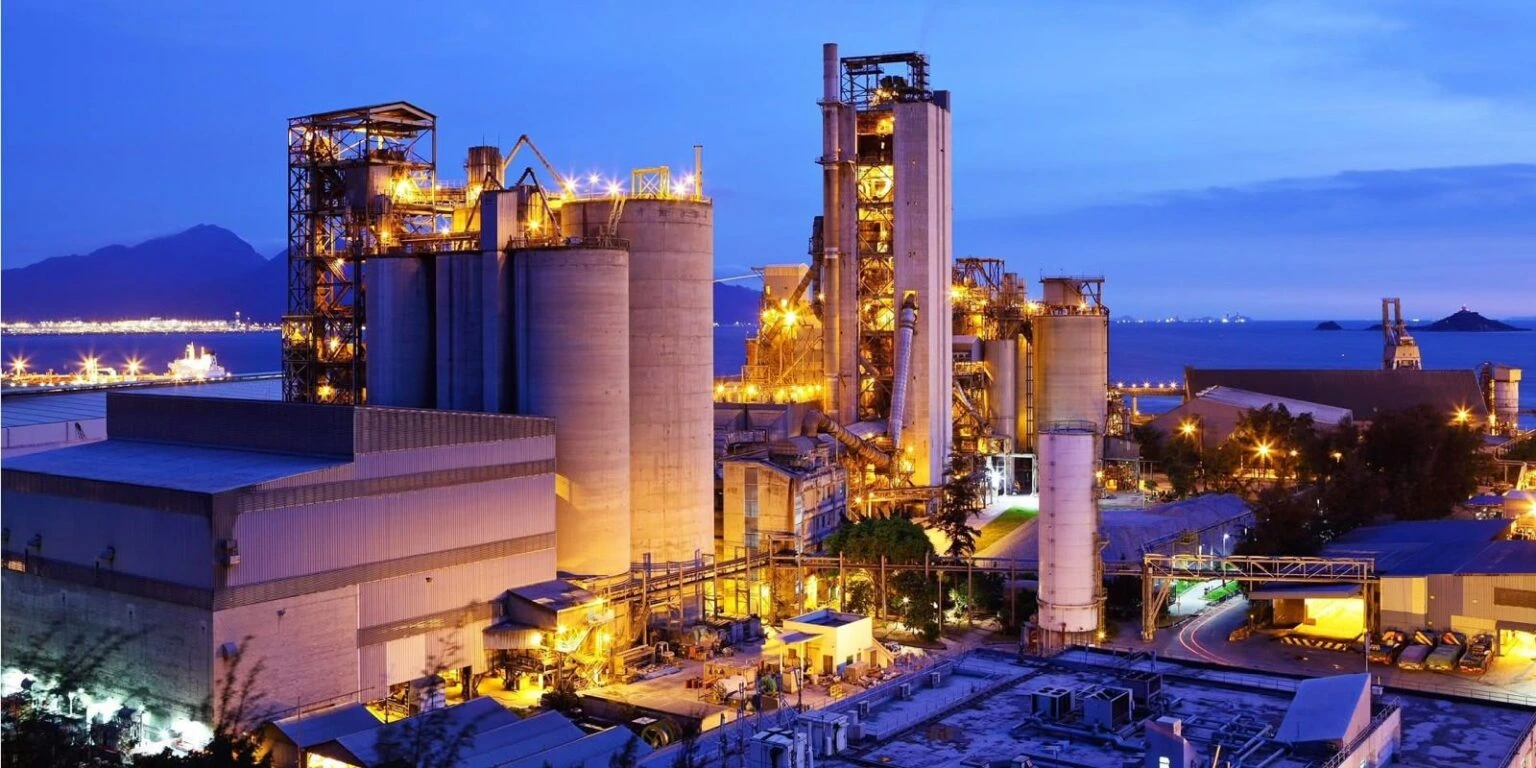
This dispute is an arbitration process triggered by claims and counter-claims between KBL the iconic brewer largely owned by the global giant Diageo PLC and JILK, the contractor behind the Kisumu mega-brewery project.
Originally contracted for civil works on what was billed as one of Kenya’s biggest private investments in Western Kenya, the project later exploded into acrimony, with JILK walking away and seeking billions more than its original claim.
In response, KBL filed a petition arguing the arbitration was tainted by collusion and bias, alleging secret meetings and inflated claims engineered to extract an unfair financial windfall. These claims are backed by a whistleblowers’ report reportedly lodged with investigators in 2022 and now central to the firm’s request for the court to intervene before an award is issued.
The Sportlight
Observers say two judges bowing out of the case sends a powerful signal: Kenya’s judiciary is taking perceived conflicts seriously, even in cases laden with corporate muscle and political economy implications. But it also raises questions about case management, scheduling and how quickly the courts can bring closure to disputes that have direct impacts on jobs, investment confidence, and foreign capital flows.
For KBL which has been navigating wider strategic shifts as major shareholders prepare to exit the Kenyan market the delay is particularly costly. The brewer has been publicly pushing for urgent handling of the petition, arguing that unresolved legal uncertainty could imperil broader investment plans.
When the matter returns to court, a freshly assigned judge must start in a climate thick with expectations and scrutiny from corporate Kenya, legal practitioners, and investors watching whether the dispute will finally be resolved on its merits. For now, the recusal by Judge Mwangi reinforces a hard reality in legal battles of this magnitude, who hears the case matters as much as the arguments.
Mwangi’s move is more than a procedural hiccup it exposes fault lines in Kenya’s commercial justice system as it grapples with one of the largest civil petitions in recent corporate history. Her order directs that the matter be reassigned by the Principal Judge of the Commercial Division, effectively pausing proceedings until a new judge is appointed.
The Turmoil.
This dispute is an arbitration process triggered by claims and counter-claims between KBL the iconic brewer largely owned by the global giant Diageo PLC and JILK, the contractor behind the Kisumu mega-brewery project.
Originally contracted for civil works on what was billed as one of Kenya’s biggest private investments in Western Kenya, the project later exploded into acrimony, with JILK walking away and seeking billions more than its original claim.
In response, KBL filed a petition arguing the arbitration was tainted by collusion and bias, alleging secret meetings and inflated claims engineered to extract an unfair financial windfall. These claims are backed by a whistleblowers’ report reportedly lodged with investigators in 2022 and now central to the firm’s request for the court to intervene before an award is issued.
The Sportlight
Observers say two judges bowing out of the case sends a powerful signal: Kenya’s judiciary is taking perceived conflicts seriously, even in cases laden with corporate muscle and political economy implications. But it also raises questions about case management, scheduling and how quickly the courts can bring closure to disputes that have direct impacts on jobs, investment confidence, and foreign capital flows.
For KBL which has been navigating wider strategic shifts as major shareholders prepare to exit the Kenyan market the delay is particularly costly. The brewer has been publicly pushing for urgent handling of the petition, arguing that unresolved legal uncertainty could imperil broader investment plans.
When the matter returns to court, a freshly assigned judge must start in a climate thick with expectations and scrutiny from corporate Kenya, legal practitioners, and investors watching whether the dispute will finally be resolved on its merits. For now, the recusal by Judge Mwangi reinforces a hard reality in legal battles of this magnitude, who hears the case matters as much as the arguments.