The High Court has ordered the national government to pay Sh102.5 million in compensation to 41 judges whose appointments were unlawfully delayed or never effected by former President Uhuru Kenyatta during his second term.
In a judgment delivered by Justice Chacha Mwita on February 18, 2026, the court found that the former President violated the petitioners’ rights to fair administrative action, equality before the law and protection from discrimination under Articles 27, 47 and 50 of the Constitution when he failed to appoint them despite their successful interviews and recommendations by the Judicial Service Commission (JSC) in 2021.
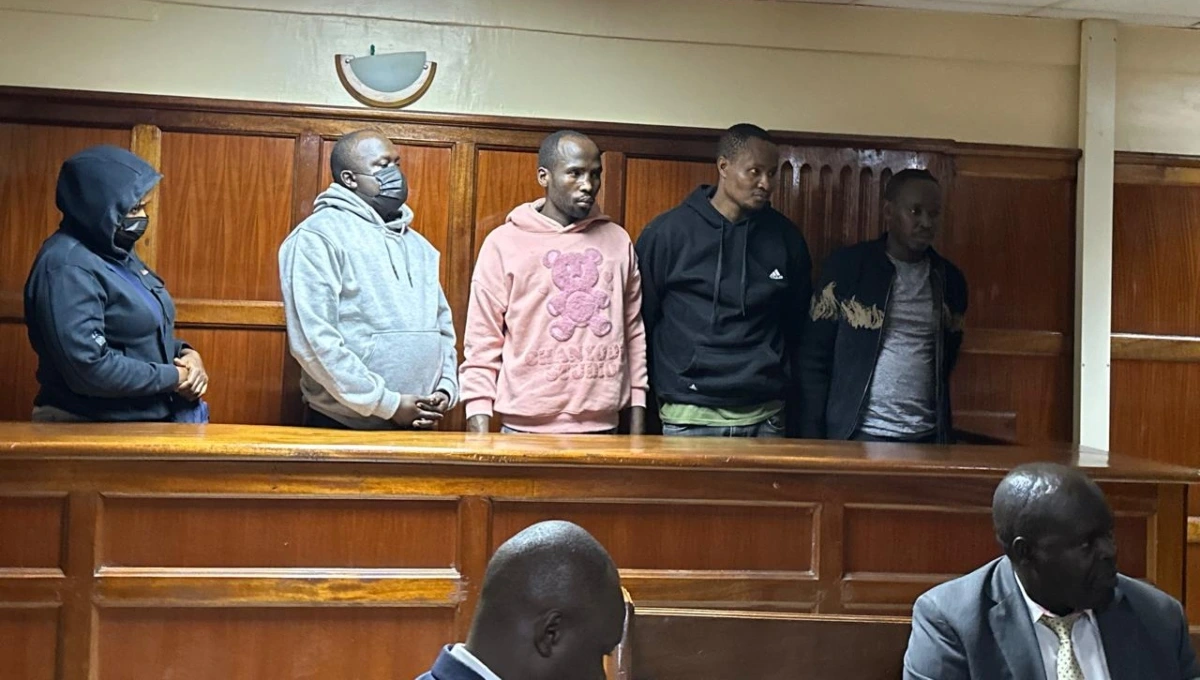
The 41 petitioners—comprising magistrates, Kadhi Court judges and advocates recommended for elevation to the High Court and Court of Appeal—had sued the Attorney General and the JSC, seeking declarations of unconstitutionality, mandamus to compel their appointment and damages for the harm suffered.
Justice Mwita ruled that the President’s inaction amounted to an abuse of executive power and a breach of the constitutional timeline for judicial appointments. “The President is not at liberty to indefinitely withhold assent to names forwarded by the JSC,” the judge stated. “Once the Commission has conducted interviews, verified integrity and forwarded names, the President must act within a reasonable time. Prolonged silence is not discretion; it is dereliction of duty.”
The court calculated compensation at Sh2.5 million per petitioner, totalling Sh102.5 million, to cover lost earnings, career stagnation, psychological distress and violation of dignity. Each judge was also awarded costs of the suit.
The petitioners had argued that the failure to appoint them created uncertainty, blocked career progression and exposed them to public ridicule and professional disadvantage. One petitioner, a magistrate who had waited four years, told the court: “I was publicly interviewed, recommended and then left in limbo. My juniors were appointed while I remained in the same position. The pain was immense.”
The Attorney General had defended the former President’s discretion, arguing that appointment is a prerogative power not subject to judicial review. Justice Mwita rejected the argument, holding that the power is constitutional and must be exercised lawfully, reasonably and within time limits implied by the need for an efficient judiciary.
“The Constitution does not permit the executive to paralyse the judiciary by refusing to appoint recommended judges,” Mwita ruled. “Such conduct undermines judicial independence, delays justice delivery and deprives litigants of timely access to courts.”
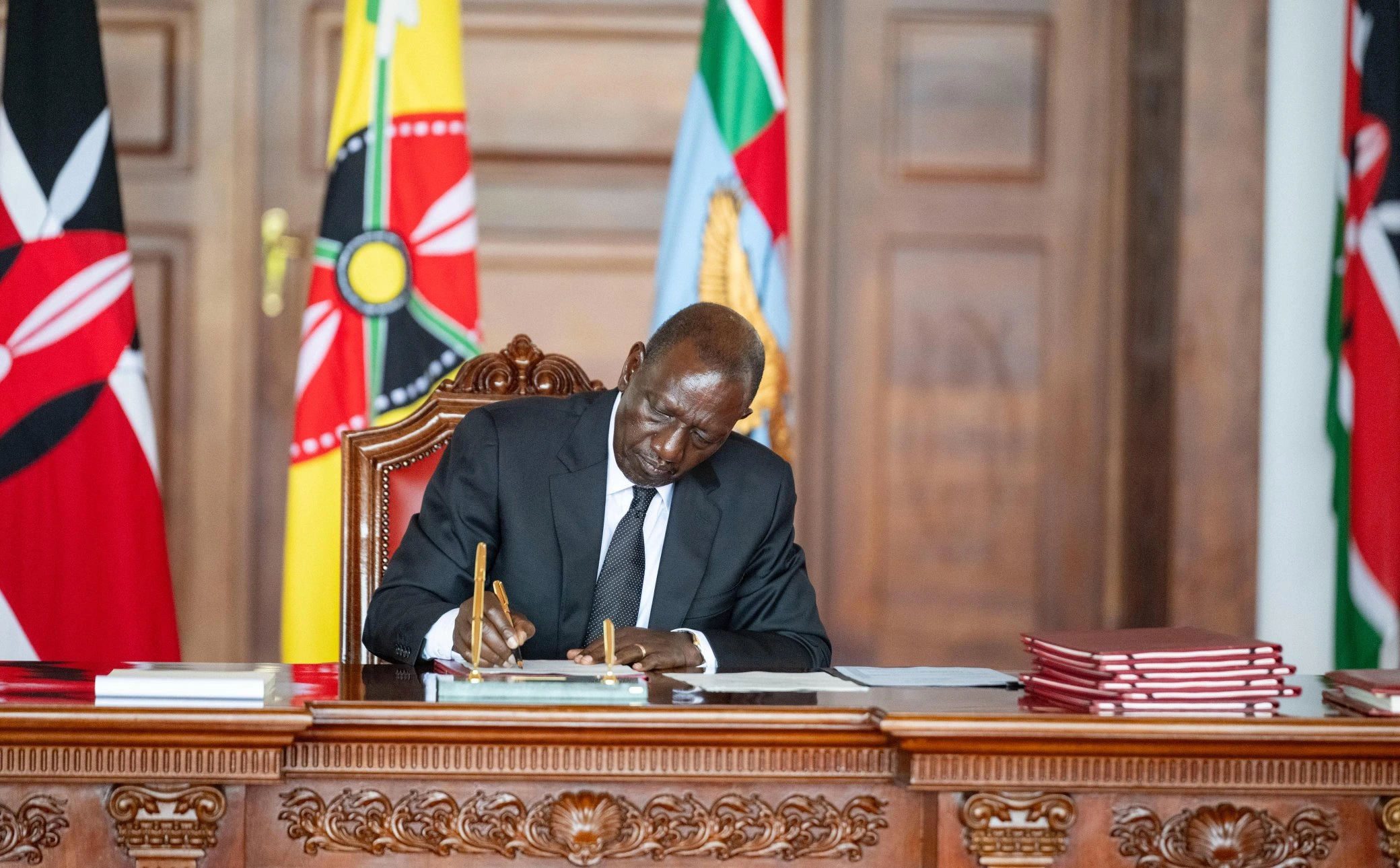
The judgment directs the Treasury to pay the compensation within 90 days and orders the current President to appoint the petitioners within 60 days of the ruling, unless the decision is stayed on appeal. The court also issued a declaration that the petitioners are entitled to be sworn in as judges with seniority backdated to the date their names were forwarded by the JSC.
The ruling has been welcomed by the Law Society of Kenya and the Judicial Service Commission. LSK President Faith Odhiambo said: “This decision vindicates the rule of law and protects judicial independence. No President should hold the judiciary hostage by refusing to appoint recommended judges.”
The JSC Chairperson Justice Martha Koome described the judgment as “a landmark affirmation of constitutionalism.” “Judicial appointments must be timely and transparent,” Koome said. “Delay or refusal without lawful reason violates the Constitution and harms the administration of justice.”
Former President Uhuru Kenyatta has not commented on the ruling. His allies have indicated plans to appeal, arguing that the court overstepped by directing appointments and awarding compensation.
The case stems from the 2021 JSC interviews where 40 High Court and one Court of Appeal vacancies were advertised. The Commission forwarded 68 names to the President, but only 34 were appointed, leaving the petitioners in limbo for years.
Legal scholars say the judgment strengthens accountability in the appointment process and may deter future delays. “The court has drawn a clear line,” said constitutional lawyer Steve Oundo. “The President’s discretion is not absolute; it must be exercised reasonably and promptly.”
The government has 30 days to file an appeal or comply with the orders. Meanwhile, the petitioners and the judiciary await the outcome of what could become a defining case on separation of powers and judicial independence.