 Diana Muthini
How Wellness, Culture, and Community Are Redefining Modern Living
The way people approach daily life is shifting fast in 2026. Across health, social habits, and cultural identity, lifestyle is no longer just about trends — it’s becoming a reflection of values, balance, and intentional living. Today’s biggest developments reveal a world moving toward smarter wellness, meaningful connection, and sustainable routines.
A New Era of Preventive Wellness
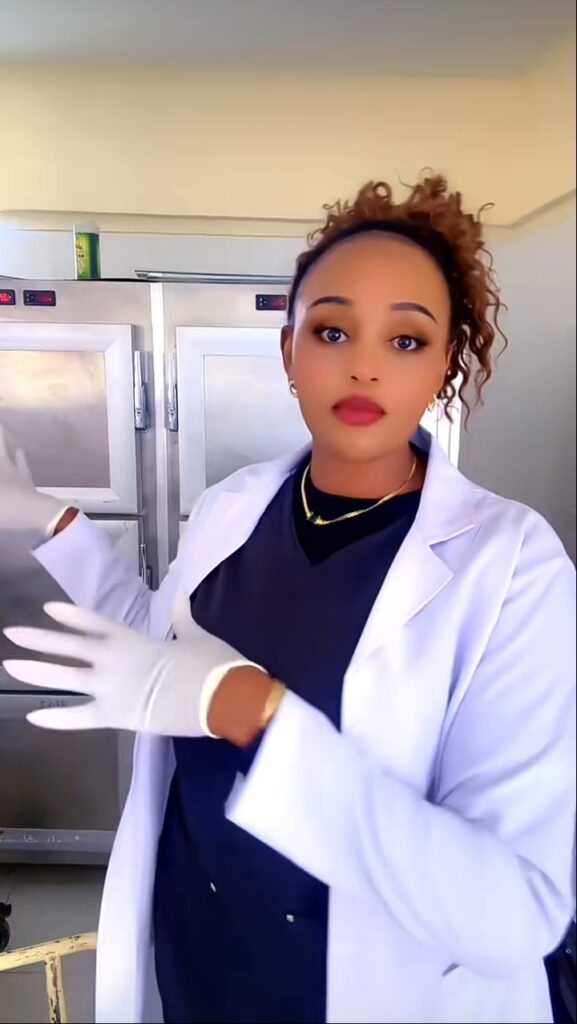
Healthcare professionals and patients alike are embracing lifestyle medicine — a growing approach that focuses on nutrition, movement, sleep, and stress management as core treatment tools. Experts say this shift is helping reduce burnout among medical workers while empowering individuals to take a more active role in their own health. Rather than quick fixes, the emphasis is now on long-term habits that support both physical and mental resilience.
Technology is accelerating this change. Wearable devices, personalized health insights, and virtual consultations are making preventive care more accessible than ever. For many people, wellness is becoming a daily practice rather than a reaction to illness.
Social Life Goes Alcohol-Free and Health-Focused
One of the most talked-about lifestyle movements is the rise of wellness-centered social events. At Bondi Beach in Australia, sunrise sauna gatherings and early-morning fitness parties are turning traditional nightlife culture on its head. These events combine music, community, and physical well-being — showing that social connection no longer depends on late nights or unhealthy habits.
This broader shift toward mindful socializing reflects changing priorities, especially among younger generations who value energy, mental clarity, and meaningful experiences over excess.
Celebrity Influence Sparks Health Conversations
Global pop culture continues to shape lifestyle debates. Jung Kook of BTS recently drew attention for following a one-meal-a-day routine to manage his demanding schedule. While some fans see it as discipline and efficiency, nutrition experts warn that highly restrictive diets may not suit everyone. The conversation highlights a growing public interest in sustainable health choices rather than extreme routines.
Lifestyle as Cultural Identity
A global study by Pew Research Center reveals that people increasingly associate national pride with lifestyle elements such as food, art, and daily customs. This trend shows how personal well-being and cultural expression are becoming intertwined. From culinary traditions to leisure habits, lifestyle is now viewed as a defining feature of identity in a globalized world.
Comfort, Balance, and the Rise of Intentional Living
Across fashion, work, and home life, comfort and function are dominating decision-making. Hybrid clothing that transitions from exercise to everyday wear is becoming standard, while homes are being designed as wellness spaces that support relaxation, productivity, and mental clarity.
Experts describe this as the era of “intentional living” — a mindset focused on aligning daily habits with personal values. Whether through mindful routines, curated living spaces, or digital detox practices, people are seeking quality of life over constant productivity.
Looking Ahead
Today’s lifestyle landscape reflects a powerful transformation: health is holistic, community is purposeful, and culture is personal. As technology advances and global influences continue to blend, the modern lifestyle is defined less by trends and more by conscious choices that support long-term well-being.
In 2026, how people live is no longer just a matter of routine — it’s a statement about what truly matters.
The way people approach daily life is shifting fast in 2026. Across health, social habits, and cultural identity, lifestyle is no longer just about trends — it’s becoming a reflection of values, balance, and intentional living. Today’s biggest developments reveal a world moving toward smarter wellness, meaningful connection, and sustainable routines.
A New Era of Preventive Wellness
Healthcare professionals and patients alike are embracing lifestyle medicine — a growing approach that focuses on nutrition, movement, sleep, and stress management as core treatment tools. Experts say this shift is helping reduce burnout among medical workers while empowering individuals to take a more active role in their own health. Rather than quick fixes, the emphasis is now on long-term habits that support both physical and mental resilience.
Technology is accelerating this change. Wearable devices, personalized health insights, and virtual consultations are making preventive care more accessible than ever. For many people, wellness is becoming a daily practice rather than a reaction to illness.
Social Life Goes Alcohol-Free and Health-Focused
One of the most talked-about lifestyle movements is the rise of wellness-centered social events. At Bondi Beach in Australia, sunrise sauna gatherings and early-morning fitness parties are turning traditional nightlife culture on its head. These events combine music, community, and physical well-being — showing that social connection no longer depends on late nights or unhealthy habits.
This broader shift toward mindful socializing reflects changing priorities, especially among younger generations who value energy, mental clarity, and meaningful experiences over excess.
Celebrity Influence Sparks Health Conversations
Global pop culture continues to shape lifestyle debates. Jung Kook of BTS recently drew attention for following a one-meal-a-day routine to manage his demanding schedule. While some fans see it as discipline and efficiency, nutrition experts warn that highly restrictive diets may not suit everyone. The conversation highlights a growing public interest in sustainable health choices rather than extreme routines.
Lifestyle as Cultural Identity
A global study by Pew Research Center reveals that people increasingly associate national pride with lifestyle elements such as food, art, and daily customs. This trend shows how personal well-being and cultural expression are becoming intertwined. From culinary traditions to leisure habits, lifestyle is now viewed as a defining feature of identity in a globalized world.
Comfort, Balance, and the Rise of Intentional Living
Across fashion, work, and home life, comfort and function are dominating decision-making. Hybrid clothing that transitions from exercise to everyday wear is becoming standard, while homes are being designed as wellness spaces that support relaxation, productivity, and mental clarity.
Experts describe this as the era of “intentional living” — a mindset focused on aligning daily habits with personal values. Whether through mindful routines, curated living spaces, or digital detox practices, people are seeking quality of life over constant productivity.
Looking Ahead
Today’s lifestyle landscape reflects a powerful transformation: health is holistic, community is purposeful, and culture is personal. As technology advances and global influences continue to blend, the modern lifestyle is defined less by trends and more by conscious choices that support long-term well-being.
In 2026, how people live is no longer just a matter of routine — it’s a statement about what truly matters.