 Diana Muthini
Why Someone Can Be HIV Positive but Not Sick for Many Years
Human Immunodeficiency Virus (HIV) is often misunderstood as a condition that quickly causes severe illness. In reality, many people who are HIV positive remain healthy and symptom-free for years — sometimes decades. This happens because of how the virus behaves in the body, how the immune system responds, and how modern treatment works.
Understanding why this happens helps reduce fear, stigma, and confusion about HIV.
1. HIV Progresses in Stages — And the Long Middle Stage Can Last Years
HIV infection does not immediately destroy the immune system. It typically progresses through three stages:
Acute Stage (Early Infection)
This occurs 2–6 weeks after infection. Some people develop flu-like symptoms, while others feel completely normal. The virus multiplies rapidly, but the immune system quickly responds.
Clinical Latency Stage (Chronic HIV)
This is the key reason many people stay healthy for a long time. During this phase:
The virus is still active but reproduces at low levels
The immune system continues functioning
The person may have no symptoms at all
Without treatment, this stage can last 8–12 years on average. With treatment, it can last a lifetime.
AIDS (Advanced Stage)
This stage occurs only if the immune system becomes severely damaged. Today, many people never reach this stage because of effective treatment.
2. The Immune System Can Control HIV for a Long Time
After infection, the body does not give up. The immune system actively fights HIV by:
Producing antibodies
Activating specialized immune cells
Slowing viral replication
Even though HIV attacks immune cells (especially CD4 T cells), the body continuously replaces many of them. For years, the immune system can maintain a balance — losing cells but also producing new ones.
This balance is why a person may feel completely healthy while HIV is present.
3. Some People Naturally Control the Virus Better
Human biology varies. Some individuals have genetic or immune traits that slow HIV progression.
Long-Term Nonprogressors
These individuals:
Live many years without symptoms
Maintain stable immune function
May never develop advanced disease without treatment
Elite Controllers
A very small group can suppress the virus to extremely low levels without medication. Their immune systems are especially effective at controlling HIV.
These natural differences explain why progression is not the same for everyone.
4. Modern Treatment Stops the Virus From Causing Damage
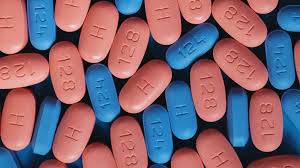
Today, antiretroviral therapy (ART) is the biggest reason people with HIV remain healthy.
ART works by:
Blocking the virus from multiplying
Protecting immune cells
Reducing the amount of virus in the body to very low levels
When treatment is taken consistently:
The immune system stays strong
Illness may never develop
Life expectancy can be close to normal
The virus can become undetectable in blood tests
This means someone can live for decades with HIV and never appear sick.
5. HIV Often Causes No Symptoms Until the Immune System Is Weak
Many infections cause immediate symptoms because they damage tissues quickly. HIV is different. It works slowly and quietly by weakening immune defenses over time rather than causing direct rapid damage.
Because of this:
A person may feel perfectly healthy
Daily life is unaffected
The virus can remain unnoticed without testing
This silent period is one reason routine testing is important.
6. Health, Nutrition, and Lifestyle Matter
General health plays a role in how HIV affects the body. People who:
Eat nutritious food
Avoid substance abuse
Manage stress
Receive regular medical care
often maintain stronger immune function for longer periods.
HIV progression is influenced not only by the virus, but also by the overall condition of the body it lives in.
7. Early Diagnosis Changes Everything
In the past, many people became sick because HIV was detected late. Today:
Early testing identifies infection before damage occurs
Treatment can begin immediately
The immune system stays protected
This is why many HIV-positive individuals today live long, healthy lives without obvious illness.
8. Being HIV Positive Is Not the Same as Having AIDS
A major source of confusion is the difference between HIV infection and advanced disease.
Being HIV positive means: ✔ The virus is present
✔ The immune system may still be strong
✔ A person can feel completely normal
AIDS develops only when immune damage becomes severe — and modern treatment can prevent this.
Conclusion
A person can be HIV positive but not sick for many years because HIV progresses slowly, the immune system can control it for a long time, and modern treatment prevents damage. With proper care, HIV is now considered a manageable chronic condition rather than a rapidly fatal disease.
Understanding this reality helps replace fear with knowledge and highlights the importance of testing, treatment, and medical support.
Human Immunodeficiency Virus (HIV) is often misunderstood as a condition that quickly causes severe illness. In reality, many people who are HIV positive remain healthy and symptom-free for years — sometimes decades. This happens because of how the virus behaves in the body, how the immune system responds, and how modern treatment works.
Understanding why this happens helps reduce fear, stigma, and confusion about HIV.
1. HIV Progresses in Stages — And the Long Middle Stage Can Last Years
HIV infection does not immediately destroy the immune system. It typically progresses through three stages:
Acute Stage (Early Infection)
This occurs 2–6 weeks after infection. Some people develop flu-like symptoms, while others feel completely normal. The virus multiplies rapidly, but the immune system quickly responds.
Clinical Latency Stage (Chronic HIV)
This is the key reason many people stay healthy for a long time. During this phase:
The virus is still active but reproduces at low levels
The immune system continues functioning
The person may have no symptoms at all
Without treatment, this stage can last 8–12 years on average. With treatment, it can last a lifetime.
AIDS (Advanced Stage)
This stage occurs only if the immune system becomes severely damaged. Today, many people never reach this stage because of effective treatment.
2. The Immune System Can Control HIV for a Long Time
After infection, the body does not give up. The immune system actively fights HIV by:
Producing antibodies
Activating specialized immune cells
Slowing viral replication
Even though HIV attacks immune cells (especially CD4 T cells), the body continuously replaces many of them. For years, the immune system can maintain a balance — losing cells but also producing new ones.
This balance is why a person may feel completely healthy while HIV is present.
3. Some People Naturally Control the Virus Better
Human biology varies. Some individuals have genetic or immune traits that slow HIV progression.
Long-Term Nonprogressors
These individuals:
Live many years without symptoms
Maintain stable immune function
May never develop advanced disease without treatment
Elite Controllers
A very small group can suppress the virus to extremely low levels without medication. Their immune systems are especially effective at controlling HIV.
These natural differences explain why progression is not the same for everyone.
4. Modern Treatment Stops the Virus From Causing Damage
Today, antiretroviral therapy (ART) is the biggest reason people with HIV remain healthy.
ART works by:
Blocking the virus from multiplying
Protecting immune cells
Reducing the amount of virus in the body to very low levels
When treatment is taken consistently:
The immune system stays strong
Illness may never develop
Life expectancy can be close to normal
The virus can become undetectable in blood tests
This means someone can live for decades with HIV and never appear sick.
5. HIV Often Causes No Symptoms Until the Immune System Is Weak
Many infections cause immediate symptoms because they damage tissues quickly. HIV is different. It works slowly and quietly by weakening immune defenses over time rather than causing direct rapid damage.
Because of this:
A person may feel perfectly healthy
Daily life is unaffected
The virus can remain unnoticed without testing
This silent period is one reason routine testing is important.
6. Health, Nutrition, and Lifestyle Matter
General health plays a role in how HIV affects the body. People who:
Eat nutritious food
Avoid substance abuse
Manage stress
Receive regular medical care
often maintain stronger immune function for longer periods.
HIV progression is influenced not only by the virus, but also by the overall condition of the body it lives in.
7. Early Diagnosis Changes Everything
In the past, many people became sick because HIV was detected late. Today:
Early testing identifies infection before damage occurs
Treatment can begin immediately
The immune system stays protected
This is why many HIV-positive individuals today live long, healthy lives without obvious illness.
8. Being HIV Positive Is Not the Same as Having AIDS
A major source of confusion is the difference between HIV infection and advanced disease.
Being HIV positive means: ✔ The virus is present
✔ The immune system may still be strong
✔ A person can feel completely normal
AIDS develops only when immune damage becomes severe — and modern treatment can prevent this.
Conclusion
A person can be HIV positive but not sick for many years because HIV progresses slowly, the immune system can control it for a long time, and modern treatment prevents damage. With proper care, HIV is now considered a manageable chronic condition rather than a rapidly fatal disease.
Understanding this reality helps replace fear with knowledge and highlights the importance of testing, treatment, and medical support.