 EMMANUEL WEKESA
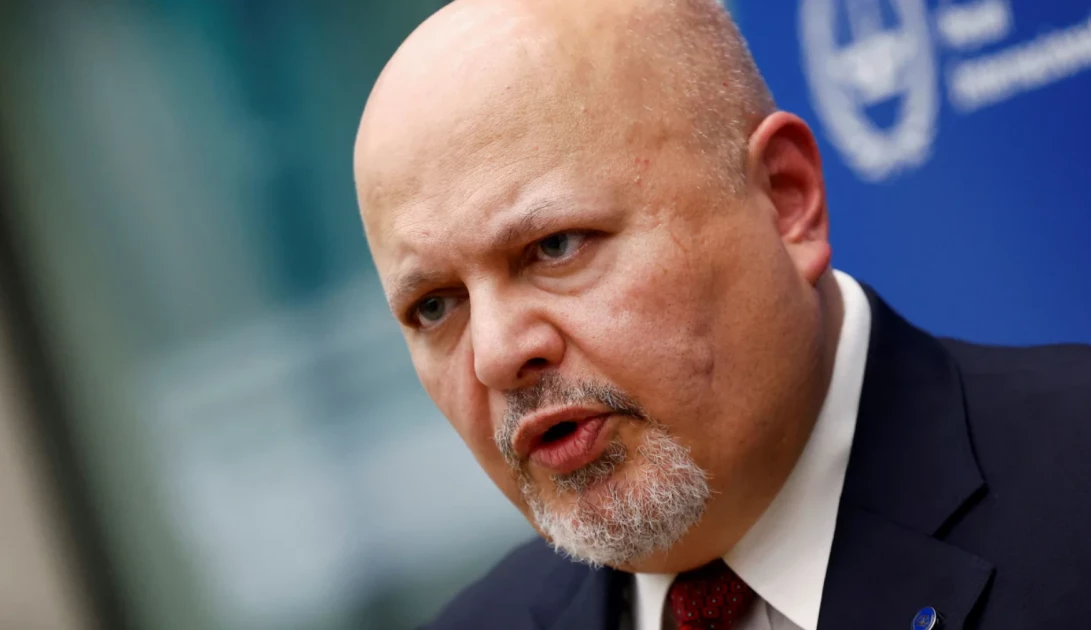
The International Criminal Court (ICC) has suspended its chief prosecutor, Karim Khan, amid allegations of sexual abuse connected to his office. The decision was reached by the 21-member bureau of the Assembly of State Parties (ASP), which has referred the case for further action by the full ASP, including all member countries of the ICC.
Implications for the ICC and Governance
The bureau's decision to suspend Khan underscores ongoing governance concerns within the ICC. Although Khan is on leave and has denied the allegations, this move reflects the court's commitment to accountability and transparency. The suspension is ostensibly temporary, pending a final decision by the ASP, which will convene a special session soon to address the case.
Despite the suspension, Khan's role in the ICC's high-profile actions, such as arrest warrants for Israeli officials in the Gaza conflict, remains noted, though he has stepped aside from some duties. The case emphasizes the court's need to uphold integrity at all levels of its leadership and operations.
The decision to suspend Khan also raises broader issues around accountability within international institutions. The ASP's upcoming session will be crucial in determining the next steps for Khan and potentially broader reforms within the ICC's governance structure.
This incident at the ICC highlights the importance of maintaining strict ethical standards among international civil servants, particularly those in leadership positions. As the court navigates through this controversy, the global community will be watching closely to assess how it manages internal misconduct and ensures trust in international justice mechanisms.