 Faith Masita
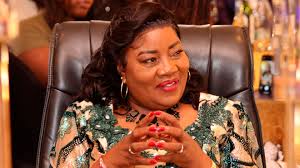
Kenyan public life is no stranger to conversations about wealth and public service but Ida Odinga’s declaration of a Ksh.500 million personal net worth during her vetting for the role of Kenya’s Ambassador and Permanent Representative to the United Nations Environment Programme (UNEP) has shifted that discussion into a new realm. The value of her disclosure isn’t just fiscal it’s symbolic, political and internationally resonant.
Redefining Wealth Transparency in Kenya’s Public Appointments
Kenya’s public vetting processes have increasingly demanded openness on financial interests, but high-profile figures often hesitate to disclose their full economic footprint. Mama Ida’s clear separation between her assets and those of the Odinga family a distinction she repeated to MPs signals a break from ambiguity that has characterised vetting dramas in the past and reinforces the idea that public figures can compartmentalise personal and public interests.
Her willingness to state her worth without being pressed into it sets a new benchmark for transparency expectations for nominees to diplomatic and high government offices.
Crafting a Diplomat Who Is Both Financially Independent and Politically Connected
At Ksh.500 million, Ida’s declared net worth positions her comfortably among Kenya’s affluent elite, but it’s her narrative around how that wealth relates to her work that’s gaining attention. Rather than dwelling on what the number says about her personal success, she used the moment to re-launch her policy priorities especially sustainable environment stewardship and inclusive climate action broadening the conversation from “what she owns” to “what she stands for.”
This suggests a shift in how potential envoys are being evaluated: not just on credentials or political legacy but on accountability and mission alignment.
Wealth as a Diplomatic Asset Or a Political Flashpoint.
In international diplomacy, personal networks and access have long played a role in soft power. A figure of Ida Odinga’s standing, with established ties to global civil society and Africa’s political elite and now a clarified financial position could wield influence beyond traditional diplomatic channels.
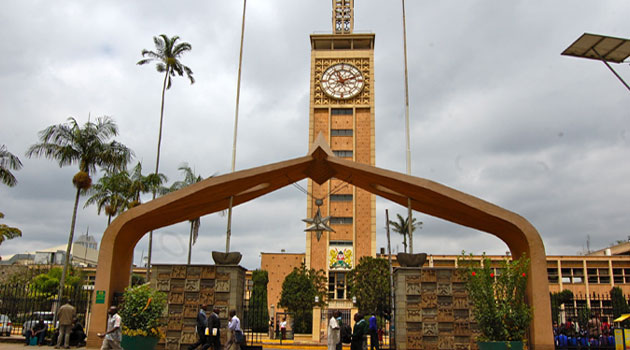
But that same wealth can ignite debate at home especially in an election year. Opponents on social media and in parliament are already framing her wealth through political prisms, linking her standing to broader questions about elite influence in foreign affairs (a trend seen in recent debates over political party financing and ODM leadership dynamics).
A Personal Legacy Meets a National Mandate
Finally, the context matters: Mama Ida’s vetting comes at a time when Kenya is redefining its global identity following the passing of her husband, former Prime Minister Raila Odinga. Her vetting and the optics around it, including her wealth disclosure is as much about continuity of legacy as it is about Kenya’s future role in environmental diplomacy.
Her tribute to Raila during the hearing highlighted this duality: a personal milestone that doubles as a national moment.
By reframing her net-worth declaration not simply as a financial statement but as a diplomatic and political signal, the story opens up larger conversations about transparency, legacy and Kenya’s role on the world stage turning what could be a footnote into a critical chapter in how public service and personal wealth intersect in modern governance.
Redefining Wealth Transparency in Kenya’s Public Appointments
Kenya’s public vetting processes have increasingly demanded openness on financial interests, but high-profile figures often hesitate to disclose their full economic footprint. Mama Ida’s clear separation between her assets and those of the Odinga family a distinction she repeated to MPs signals a break from ambiguity that has characterised vetting dramas in the past and reinforces the idea that public figures can compartmentalise personal and public interests.
Her willingness to state her worth without being pressed into it sets a new benchmark for transparency expectations for nominees to diplomatic and high government offices.
Crafting a Diplomat Who Is Both Financially Independent and Politically Connected
At Ksh.500 million, Ida’s declared net worth positions her comfortably among Kenya’s affluent elite, but it’s her narrative around how that wealth relates to her work that’s gaining attention. Rather than dwelling on what the number says about her personal success, she used the moment to re-launch her policy priorities especially sustainable environment stewardship and inclusive climate action broadening the conversation from “what she owns” to “what she stands for.”
This suggests a shift in how potential envoys are being evaluated: not just on credentials or political legacy but on accountability and mission alignment.
Wealth as a Diplomatic Asset Or a Political Flashpoint.
In international diplomacy, personal networks and access have long played a role in soft power. A figure of Ida Odinga’s standing, with established ties to global civil society and Africa’s political elite and now a clarified financial position could wield influence beyond traditional diplomatic channels.
But that same wealth can ignite debate at home especially in an election year. Opponents on social media and in parliament are already framing her wealth through political prisms, linking her standing to broader questions about elite influence in foreign affairs (a trend seen in recent debates over political party financing and ODM leadership dynamics).
A Personal Legacy Meets a National Mandate
Finally, the context matters: Mama Ida’s vetting comes at a time when Kenya is redefining its global identity following the passing of her husband, former Prime Minister Raila Odinga. Her vetting and the optics around it, including her wealth disclosure is as much about continuity of legacy as it is about Kenya’s future role in environmental diplomacy.
Her tribute to Raila during the hearing highlighted this duality: a personal milestone that doubles as a national moment.
By reframing her net-worth declaration not simply as a financial statement but as a diplomatic and political signal, the story opens up larger conversations about transparency, legacy and Kenya’s role on the world stage turning what could be a footnote into a critical chapter in how public service and personal wealth intersect in modern governance.