The Independent Electoral and Boundaries Commission (IEBC) has admitted that voter education in Kenya has for years suffered from inadequate funding, a challenge that has hindered its ability to effectively engage citizens outside election periods.
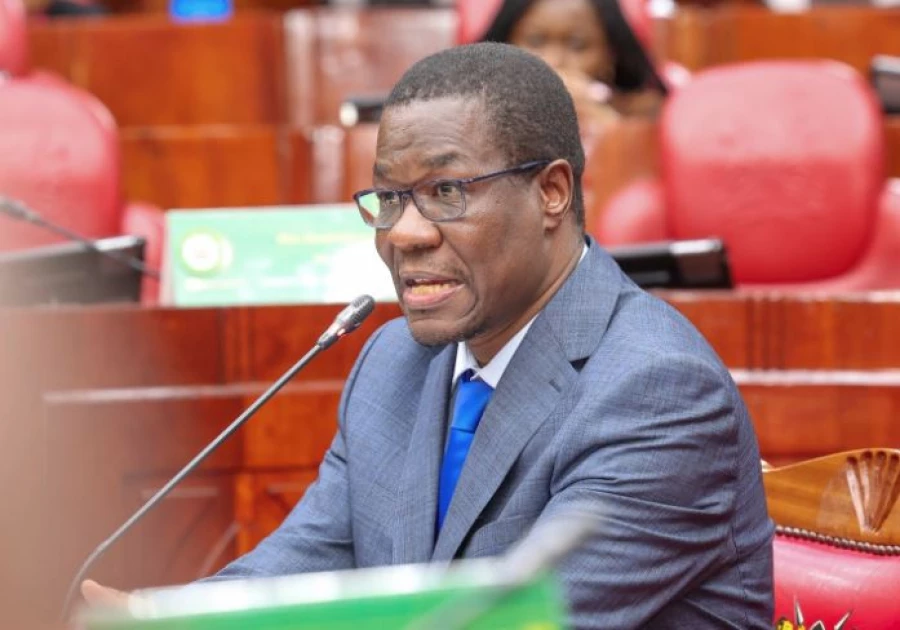
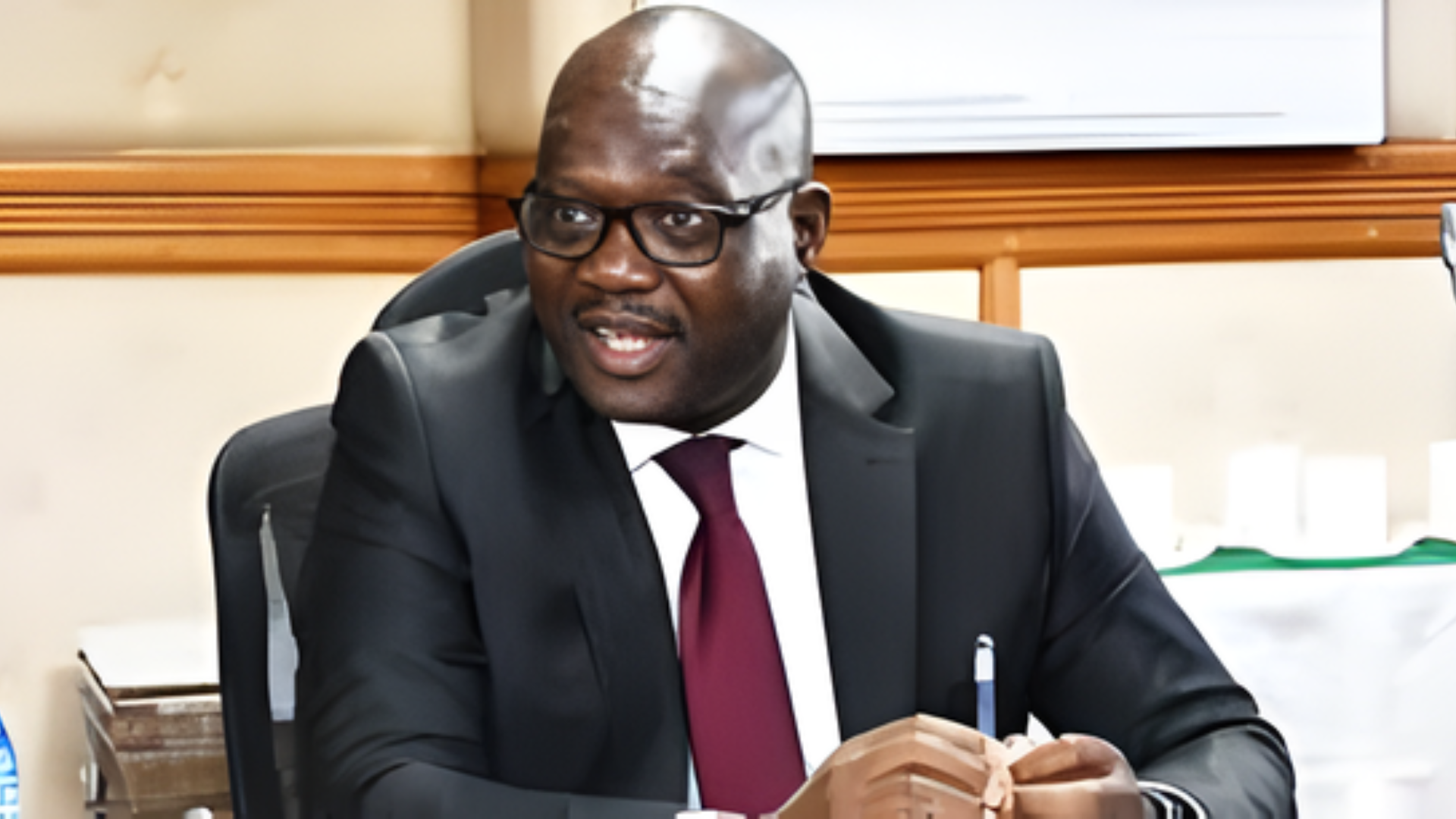
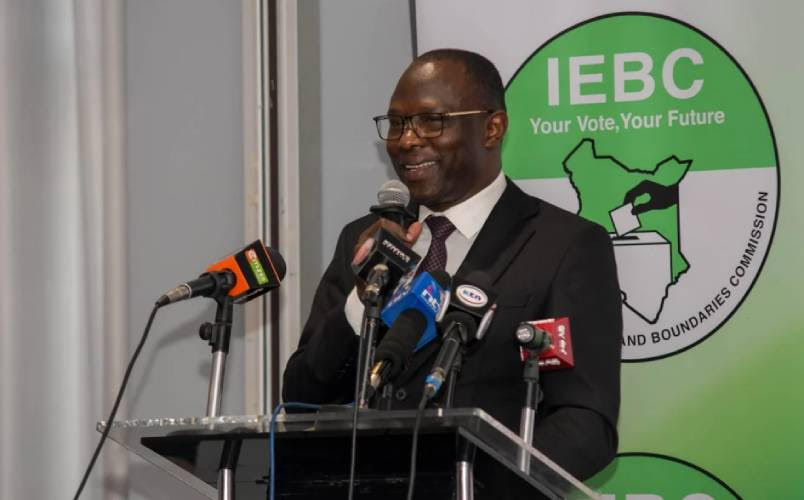
Commissioner Dr. Alutala Mukhwana, who chairs the committee on voter education, stakeholder engagement, partnerships, and communications, said the notion that voter education is an exercise reserved only for election years is misleading and counterproductive.
Speaking during an interview with NTV on Monday, Mukhwana emphasized that voter education should be a continuous process aimed at strengthening democracy, enhancing civic responsibility, and building trust between citizens and electoral institutions.
“There is an assumption that once elections are over, nothing goes on at IEBC. Immediately after the polls, public interest fades and our budgets are slashed,” he said.
He added that this budgetary squeeze leaves the commission unable to fulfill its mandate of ensuring Kenyans remain informed about their roles, rights, and responsibilities in the democratic process.
“After a general election, that is when the commission should spend more time interacting with voters and explaining its mandate. We don’t close shop and wait for the next election,” Mukhwana stated.
Funding Constraints
The commissioner highlighted how budget constraints have limited the scope and frequency of voter education campaigns. While substantial resources are allocated during general election years, the momentum is often lost soon after the polls, leaving a gap in civic awareness.
Experts in governance and civil society have long argued that such gaps weaken public participation and leave many citizens susceptible to misinformation during subsequent election cycles. According to analysts, consistent voter education is essential for building resilience against electoral malpractice, voter apathy, and low turnout.
Mukhwana noted that the commission’s new leadership, now 47 days in office, is committed to reversing this trend. He reiterated that IEBC is determined to restore public trust and deliver credible elections by engaging Kenyans continuously rather than in short bursts during election seasons.
Strengthening Public Engagement
The commissioner outlined the commission’s plan to strengthen its communication and partnerships with stakeholders, including civil society organizations, community groups, and the media. By working together, he said, the IEBC hopes to foster year-round dialogue with citizens about electoral processes, constitutional rights, and democratic responsibilities.
This, he argued, will not only improve confidence in the commission’s work but also ensure that voters are adequately prepared for by-elections and general elections alike.
“Voter education is not just about showing up on voting day. It is about understanding the role of institutions, the importance of participation, and the values of democracy. That is how we strengthen our republic,” he explained.
Upcoming By-Elections
Even as the commission grapples with financial limitations, it has already set in motion preparations for upcoming polls. Earlier this month, IEBC Chairperson Erastus Ethekon announced that all pending by-elections will be held on November 27, 2025.
In a Gazette notice dated August 8, the commission listed 16 ward by-elections scheduled to take place across the country. These polls will fill vacancies that, in some cases, have remained open for more than two years.
Observers note that the decision brings relief to residents in affected wards who have endured prolonged periods without representation in their county assemblies. The move also signals the new commission’s intent to act swiftly in addressing electoral gaps and fulfilling its constitutional obligations.
Rebuilding Trust
The IEBC leadership faces the dual challenge of restoring public confidence in its operations while also ensuring efficiency in its delivery. Recent years have seen the commission come under sharp criticism over its handling of elections, with calls for greater transparency and accountability dominating national conversations.
Mukhwana acknowledged these challenges but insisted that the new team is determined to rebuild trust through openness and consistent engagement. “We cannot achieve credibility in elections without first building credibility with the public. That begins with honest communication and continuous voter education,” he said.
Civil society actors and political analysts have welcomed the commission’s renewed commitment but caution that the promises must be matched by tangible action. They argue that without adequate funding and political goodwill, the commission’s ability to sustain voter education campaigns will remain limited.
The Road Ahead
As Kenya prepares for the November by-elections, the IEBC’s renewed emphasis on civic education will be closely monitored. For many, the test will lie not just in the successful conduct of these polls but also in whether the commission maintains its promise of ongoing engagement long after the ballots are cast.
For Dr. Mukhwana and his colleagues, the message is clear: electoral democracy cannot be treated as an event that comes and goes every five years. Instead, it must be nurtured through deliberate and continuous efforts that keep citizens informed, engaged, and empowered.
The IEBC’s future success, therefore, may depend not only on its ability to deliver free and fair elections but also on how well it sustains the democratic conversation with the people it serves in between those electoral cycles.