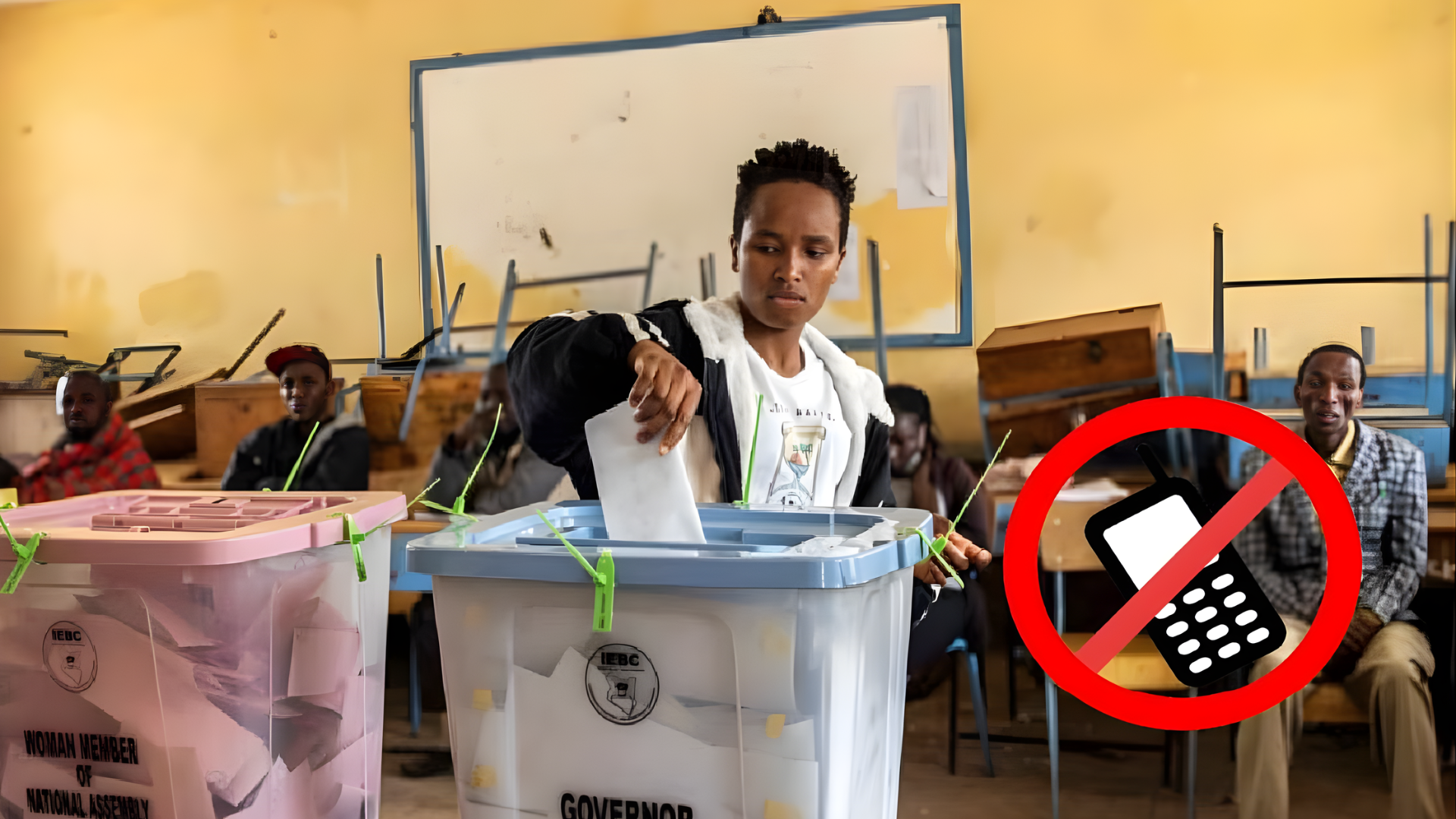
The Independent Electoral and Boundaries Commission has imposed a complete ban on mobile phones inside polling stations during the upcoming by-elections, citing the need to protect the secrecy of the ballot and prevent electoral offenses.
The directive, announced on February 21, 2026, applies to all voters, polling officials, party agents, observers and media personnel present at polling stations on election day. IEBC Chairperson Wahome Gathagu explained that the measure is necessary to eliminate the risk of voters photographing their marked ballots, recording the voting process or sharing images that could reveal how individuals voted.
“Ballot secrecy is a cornerstone of our democratic process,” Gathagu said in a public statement. “When people take photos or videos inside polling stations, it creates opportunities for intimidation, vote-buying or coercion. We have seen incidents in previous elections where images of ballots were circulated online or used to pressure voters. This ban is about protecting the voter’s right to cast their ballot in private and without fear.”
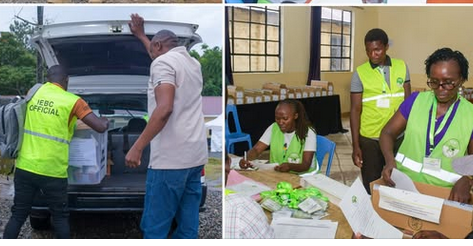
The commission said voters must leave their mobile phones outside the polling station or with security personnel at the entrance. Polling officials and party agents will be allowed to use designated IEBC-issued communication devices for official purposes only. Media crews will be restricted to designated areas outside the polling station and will not be permitted to enter with recording equipment unless special clearance is granted for accredited coverage.
Gathagu warned that anyone found with a mobile phone inside the polling station will face immediate ejection and possible arrest under the Elections Act. “This is not optional,” he emphasised. “We will enforce the rule strictly to ensure the integrity of the vote. Anyone attempting to photograph or record inside the polling station will be treated as committing an electoral offence.”
The ban comes ahead of several by-elections scheduled in constituencies and wards across the country following vacancies caused by deaths, resignations and court nullifications. The IEBC has urged political parties, civil society organisations and the public to cooperate fully with the measure.
The decision has drawn mixed reactions. Some election observers welcomed the move as a necessary safeguard. “Photographs of marked ballots have been used in the past to intimidate voters or prove vote-buying,” said a representative from the Elections Observation Group. “This rule strengthens the secrecy of the ballot and reduces opportunities for malpractice.”
Others expressed concern about enforcement and potential inconvenience. A voter in one of the affected constituencies said: “It’s understandable for security reasons, but what about people who rely on their phones for transport, family communication or emergencies? Will there be safe places to leave phones outside?”
The commission has promised to work with security agencies to provide secure holding areas at polling stations where voters can deposit their phones temporarily. Party agents and observers will be required to surrender personal devices and use only official communication channels during duty hours.
The IEBC also reminded the public that taking photographs of marked ballots or the voting process remains an electoral offence punishable by fines, imprisonment or both. “We have seen cases where people shared photos online to claim victory or intimidate opponents,” Gathagu added. “This behaviour undermines the entire electoral process. The ban is one part of a broader effort to ensure our elections remain credible and peaceful.”
The measure aligns with recommendations from previous election observation missions that have repeatedly highlighted the risks posed by mobile phone use inside polling stations. Similar restrictions have been applied in other African countries during elections to protect ballot secrecy.
As the by-elections approach, the IEBC has urged voters to plan ahead and arrive early to avoid delays caused by the phone surrender process. Polling officials have been trained on the new rules, and security personnel will be deployed to enforce compliance at every polling station.
The ban is expected to remain in force for all future elections unless reviewed by the commission or challenged in court. For now, the IEBC says the priority is to safeguard the integrity of the vote and ensure every Kenyan can exercise their right in a secure and private environment.