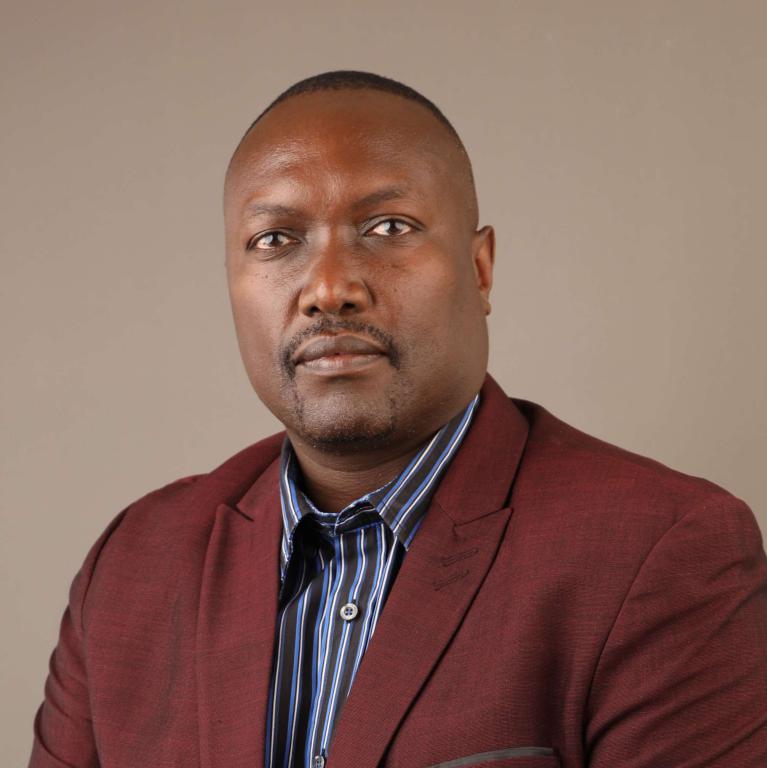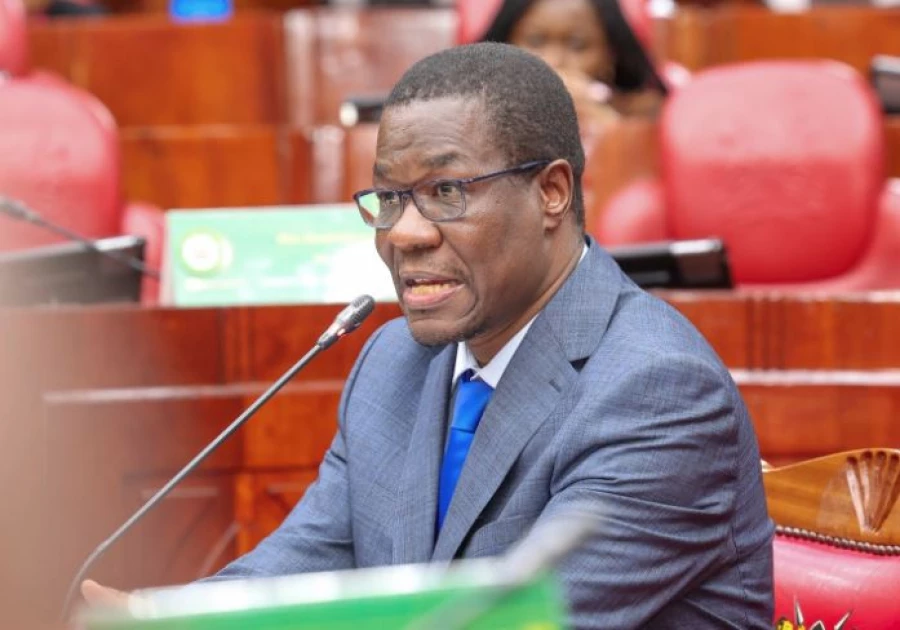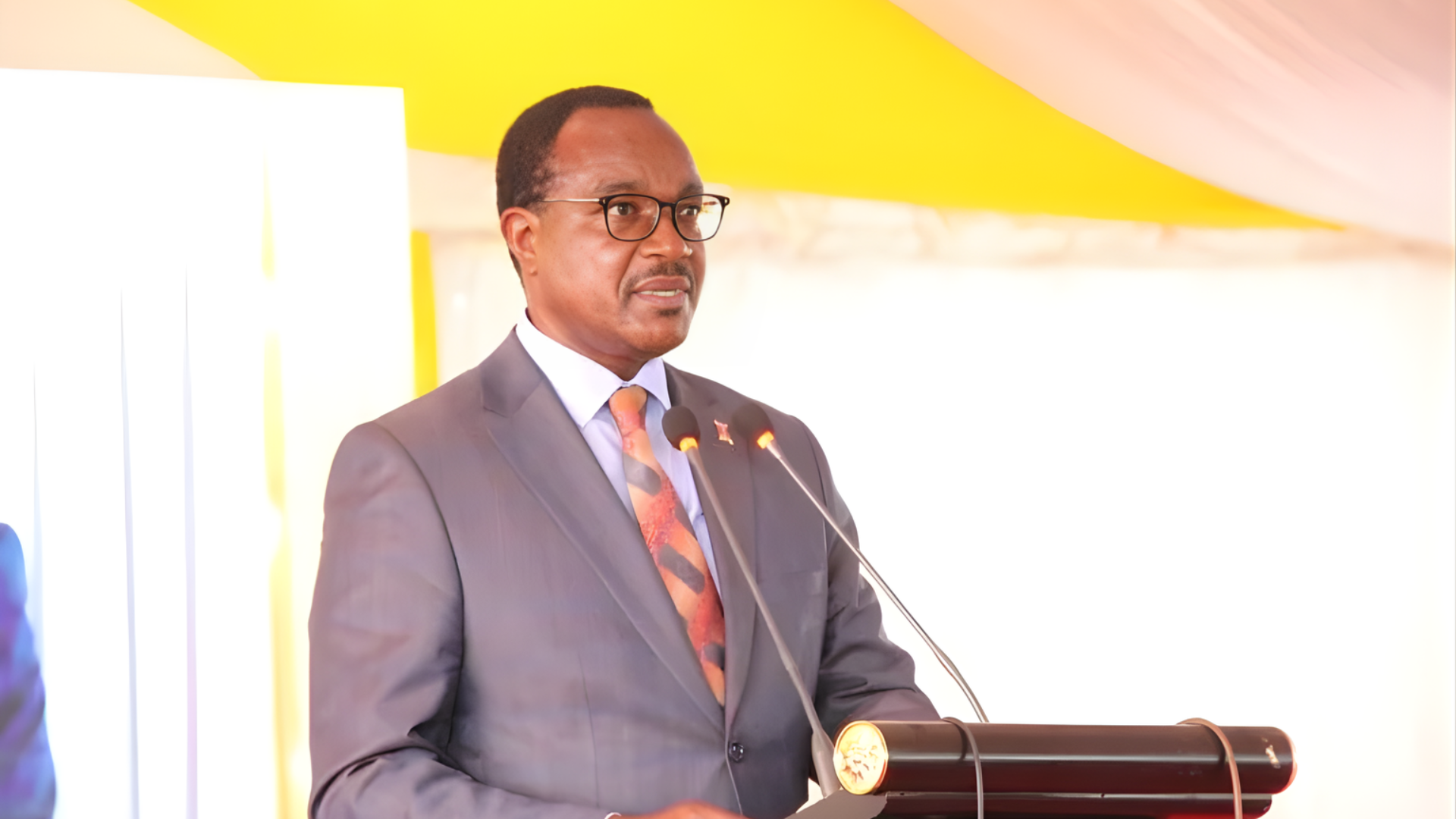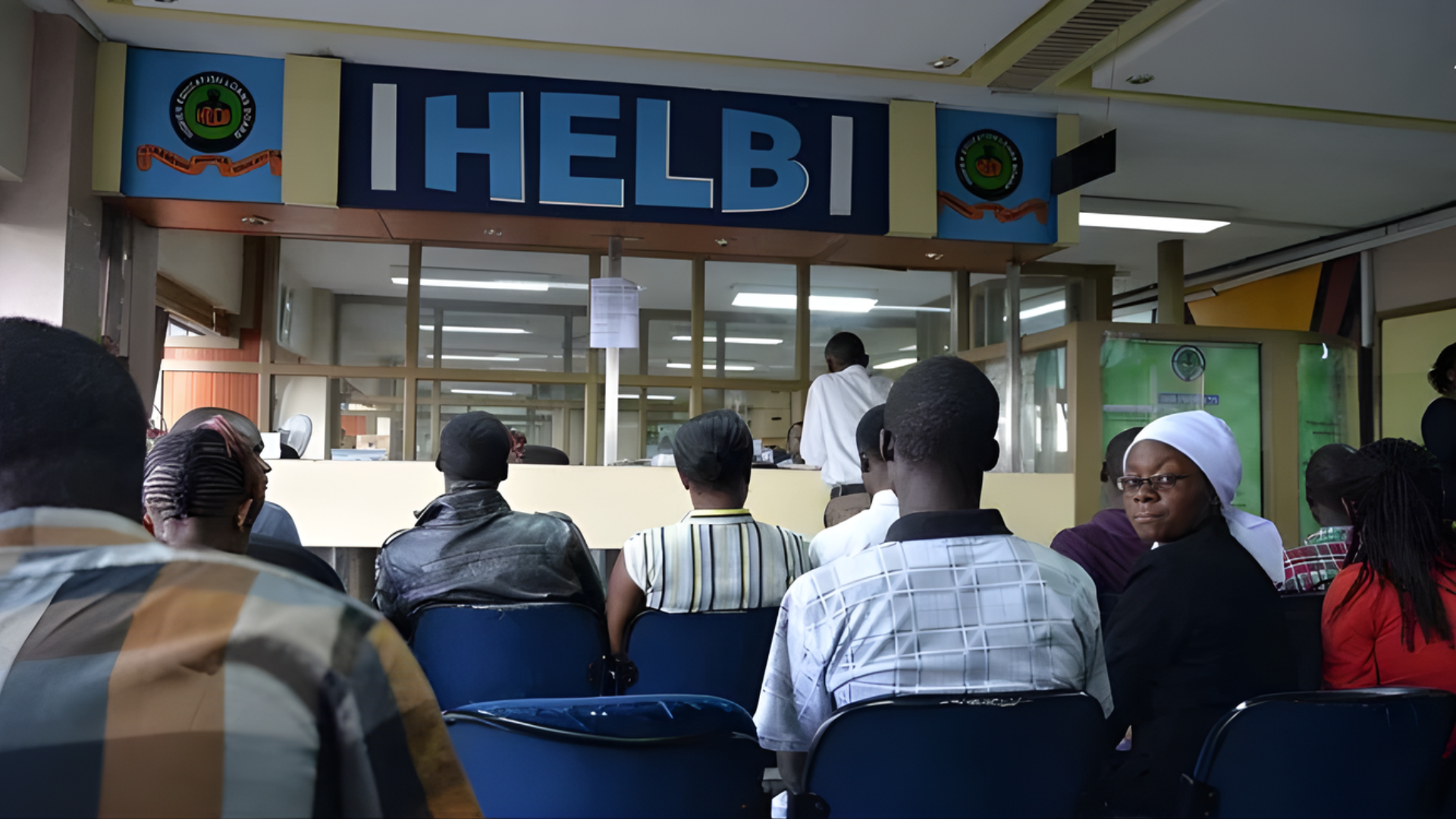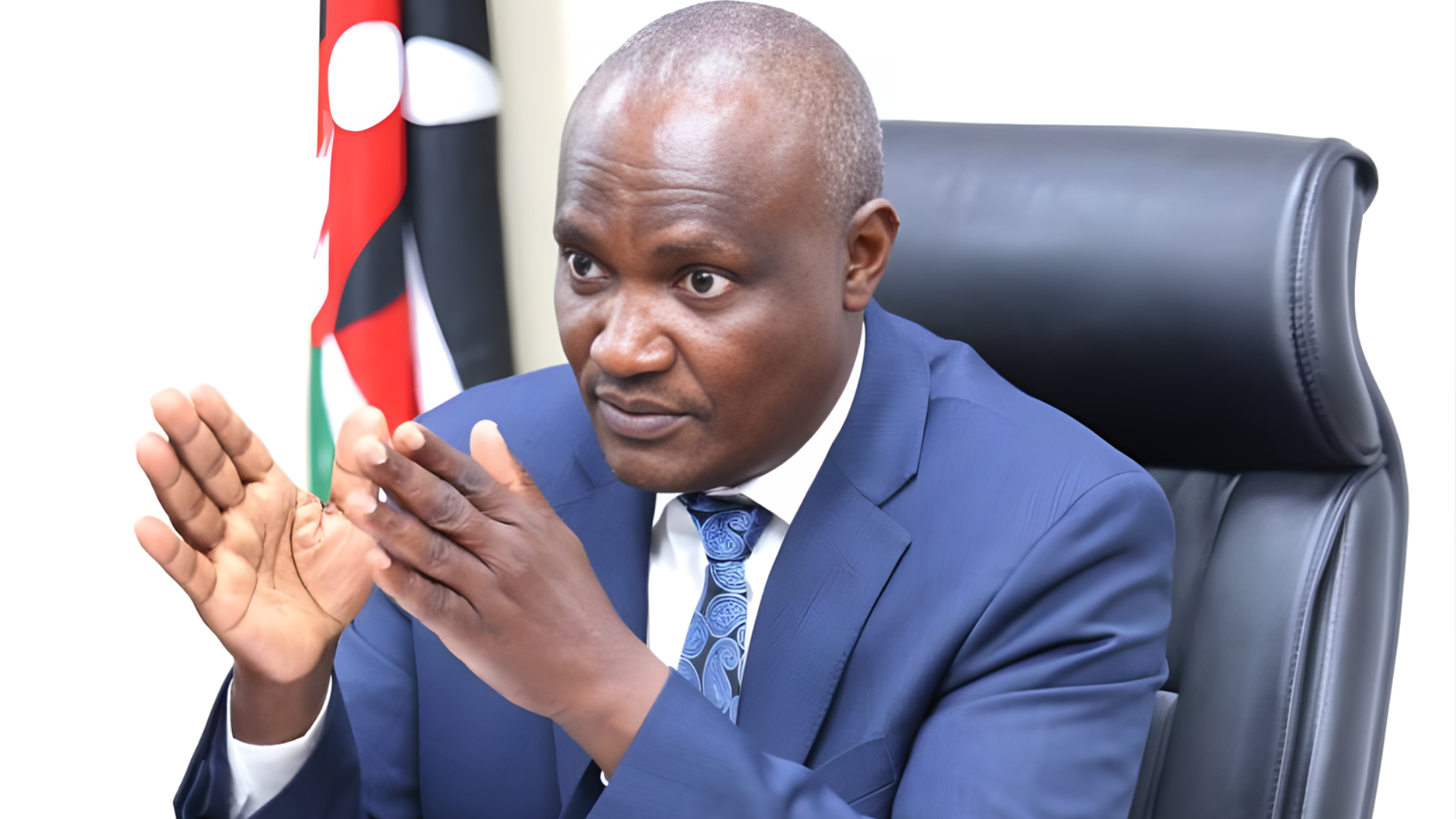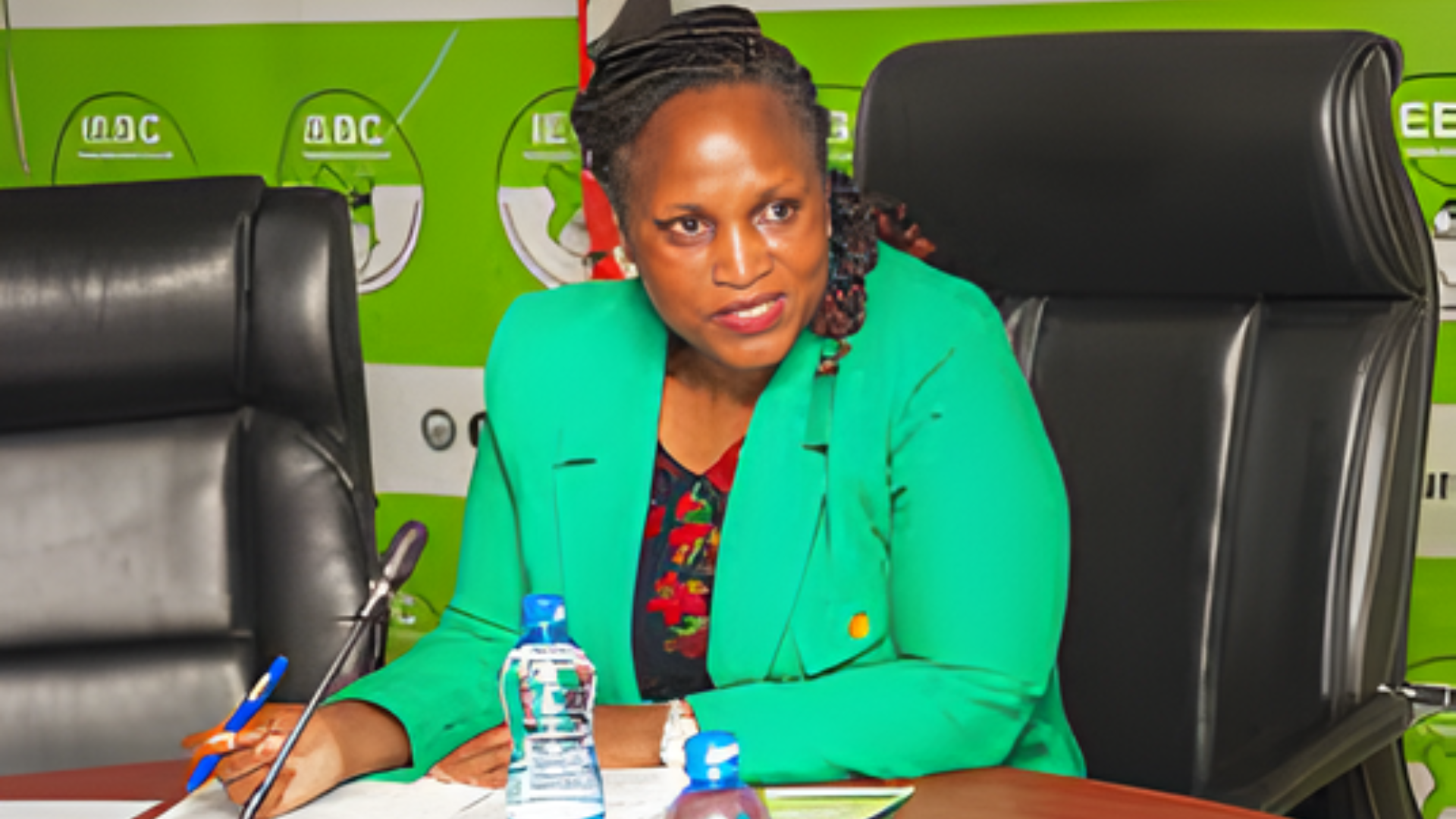
The sunlit conference room at the Independent Electoral and Boundaries Commission's headquarters in Nairobi's Progressive Plaza, where the walls are adorned with murals of diverse Kenyans queuing at polling stations under the national flag, hummed with a mix of optimism and urgency on the afternoon of November 13, 2025. Commissioner Ann Nderitu, chair of the IEBC's Election Operations Committee and a veteran of the commission's 2017 and 2022 general election marathons, stepped to the podium flanked by stacks of voter roll printouts and digital dashboards projecting turnout metrics. Her expression, a blend of seasoned resolve and quiet frustration, betrayed the weight of a mandate that hangs in the balance: with only 100,000 new voters registered since the Continuous Voter Registration exercise resumed on September 29, Kenya is lagging perilously behind the ambitious target of 6.8 million—a gap that Nderitu attributed not to apathy but to a deeply ingrained cultural quirk of procrastination. "Kenyans have this culture of last-minute rushes, wanting to compete with time until the clock strikes midnight," Nderitu remarked, her voice carrying the lilt of a teacher addressing a wayward class, as she gestured to a graph showing the dismal uptake against the backdrop of 2.5 million eligible citizens with national IDs who remain unregistered. "We have millions of young people with IDs in their pockets, ready to vote, but they see the IEBC office and think, 'Oh, there's still time.' This habit needs to change—now—because the 2027 elections won't wait for anyone, and neither will the future of our democracy."
Nderitu's candid assessment, delivered during a media briefing attended by 50 journalists from outlets like Citizen TV and The Standard, underscores a voter registration drive that has sputtered since its relaunch two months prior, hampered by a confluence of logistical hurdles, public complacency, and the lingering shadow of by-elections scheduled for November 27 in 24 wards across seven counties. The commission, reconstituted in July 2025 after a two-year hiatus marred by court battles over commissioner appointments, had set an audacious goal of 6.8 million new enrollments by mid-2026, a figure calibrated from Kenya National Bureau of Statistics data projecting 3.2 million 18-to-21-year-olds reaching voting age and 3.6 million lapsed voters needing reactivation. Yet, as of November 13, the tally stood at a meager 100,000—a 1.5 percent fulfillment that Nderitu likened to "a marathon runner pausing for chai at kilometer two." The shortfall is starkest in urban hubs like Nairobi and Mombasa, where youth turnout hovers at 0.5 percent despite 56 percent of the population being under 25, and rural ASAL counties like Turkana and Marsabit, where nomadic lifestyles and ID access barriers keep rates below 0.2 percent. "We expected 500,000 by now based on ID issuances—Huduma Centres printed 1.2 million since January—but the culture of 'siku moja' (one day) is our biggest foe," Nderitu added, her Swahili proverb drawing wry chuckles from the press corps, many of whom nodded in recognition of the national penchant for eleventh-hour exertions.
The registration exercise, gazetted to run continuously until June 2026 excluding by-election wards, was designed as a bulwark against the 2022 election's 1.5 million disputed voter roll entries that had fueled post-poll protests and Supreme Court nullifications. IEBC Chairperson Erastus Ethekon, in a September 5 address at English Point Marina in Mombasa, had framed it as "the foundation of credible elections," allocating Sh8.5 billion for 30,000 registration centers, 10,000 biometric kits, and a youth committee financed to embed clerks in universities, saccos, and churches. Yet, the uptake has been tepid: Nairobi leads with 3,976 new voters as of October 31, followed by Mombasa's 3,000, while Kisumu logs a mere 1,200. Nderitu, a 58-year-old constitutional lawyer whose tenure since 2020 has weathered the 2022 audit scandals and 2023 commissioner sackings, pinpointed the ID bottleneck as a chokepoint. "Many 18-year-olds have IDs but no motivation—last-minute culture means they wait for the heat of campaigns," she explained, citing a partnership with the National Registration Bureau to fast-track 500,000 IDs in high-yield areas like Rift Valley universities. "Youth are 56 percent of our population; if they vote as a bloc, they decide the presidency. But they must register now, not in 2026's rush."
Nderitu's plea resonates amid a nation where the 2022 register's 22.1 million voters masked 4 million ghosts—duplicates and deceased entries that eroded trust and sparked the Azimio protests. The current drive, enhanced with iris scanning and single-tablet systems for faster biometrics, excludes by-election wards to avoid dual enrollments, a safeguard that has sidelined 24 high-potential areas. "Mombasa's projections were 183,000; we have 3,976—it's disheartening, but the mass phase post-November 27 will surge with 1,450 ward clerks," Nderitu assured, outlining the next leg: 30,000 centers from December, Huduma Centres with two clerks each, and a digital app for pre-registration uploads. The app, piloted in Mvita with 500 users, allows ID uploads and location pings, slashing queues by 40 percent. "We need Kenyans to know their vote is a right, not a chore—Gen Z can decide if they show up," she urged, her subcommittee on voter education—launched September 29—targeting 10 million youths via TikTok campaigns and campus drives.
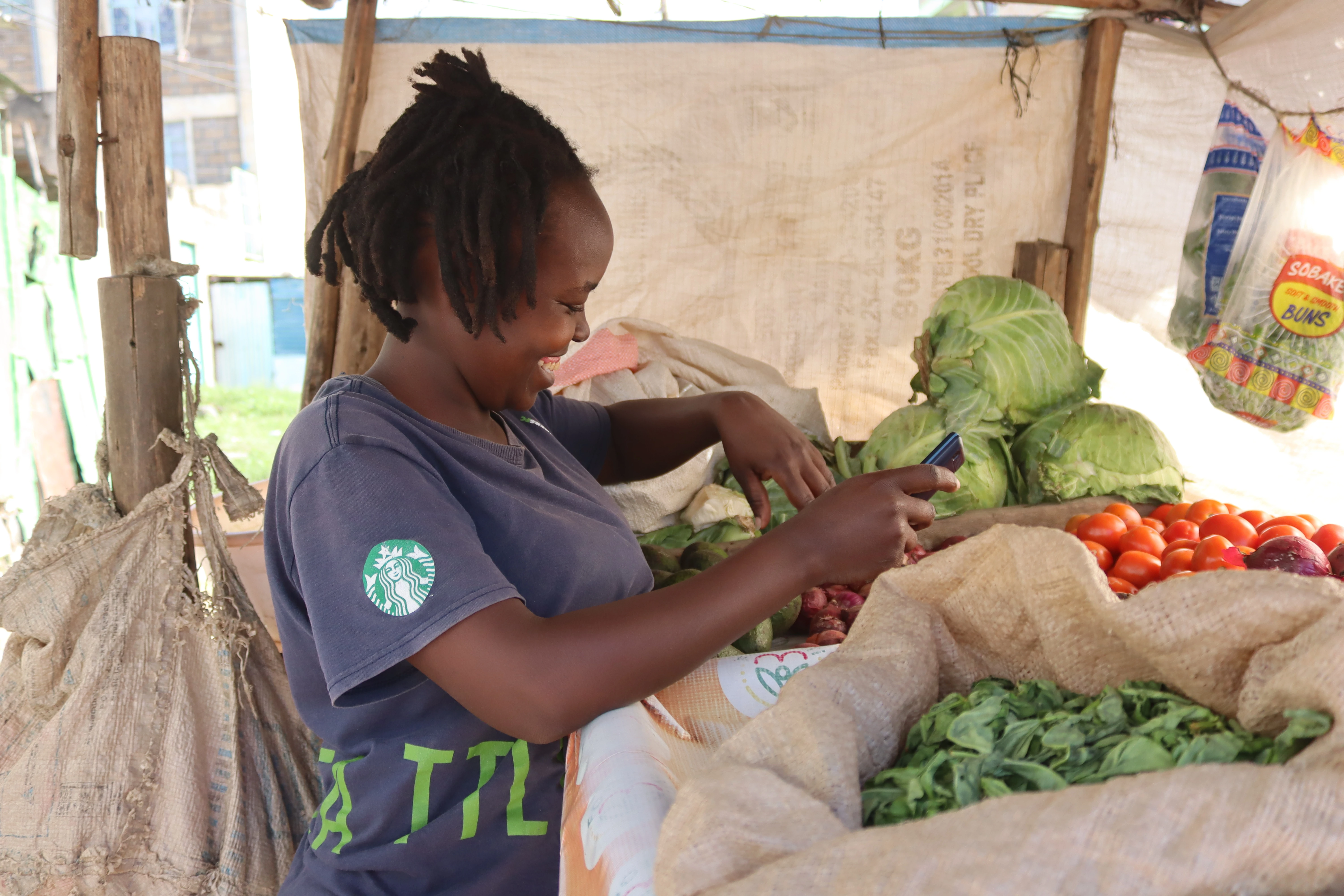
The low turnout's roots burrow deep into cultural soil, a "siku moja" syndrome Nderitu traced to everything from tax filings to school fees, where deadlines are dodged until deadlines bite. In Kisumu's Kibuye market, where 25-year-old vendor Mercy Omondi sells second-hand clothes from a stall strung with fairy lights, the habit manifests: "IEBC came last week; I said, 'Next month, after harvest.' Now, I regret—2027's my first vote, but if I miss registration, it's gone." Omondi's story, echoed in 56 percent of under-25s per a Vocal Africa survey, highlights the disconnect: 1.2 million IDs issued since January, but only 0.1 percent registered. Nderitu, in her Mombasa forum on September 5, had decried the trend: "Youth see registration as bureaucracy, not power—our committee finances partnerships with Vocal Africa and Amnesty to flip that script."
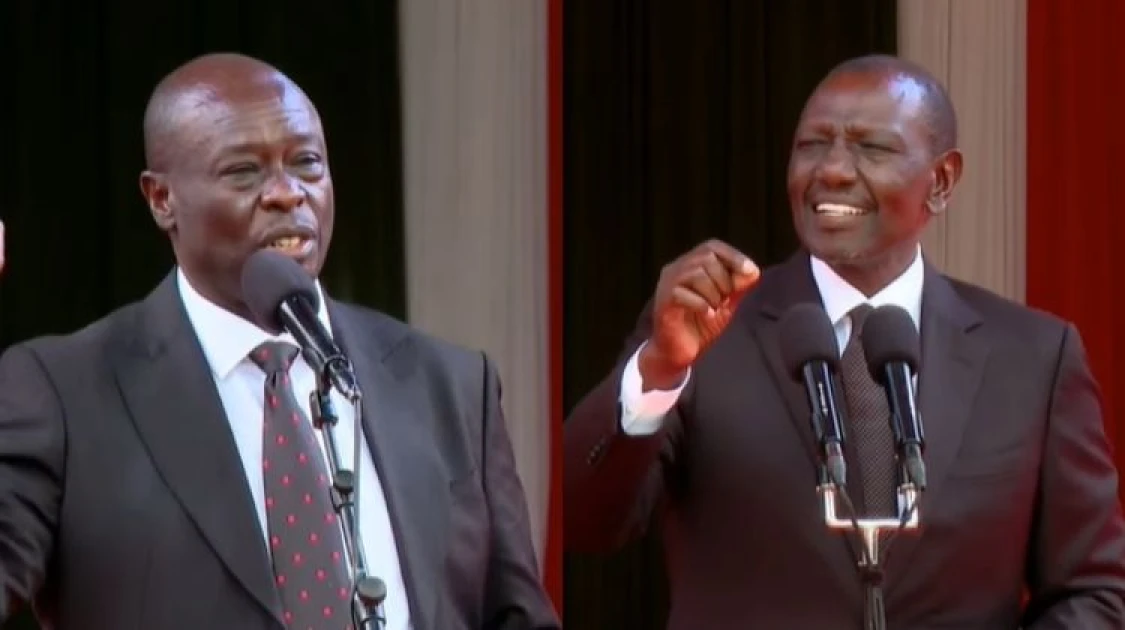
Logistics lag the cultural lag: 290 constituency offices understaffed with 5,000 clerks, biometric kits delayed by Sh500 million procurement snarls. "We have the will, but the wheels turn slowly—30,000 centers by December, but training's bottlenecked," admitted IEBC Vice-Chairperson Fahima Zubeda at the November 13 briefing, her hijab framing a face furrowed by fiscal frustrations. The Sh8.5 billion budget, 20 percent underfunded, forces rationing: Mombasa's 3,000 registrations against 183,000 targets. Ethekon, the chairperson inaugurated July 11, 2025, after a two-year hiatus, pledged acceleration: "Post-by-elections, clerks flood wards—1,450 centers, Huduma doubles up. Target's 6.8 million; we're at 1.5 percent, but momentum builds."
Youth engagement, Nderitu's subcommittee spearhead, targets the 56 percent demographic: 30,000 centers in schools, markets, saccos. "Youth committee financed for institutions—public, private—sensitizing voting as right," she detailed, the September 5 Mombasa forum birthing a TikTok series "Vote Vibes" with 500,000 views. In Mvita, 3,976 registrations buck the trend: "Youth turned out—ID in hand, app on phone," Zubeda noted. NRB collaboration fast-tracks IDs: 500,000 in high-yield zones like Rift universities.
The drive's stakes: 2027's 22.1 million register balloons to 28.9 million with 6.8 million new, ensuring credible polls. Nderitu warned: "Last-minute queues breed disputes—register now, vote freely." Omondi in Kibuye vows: "Mercy's vote matters—tomorrow, I queue." As November's lake winds stir, IEBC's call endures: from 100,000 to 6.8 million—a registration revolution where habits yield to horizons, and Kenya's youth claim their chorus.
Nderitu's subcommittee, September 29 launch, finances youth drives: 1,450 wards post-November 27, Huduma with two clerks. App beta in Mvita: 500 users, 40% queue slash. NRB-IEBC pact: 500,000 IDs in Rift, Nyanza. Ethekon's September 5 Mombasa: "Youth bloc decides presidency." Zubeda's November 13: "Mombasa 3,976 vs 183,000—mass phase surges." For Omondi, it's personal: "Vote for my son's school, not shadows." In Kenya's democratic dawn, Nderitu's plea pulses: register resolute, 2027 resolute—a voter vanguard where last-minute yields to lasting legacy.