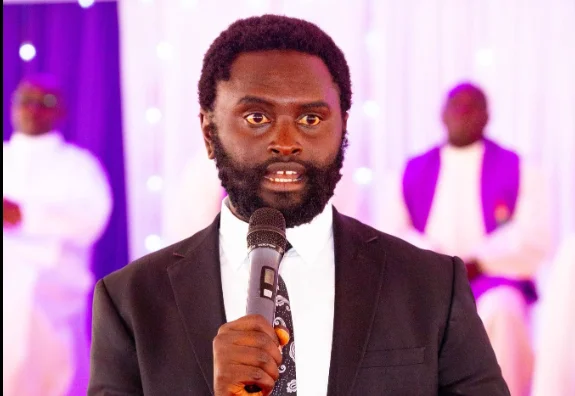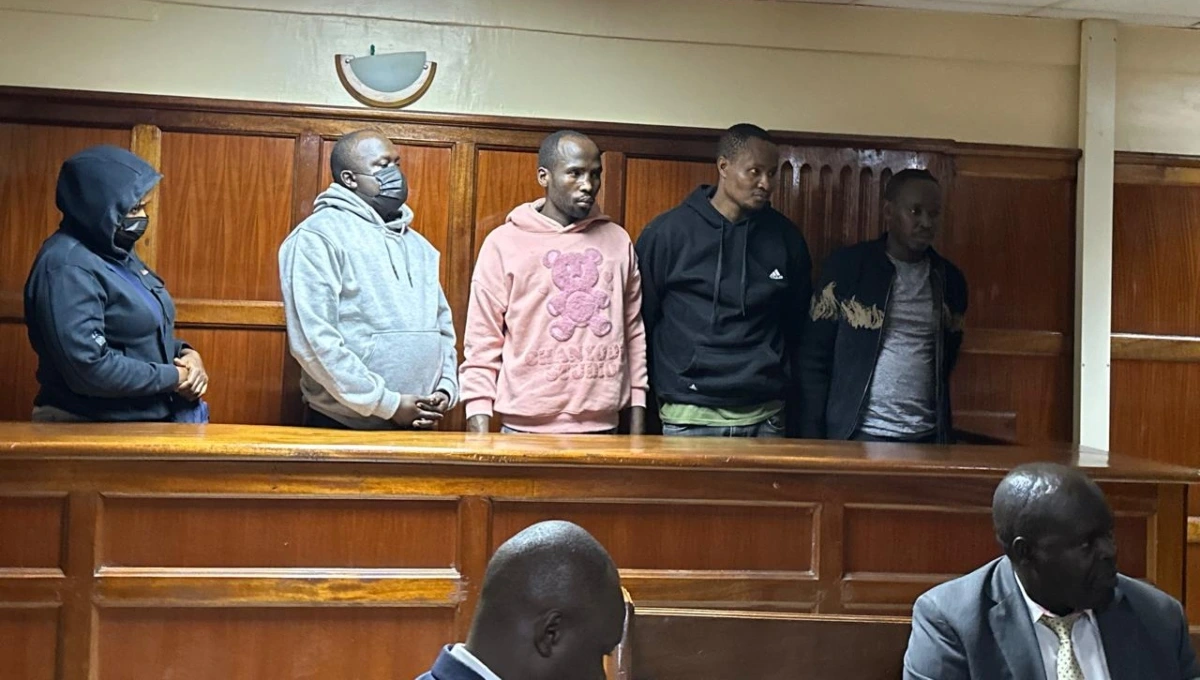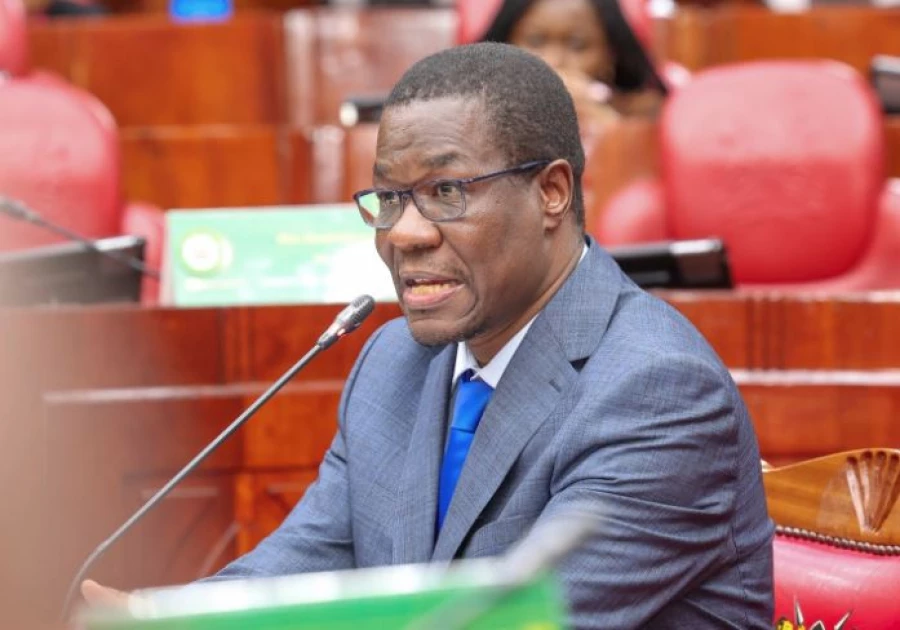
The red-earth pathways of Kasipul Constituency in Homa Bay County, where the acacia groves stand as silent witnesses to the rhythms of communal life and the occasional thunder of political fervor, have been transformed into a tinderbox of tension and tragedy in the lead-up to the November 27 by-election. On the afternoon of November 14, 2025, as the sun dipped low over the undulating hills dotted with maize fields and thatched homesteads, Independent Electoral and Boundaries Commission Chairperson Erastus Ethekon stood before a bank of microphones at the IEBC's Nairobi headquarters, his expression a mask of measured resolve amid the gravity of the moment. Flanked by commissioners and a stack of investigative reports bound in crisp blue folders, Ethekon announced the summons of the by-election's two frontrunners—Orange Democratic Movement candidate Boyd Were and independent contender Philip Aroko—to hearings commencing Monday, November 17. The move, a direct intervention to stem the tide of violence that has already claimed two lives and left dozens injured, carries the weight of potential disqualification, a sword hanging over a race that has spiraled from spirited rivalry into senseless bloodshed. "The Independent Electoral and Boundaries Commission cannot and will not stand idly by as violence poisons the well of democracy," Ethekon stated, his voice firm yet tinged with the sorrow of a nation still healing from past electoral wounds. "We have empaneled the Code of Conduct Enforcement Committee to interrogate the facts, hear from all parties, and render decisions that uphold the sanctity of the ballot. Disqualifications, if warranted, will follow without hesitation—the people of Kasipul deserve a choice born of ideas, not intimidation."
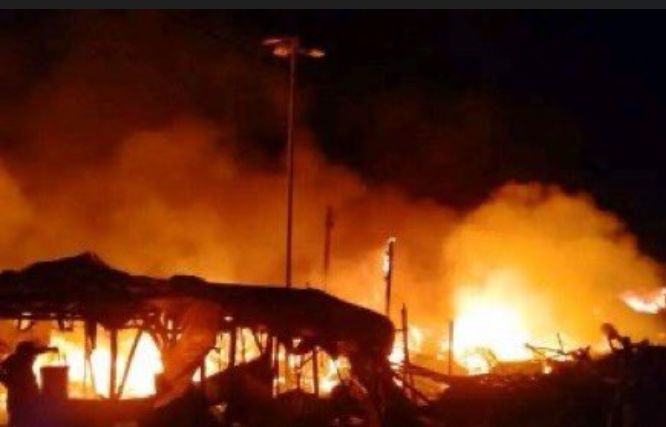
The summons, issued under Section 24 of the Electoral Code of Conduct and fast-tracked after an IEBC investigation team dispatched to the constituency on November 8 returned a 45-page report detailing the escalating unrest, targets the heart of a by-election called to fill the vacancy left by the April 2025 assassination of Charles Ong'ondo Were, Kasipul's long-serving MP gunned down in a brazen Nairobi ambush that remains unsolved amid whispers of contract killings tied to land disputes. Were's death, a stark punctuation to his 15-year tenure marked by irrigation schemes that greened 10,000 acres and youth empowerment programs reaching 5,000, plunged the constituency—a patchwork of 120,000 voters across 12 wards blending fishing villages along Lake Victoria's shores with millet farms on the Nyanza plains—into a vortex of grief and grievance. The race, pitting ODM's Boyd Were—the 32-year-old son of the late MP, whose boyish charisma and promises of continued agribusiness investments have galvanized the party's youth wing against a field of nine contenders—against Aroko, the 48-year-old construction magnate and former ODM member whose independent bid channels anti-establishment fury, had simmered since the September 24 primaries marred by low turnout and fistfights. Yet, it was the November 6 clash in Opondo, Central Kasipul Ward, that ignited the powder keg: a peaceful voter engagement led by Boyd Were, attended by 300 residents discussing school fees and clean water, erupted into mayhem when a mob of 20 hooded assailants surged from the encroaching dusk, wielding machetes and clubs in a frenzy that left two supporters hacked to death, 15 injured, and three vehicles torched in billowing flames.
Eyewitnesses, huddled in the chief's camp under a canopy of neem trees the following dawn, recounted the horror with voices still trembling from the night's terror. "It started with shouts—'This is our land, not ODM's!'—then the blades flashed, and screams filled the air," described 28-year-old farmer Ben Ondiege's widow, her hands clasped around a crumpled campaign flyer as she sat on a plastic mat amid the acrid residue of charred tires. Ondiege, a vocal Boyd supporter who had lost his brother to the 2007 post-election violence, was among the first felled, his body airlifted to Homa Bay County Referral Hospital where medics pronounced him dead from multiple lacerations. The second victim, 35-year-old teacher Bruno Onyango, a father of four who had biked from nearby Sikri to hear Boyd's pitch on bursary funds, succumbed to a skull fracture hours later, his blood staining the red soil where children now play warily. "My husband was holding a banner, not a weapon—he believed in Boyd's vision for our ward's youth," Onyango's wife whispered to reporters, her eyes hollow with the weight of widowhood twice over, her husband's death evoking the 2017 clashes that claimed her uncle during Raila Odinga's Jubilee boycott.
Boyd Were, the soft-spoken heir to his father's legacy who had cleared ODM primaries in September amid cries of rigging from losers like Newton Ogada, condemned the attack from his fortified Oyugis campaign headquarters, his voice steady but laced with sorrow. "This barbarism has no place in Kasipul's proud history—my meeting was about mango cooperatives and school labs, not machetes," Were stated in a November 7 presser, flanked by party elders including Homa Bay Governor Gladys Wanga, whose orange sari seemed a defiant splash against the gloom. "We blame the goons linked to a rival candidate—Philip Aroko's camp has fanned flames with inflammatory rhetoric and hired muscle. But I call for calm; let the IEBC's probe prevail, and may justice honor the fallen." Were's camp, which had mobilized 2,000 youth through TikTok anthems and barazas emphasizing his father's irrigation legacy that watered 5,000 acres, reported 10 motorcycles vandalized and a sound system worth Sh200,000 destroyed, losses that underscore the economic underbelly of the unrest.
Aroko, the self-made tycoon whose independent run channels resentment against ODM's perceived dominance—polling at 35 percent in informal surveys against Were's 55 percent—fired back with equal venom, accusing Boyd's security detail of provocation. From his Rongo war room, surrounded by blueprints of his Sh2 billion local projects pledge, Aroko addressed 500 supporters on November 7, his finger jabbing the air like a conductor silencing an orchestra. "This is ODM's dirty playbook—goons in party T-shirts hacking innocents to smear the challenger," Aroko thundered, his words met with chants of "Aroko ni yetu!" that echoed across the constituency's 12 wards. "One of my grassroots boys was killed returning from a rally—hacked by Were's thugs. We demand IEBC disqualification for the son; Kasipul rejects Raila's relics and their reign of terror." Aroko's campaign, bolstered by 20 percent from disaffected ODM voters and coastal funding, had faced its own skirmishes: a September 24 primary brawl injuring three, and an October 31 empowerment drive in Sikri dissolving into stone-throwing that hospitalized five women.
The violence, far from anomalous, threads a bloody lineage through Kasipul's electoral tapestry—a constituency where stakes have historically drawn blood like leeches to open wounds. Ong'ondo Were's April 2025 slaying—his sedan riddled with 12 bullets at a Nairobi intersection, the gunman vanishing into traffic—remains unsolved, with EACC probes stalling amid Sh500 million land row whispers. The September primaries, with turnout at 12 percent, dissolved into fistfights that left 10 injured, viral videos capturing children "voting" under duress and aspirants like Vincent Nyaguti decrying rigged tallies as "barbaric theater." Aroko, cleared as independent on October 10 after ODM expulsion, vowed "people's construction," his billboards promising Sh500 million contracts only for his October 31 rally in Sikri to erupt in brawls hospitalizing three. "Kasipul's politics is a coliseum—gladiators in party colors, spectators paying with blood," lamented 68-year-old elder Paul Otieno at a November 8 peace baraza under Oyugis's sprawling acacia, his pipe smoke curling like unanswered prayers as 200 villagers gathered to mourn the dead. "Were's death was the spark; now it's a bonfire consuming our youth's future—ODM's machine or Aroko's rebellion, both breed barbarism."
Ethekon's summons, issued under the Electoral Code's Section 24 for Code of Conduct breaches, fast-tracks the probe after a November 8 team—comprising 10 investigators and 20 monitors—returned a 45-page dossier detailing 15 incidents since September, including the Opondo melee that claimed Ondiege and Onyango. "We are aware of the incidents; our team completed work, and we now have the final report," Ethekon explained, his words a procedural anchor in the storm. The Code of Conduct Enforcement Committee, empaneled November 14 with five commissioners, will convene November 17 in a sealed Homa Bay session, interrogating Were and Aroko on evidence like CCTV from Kamuma's chief camp showing hooded figures with ODM-branded caps and Aroko flyers. "Disqualifications could follow outcomes—candidates or parties in breach face the music," Ethekon warned, his tone a blend of guardian and guarantor, invoking the 2017 Kisumu violence that claimed 50 lives. "Violence has no place in democracy; it's met with firm, lawful response."
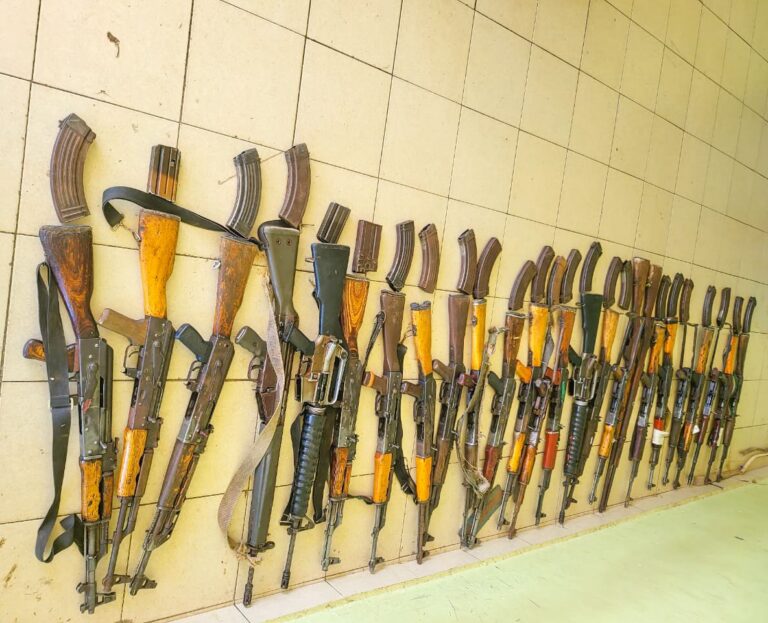
Homa Bay's security apparatus, stretched across 3,000 square kilometers with 1,200 officers battling lake banditry and cattle rustling, has ramped patrols: 50 anti-riot units deployed by November 8, checkpoints sprouting like mushrooms, youth curfews at 8 p.m. County Police Commander Lawrence Koilem, at a November 9 presser in Oyugis: "We trace the gunman in Opondo—licensed or not, he's ours." Three youths from Rongo, aged 19-24, nabbed November 7 with bloodied pangas and ODM T-shirts, confessed to "paid directives" from a tea kiosk patron. "We were told 'disrupt the enemy'—Sh5,000 each," one leaked interrogation revealed. Deputy President Kithure Kindiki, in a November 10 Oyugis address drawing 3,000: "Kasipul's blood must not stain ballots—arrests, not alibis." Governor Wanga, ODM chair, convened a November 9 security summit, pledging Sh10 million for victims: "ODM stands unbowed—intimidation is loser's lash; victory, people's palm."
For Kasipul's 120,000 voters—80 percent Luo farmers tilling millet and fishing Victoria's bounty—the unrest is a thief pilfering not lives but livelihoods: 20 businesses shuttered since September, tourism dipping 10 percent. In Sikri's market, 30-year-old trader Rose Adhiambo: "Boyd talks cooperatives; Aroko, contracts—both good, but blood buys neither." Elders at Oyugis Catholic church, blending gospel with governance: "Politics like the lake—deep, but drowns the unwary." Aroko's 35 percent polling, per surveys, a wildcard against Were's 55 percent in ODM's 85 percent 2022 stronghold.
As November 17 hearings loom, Kasipul braces: police barricades, harambees for victims raising Sh200,000, Boyd's subdued door-to-door in Sikri, Aroko's youth caucus urging "vigilance, not vengeance." Wanga's dual role—governor, chair—fulcrum: her October 31 rally with Kindiki framed Boyd as "bridge-builder," but now, condemnation compels. "ODM rejects barbarism—IEBC level the field," she radioed on Ramogi FM, her lilt lacing resolve with proverb.
In this crucible, Ethekon's summons endures: justice's jetty against violence's vortex. For Adhiambo's stall, Otieno's pipe, the bereaved gravesides: hold perpetrators, fair field, ballot bloom. Nyanza's narrative navigates nadir to nexus—the attack's ashes smolder as reminder: democracy's dance demands dialogue, not daggers.
The probe's 45 pages: 15 incidents, CCTV from Kamuma showing hooded ODM caps, Aroko flyers. November 17 sealed Homa Bay: Were, Aroko interrogated on evidence. Ethekon's warning: "Breaches beget bans." Koilem's patrols: 50 anti-riot. Kindiki's Oyugis: 3,000 attendees. Wanga's summit: Sh10 million victims. Aroko's caucus: 500 youth. Boyd's door-to-door: Sikri 200 homes. For Rose: "Vote voices, not violence." In Kasipul's resilient rhythm, the summons signals: from carnage to choice, a by-election where hope honors the fallen.