 Faith Masita
The Independent Electoral and Boundaries Commission (IEBC) has set an ambitious goal to register 6.3 million new voters ahead of the next General Elections, focusing particularly on young Kenyans who have reached voting age.
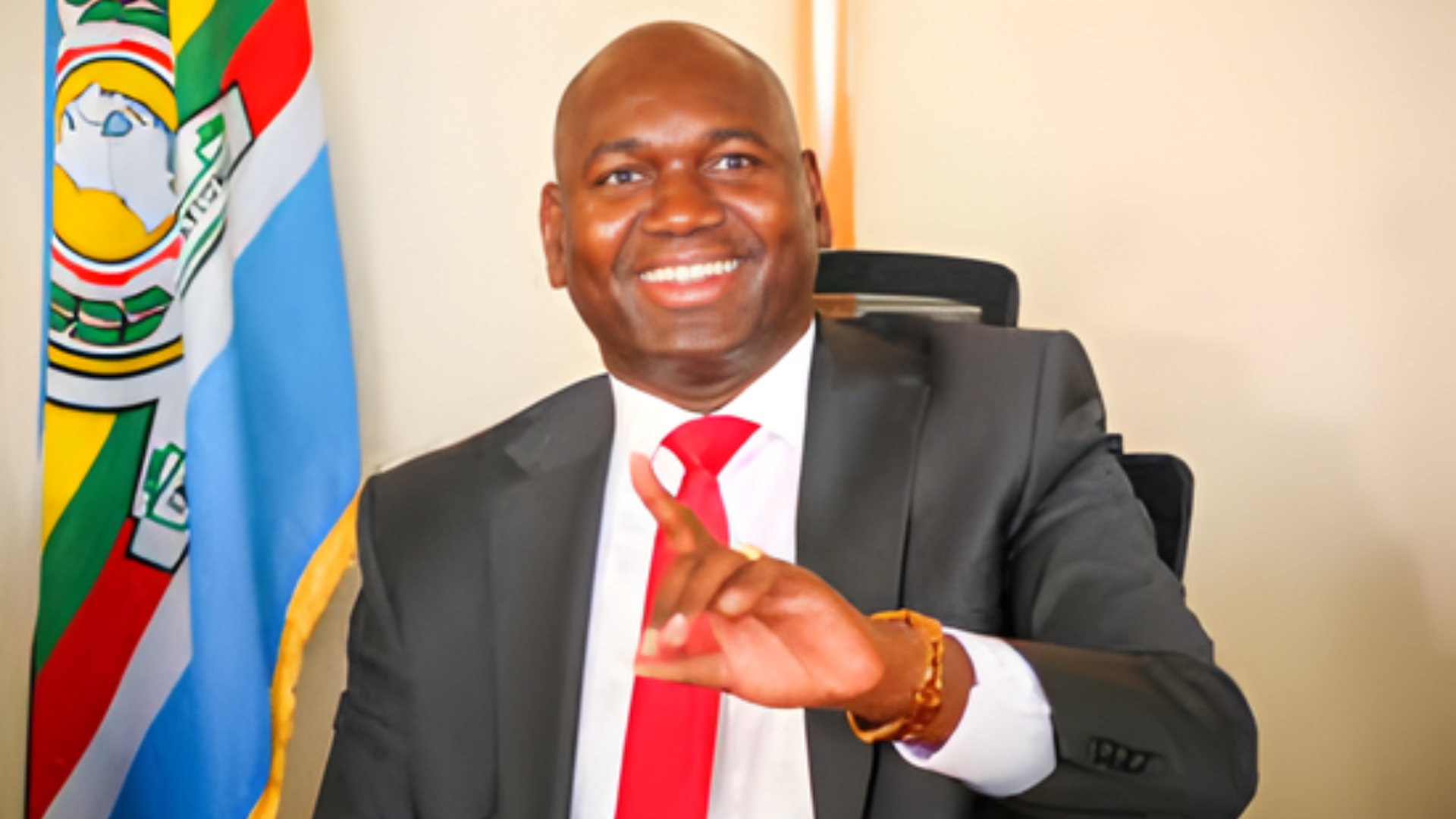
The target is part of the Commission’s broader Continuous Voter Registration (CVR) exercise, which was launched nationwide in late 2025 and is ongoing in all 290 constituency offices. IEBC Chairperson Erastus Ethekon said the projection is based on updated data from the National Registration Bureau showing the number of citizens who have attained the age of 18, rather than older census figures.
However, the initial turnout has been significantly lower than expected. In the first two weeks of the exercise, only about 20,754 new voters were registered a tiny fraction of the 6.3 million target with Nairobi, Mombasa and Kiambu counties contributing the highest numbers.
By November 2025, the overall tally across the country had only reached just over 100,000 new voters, prompting concern from IEBC officials about public participation. Commissioner Anne Nderitu noted that this represented barely 1.4 per cent of the targeted registrations and stressed the need for accelerated efforts to reach eligible citizens.
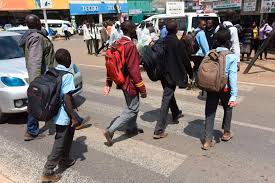
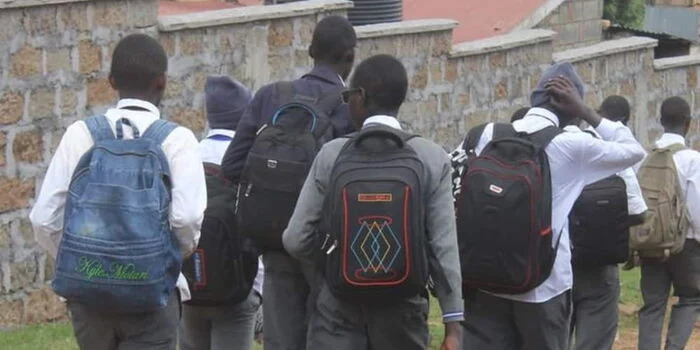
To boost participation, especially among youth, IEBC has encouraged young people to take part in the process and has advertised temporary registration jobs, urging the youth to apply and support the ongoing drive. Youth engagement was a key focus of a forum convened by the Commission to hear directly from young Kenyans on their expectations, concerns, and views regarding the electoral process. The meeting also included calls for more youth involvement in voter education and outreach.
Religious and civil society leaders have also joined the call, with the Kenya Conference of Catholic Bishops encouraging the youth to register and make their voices count in shaping the country’s future through democratic participation.
IEBC’s strategy to increase turnout includes expanding registration outreach beyond constituency offices to mobile centres, digital platforms, and local communities once funding allows, with a view to bringing services closer to the grassroots.
The target is part of the Commission’s broader Continuous Voter Registration (CVR) exercise, which was launched nationwide in late 2025 and is ongoing in all 290 constituency offices. IEBC Chairperson Erastus Ethekon said the projection is based on updated data from the National Registration Bureau showing the number of citizens who have attained the age of 18, rather than older census figures.
However, the initial turnout has been significantly lower than expected. In the first two weeks of the exercise, only about 20,754 new voters were registered a tiny fraction of the 6.3 million target with Nairobi, Mombasa and Kiambu counties contributing the highest numbers.
By November 2025, the overall tally across the country had only reached just over 100,000 new voters, prompting concern from IEBC officials about public participation. Commissioner Anne Nderitu noted that this represented barely 1.4 per cent of the targeted registrations and stressed the need for accelerated efforts to reach eligible citizens.
To boost participation, especially among youth, IEBC has encouraged young people to take part in the process and has advertised temporary registration jobs, urging the youth to apply and support the ongoing drive. Youth engagement was a key focus of a forum convened by the Commission to hear directly from young Kenyans on their expectations, concerns, and views regarding the electoral process. The meeting also included calls for more youth involvement in voter education and outreach.
Religious and civil society leaders have also joined the call, with the Kenya Conference of Catholic Bishops encouraging the youth to register and make their voices count in shaping the country’s future through democratic participation.
IEBC’s strategy to increase turnout includes expanding registration outreach beyond constituency offices to mobile centres, digital platforms, and local communities once funding allows, with a view to bringing services closer to the grassroots.