 Gerald Kyalo. (geraldbway).
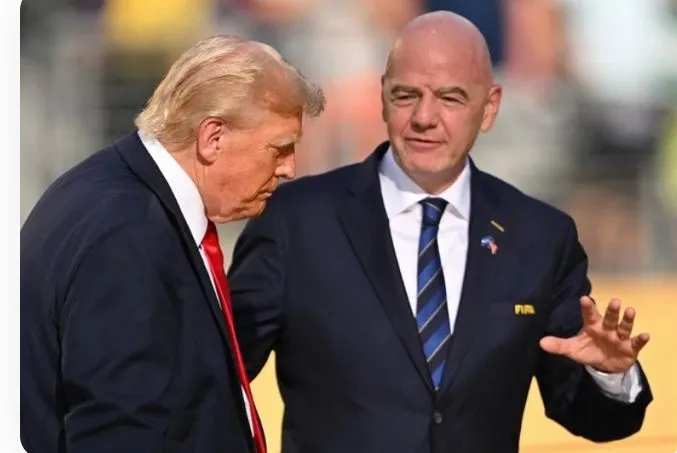
FIFA President Gianni Infantino has assured that Iran will “for sure” participate in the 2026 World Cup, despite ongoing tensions in the Middle East. The announcement comes amid a conflict involving Iran, the United States, and Israel, which erupted on February 28, raising questions about the national team’s ability to attend the global tournament.
Speaking on CNBC on Wednesday, Infantino emphasized the importance of separating politics from sport, insisting that the Iranian team deserves its place in the World Cup after earning qualification on merit. “Iran is coming for sure. We hope that by then the situation will be a peaceful situation, that would definitely help,” Infantino said, expressing cautious optimism about regional stability before the tournament begins.
The 2026 FIFA World Cup, which will be the first to be jointly hosted by three countries—the United States, Mexico, and Canada—is set to kick off on June 11. Iran’s presence is highly anticipated, as the national team has a loyal following both within the country and across the globe. Infantino underscored that the players themselves are eager to compete. “Iran has to come, they represent their people, they have qualified, the players want to play,” he stated, emphasizing the role of athletes as ambassadors of their nations.
Iran’s qualification for the tournament was a significant achievement, marking another milestone for a team that has gradually improved on the international stage. Historically, Iran has been a regular contender in the World Cup, having appeared in several previous editions. Their qualification this time, however, comes at a delicate moment due to escalating geopolitical tensions in the region.
The conflict that began in February raised questions about whether Iran could safely participate in the tournament, given the country’s strained relations with both the United States and Israel. The war prompted international concern, with some observers suggesting that security risks could prevent teams from certain nations from traveling. However, FIFA has consistently maintained that football should remain insulated from politics.
“Sports should be outside of politics,” Infantino said, reiterating FIFA’s longstanding principle that international competitions must remain neutral ground. He described football as a unique platform capable of building bridges, fostering communication, and promoting understanding across borders, even in times of political strife. “If there’s nobody else that believes in building bridges and keeping them intact and together, we are doing the job,” he continued, highlighting the symbolic importance of the World Cup as a unifying global event.
Experts in international sports diplomacy have often noted that major sporting events like the FIFA World Cup have historically played a role in easing tensions between conflicting nations. By participating, Iran not only asserts its right to compete on the world stage but also contributes to a broader narrative of sports diplomacy, signaling that despite political disagreements, dialogue and peaceful engagement remain possible.
For the players themselves, the World Cup represents the pinnacle of their careers. Many Iranian footballers have previously competed in high-profile international leagues, and the upcoming tournament offers a chance to showcase their talents to a global audience. Beyond athletic performance, participation also carries symbolic weight, providing a sense of national pride and unity for citizens back home.
FIFA’s firm stance on Iran’s participation sends a clear message to the international community: football transcends political disputes, and athletes should not be penalized for circumstances beyond their control. It also underscores the importance of maintaining sporting events as safe and inclusive spaces, even amidst challenging geopolitical contexts.
While the situation in the Middle East remains uncertain, preparations for the World Cup continue at full pace. Host countries—the United States, Mexico, and Canada—have pledged extensive security measures to ensure the safety of all teams and fans. Organizers are working closely with FIFA to monitor developments, adjust travel plans if necessary, and guarantee a smooth and secure tournament.
As the June 11 kickoff approaches, all eyes will be on the participating nations, including Iran, to deliver memorable performances on the field. For millions of fans worldwide, the World Cup is more than a sporting event; it is a celebration of culture, resilience, and the universal language of football. The participation of every qualified team, regardless of geopolitical challenges, is a testament to the enduring power of sport to bring people together.
FIFA’s affirmation of Iran’s participation highlights the organization’s commitment to fairness, neutrality, and the unifying potential of football. While the Middle East conflict presents undeniable challenges, the World Cup remains a beacon of hope and international collaboration. As Infantino aptly put it, the sport of football continues to build bridges where others may falter, keeping nations connected through the shared passion for the beautiful game.
Speaking on CNBC on Wednesday, Infantino emphasized the importance of separating politics from sport, insisting that the Iranian team deserves its place in the World Cup after earning qualification on merit. “Iran is coming for sure. We hope that by then the situation will be a peaceful situation, that would definitely help,” Infantino said, expressing cautious optimism about regional stability before the tournament begins.
The 2026 FIFA World Cup, which will be the first to be jointly hosted by three countries—the United States, Mexico, and Canada—is set to kick off on June 11. Iran’s presence is highly anticipated, as the national team has a loyal following both within the country and across the globe. Infantino underscored that the players themselves are eager to compete. “Iran has to come, they represent their people, they have qualified, the players want to play,” he stated, emphasizing the role of athletes as ambassadors of their nations.
Iran’s qualification for the tournament was a significant achievement, marking another milestone for a team that has gradually improved on the international stage. Historically, Iran has been a regular contender in the World Cup, having appeared in several previous editions. Their qualification this time, however, comes at a delicate moment due to escalating geopolitical tensions in the region.
The conflict that began in February raised questions about whether Iran could safely participate in the tournament, given the country’s strained relations with both the United States and Israel. The war prompted international concern, with some observers suggesting that security risks could prevent teams from certain nations from traveling. However, FIFA has consistently maintained that football should remain insulated from politics.
“Sports should be outside of politics,” Infantino said, reiterating FIFA’s longstanding principle that international competitions must remain neutral ground. He described football as a unique platform capable of building bridges, fostering communication, and promoting understanding across borders, even in times of political strife. “If there’s nobody else that believes in building bridges and keeping them intact and together, we are doing the job,” he continued, highlighting the symbolic importance of the World Cup as a unifying global event.
Experts in international sports diplomacy have often noted that major sporting events like the FIFA World Cup have historically played a role in easing tensions between conflicting nations. By participating, Iran not only asserts its right to compete on the world stage but also contributes to a broader narrative of sports diplomacy, signaling that despite political disagreements, dialogue and peaceful engagement remain possible.
For the players themselves, the World Cup represents the pinnacle of their careers. Many Iranian footballers have previously competed in high-profile international leagues, and the upcoming tournament offers a chance to showcase their talents to a global audience. Beyond athletic performance, participation also carries symbolic weight, providing a sense of national pride and unity for citizens back home.
FIFA’s firm stance on Iran’s participation sends a clear message to the international community: football transcends political disputes, and athletes should not be penalized for circumstances beyond their control. It also underscores the importance of maintaining sporting events as safe and inclusive spaces, even amidst challenging geopolitical contexts.
While the situation in the Middle East remains uncertain, preparations for the World Cup continue at full pace. Host countries—the United States, Mexico, and Canada—have pledged extensive security measures to ensure the safety of all teams and fans. Organizers are working closely with FIFA to monitor developments, adjust travel plans if necessary, and guarantee a smooth and secure tournament.
As the June 11 kickoff approaches, all eyes will be on the participating nations, including Iran, to deliver memorable performances on the field. For millions of fans worldwide, the World Cup is more than a sporting event; it is a celebration of culture, resilience, and the universal language of football. The participation of every qualified team, regardless of geopolitical challenges, is a testament to the enduring power of sport to bring people together.
FIFA’s affirmation of Iran’s participation highlights the organization’s commitment to fairness, neutrality, and the unifying potential of football. While the Middle East conflict presents undeniable challenges, the World Cup remains a beacon of hope and international collaboration. As Infantino aptly put it, the sport of football continues to build bridges where others may falter, keeping nations connected through the shared passion for the beautiful game.