 WEKESA KULECHO
Jerusalem / Tehran / Global:
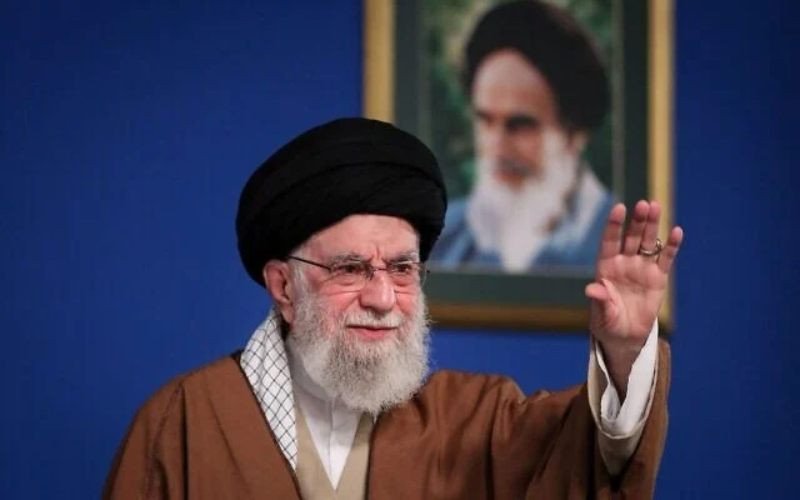
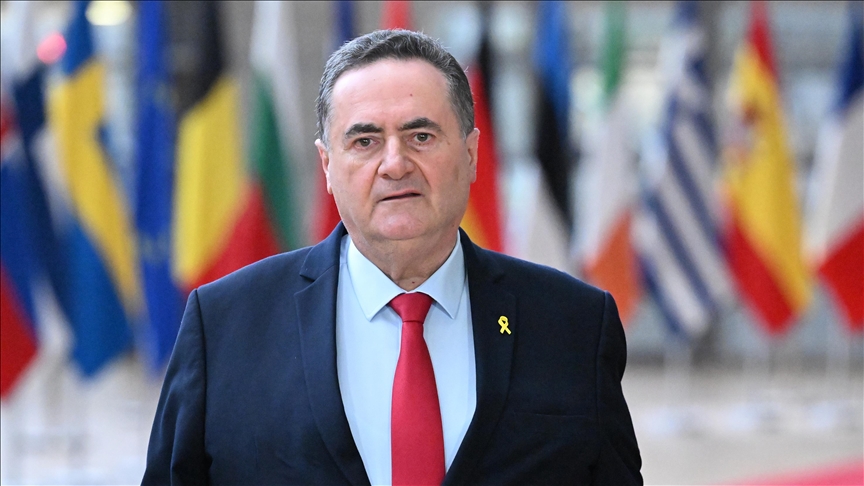
In a dramatic and unprecedented escalation of hostilities in the Middle East, Israeli Defense Minister Israel Katz has publicly stated that Iran’s Supreme Leader Ayatollah Ali Khamenei was killed during the opening strike of a large-scale military operation against Iran’s political and military leadership. The assertion was made as part of Israel’s broader narrative on the just-launched offensive that has drawn global attention and concern.
In a dramatic and unprecedented escalation of hostilities in the Middle East, Israeli Defense Minister Israel Katz has publicly stated that Iran’s Supreme Leader Ayatollah Ali Khamenei was killed during the opening strike of a large-scale military operation against Iran’s political and military leadership. The assertion was made as part of Israel’s broader narrative on the just-launched offensive that has drawn global attention and concern.
“Operation Roaring Lion” and the Opening Blow
According to Israeli officials, the coordinated offensive — named Operation Roaring Lion — began with a massive preemptive airstrike targeting senior figures within the Iranian regime, including those close to the supreme leader. Defense forces reported that the first wave of strikes hit multiple locations in Tehran where Iran’s top military and security command were believed to be gathered.
In a statement released on social media platform X, Defense Minister Israel Katz said:
“The tyrant Khamenei was eliminated in the opening blow of Operation Roaring Lion, along with other senior figures in the Iranian terrorist stronghold. Justice was done and the axis of evil suffered a fatal blow.”
Katz also emphasized that Israel would continue to act decisively “with all our might to defend the State of Israel” as part of the campaign.
Israeli Military Description of the Strikes
The Israel Defense Forces (IDF) said that hundreds of fighter jets and aircraft took part in the opening phase of the operation, hitting strategic command centers, military compounds, and defense infrastructure across Iran. In addition to Khamenei, Israeli sources claimed key military leaders — including advisers and commanders within the Revolutionary Guard Corps — were among those eliminated in the initial blow.
Israeli officials also circulated images and statements suggesting they had identified and targeted locations in Tehran where regime leadership were convening, signaling an attempt at a decapitation strike aimed at crippling Iran’s command structure.
Conflicting and Unverified Claims
While Israel’s defense leadership and military have asserted that Khamenei was killed in these initial strikes, independent verification remains limited and there has been no immediate official confirmation from the United States or Iranian government sources at the time of reporting. Iranian officials have been largely silent or have disputed some claims, and international media outlets have noted the fluid and uncertain nature of information coming out of the conflict zone.
Context of the Offensive
The joint U.S.–Israeli operation represents a significant escalation in the long-standing tensions between Iran and its adversaries, particularly over issues such as Iran’s nuclear program, regional influence, and support for proxy groups. According to analysts, Israel had previously expressed a desire to neutralize key elements of Iran’s leadership — including public statements from Israeli officials before earlier conflicts that the supreme leader “cannot continue to exist.”
International and Regional Reactions
News of the reported death of Iran’s supreme leader has immediately reverberated across the Middle East and beyond, raising fears of broad regional conflagration. World powers and regional actors have been calling for restraint, emergency sessions of diplomatic bodies are being held, and countries with vested interests in Middle Eastern stability are tracking developments closely. Global markets — especially oil and commodities — have already shown volatility amid the uncertainty.
What Comes Next?
If confirmed, the reported death of Ayatollah Khamenei would mark a historic turning point in Iranian politics, with no clear succession path and potential for internal power struggles. Analysts warn that the vacuum could strengthen hardliners within Iran’s security apparatus, reshape the nation’s foreign policy, and trigger broader instability both within Iran and across the region.
At the same time, the exact scope of the operation is still unfolding. Israel has indicated that the offensive is ongoing, with further strikes planned against what it calls “terror regime infrastructure,” signaling a longer and potentially more complex conflict than early reports suggested.
Note: The situation is rapidly evolving, and assessments from independent sources may continue to change as new information becomes available. Journalistic and governmental confirmations vary, and this article reflects reports available at the time of writ