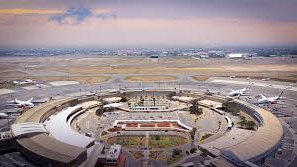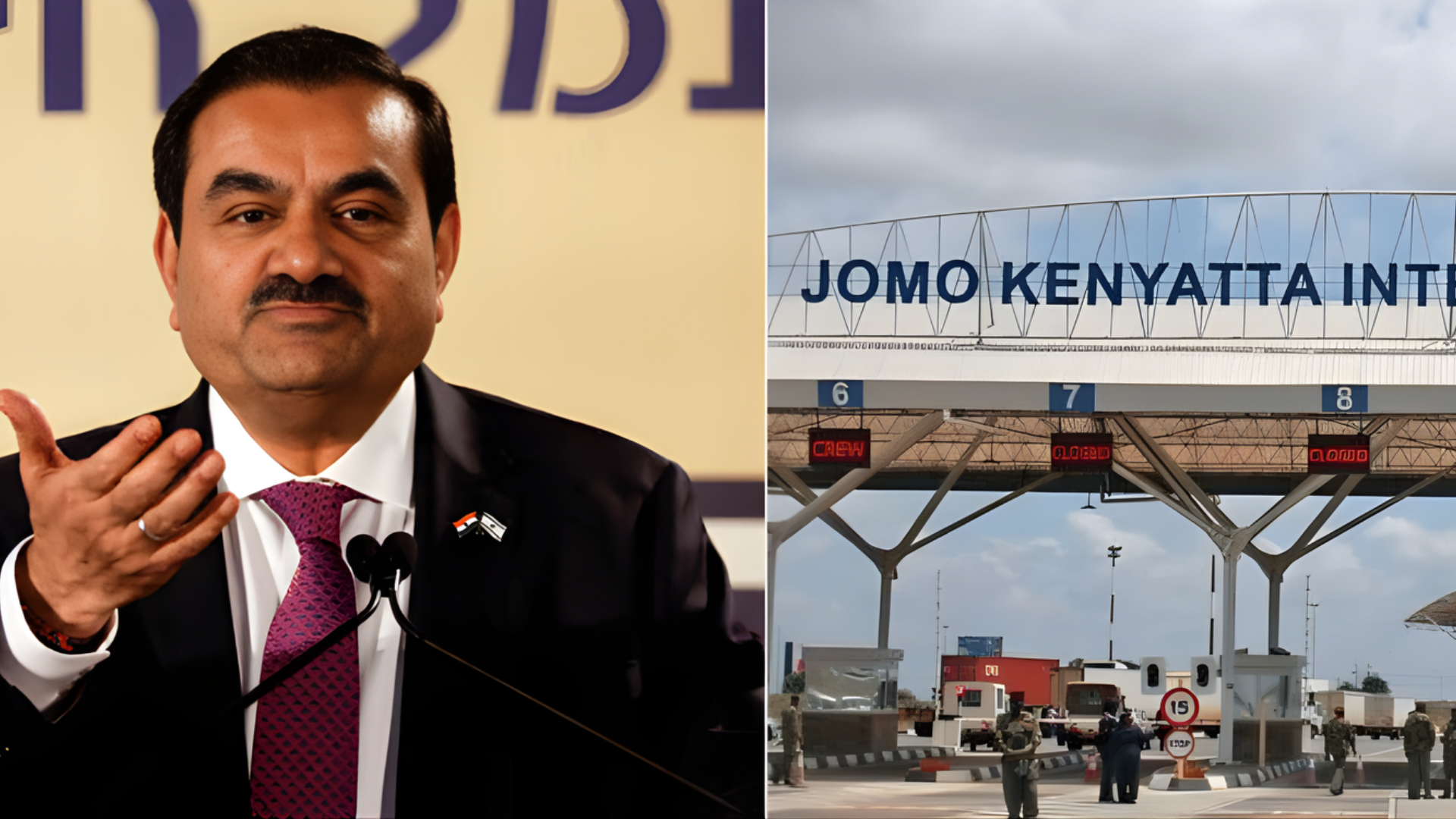
The Kenya Airports Authority last week launched its long-awaited JKIA Master Plan 2025-2045, a comprehensive blueprint designed to transform Jomo Kenyatta International Airport into a modern, high-capacity aviation hub capable of handling 22 million passengers annually by 2045.
The phased roadmap includes major terminal expansions, runway and taxiway upgrades, new cargo facilities, improved ground-handling infrastructure, enhanced passenger processing systems, additional parking bays, better landside access roads and integration of smart technologies for security, baggage handling and air-traffic management. KAA Managing Director Henry Ogoye described the plan as essential for positioning JKIA as a leading regional gateway and supporting Kenya’s ambition to become a middle-income economy.
“This is not just about bricks and mortar,” Ogoye said during the launch event at the airport. “It is about creating an airport that matches our aspirations—efficient, secure, passenger-friendly and commercially viable. By 2045 JKIA must be able to accommodate double today’s traffic without compromising safety or service quality.”
The authority emphasised that the master plan was developed through extensive stakeholder consultations involving airlines, travel agents, cargo operators, government agencies, private-sector partners and local communities. KAA also highlighted that implementation will follow open, competitive procurement processes in compliance with the Public Procurement and Asset Disposal Act.
Yet within hours of the document’s release, opposition figures, civil society activists and online commentators began raising alarm that the master plan could be a disguised pathway to revive the controversial Adani Group concession deal that President William Ruto canceled in November 2024.
The Adani proposal, initially awarded in 2022, would have seen the Indian conglomerate invest approximately $2 billion to modernise JKIA under a 30-year public-private partnership. The agreement was halted after nationwide protests, legal challenges, parliamentary scrutiny and allegations of irregularities in the tendering process. Ruto publicly terminated the deal, citing public interest and the need for transparency.
Activist Terry Gachoka, who led much of the anti-Adani campaign in 2024, was among the first to sound the warning. “They canceled Adani under pressure, but look at this master plan—it mirrors almost exactly what Adani promised,” Gachoka posted on X shortly after the launch. “No clear funding source is mentioned, no commitment to local contractors, no timeline for parliamentary approval. This smells like a backdoor re-entry. Kenyans must stay vigilant.”
Several opposition MPs echoed the sentiment, questioning why the plan was unveiled now—less than 18 months before the 2027 general election—and without a detailed financing strategy. “If this is truly a government-led project, where is the money coming from?” asked one Nairobi MP aligned with Azimio. “We were told Adani was canceled because we could do it ourselves. Now we see a grand plan with no budget line. The timing is suspicious.”
KAA and the Ministry of Transport have pushed back against the accusations. A senior KAA official, speaking on condition of anonymity, said the master plan is purely technical and independent of any previous concession discussions. “This document was commissioned in 2023—before the Adani deal was even canceled,” the official said. “It is a long-term infrastructure roadmap, not a PPP template. Funding will come through a mix of government budget, development partners, multilateral loans and private-sector participation—but only through transparent, competitive processes.”
Transport Cabinet Secretary Kipchumba Murkomen also addressed the speculation during a separate press briefing. “The JKIA Master Plan is about securing Kenya’s aviation future, not reviving canceled deals,” Murkomen stated. “President Ruto made it clear that any future involvement of private partners will be open, competitive and in the public interest. There is no hidden agenda here.”
Despite the assurances, public suspicion persists. Social media timelines have been filled with side-by-side comparisons of the 2024 Adani proposal documents and sections of the new master plan, with many users pointing to similar language on terminal design, cargo expansion and commercial revenue generation. Critics argue that the absence of a clear financing model in the public version of the plan leaves room for a future PPP tender that could quietly favour preferred bidders.
Aviation analysts, however, note that JKIA’s infrastructure is genuinely outdated and under severe pressure from rising passenger numbers. “The airport handled over 8.5 million passengers in 2025 and is projected to exceed 12 million by 2030,” said one Nairobi-based aviation consultant. “Without major upgrades, JKIA risks losing its hub status to Addis Ababa, Entebbe or Dar es Salaam. The master plan is overdue; the debate should be about funding transparency, not conspiracy.”
The JKIA Master Plan 2025-2045 is now open for public comment until mid-March, with KAA promising to incorporate stakeholder feedback before final adoption. Whether the current controversy will force greater disclosure on financing sources or dampen private-sector interest in future airport projects remains to be seen.
As Kenya approaches another election cycle, the intersection of infrastructure ambition and political trust continues to shape public perception of major national developments.