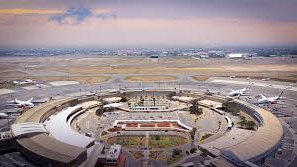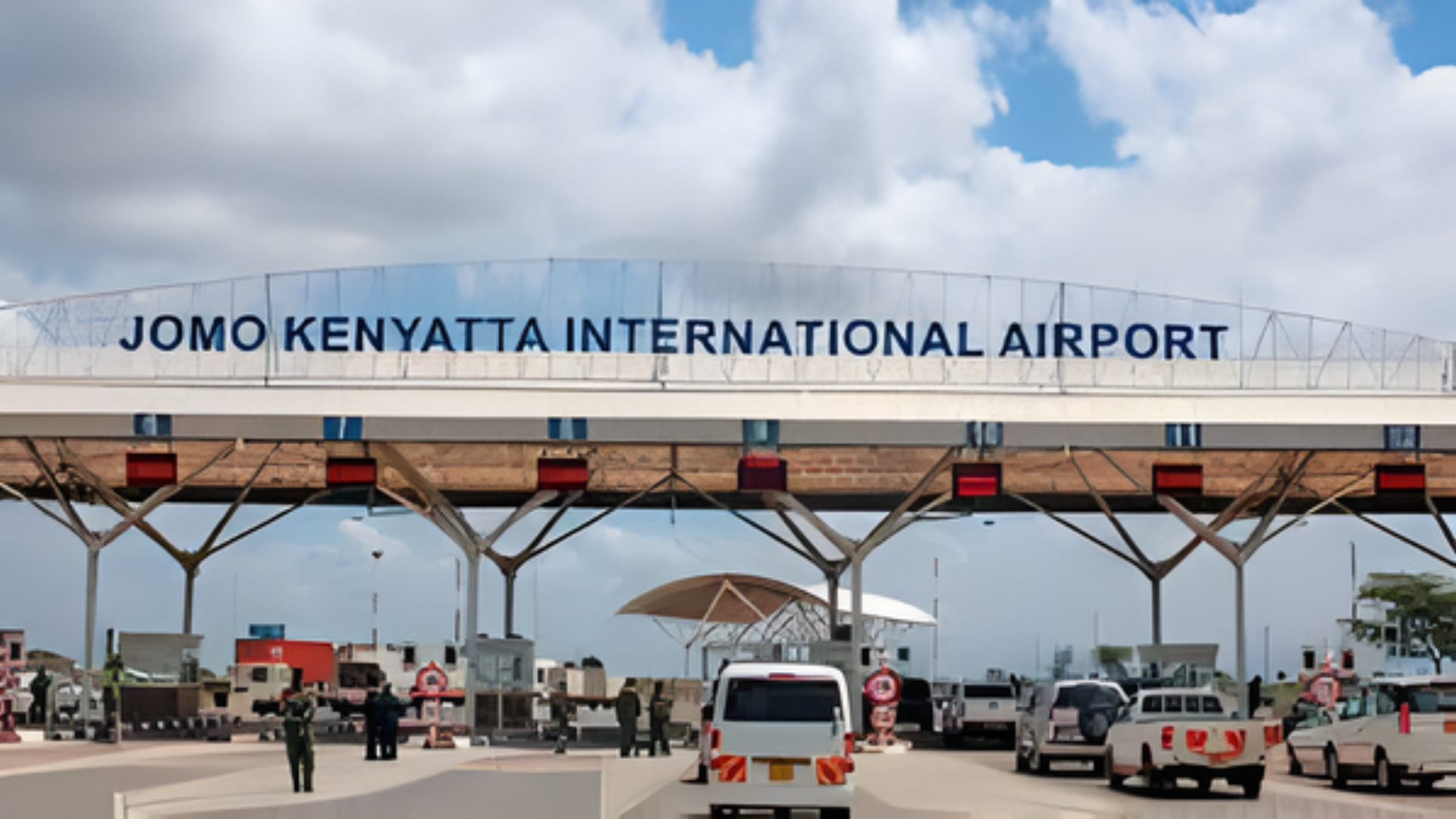
Private vehicles are now prohibited from accessing the main terminal drop-off and pick-up zones at Jomo Kenyatta International Airport (JKIA), with immediate effect, as the Kenya Airports Authority implements new traffic management rules aimed at reducing chronic congestion and improving passenger safety.
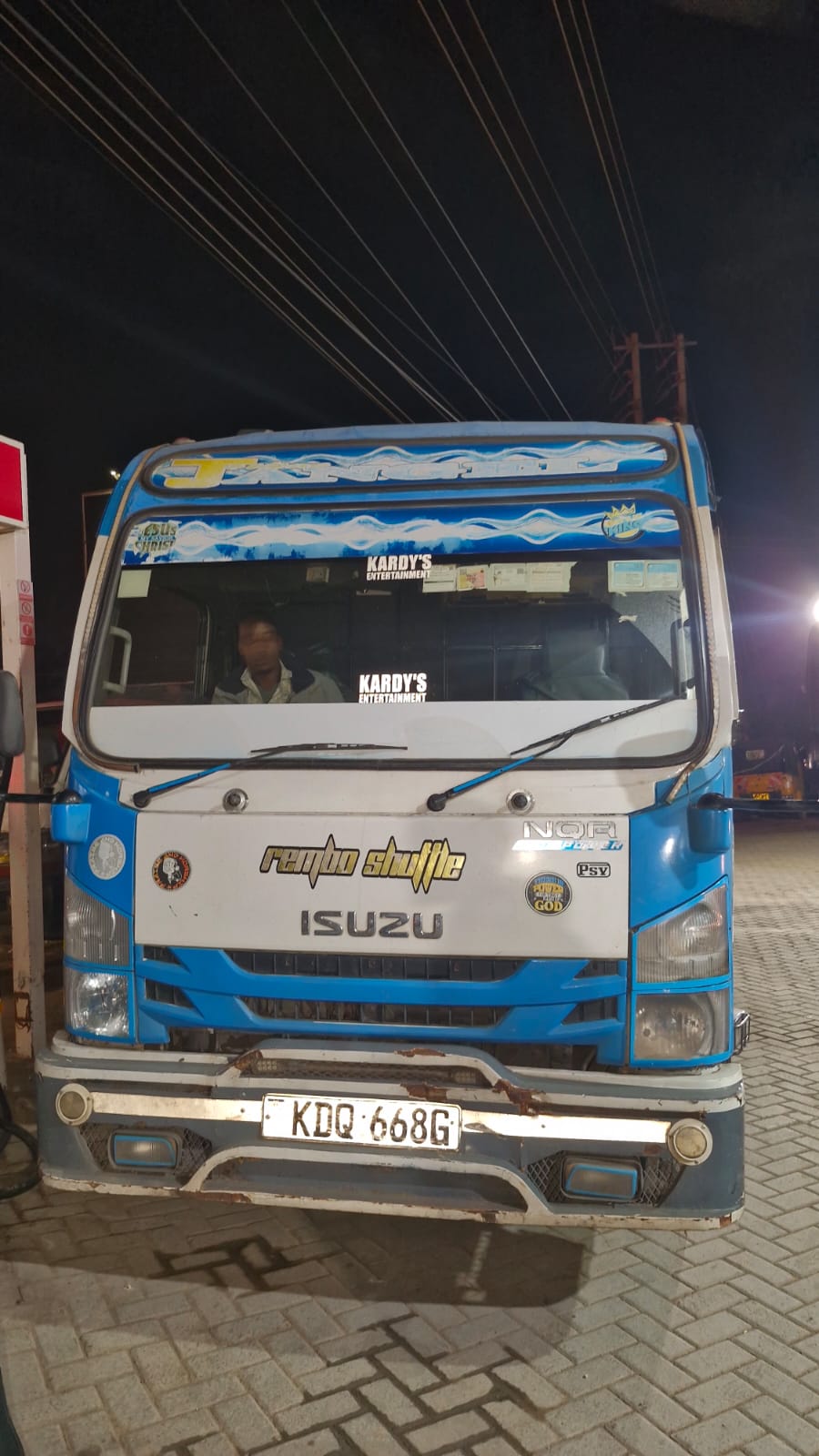
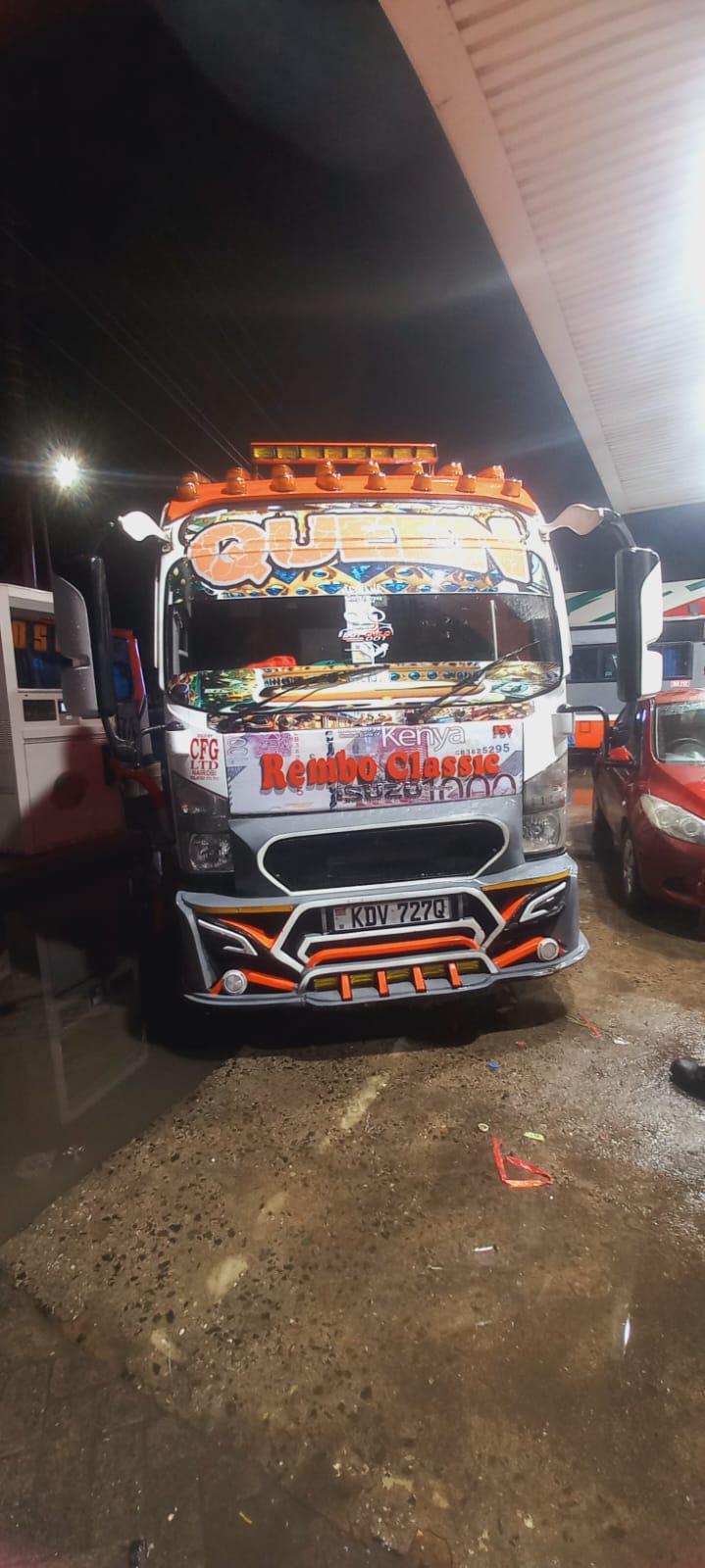
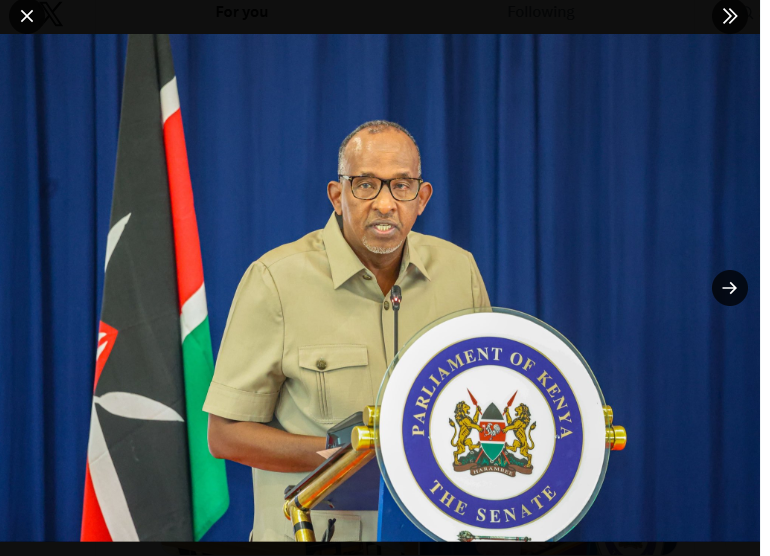
The restriction, announced by KAA Managing Director Henry Ogoye on February 25, 2026, limits direct access to the terminal forecourt exclusively to licensed airport taxis, approved ride-hailing services (such as Uber, Bolt and Little Cab) and authorised airport shuttle buses. Private cars, including those operated by family members, friends or personal drivers, must now use designated remote parking areas or the public parking facilities away from the terminal building.
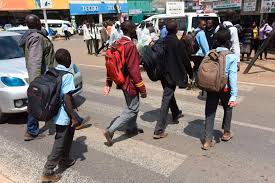
Ogoye explained that the measure addresses long-standing complaints about severe gridlock, illegal parking, double-parking and unsafe pedestrian crossings caused by private vehicles stopping directly outside arrivals and departures. “The main terminal area has become a bottleneck,” Ogoye said. “Private vehicles stopping for extended periods to drop off or pick up passengers create massive tailbacks, block emergency lanes and expose pedestrians to danger. By restricting access to authorised commercial services, we can keep the forecourt flowing smoothly, reduce wait times and enhance overall security.”
The KAA has designated several alternative drop-off and pick-up points. Passengers arriving by private car can be dropped at the multi-storey parking building or the public parking lots, from where they can walk or use complimentary shuttle buses to the terminal. Similarly, departing passengers can be dropped at remote points and use trolleys or shuttles to reach check-in areas. The authority has increased shuttle frequency and added clear signage to guide motorists.
Ride-hailing drivers and airport taxis will continue to enjoy direct access but must adhere to strict no-waiting rules and use designated loading bays only. “This is not about excluding private cars from the airport,” Ogoye clarified. “It is about managing the terminal zone efficiently. Private vehicles can still reach the airport easily—they just cannot stop right at the door anymore.”
The decision follows months of stakeholder consultations with airlines, taxi associations, ride-hailing companies, passenger rights groups and security agencies. KAA said the policy was informed by successful similar measures at other major international airports, including Dubai, Johannesburg and Singapore, where dedicated commercial vehicle zones have significantly improved traffic flow.
Passenger reactions have been mixed. Frequent flyers welcomed the move, saying congestion often added 20–30 minutes to journeys. “I support it 100%,” said one Nairobi commuter. “Every time I come to pick someone, the terminal road is a nightmare—cars double-parked, taxis blocking lanes, people crossing dangerously. This should make things faster and safer.”
Others expressed frustration over the inconvenience, especially for elderly passengers, those with heavy luggage or families with young children. “Why punish ordinary people?” asked a driver who regularly drops relatives at JKIA. “Taxis and ride-hailing are more expensive, and now we have to walk long distances with bags or pay extra for parking. It feels like the airport is only for the rich.”
KAA has promised to monitor the policy closely and make adjustments if necessary. “We will assess passenger feedback in the first month and fine-tune the system,” Ogoye said. “Shuttle buses will be increased if demand rises, and we are exploring covered walkways or additional drop-off bays outside the main terminal zone.”
The authority has also warned of penalties for non-compliance. Private vehicles found stopping or parking in the restricted terminal forecourt will face immediate towing, fines and possible clamping. “We will enforce this rule strictly to protect the travelling public,” Ogoye added. “The days of chaos at the terminal entrance are over.”
The policy aligns with JKIA’s broader modernisation efforts, including ongoing terminal expansions, improved security screening and plans for a new expressway link to ease overall airport access. As Kenya’s main international gateway, JKIA handles over 8 million passengers annually, making efficient traffic management critical to maintaining its status as a regional hub.
The restriction is expected to remain in force indefinitely unless significant infrastructure changes eliminate the need for it. Passengers are advised to plan extra time for arrival and departure, use authorised services where possible and follow signage to the designated parking and drop-off areas.