 Lilian Nyiva
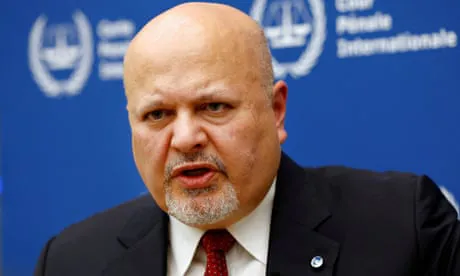
The International Criminal Court (ICC) has suspended its Chief Prosecutor, Karim Khan, following the conclusion of a disciplinary process linked to allegations of sexual misconduct that have shadowed his tenure for nearly two years. The decision marks an unprecedented moment in the court's history and places the future of one of its most prominent officials in the hands of member states.
The suspension was announced by the ICC's governing body after its executive committee voted to refer the matter to a special session of the Assembly of States Parties, the court's 125-member governing body. The session is expected to determine whether Khan should remain in office or face removal.
Allegations and Investigation
The allegations were first made public in 2024 by a female staff member who accused Khan of coercive and non-consensual sexual conduct allegedly occurring between 2023 and 2024. The alleged incidents were reported to have taken place during work trips, in Khan's office, and at his residence.
An investigation conducted by the United Nations Office of Internal Oversight Services examined the claims. According to reports, the inquiry found evidence supporting some of the allegations, although separate judicial reviews reportedly reached differing conclusions regarding whether the evidence met the threshold required to establish misconduct.
Khan Denies Wrongdoing
Khan has consistently denied all allegations against him. Through his legal team, he has maintained that he never harassed or mistreated anyone, misused his authority, or engaged in inappropriate conduct. Following the suspension, Khan reportedly described the disciplinary process as unfair and unsupported by evidence.
The British lawyer had already stepped aside from his prosecutorial duties in May 2025 while the investigation was underway. Deputy prosecutors have been managing the Office of the Prosecutor during his absence.
What Happens Next?
The Assembly of States Parties will now review the findings and recommendations emerging from the disciplinary process. Member states will have the authority to decide whether Khan should be removed from office or allowed to continue serving as prosecutor. The ICC has emphasized that the suspension does not constitute a final determination of guilt and that due process must be respected throughout the proceedings.
Implications for the ICC
The controversy comes at a sensitive time for the ICC, which is handling several high-profile international investigations and prosecutions. Observers say the case has raised broader questions about accountability, governance, and institutional credibility within the world's permanent war crimes court.
Khan, who became ICC prosecutor in 2021, is the first chief prosecutor in the court's history to face formal suspension while in office. The outcome of the upcoming vote by member states could have significant implications for both his future and the court's leadership.