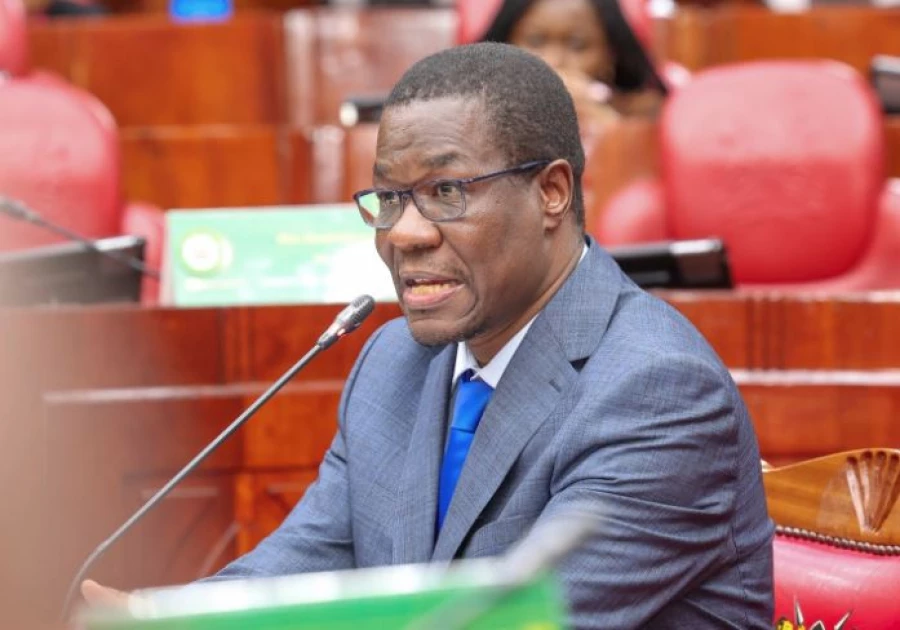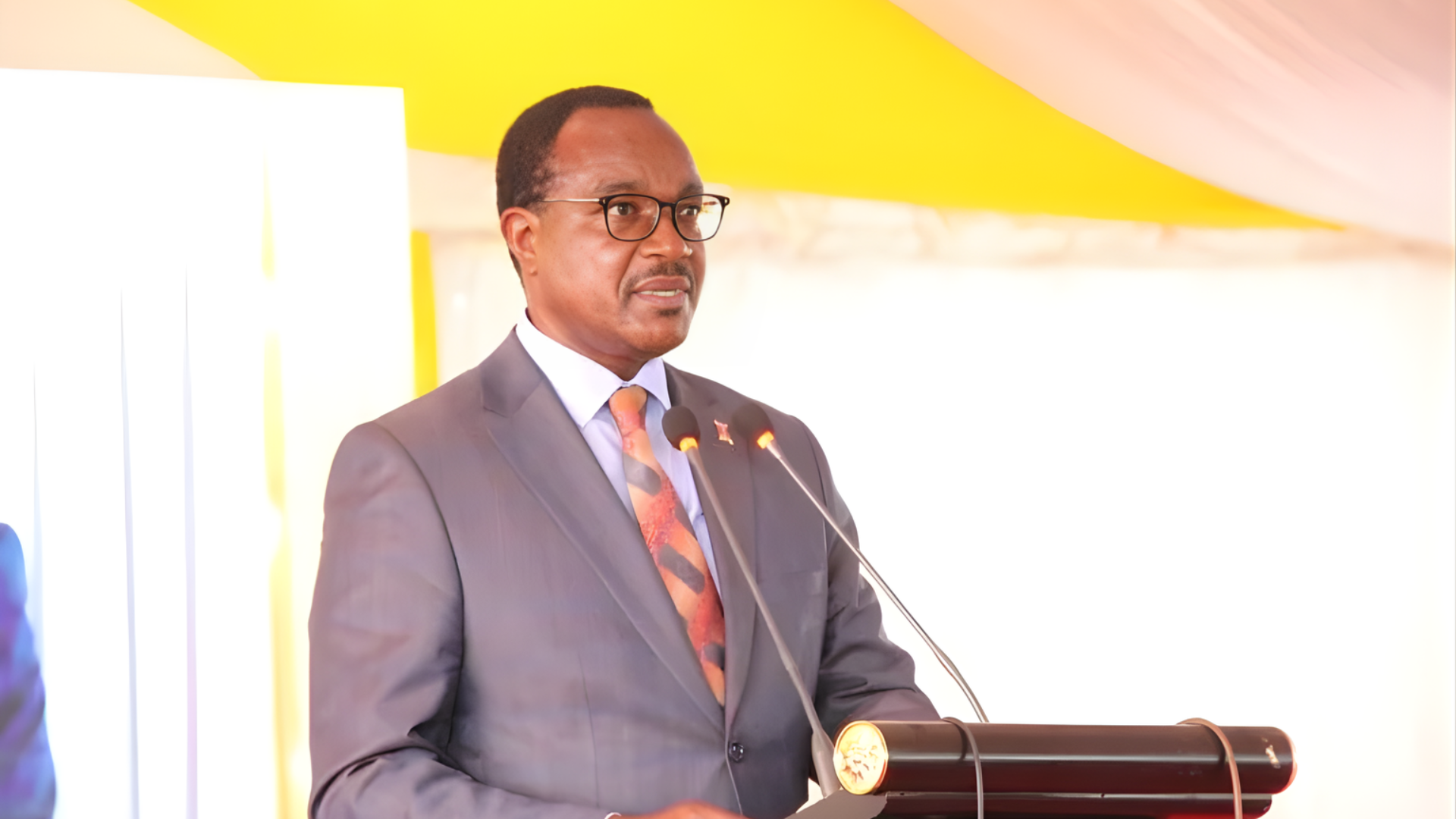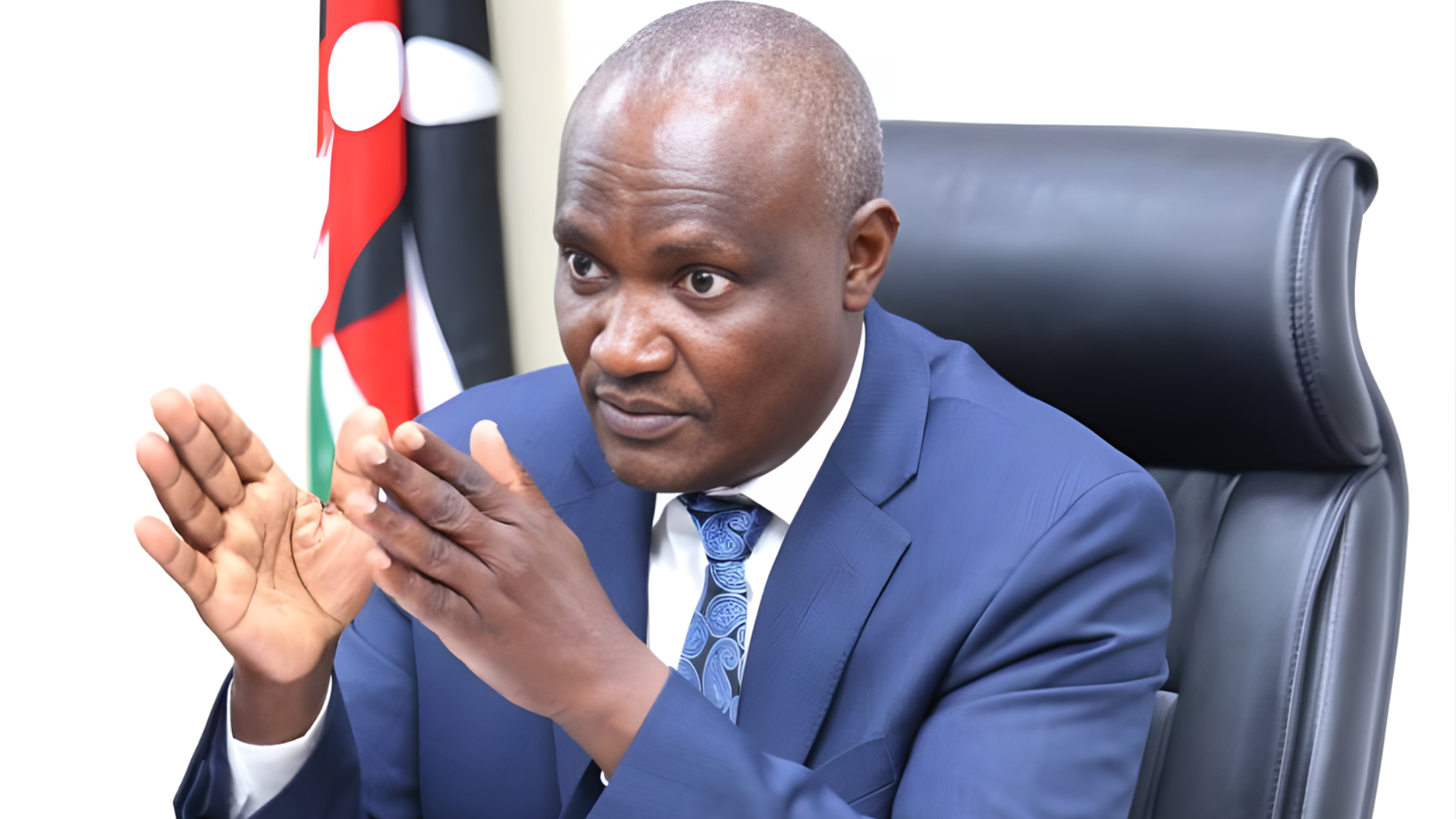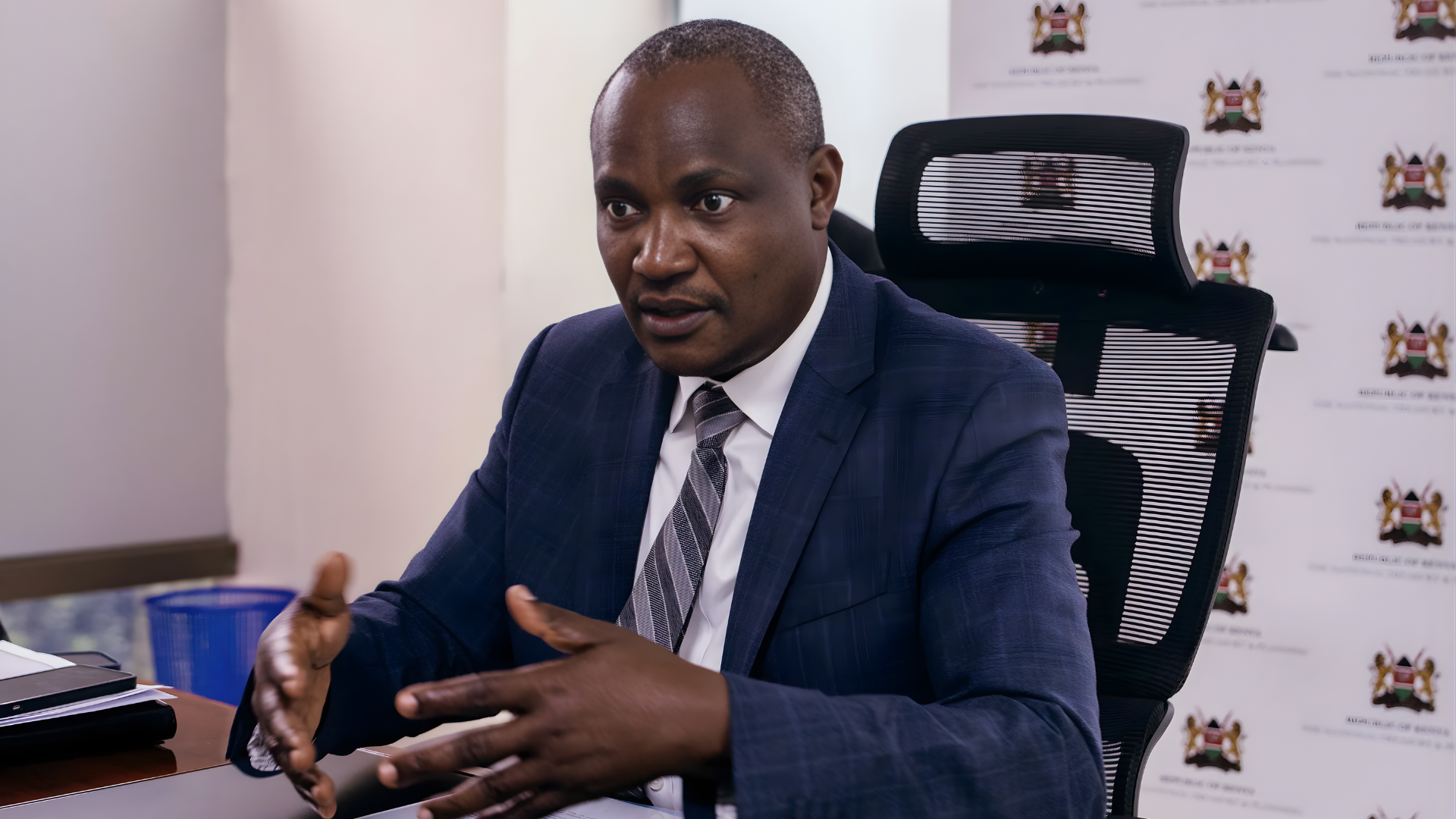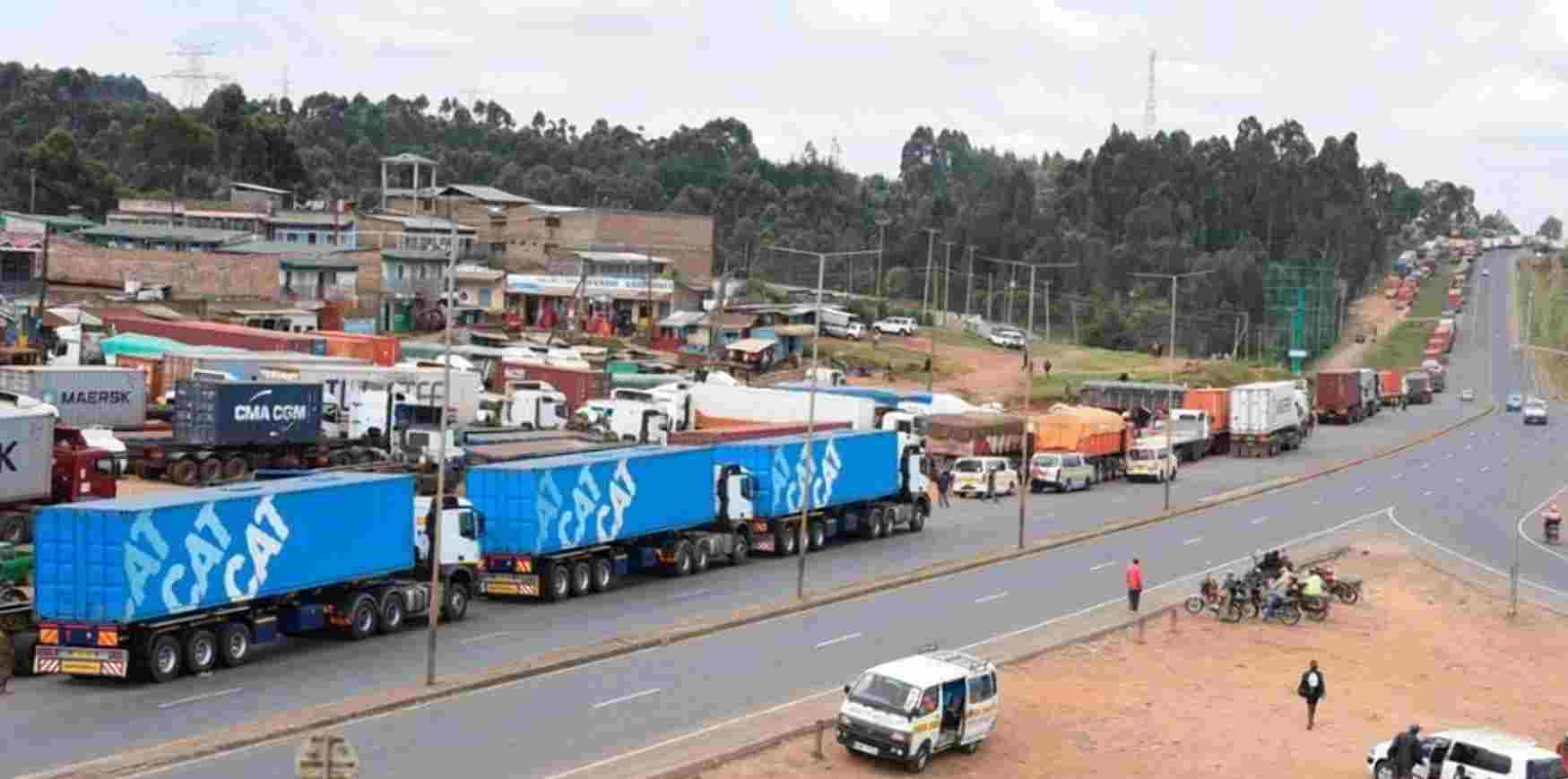
The sun-baked asphalt of the A8 highway, stretching like a weary vein from Nairobi's throbbing heart through the Rift Valley's undulating plains to the misty heights of Mau Summit, has long been both lifeline and liability for Kenya's restless travelers. Trucks laden with maize from Eldoret rumble alongside matatus ferrying market women from Naivasha, their journeys punctuated by the jarring symphony of potholes, overheating engines, and interminable delays that turn a four-hour trek into an eight-hour ordeal. On November 4, 2025, as the Kenya National Highways Authority convened a stakeholder forum in Nakuru's cavernous Jamhuri Park Hall, Acting Director General Eng. Luka Kimeli addressed a room thick with skepticism from truckers, saccos operators, and residents who had weathered years of broken promises on this vital corridor. With maps unrolled across conference tables and digital renderings flickering on screens, Kimeli outlined a pivotal concession: the government will delineate and upgrade parallel free routes for motorists opting out of tolls on the forthcoming Nairobi-Nakuru-Mau Summit Expressway and the Rironi-Maai Mahiu-Naivasha highway. "We hear the voices of those who fear the toll as a barrier to movement," Kimeli stated, his tone a deliberate bridge between bureaucratic resolve and public apprehension. "This project is for all Kenyans—those who pay for speed and those who choose the steady path. By mid-2026, we'll have mapped and rehabilitated alternatives, ensuring no one is priced off the road to opportunity."
The pledge emerges at a crossroads for one of East Africa's most ambitious infrastructure gambits, a Sh170 billion public-private partnership (PPP) that envisions transforming the 175-kilometer A8 stretch from Rironi to Mau Summit and the 58-kilometer A8 South spur via Maai Mahiu to Naivasha into a dual-carriageway marvel. Awarded in October 2025 to a consortium of China Road and Bridge Corporation (CRBC) and the National Social Security Fund (NSSF) after a contentious cancellation of a prior French deal, the project promises to slash travel times by 50 percent, from the current grueling six hours to a brisk three, complete with interchanges, viaducts over Nakuru's urban snarl, and smart traffic systems to tame the corridor's notorious accident blackspots. Yet, the specter of tolls—pegged at Sh8 per kilometer, escalating 1 percent annually—has ignited a firestorm, with commuters decrying it as "double taxation" atop the Sh18 fuel levy already funding roads. "We've paid at the pump; why pay again to crawl?" vented 52-year-old long-haul driver Joseph Mwangi from a Nakuru truck stop, his cab scarred by years of escarpment skirmishes. "This toll turns breadwinners into beggars—give us the free way, or watch the highways empty."
Kimeli's assurance, detailed in a 12-page concept note distributed at the forum, commits to a multi-pronged alternative framework. For the main A8, parallel routes like the B5 via Limuru and the older A104 sections through Gilgil will receive Sh5 billion in upgrades: resurfacing, drainage overhauls, and signage to handle diverted traffic volumes projected at 30,000 vehicles daily. The Maai Mahiu-Naivasha leg, branching south from Rironi, will see its existing single carriageway expanded to four lanes without tolls, preserving it as a no-cost parallel while the expressway caters to premium speed. "These aren't afterthoughts; they're integral to the design," Kimeli emphasized, pointing to topographic overlays showing the A8 South's natural bypass potential. "We'll invest Sh2.8 billion in the Maai Mahiu stretch alone—widening shoulders, adding lay-bys, and solar lighting to ensure safety for those avoiding the Sh8/km premium." The plan, aligned with the draft National Tolling Policy 2025, mandates affordability audits every two years, with rebates for low-income users and exemptions for emergency vehicles, drawing from the Nairobi Expressway's model where Uhuru Highway remains free.
The project's tortuous path to this juncture reflects Kenya's perennial tango with tolls, a dance of fiscal necessity and public pushback. Conceived in 2017 under the Uhuru administration as a PPP to ease the Northern Corridor's chokehold—linking Mombasa's port to Uganda, Rwanda, and beyond—the initiative stalled amid procurement quagmires. A 2020 pact with French giant Vinci Highways, valued at Sh164 billion, crumbled in May 2025 when the Ruto government invoked a Sh7.2 billion termination clause, citing unaffordable tariffs (up to Sh6,450 for trucks) and unviable traffic risk transfers. "The French bid was a millstone—Sh12 per km, no free parallels, and a 30-year concession that locked us in," recalled Roads Cabinet Secretary Kipchumba Murkomen during a parliamentary defense in June, his charts contrasting the deal's 8 percent returns with Kenya's 13 percent domestic borrowing costs. Enter the CRBC-NSSF duo, whose Sh8/km base rate and integrated alternatives clinched the nod in October, backed by a Sh100 billion NSSF equity stake to localize benefits. "This isn't foreign plunder; it's Kenyan capital building Kenyan roads," NSSF CEO Patrick Gitonga affirmed at the award ceremony, his presence a nod to the fund's mandate to seed infrastructure for pensioners' futures.
Public forums, mandatory under the PPP Act 2020, have been the crucible for this evolution. In Naivasha's packed community hall on September 4, 2025, over 500 residents—fisherfolk from Lake Naivasha's shores, geothermal workers from Olkaria, and flower farmhands—unleashed a torrent of concerns. "Toll us, and we'll detour through hell—narrow tracks where lorries crush our bikes," argued Mary Wanjiku, a 40-year-old matatu saccos chair from Longonot, her microphone gripped like a gavel. KeNHA engineers, armed with laser pointers and relief models, countered with timelines: construction groundbreaking by Q2 2026, partial openings by 2028, full operations by 2030. The Maai Mahiu stretch, a serpentine escarpment route prone to landslides, will dual without gates, while Mau Summit's gradients get bypasses via the older B5. "We're not forcing choice; we're offering it—pay for the express, or pace the parallel," Eng. Kimeli responded, sketching detours on a whiteboard that drew murmurs of tentative approval. Similar sessions in Nakuru and Limuru echoed the refrain: affordability for the 70 percent of users in personal vehicles or PSVs, who balk at Sh1,400 round-trips.
The economic calculus underscores the alternatives' imperative. The corridor, ferrying 40,000 vehicles daily and Sh1.2 trillion in annual cargo, bottlenecks at Salgaa curves and Naivasha bottlenecks, costing Sh200 billion yearly in delays per World Bank estimates. The expressway's viaducts and smart signals promise 20 percent fuel savings and halved accident rates—Kenya logs 4,500 road deaths annually—but at Sh8/km, a sedan pays Sh1,400 one-way to Mau Summit, trucks Sh7,000. Free routes, though slower by 30-45 minutes, mitigate equity gaps: the B5's 120 km via Gilgil, upgraded with Sh1.2 billion, will handle 15,000 vehicles sans tolls. "It's choice with consequence—speed for a fee, or steady for free," Murkomen elaborated in a Capital FM interview on November 5, his words a salve for critics like the Kenya Transporters Association's chairperson, Dennis Mwaniki. "We've negotiated exemptions for saccos below 30 seats and rebates for frequent haulers—Sh8/km is benchmarked against Ethiopia's Sh10 and Uganda's Sh6."
NSSF's stake adds a domestic twist, channeling pension funds into a 30-year concession where CRBC handles design-build-finance-operate-maintain-transfer, recouping via tolls while KeNHA retains ownership. "Our Sh100 billion isn't giveaway; it's investment yielding 9 percent returns, funding retiree payouts," Gitonga stressed at a pensioners' baraza in Nyeri, where elders nodded at visions of dividends from duked roads. Yet, risks lurk: traffic diversion to free paths could starve revenues, prompting KeNHA's contingency of dynamic pricing—off-peak discounts at 20 percent. Environmental nods include wildlife corridors for Naivasha's hippos and carbon offsets via 500,000 acacia plantings along parallels.
For daily commuters like Mwangi, the pledge is pragmatic poetry. "I'll take the slow lane if it keeps my wallet whole—Sh1,400 round-trip buys a week's unga," he shared over a roadside nyama choma, his truck idling beside a cratered shoulder. Wanjiku, plotting saccos reroutes via Maai Mahiu's free dual, sees solidarity. "This balances the scales—express for the elite, equity for us." As cranes loom on horizons from Rironi to the escarpment, Kenya's highway saga unfolds: tolls as catalyst, alternatives as conscience. Kimeli's map, now public domain, charts not just roads but resolve—a corridor where movement meets mercy, paving progress for all wheels, paid or patient.
The forum's afterglow spilled into action: KeNHA's technical teams, dispatched to Gilgil and Longonot on November 5, surveyed B5 alignments, their theodolites whirring amid curious herders. Murkomen, touring the site via chopper, huddled with CRBC execs on viaduct blueprints, their sketches fusing Chinese precision with Kenyan contours. NSSF's Gitonga, in boardroom briefings, modeled toll streams: Sh8/km yielding Sh25 billion annually post-2030, 40 percent to maintenance, 30 percent to NSSF, the rest to KeNHA for parallels. Critics like Mwaniki, in association missives, pushed for caps: "Sh6/km max, or saccos boycott the beast." Kimeli, fielding emails in Nakuru's twilight, pledged pilots: "Test detours in Q1 2026—feedback fine-tunes the free flow."
In Naivasha's lakeside lodges, where tourists sip Tusker overlooking hippo pods, the project whispers of wider boons: cargo speeds to Mombasa slashing logistics by 25 percent, EAC trade swelling Sh500 billion yearly. For Mwangi and Wanjiku, it's visceral: lanes that link livelihoods, free or fee'd. As November's rains tease the Rift, the A8 awaits its dual destiny—expressway and echo, toll and trail—a highway where Kenya chooses its pace, one unpaved parallel at a time.