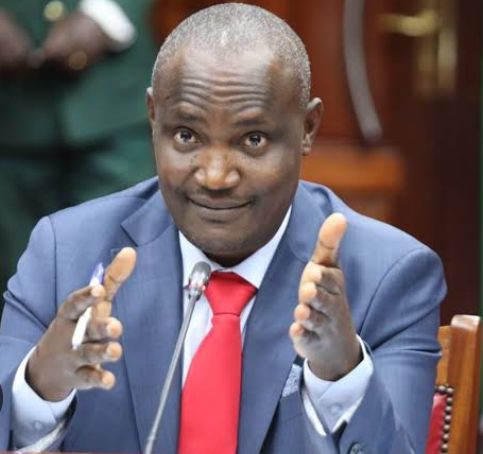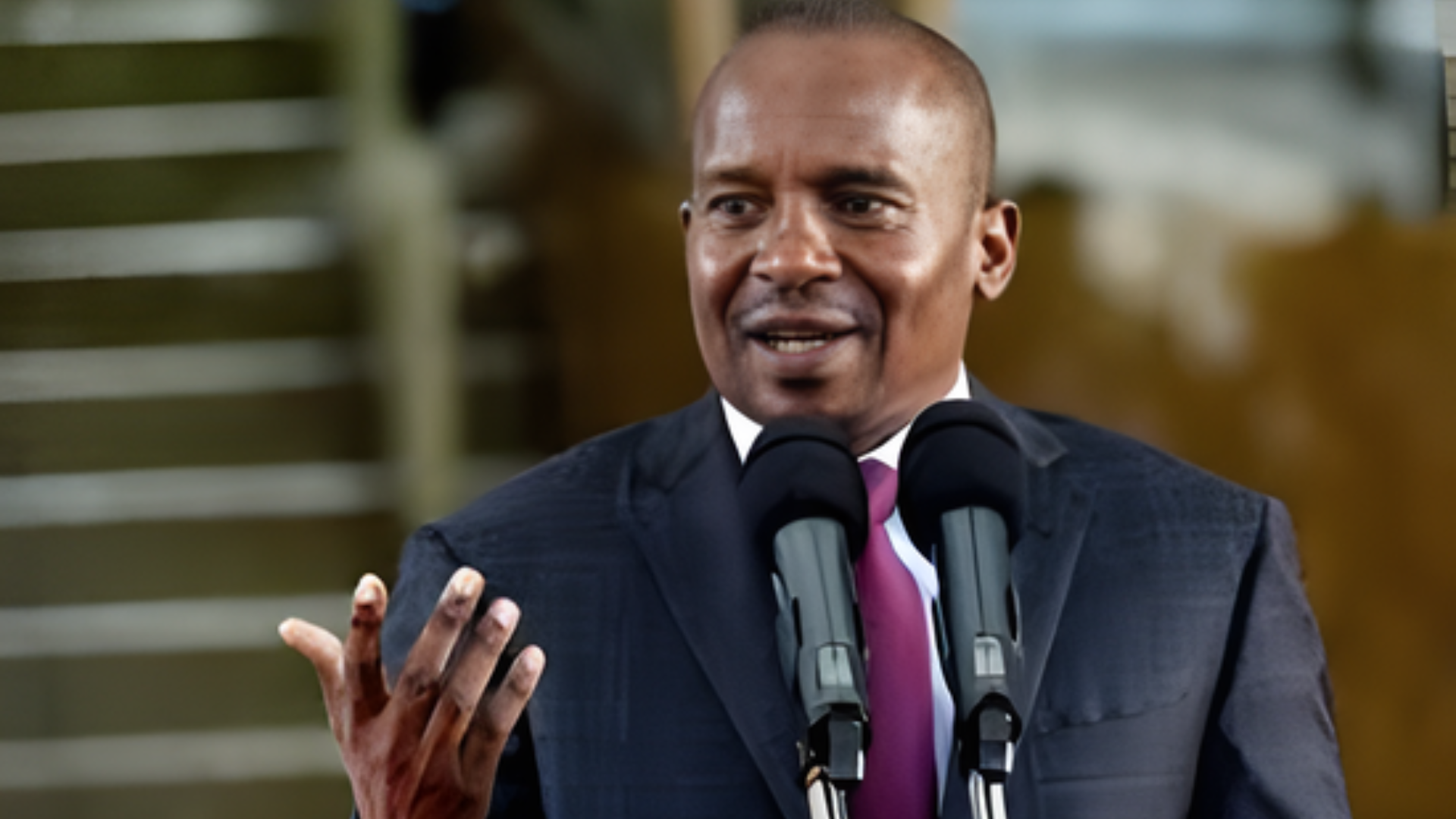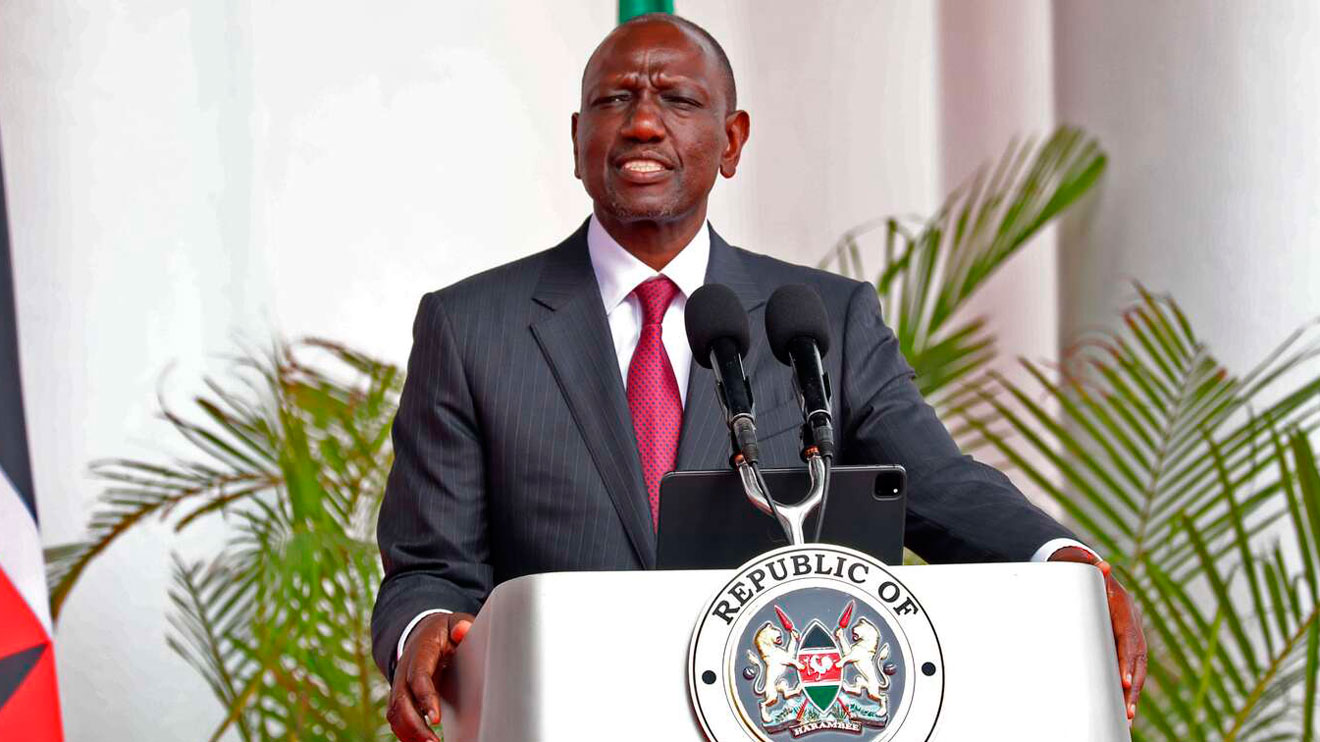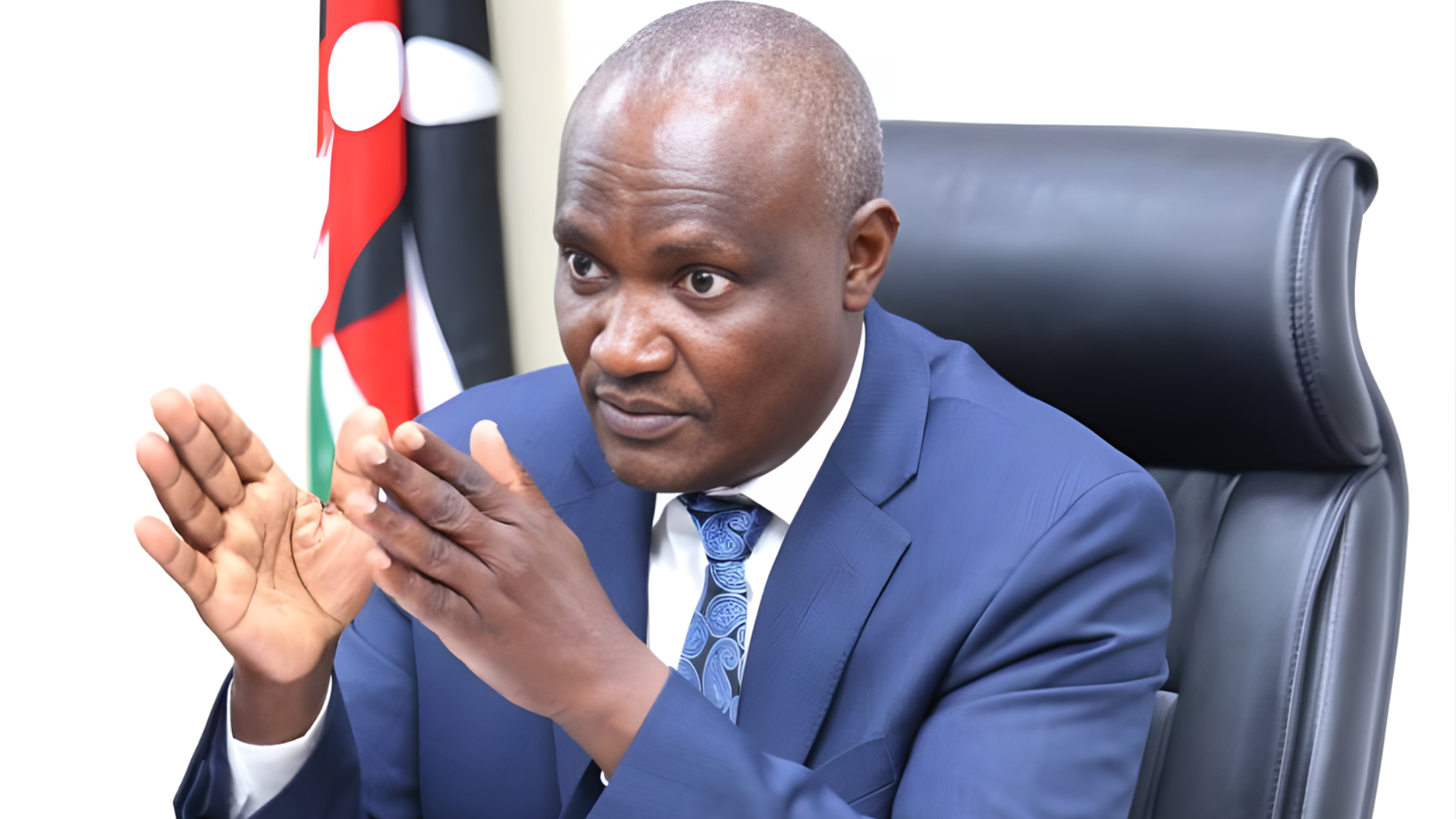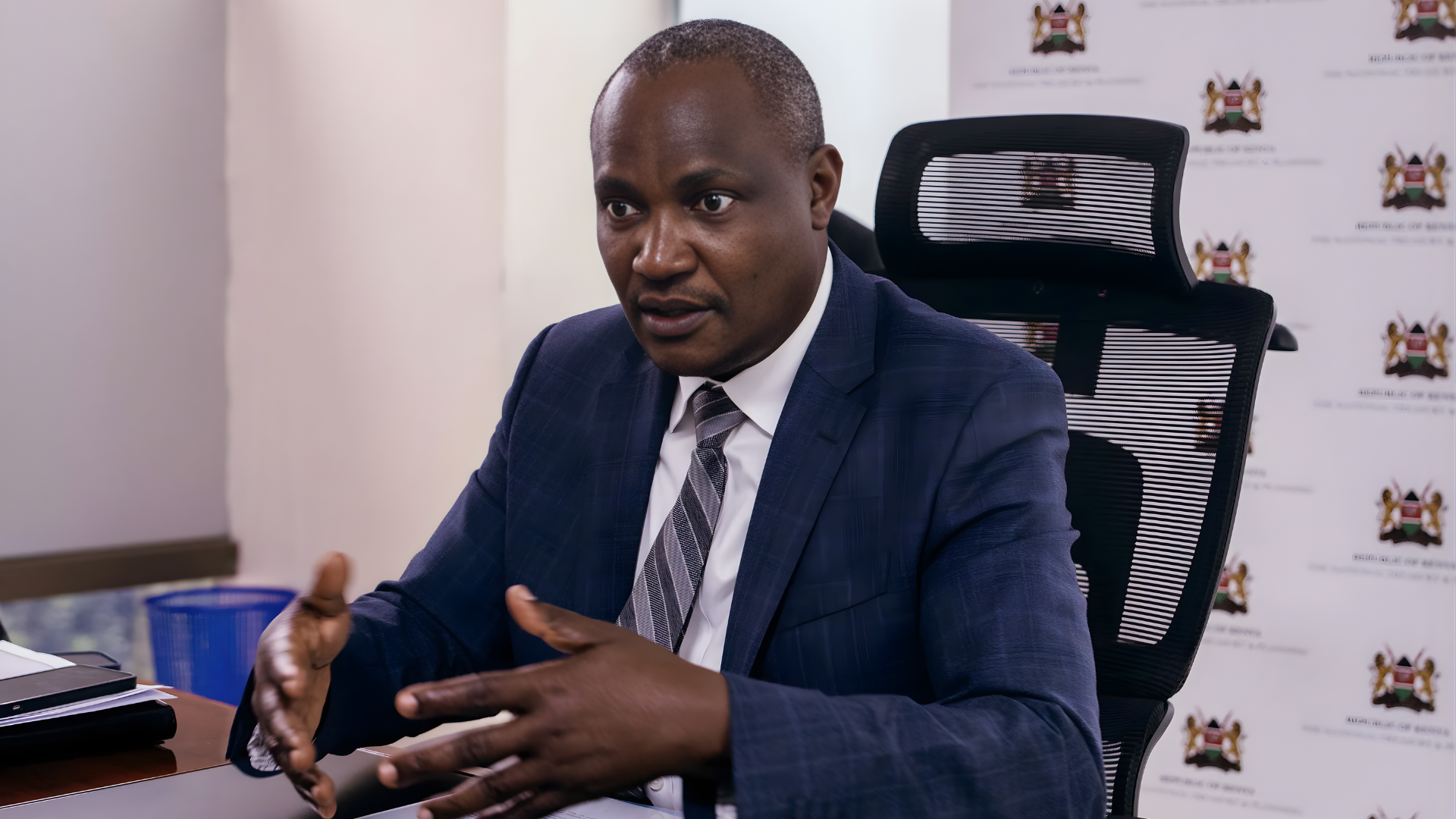
The vaulted halls of the National Treasury building on Harambee Avenue, where economists pore over balance sheets under the hum of air conditioners straining against Nairobi's equatorial heat, have rarely seen such a flurry of wire transfers as in the final quarter of 2025. On November 5, amid a backdrop of global fiscal recalibrations and domestic revenue squeezes, Treasury Cabinet Secretary John Mbadi stepped before a cluster of financial correspondents in a sunlit conference room, his tie a subdued navy against the green of Kenyan flags lining the walls. With a stack of disbursement ledgers at his elbow and a digital dashboard flickering projections on a pull-down screen, Mbadi unveiled a seismic shift in Kenya's debt management playbook: repayments to the United States have rocketed from a modest Sh357 million in 2024 to a staggering Sh18 billion across the past six months, a 50-fold escalation that underscores both urgency and strategy. "This is not panic; it's prudence," Mbadi stated, his tone a blend of the accountant's precision and the politician's resolve, as he traced a finger along a graph spiking like a heartbeat under stress. "The United States, our longstanding bilateral partner, has pivoted from direct sovereign lending to channeling funds through its development agencies like USAID and DFC. We're accelerating settlements to honor obligations upfront, preserving goodwill and unlocking new project pipelines unencumbered by legacy debts."
The announcement, timed just days before the mid-November Mid-Term Debt Management Strategy review, arrives as Kenya navigates a debt quagmire that has ballooned to Sh10.5 trillion—56 percent of GDP—fueled by post-pandemic borrowing and infrastructure appetites. Of this, external obligations claim Sh5.2 trillion, with the US slice, though modest at 4 percent or Sh208 billion, punching above its weight in concessional terms. Historically, Washington extended low-interest loans via mechanisms like the EXIM Bank for export-boosting ventures—think the Sh12 billion line for the Lake Turkana Wind Power project in 2018—or USAID's blended finance for agribusiness. Yet, in a policy U-turn signaled at the G7's 2024 summit and formalized in a State Department directive last March, the Biden administration—facing domestic pressures from congressional hawks and a ballooning US deficit—curtailed direct-to-government disbursements. "No more blank checks to treasuries; we're investing in outcomes through agencies that tie strings to transparency," a senior US Treasury official had articulated in a Washington Post op-ed in April, a missive that rippled through Nairobi's diplomatic circuits like a tremor foretelling an aftershock. The pivot prioritizes "ring-fenced" funding: USAID for climate-resilient farming in ASALs, the Development Finance Corporation for green bonds in renewable grids, and Millennium Challenge Corporation compacts for infrastructure with built-in audits.
Mbadi, a soft-spoken economist whose ascent from Central Bank advisor to Treasury helm in July 2024 marked a generational shift, framed the repayments as a masterstroke of fiscal diplomacy. "Last year's Sh357 million was a baseline; this year's surge clears tranches from the 2015 EXIM facility for the Galana-Kulalu irrigation scheme and the 2019 USAID credit for health logistics," he explained, pulling up a tranche schedule on his tablet, the figures glowing in stark blues and reds. "By front-loading Sh18 billion—equivalent to $140 million at current rates—we're not just settling; we're signaling reliability. This frees bandwidth for fresh inflows: DFC's $500 million pipeline for geothermal expansions in Olkaria, USAID's $200 million for digital agriculture in the Rift." The math, audited by the Office of the Controller of Budget, breaks down to Sh12.4 billion in principal and Sh5.6 billion in interest across four facilities, executed via swift EFTs to New York's Federal Reserve sub-account last week. "It's like pruning a tree overloaded with branches—trim the old to let the new thrive," Mbadi analogized, his analogy drawing nods from reporters scribbling furiously.
The policy pivot, rooted in America's "America First" redux under fiscal conservatives, echoes a broader retrenchment from multilateral largesse. Post-2022's Ukraine aid binge, which swelled US commitments to $113 billion, lawmakers like Senator Lindsey Graham pushed the Foreign Aid Transparency Act, mandating agency-led disbursements to curb "sovereign slush funds." For Kenya, a top African recipient with $1.2 billion in annual US aid, the shift disrupts a 60-year tapestry of direct loans— from the 1960s' Cold War infrastructure grants to the 2010s' Power Africa initiatives. "We're evolving from lender of last resort to partner in precision," US Ambassador Meg Whitman had confided during a September 2025 huddle at State House, her words a velvet glove over the steel of conditionality. "DFC's $300 million for the Nairobi-Mombasa EV corridor? That's agency agility—funds flow to SPVs, not treasuries, with KPIs etched in stone." Mbadi, who cut his teeth negotiating the 2021 IMF Extended Fund Facility, views it as opportunity masked as obstacle. "Legacy debts were concessional at 2 percent; new agency deals hover at 4-5 percent but come with technical assists—USAID's agronomists embedding in cooperatives, DFC's risk-sharing for solar microgrids."
Kenya's repayment blitz, while bold, strains a fiscal ledger already taut from Sh1.2 trillion in domestic arrears and a 2025/2026 budget ballooning to Sh4.1 trillion. Revenue collections, buoyed by KRA's Sh2.1 trillion haul through October, hit 98 percent targets, yet recurrent spending—salaries and debt service—gobbles 72 percent, leaving capital projects on a shoestring. The Sh18 billion outlay, drawn from a Sh50 billion contingency reserve earmarked for external obligations, nicks 0.2 percent off GDP but preserves Kenya's credit rating at B3 with Moody's, a notch above junk. "It's surgical—targeted tranches to maintain momentum on the $2.5 billion Eurobond buyback slated for 2026," Mbadi assured during a follow-up scrum, his cufflinks glinting under camera flashes. Economists like Dr. Fredrick Onyango of the Kenya Institute for Public Policy Research and Analysis applaud the move. "Front-loading reduces rollover risks in a high-rate world; US yields at 4.5 percent make early exits savvy," Onyango analyzed over a virtual panel, his models forecasting a 0.3 percent GDP lift from unlocked agency funds. Yet, critics like the Budget Accountability Forum's executive director, Lydia Wanja, decry opportunity costs. "Sh18 billion could seed 100,000 youth saccos or irrigate 50,000 arid acres—why bleed reserves when domestic bonds yield 13 percent?" Wanja queried in a post-briefing op-ed, her words igniting Twitter debates.
Bilateral bonhomie, strained by the pivot, finds salve in the repayments. Whitman, addressing a US Chamber of Commerce luncheon on November 6, hailed the gesture as "a cornerstone of trust." "Kenya's proactive stance paves the way for DFC's $150 million in fintech lending and USAID's $80 million for women's cooperatives in Meru," she stated, her toast to Mbadi a clink of crystal amid claps from American execs eyeing East Africa's $1 trillion market. The Treasury CS, reciprocating at a reciprocal dinner hosted by the American Society, wove reciprocity. "We've honored the past; now, let's architect the future—agency funds for the Lamu Port's cold chain, EXIM guarantees for coffee exporters hitting $1 billion targets." The dialogue, peppered with nods to the African Growth and Opportunity Act's 2025 renewal, signals a thaw: Kenya's $600 million in US exports—textiles from Athi River, avocados from Murang'a—stand to gain tariff perks, while agency pipelines swell to $1.8 billion by 2027.
Domestically, the surge spotlights Kenya's debt mosaic: 52 percent multilateral (IMF, World Bank), 30 percent commercial (Eurobonds), 18 percent bilateral. US tranches, concessional at 1.5-3 percent, contrast the 8 percent commercial averages, making early payoffs a no-brainer amid Fed hikes. Mbadi's team, in tandem with the Debt Management Office, has front-loaded Sh120 billion in externals this fiscal year, a 25 percent uptick from 2024, buying breathing room for the Sh2.4 trillion domestic rollover in June 2026. "It's chess, not checkers—positioning pawns to protect the king," quipped Central Bank Governor Kamau Thugge during a joint presser, his bowtie a flourish against the Treasury's somber suits. Yet, shadows linger: the Sh597 billion in non-performing loans at commercial banks strains revenue, while climate shocks—2025's erratic long rains slashing maize yields by 15 percent—pad the Sh300 billion drought kitty.
For ordinary Kenyans, the repayments evoke a double-edged sword. In Eldoret's bustling markets, where traders hawk second-hand clothes under acacia shades, 38-year-old vendor Beatrice Chebet tallies the trade-offs. "Government pays Uncle Sam so USAID can fund our boreholes? Fine, if taps flow by Christmas," she mused, balancing ledgers on her smartphone. In Kisumu's lakeside cooperatives, fisherman Juma Omondi sees silver linings. "Ditch the debt, get agency cash for fish dryers—my catch rots less, sells more to Europe." Critics in opposition enclaves like Kibra, where youth unemployment idles at 35 percent, sharpen barbs. "Sh18 billion flushed to Washington while saccos starve? Ruto's priorities are upside down," vented activist Kevin Ochieng at a November 6 forum, his placard reading "Debt Over Development." Mbadi, fielding such salvos in parliamentary committees, counters with calculus. "Every shilling repaid is a step from default's cliff; agency funds are the rope pulling us up—$400 million for youth skilling in TVETs, $250 million for green jobs in Naivasha's geothermal belt."
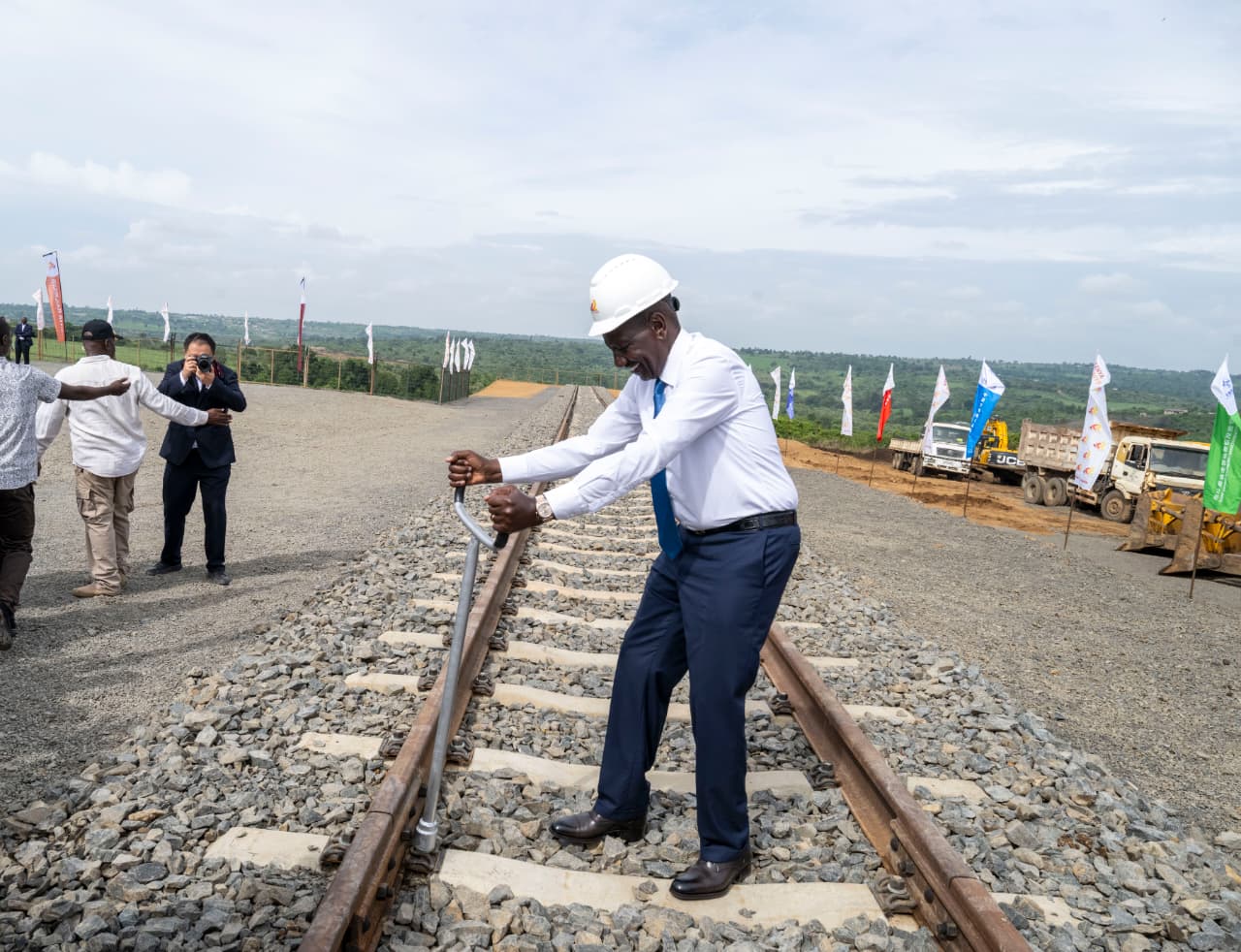
The horizon gleams with agency synergies. USAID's $120 million for the SHA's digital backbone promises to enroll 5 million more by 2026, easing out-of-pocket hits that devoured 20 percent of household budgets in 2024. DFC's $300 million for the Nairobi-Mombasa SGR extension—high-speed rails at 200 km/h—will shave freight costs by 30 percent, boosting exports. MCC's $500 million compact, in negotiation since 2023, targets power transmission lines linking Turkana's wind farms to the grid, powering 2 million homes. "This pivot isn't punishment; it's partnership 2.0—outcome-based, with Kenyan co-design," Whitman elaborated in a bilateral webinar, her slides showcasing joint ventures like the $50 million avocado value chain in Meru, where 10,000 farmers now access cold storage. Mbadi, wrapping a November 7 IMF Article IV consultations, echoed the optimism. "We've turned a page—repayments reset relations, agencies reignite growth."
As November's mists cloak the Aberdares, Kenya's debt dance endures: Sh18 billion wired westward, a ledger line closing old chapters, opening new. For Chebet in Eldoret, Omondi in Kisumu, the math matters less than the milk in their mugs, the fish on their fires. In the Treasury's tallies, where red ink meets resolve, Mbadi's surge stands as strategy—a fiscal feint turning pivot into progress, where US dollars, once loaned and laden, now flow freer, fueling fields from Turkana to Taita. The repayments, in this light, are not end but ellipsis: a pause in the ledger, prelude to plenty.
The mechanics, dissected in Treasury briefs, reveal a calibrated cadence. The Sh18 billion tranche cleared the tail end of a $300 million EXIM facility for the 2017-2022 Thwake Dam phase, interest at 2.75 percent now off the books. USAID credits for health logistics—$100 million disbursed 2020-2023—saw Sh6 billion settled, freeing covenants for new HIV programs. "We prioritized low-hanging fruit—maturities under five years, rates below 3 percent," Mbadi detailed in a controller's memo, his spreadsheets forecasting Sh50 billion in savings from avoided penalties. Thugge's CBK, custodian of forex flows, executed the wires via swift codes to the New York Fed, shilling hedges at 130/USD mitigating volatility. Onyango's models project a 0.4 percent inflation dip from reduced service costs, while Wanja's forum lobbies for "debt-for-climate swaps," trading obligations for mangrove restorations in Lamu.
Bilateral briefs brim with blueprints. Whitman's embassy hosted a "Agency Avenue" expo on November 8, where DFC reps pitched $200 million for fintech saccos, USAID for $150 million in drought seeds. Mbadi's team, in reciprocity, unveiled a "Bilateral Bond" pilot—Sh10 billion in green sukuks for US investors, yields at 7 percent tied to solar yields. "From debtor to dealmaker—that's the arc," Mbadi toasted at the close, glasses clinking amid handshakes. For Beatrice and Juma, the abstractions yield to action: boreholes bubbling in Eldoret, dryers humming in Kisumu. In Kenya's fiscal forge, where repayments refine relations, the Sh18 billion surge endures as symphony—a bold note in the debt's dirge, harmonizing hardship with hope.