 Gerald Kyalo. (geraldbway).
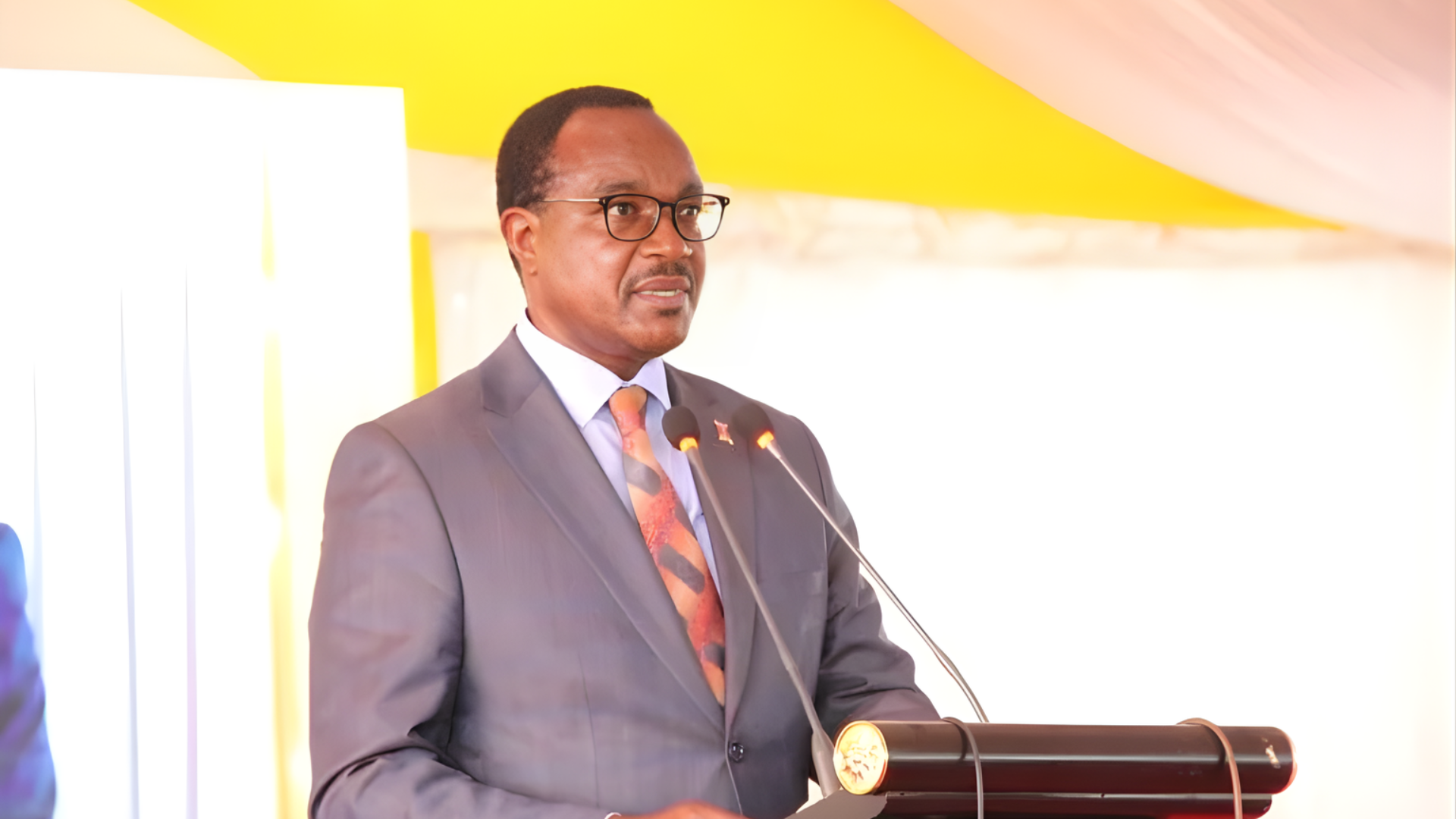
The Principal Secretary for Medical Services, Dr. Ouma Oluga, has urged for stronger collaboration across sectors to fully harness technology in transforming Kenya’s healthcare system. Speaking on Thursday in Nairobi during the official opening of the 5th Smart Summit 2026, Dr. Oluga emphasized the critical role that technology can play in improving healthcare delivery, efficiency, and accessibility for all citizens. The summit, held under the theme “Healthcare Technology for a Better World,” serves as a pivotal platform for stakeholders to explore innovations that can reshape the country’s health systems.
The annual Smart Summit brings together a wide array of participants, including policymakers, healthcare professionals, technology innovators, private sector investors, and representatives from civil society. By convening these diverse actors, the summit aims to foster knowledge exchange and collaborative partnerships that drive practical, scalable solutions in the health sector. This year’s event has sparked discussions around emerging technologies such as telemedicine, electronic health records, data-driven patient care, and artificial intelligence applications in diagnostics and hospital management.
In his keynote address, Dr. Oluga stressed that partnerships between the public and private sectors are key to advancing innovation and strengthening Kenya’s health systems. He identified critical areas for collaboration, including investment in health technology, governance and regulatory frameworks, capacity building for healthcare professionals, integration of digital systems across facilities, and sustainable public-private partnerships. “We must move beyond isolated initiatives and focus on comprehensive solutions that bridge gaps in access, quality, and efficiency,” he noted.
The Principal Secretary highlighted that the government remains committed to promoting citizen-centered solutions that respond to the needs of patients and healthcare providers alike. By integrating technology into healthcare policy and practice, the government aims to improve access to services, streamline operations, and enhance the overall quality of care. He underscored that inclusive policy development, which incorporates feedback from various stakeholders, is essential for ensuring that technology adoption benefits all segments of society, including marginalized communities and rural populations.
Dr. Oluga also touched on the importance of regulatory oversight in health technology. As innovative solutions rapidly emerge, governance structures must evolve to ensure that these tools are safe, effective, and ethical. “Technological advancement should go hand-in-hand with robust frameworks that protect patient safety and promote accountability,” he said, adding that regulatory bodies must be proactive in adapting to the fast-changing landscape of digital health.
The summit featured discussions on a range of technology-driven initiatives. Among the notable innovations highlighted were digital health platforms enabling remote consultations, mobile applications for patient monitoring, and AI-powered diagnostic tools capable of supporting clinicians in real-time decision-making. Participants noted that these solutions have the potential to reduce the burden on healthcare facilities, minimize delays in service delivery, and enhance the accuracy of diagnoses. Furthermore, technology can enable more efficient management of healthcare data, leading to improved planning, resource allocation, and policy-making.
Investments in capacity building were also emphasized during the forum. Dr. Oluga pointed out that technology alone cannot transform healthcare without skilled personnel capable of utilizing these tools effectively. Training programs for healthcare professionals, technical support for digital platforms, and continuous education in emerging technologies were highlighted as essential components for a successful digital health ecosystem. “Our people are at the heart of innovation,” he stressed. “We need to equip them with the skills and knowledge to leverage technology for better health outcomes.”
Private sector participation was another key focus of the discussions. Industry leaders shared experiences of successfully implementing tech solutions in hospitals and clinics, providing insights into best practices, challenges, and lessons learned. These sessions demonstrated the value of collaboration, with both public institutions and private companies recognizing that shared expertise and resources can drive scalable and sustainable improvements in healthcare delivery.
The 5th Smart Summit 2026 also showcased several pilot projects and case studies that exemplify the transformative potential of health technology in Kenya. From digital patient record systems in county hospitals to AI-supported diagnostic platforms in urban clinics, these innovations illustrate the tangible benefits that technology can bring to both patients and healthcare providers. Moreover, the summit highlighted initiatives that extend healthcare services to underserved areas, demonstrating a commitment to equity and inclusion in health access.
In conclusion, Dr. Oluga reiterated that technology holds immense promise in shaping the future of healthcare in Kenya. By fostering strategic partnerships, promoting investment in innovation, ensuring robust governance, and prioritizing citizen-centered solutions, the country can make significant strides toward a more efficient, accessible, and high-quality health system. The 5th Smart Summit 2026 serves not only as a platform for dialogue but also as a catalyst for actionable change, signaling Kenya’s readiness to embrace digital transformation in its healthcare sector.
The annual Smart Summit brings together a wide array of participants, including policymakers, healthcare professionals, technology innovators, private sector investors, and representatives from civil society. By convening these diverse actors, the summit aims to foster knowledge exchange and collaborative partnerships that drive practical, scalable solutions in the health sector. This year’s event has sparked discussions around emerging technologies such as telemedicine, electronic health records, data-driven patient care, and artificial intelligence applications in diagnostics and hospital management.
In his keynote address, Dr. Oluga stressed that partnerships between the public and private sectors are key to advancing innovation and strengthening Kenya’s health systems. He identified critical areas for collaboration, including investment in health technology, governance and regulatory frameworks, capacity building for healthcare professionals, integration of digital systems across facilities, and sustainable public-private partnerships. “We must move beyond isolated initiatives and focus on comprehensive solutions that bridge gaps in access, quality, and efficiency,” he noted.
The Principal Secretary highlighted that the government remains committed to promoting citizen-centered solutions that respond to the needs of patients and healthcare providers alike. By integrating technology into healthcare policy and practice, the government aims to improve access to services, streamline operations, and enhance the overall quality of care. He underscored that inclusive policy development, which incorporates feedback from various stakeholders, is essential for ensuring that technology adoption benefits all segments of society, including marginalized communities and rural populations.
Dr. Oluga also touched on the importance of regulatory oversight in health technology. As innovative solutions rapidly emerge, governance structures must evolve to ensure that these tools are safe, effective, and ethical. “Technological advancement should go hand-in-hand with robust frameworks that protect patient safety and promote accountability,” he said, adding that regulatory bodies must be proactive in adapting to the fast-changing landscape of digital health.
The summit featured discussions on a range of technology-driven initiatives. Among the notable innovations highlighted were digital health platforms enabling remote consultations, mobile applications for patient monitoring, and AI-powered diagnostic tools capable of supporting clinicians in real-time decision-making. Participants noted that these solutions have the potential to reduce the burden on healthcare facilities, minimize delays in service delivery, and enhance the accuracy of diagnoses. Furthermore, technology can enable more efficient management of healthcare data, leading to improved planning, resource allocation, and policy-making.
Investments in capacity building were also emphasized during the forum. Dr. Oluga pointed out that technology alone cannot transform healthcare without skilled personnel capable of utilizing these tools effectively. Training programs for healthcare professionals, technical support for digital platforms, and continuous education in emerging technologies were highlighted as essential components for a successful digital health ecosystem. “Our people are at the heart of innovation,” he stressed. “We need to equip them with the skills and knowledge to leverage technology for better health outcomes.”
Private sector participation was another key focus of the discussions. Industry leaders shared experiences of successfully implementing tech solutions in hospitals and clinics, providing insights into best practices, challenges, and lessons learned. These sessions demonstrated the value of collaboration, with both public institutions and private companies recognizing that shared expertise and resources can drive scalable and sustainable improvements in healthcare delivery.
The 5th Smart Summit 2026 also showcased several pilot projects and case studies that exemplify the transformative potential of health technology in Kenya. From digital patient record systems in county hospitals to AI-supported diagnostic platforms in urban clinics, these innovations illustrate the tangible benefits that technology can bring to both patients and healthcare providers. Moreover, the summit highlighted initiatives that extend healthcare services to underserved areas, demonstrating a commitment to equity and inclusion in health access.
In conclusion, Dr. Oluga reiterated that technology holds immense promise in shaping the future of healthcare in Kenya. By fostering strategic partnerships, promoting investment in innovation, ensuring robust governance, and prioritizing citizen-centered solutions, the country can make significant strides toward a more efficient, accessible, and high-quality health system. The 5th Smart Summit 2026 serves not only as a platform for dialogue but also as a catalyst for actionable change, signaling Kenya’s readiness to embrace digital transformation in its healthcare sector.