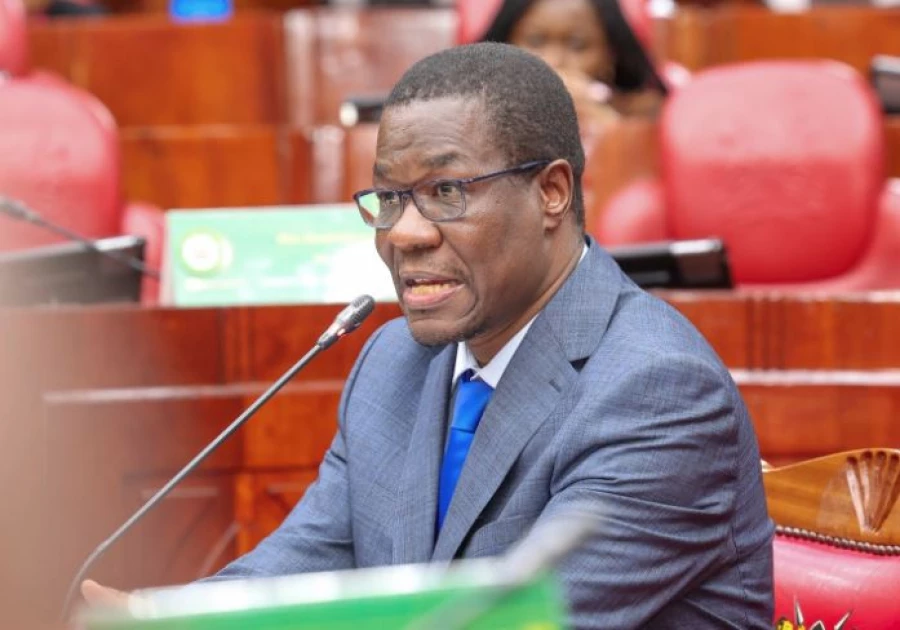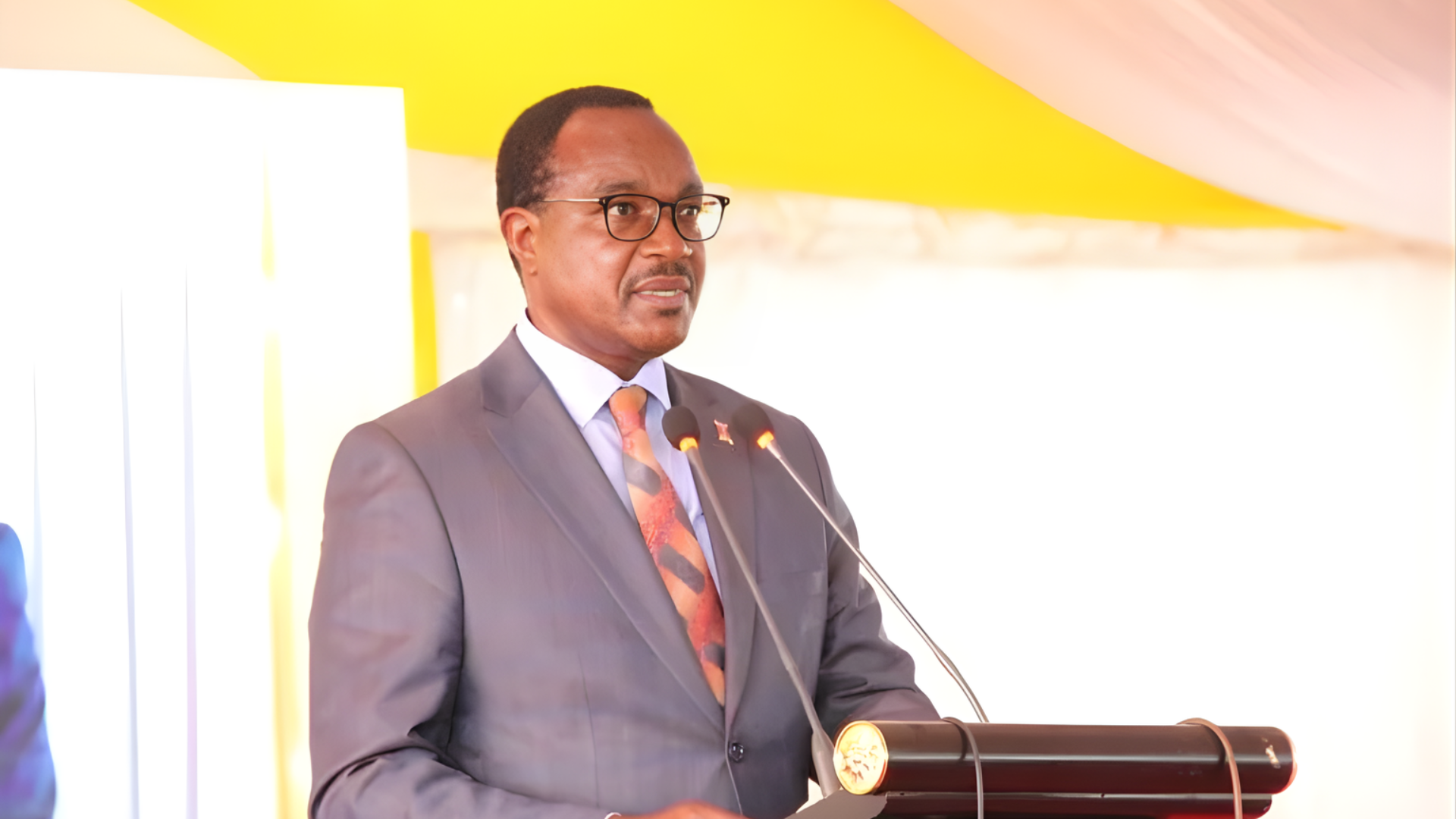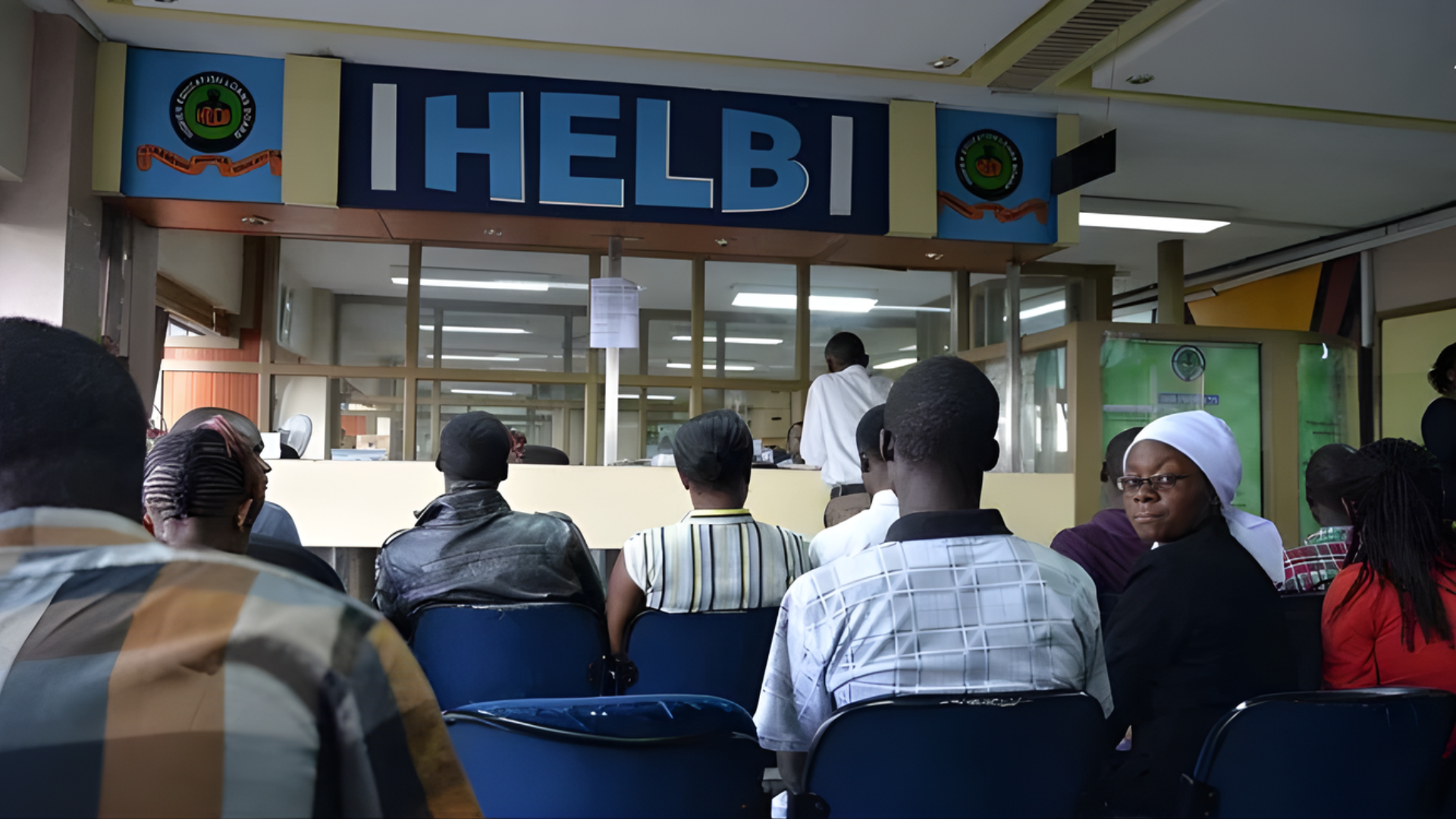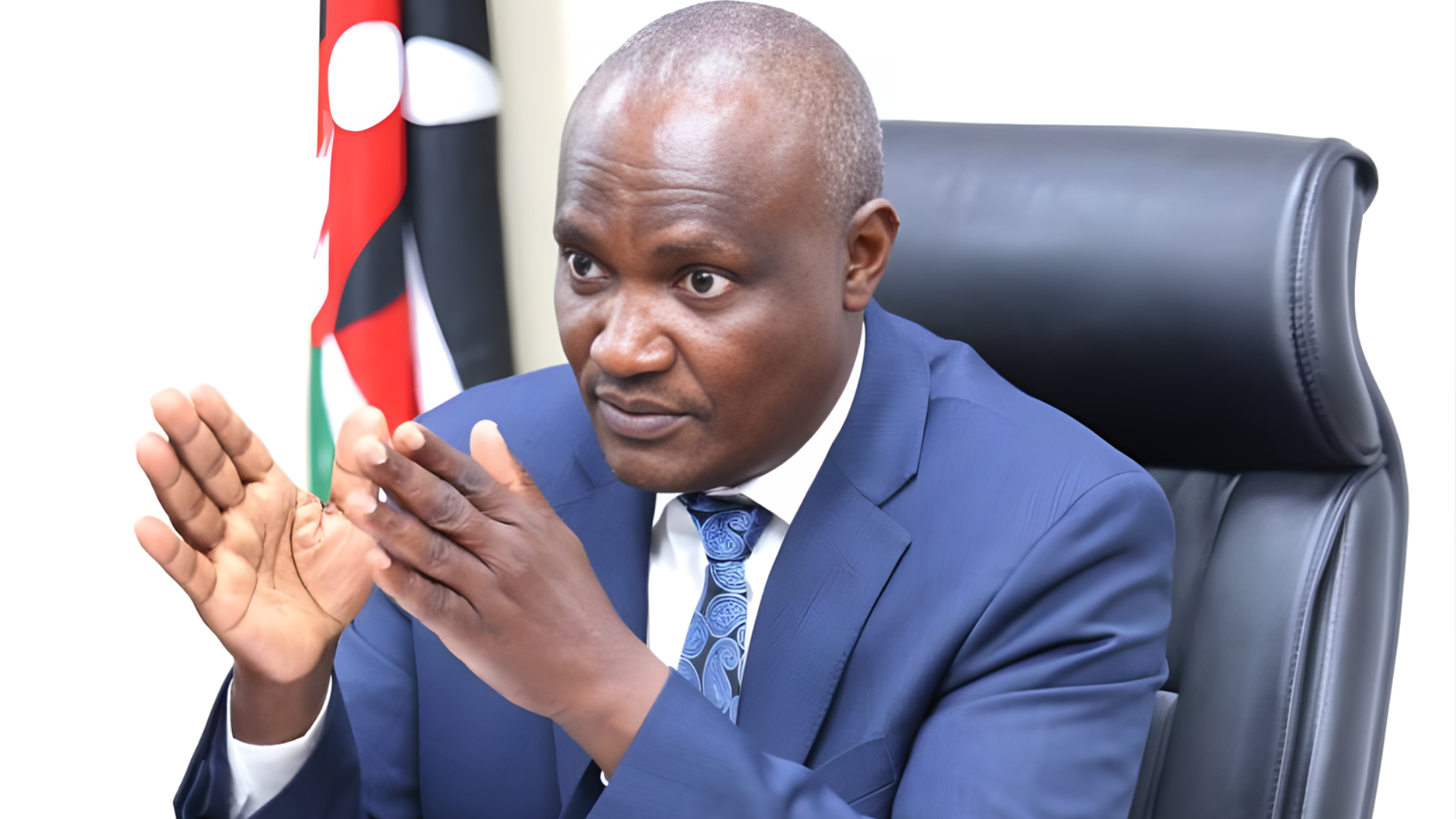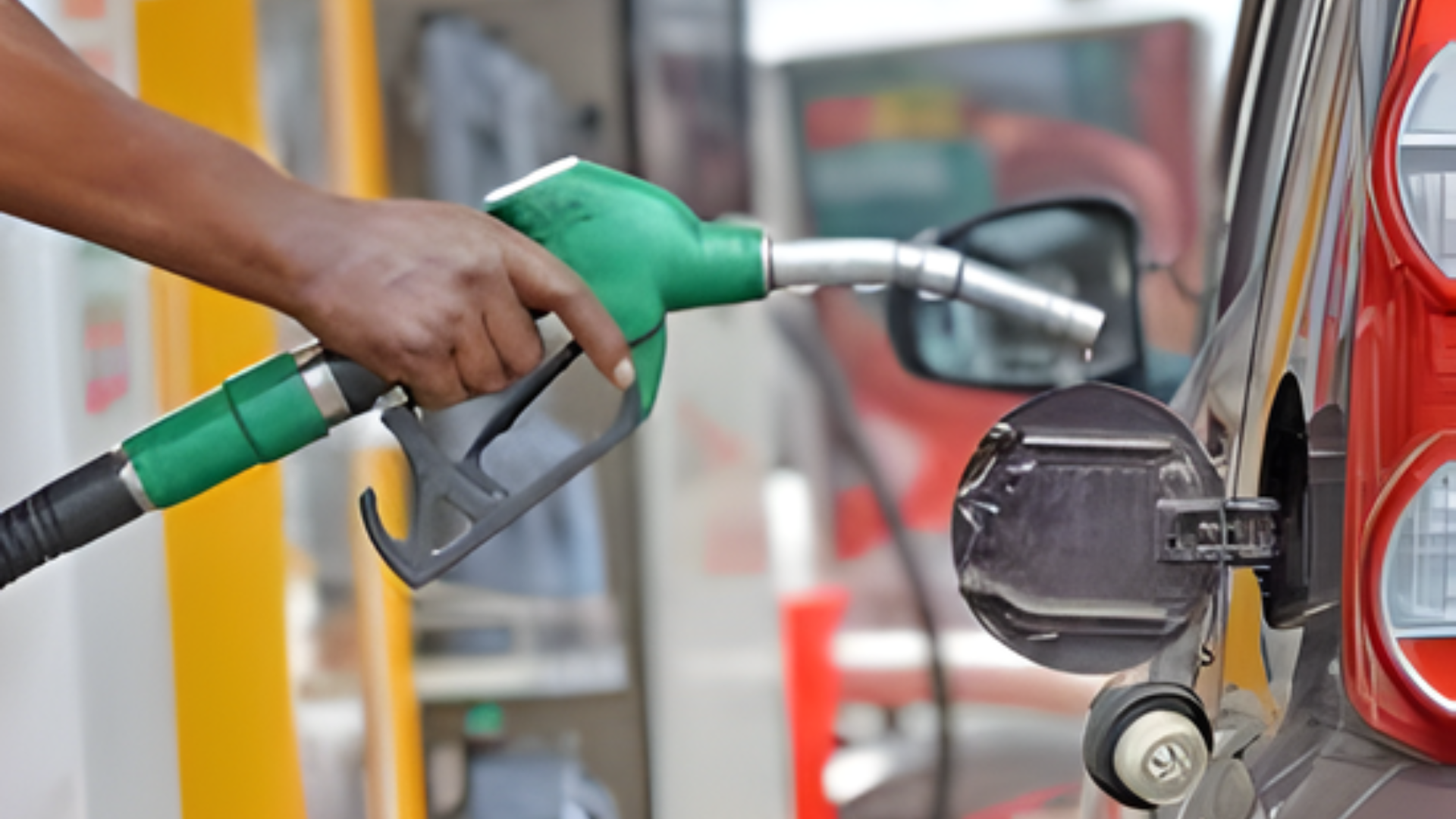
The labyrinthine corridors of the Energy and Petroleum Regulatory Authority's offices in Nairobi's Industrial Area, where the air carries the faint tang of diesel fumes from nearby depots and the hum of generators underscores the irony of the sector's power plays, became the focal point of a critical economic lifeline on the morning of November 17, 2025. Director General Pavel Oimeke, flanked by charts mapping global oil volatility and domestic levy collections, announced a strategic doubling of the diesel subsidy from Ksh 0.50 to Ksh 2.30 per litre for the month, a move designed to blunt the edge of escalating fuel costs for transporters and farmers while holding steady the subsidies for petrol at Ksh 0.50 and kerosene at Ksh 4.20 per litre. "This targeted increase on diesel reflects our commitment to stabilizing the backbone of our economy—transport that moves goods from Mombasa to Malaba, tractors that till fields from Kitui to Kisii—without passing the full brunt to consumers," Oimeke stated from the podium in the authority's conference room, his voice steady as he gestured to a projected graph showing the subsidy's ripple through the Sh1.2 trillion annual fuel import bill. "Petrol and kerosene remain unchanged, ensuring that the daily commuter and the rural homemaker feel the relief where it matters most."
Oimeke's revelation, timed to coincide with the monthly fuel pricing cycle effective from November 15 to December 14, arrives as a calibrated counterpunch to global headwinds that have seen Brent crude hover at $82 per barrel, up 8 percent since October amid geopolitical tensions in the Middle East. The diesel subsidy hike, financed from the Petroleum Development Levy Fund that has collected Sh26.37 billion since July 2024 through Sh5.40 per litre levies on petrol and Sh0.40 on kerosene, cushions an estimated 1.5 million heavy-duty vehicles and 500,000 agricultural tractors from a potential 12 percent pump price surge. "Without this, diesel would jump Sh4.60 to Sh176 per litre—truckers pass that to groceries, farmers to maize sacks; we intervene to keep the chain unbroken," Oimeke elaborated, his slide deck breaking down the math: the doubled subsidy offsets a 1.81 percent rise in landed diesel costs from US$623.75 to $635.05 per cubic metre, stabilizing retail at Sh171.47 per litre in Nairobi. Petrol, benefiting from a 0.18 percent landed cost drop to US$619.14 per cubic metre, holds at Sh184.52 with its modest Ksh 0.50 subsidy, while kerosene's Ksh 4.20 buffer keeps it at Sh154.78 despite a 0.71 percent uptick to US$632.16.
The policy's precision targets diesel's outsized role in Kenya's economy, where it powers 70 percent of transport and 40 percent of irrigation pumps, contributing to 25 percent of the Consumer Price Index basket. In Mombasa's chaotic port yards, where 18 million tons of goods pass annually including 5 million for Uganda and Rwanda, long-haul driver Joseph Mwangi wiped grease from his hands on a rag, his Scania truck idling beside a stack of fertilizer sacks. "Diesel at Sh171? That's Sh50,000 saved on my Mombasa-Kisumu run—enough for my kids' school fees instead of begging loans," Mwangi shared, his relief palpable amid the roar of cranes loading 20-foot containers. The subsidy, reinstated in August 2024 after a two-year hiatus under President William Ruto's "production over consumption" mantra, has now injected Sh13.68 billion since then, cross-subsidized by petrol levies and stabilizing inflation at 4.6 percent in September from 7.9 percent in July 2023.
For rural households, kerosene's steady subsidy shields the 12 million relying on it for lighting and cooking, a staple in ASAL counties like Turkana where grid access lags at 20 percent. "Ksh 154 for a litre means my lamp burns longer, kids study past dusk without choking on firewood smoke," reflected 42-year-old herder Amina Lesuuda from Loiyangalani, her solar lantern—funded by a 2024 off-grid program—augmenting the fuel's glow. The levy financing, per EPRA's formula, balances the fund's Sh26.37 billion inflows with targeted outflows, avoiding the 2022's blanket subsidies that drained Sh142 billion without curbing inflation.
Oimeke, whose authority under the Energy Act empowers monthly reviews, attributed the diesel focus to sector-specific pleas: Kenya Transporters Association's November 10 petition from 5,000 members citing Sh20 billion annual losses from high costs. "Transporters move 90 percent of goods; farmers irrigate 30 percent of crops—diesel's their diesel," he noted, projecting savings: Sh50 billion for logistics, Sh15 billion for agriculture. Semiannual inflation adjustments, pegged to KNBS CPI, add 0.75 percent quarterly, ensuring tariffs track living costs.
Stakeholders hailed the move with tempered optimism. KTA Chairman Dennis Mwaniki: "Ksh 1.80 extra subsidy? Lifesaver—our margins were razor-thin; now, we breathe." Kenya National Farmers' Federation's Secretary General Stephen Muchiri: "Tractors run, maize grows—Sh2.30 buffers against $82 oil." Consumer Federation's Stephen Mutoro: "Diesel relief ripples to groceries; petrol steady eases commuter woes." EPRA's Oimeke: "Next review December 15—renewables ramping cuts thermal reliance."
In Loiyangalani's dunes, Lesuuda lights her lantern: "Kerosene steady, light lasts." Mwangi's Scania roars: "Sh50,000 saved—family first." For Muchiri's fields: "Maize multiplies." In the republic's resilient rhythm, the doubling dawns—a diesel directive where subsidies sustain, and Kenya's engines endure.
The levy fund: Sh26.37 billion since July 2024. Diesel landed: US$635.05/cu m. Petrol: US$619.14. Kerosene: US$632.16. Mwaniki's transporters: 5,000 members. Muchiri's federation: Sh15 billion agriculture. Mutoro's consumers: groceries ripple. Oimeke's review: December 15. For Lesuuda: light lasts. In Kenya's economic engine, the hike harmonizes—a subsidy symphony where diesel drives development, and affordability accelerates ahead.