Nairobi, Kenya — 26 February 2026:
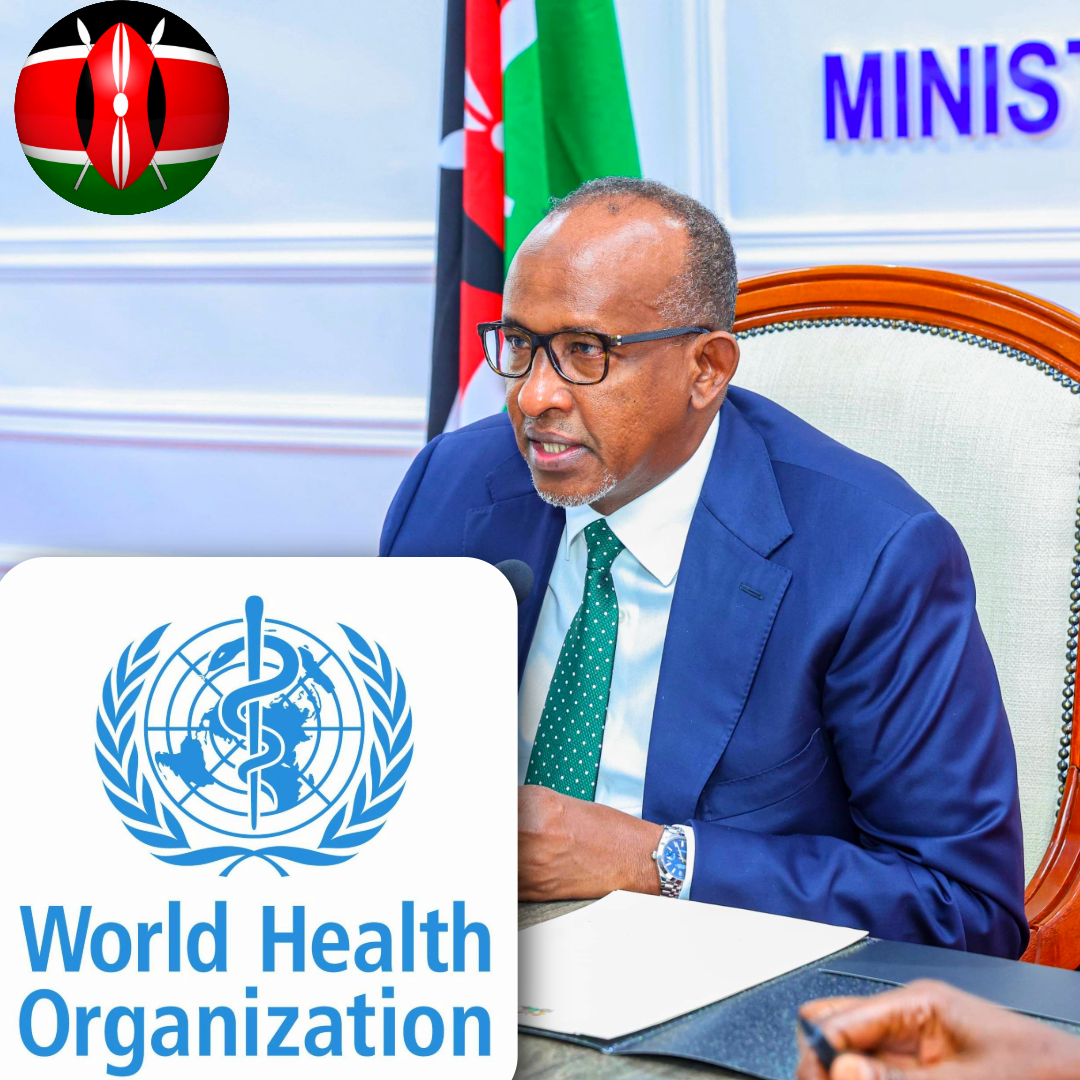
Kenya has officially joined the World Health Organization (WHO) Vaccine Technology Transfer Programme, marking a significant step toward strengthening the country’s pharmaceutical manufacturing capacity and reducing reliance on imported vaccines.
Kenya has officially joined the World Health Organization (WHO) Vaccine Technology Transfer Programme, marking a significant step toward strengthening the country’s pharmaceutical manufacturing capacity and reducing reliance on imported vaccines.
The announcement positions Kenya among a select group of countries participating in the WHO-led initiative aimed at boosting local vaccine production, improving pandemic preparedness, and expanding access to life-saving immunizations across Africa.
🌍 Strengthening Africa’s Vaccine Independence
The Vaccine Technology Transfer Programme was established following lessons learned during the COVID-19 pandemic, when many African countries struggled to access vaccines due to global supply shortages and unequal distribution.
By joining the programme, Kenya will benefit from:
- Technical expertise and knowledge transfer
- Access to vaccine production technology
- Capacity-building support for scientists and manufacturers
- Regulatory strengthening assistance
The move aligns with Africa’s broader strategy to manufacture at least 60% of its vaccines locally by 2040, reducing dependency on external suppliers.
Boost for Local Manufacturing
Kenya has been working to position itself as a pharmaceutical hub in East Africa. Participation in the WHO programme is expected to:
Boost for Local Manufacturing
Kenya has been working to position itself as a pharmaceutical hub in East Africa. Participation in the WHO programme is expected to:
- Enhance research and development capabilities
- Create skilled employment opportunities
- Strengthen Kenya’s regulatory systems
- Attract international investment into the health sector
Health officials say this initiative will not only improve vaccine availability during emergencies but also support routine immunization programmes for diseases such as polio, measles, and hepatitis.
💡 Economic and Strategic Impact
Beyond health security, the development carries economic significance. Local vaccine production could reduce import bills, support technology transfer, and boost Kenya’s standing as a regional medical manufacturing centre.
The partnership also complements ongoing government efforts to modernize healthcare infrastructure and expand universal health coverage under national reform plans.
Preparing for Future Pandemics
Officials emphasize that vaccine self-sufficiency is critical in preparing for future global health crises. During the COVID-19 pandemic, supply chain disruptions left many African nations vulnerable.
With WHO support, Kenya aims to build sustainable production systems capable of responding rapidly to outbreaks while ensuring equitable access for its population
The move signals a shift toward greater health independence and resilience — positioning Kenya as a key player in Africa’s growing pharmaceutical landscape
💡 Economic and Strategic Impact
Beyond health security, the development carries economic significance. Local vaccine production could reduce import bills, support technology transfer, and boost Kenya’s standing as a regional medical manufacturing centre.
The partnership also complements ongoing government efforts to modernize healthcare infrastructure and expand universal health coverage under national reform plans.
Preparing for Future Pandemics
Officials emphasize that vaccine self-sufficiency is critical in preparing for future global health crises. During the COVID-19 pandemic, supply chain disruptions left many African nations vulnerable.
With WHO support, Kenya aims to build sustainable production systems capable of responding rapidly to outbreaks while ensuring equitable access for its population
The move signals a shift toward greater health independence and resilience — positioning Kenya as a key player in Africa’s growing pharmaceutical landscape