Kenya's electricity demand has surged to a record peak of 2,418MW on November 18, 2025, placing unprecedented strain on the national grid and prompting warnings of potential rationing if generation capacity does not keep pace with consumption.
The milestone, announced by Kenya Power on November 19, marks the highest demand ever recorded and surpasses the previous high of 2,363MW set in July 2025. Managing Director and CEO Joseph Siror attributed the rise to increased industrial activity, new customer connections, and seasonal factors like cooler weather driving higher residential usage.
"This new peak is a testament to Kenya's economic growth, with industrial customers now accounting for more than half of our unit sales in the year to June 2025," Siror said in a statement. "We connected 401,848 new customers in the last financial year, contributing an additional 203GWh to sales. However, sustained demand growth requires continued investment in infrastructure to avoid disruptions."
The peak occurred at 8:00 p.m., coinciding with evening hours when households ramp up heating and lighting while factories operate at full tilt. Kenya Electricity Generating Company (KenGen) reported that renewables—geothermal and hydropower—supplied over 57% of the day's energy, preventing load shedding despite the strain.
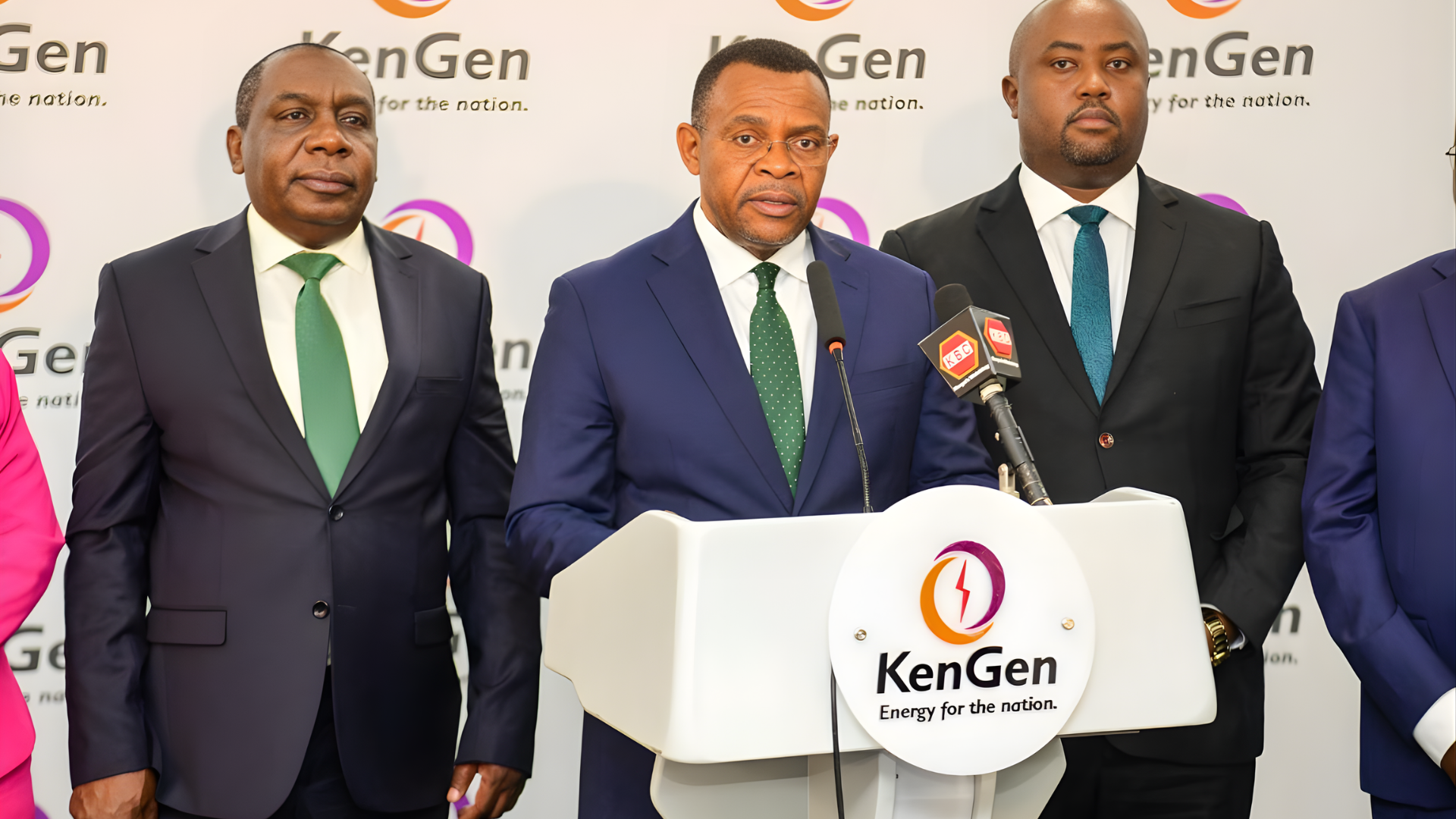
KenGen Managing Director Peter Njenga highlighted the role of geothermal plants, which generated 13,678MWh (31.85% of total supply) during the record day. "Our flexible operations ensured stability, but we must accelerate the 1,500MW renewable expansion in our G2G strategy to meet future peaks," Njenga said.
Energy experts warn that without urgent upgrades, rationing could return. The installed capacity stands at 3,321MW, but effective availability is often below 3,000MW due to maintenance and drought impacts on hydro. "The grid is operating at 80% capacity during peaks; another 10% surge could trigger blackouts," said energy analyst John Mutua. "We need more geothermal drilling and transmission lines to evacuate power from Olkaria and Lake Turkana Wind."
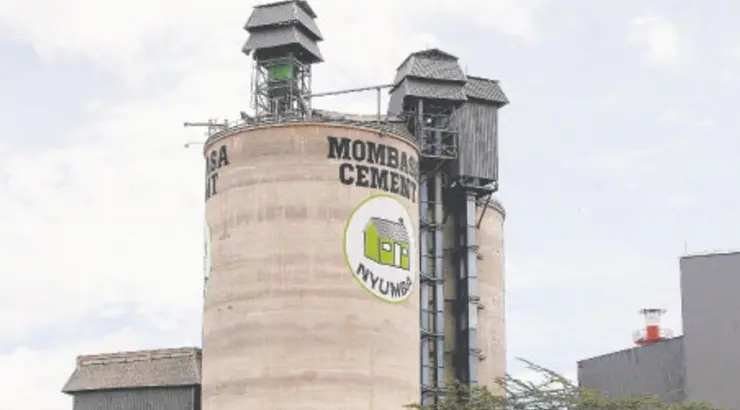
The surge aligns with economic recovery: GDP grew 5.2% in Q3 2025, with manufacturing and construction driving 60% of demand. Industrial giants like Bamburi Cement and Kenya Pipeline consume vast amounts, while urban households increasingly rely on electric appliances.
In parallel, the Auditor-General's report for the financial year ended June 2025 has flagged Kenya Power for under-allocating tenders to marginalised groups, reserving only 11% of contracts against the mandatory 30% under the Access to Government Procurement Opportunities (AGPO) framework.
Auditor-General Nancy Gathungu noted that while Kenya Power awarded Sh3.5 billion in contracts to youth, women, and persons with disabilities—a 470% increase from Sh614 million the previous year—the allocation fell short of the legal threshold.
"This under-allocation deprives marginalised businesses of essential opportunities in supply chains," Gathungu said in her report. "State corporations like Kenya Power must prioritise AGPO to foster inclusive economic growth."
The AGPO policy, introduced in 2013, reserves 30% of public procurement for the three groups to address historical exclusion. Kenya Power's shortfall occurred in areas like transport services, office consumables, and maintenance works, where marginalised suppliers could thrive.
Kenya Power Corporate Affairs Director Dorreen Olang defended the firm, saying it has made strides but faces challenges in verifying eligibility. "We awarded Sh3.5 billion to AGPO groups, up significantly, but some suppliers fail to meet technical standards," Olang said. "We are enhancing capacity building to ensure more compliance."
The Public Procurement Regulatory Authority (PPRA) has ordered an audit. PPRA CEO Michael Wanjala: "Under-allocation erodes trust in public procurement. Kenya Power must rectify this or face penalties."
Marginalised suppliers welcomed the scrutiny. Women in Business Kenya chairperson Fatma Hassan said the shortfall perpetuates inequality. "We have the capacity for maintenance contracts, but lack access," Hassan said. "Full AGPO compliance would create 5,000 jobs for women alone."
The dual challenges—grid strain and procurement gaps—underscore Kenya Power's pivotal role. As demand hits records, equitable supply chains are crucial for sustainable growth.