The bustling customs yard at the Port of Mombasa, where the Indian Ocean's salty breeze mingles with the acrid scent of rusting containers stacked like metallic monoliths under a relentless equatorial sun, is poised to become the frontline in Kenya's war against electronic waste. On November 12, 2025, during a stakeholder forum at the Kenya Bureau of Standards headquarters in Nairobi's South C estate, Environment Cabinet Secretary Aden Duale unveiled a draft policy that could reshape the nation's gadget landscape: a blanket ban on importing second-hand electronics—televisions, smartphones, refrigerators, computers, and allied appliances—exceeding 12 years from their manufacture date. The proposal, slated for gazettement by March 2026 after public participation ending January 31, seeks to stem the tide of obsolete devices flooding Kenyan markets, which environmentalists decry as a toxic time bomb leaching lead, mercury, and cadmium into soil and water tables. "We are not closing doors to affordability; we are safeguarding lives—every old fridge dumped in Dandora is a health hazard waiting to explode," Duale asserted from the forum's dais, flanked by KEBS managing director Bernard Njiraini and a phalanx of recyclers clutching prototypes of eco-friendly dismantling machines. "This ban is our shield against becoming Africa's e-waste graveyard, protecting our children from poisons that linger long after the screen goes dark."
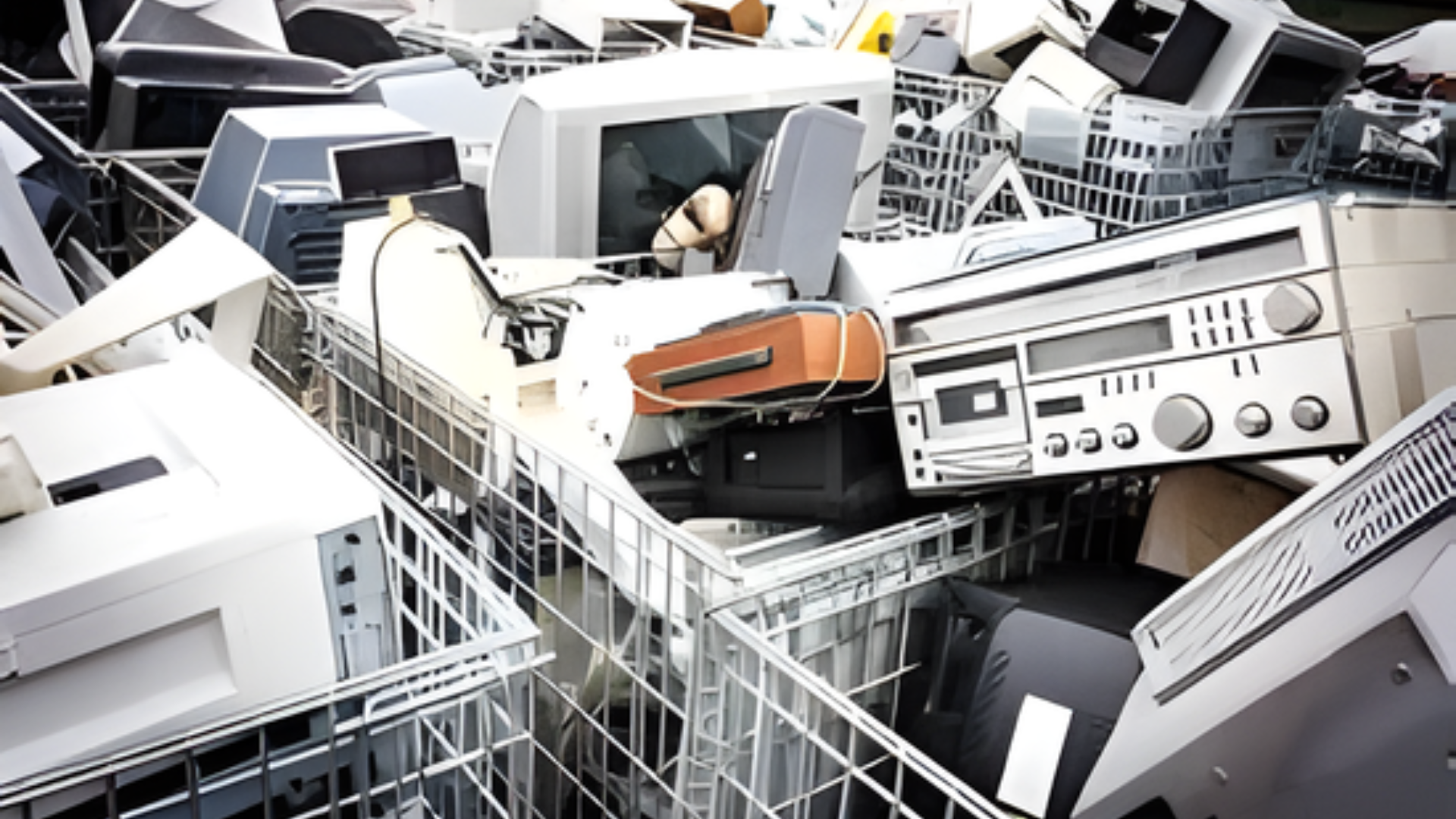
The policy's genesis lies in the grim arithmetic of Kenya's e-waste crisis, a silent epidemic where 51,300 metric tons of discarded electronics piled up in 2024 alone, per a Ministry of Environment report, with 80 percent imported as "refurbished" goods from Europe, Asia, and the Middle East. Devices older than 12 years, often stripped of functional components and repackaged in Dubai warehouses or Chinese ports, arrive with depleted batteries, cracked circuits, and hazardous residues that defy safe recycling. In Nairobi's sprawling Dandora dumpsite—the continent's largest open landfill, spanning 30 acres and home to 3,000 informal scavengers—burning circuit boards releases dioxins that studies link to a 40 percent spike in respiratory illnesses among nearby Embakasi residents. "I cough blood some mornings; the smoke from those wires chokes us like ghosts," confided 38-year-old scavenger Mary Atieno during a site visit organized by the forum, her hands scarred from prying copper from motherboards amid acrid plumes. The ban, modeled on Rwanda's 2023 prohibition of electronics over eight years old, mandates age verification through serial numbers, KEBS pre-export conformity certificates, and blockchain-tracked manifests, with violators facing Sh10 million fines or five-year import license suspensions.
Duale's announcement, delivered to 200 stakeholders including importers from Eastleigh's Garissa Lodge electronics hub, manufacturers at the Kenya Association of Manufacturers, and NGOs like the Green Belt Movement, ignited a firestorm of debate that spilled into the forum's breakout sessions. Importers, representing a Sh150 billion annual trade in used gadgets that outfits 60 percent of Kenyan households with affordable tech, decried the move as elitist. "A 12-year-old Samsung fridge costs Sh15,000—new ones start at Sh50,000. How do low-income families cool milk for their children?" challenged Hassan Ali, chairman of the Mombasa Second-Hand Electronics Dealers Association, his voice rising over the clatter of coffee cups in the KEBS cafeteria. "This ban kills jobs—5,000 loaders, repair technicians, vendors in Gikomba." Njiraini countered with data: 70 percent of imported used devices fail within 18 months, burdening consumers with repair bills averaging Sh8,000 and fueling the e-waste vortex. "Affordability without safety is a false economy—obsolete phones explode, fridges leak CFCs that punch holes in the ozone," he replied, projecting images of charred Nairobi apartments from lithium-ion battery fires.
The health imperative underpins the policy's urgency, with the Ministry of Health citing 2024 data showing elevated blood lead levels in 25 percent of Dandora children under 10, traced to e-waste leaching. Old cathode-ray tube televisions, banned in the EU since 2006 but still trickling into Mombasa via mislabeled containers, contain 2-4 kilograms of lead glass; refrigerators pre-2010 harbor chlorofluorocarbons that deplete ozone 10,000 times more potently than carbon dioxide. "One discarded laptop pollutes 600 liters of water with mercury—enough for a family's annual drinking supply," warned Dr. Pacifica Onyancha, director of public health, during a panel on toxic exposures. The ban targets categories under HS codes 8418 for fridges, 8528 for TVs, 8517 for smartphones, and 8471 for computers, requiring manufacturers' date stamps and KEBS seals, with random port inspections ramped to 50 percent of shipments.
Transition measures aim to soften the blow: a six-month grace period post-gazettement for clearing existing stock, Sh5 billion in subsidized credit for local assemblers to ramp up production of budget models under Sh20,000, and a Sh2 billion fund for retraining 10,000 repair technicians in green recycling. At the forum's exhibition hall, startups showcased innovations: WEEE Centre's robotic dismantlers sorting 500 kilograms hourly, Enviroserve's Dubai-certified plant in Naivasha processing 1,000 tons monthly into reusable plastics and metals. "We turn waste into wealth—gold from circuits, copper from cables—creating 2,000 jobs while cleaning the land," boasted WEEE Centre CEO Phyllis Wakiaga, demonstrating a machine pulverizing old phones into granular treasure. The policy aligns with the Extended Producer Responsibility regulations gazetted in 2024, compelling brands like Samsung and LG to fund take-back programs, with 50 collection points planned in major towns by June 2026.
Public reaction, gauged through a KEBS online survey drawing 15,000 responses by November 12, split along class lines: 65 percent of urban middle-class supported the ban for environmental gains, while 72 percent of low-income respondents in informal settlements feared price hikes. In Eastleigh's bustling electronics arcades, where neon-lit stalls hawk "London-used" iPhones for Sh8,000, trader Fatima Hassan lamented: "My customers are boda riders, mama mboga—they can't afford new. This ban starves us." Counterarguments from consumer advocates highlighted hidden costs: a 2015 study found used imports saved households Sh120 billion annually but cost Sh80 billion in health and environmental remediation. "Pay now for clean air, or pay later for hospital beds," quipped Green Belt's Wangari Maathai fellow, Jane Muthoni, at a side event.
Enforcement looms as the litmus test, with Kenya Revenue Authority customs scanners at Mombasa and Namanga borders to be upgraded with AI age-detection by July 2026, backed by 200 new inspectors. Duale pledged inter-agency synergy: "KRA flags, KEBS certifies, NEMA disposes—no container slips through." Regional harmonization beckons, with EAC talks in Arusha slated for December to align bans, preventing rerouting through Tanzania's Dar es Salaam port. Rwanda's success—e-waste volumes down 45 percent since 2023, local assembly up 200 percent—serves as beacon. "We learned from Kigali: ban the bad, boost the build," Njiraini noted, eyeing Kenya's nascent assembly plants in Athi River producing 500,000 smartphones yearly.
For households, the shift promises longevity: new devices with three-year warranties versus used ones failing in months. In Kibera's Laini Saba, where 28-year-old mechanic John Otieno nurses a 15-year-old fridge that leaks freon, the ban sparks hope: "If prices drop for new, I'll buy—no more midnight repairs." Importers pivot: Ali eyes partnerships with Chinese firms for "near-new" stock under 12 years. Recyclers rejoice: WEEE's order book swells with anticipated discards.
As November's coastal winds whip Mombasa's cranes, the policy hangs in balance: public hearings in Mombasa November 20, Nairobi 25, Kisumu 28, with 50,000 submissions targeted. Duale's closing salvo: "E-waste is not legacy; it's liability—ban the old, birth the bold." In Kenya's unyielding march, where gadgets gleam amid growing garbage, the 12-year threshold endures as threshold: from dumpsite despair to digital dawn, a ban where bytes meet betterment.
The draft's 28 pages detail exemptions: medical equipment, industrial machinery over 12 years with KEBS waivers. Take-back mandates: producers collect 70 percent of sales volume by 2028. Subsidies: Sh3 billion for local SMEs assembling fridges under Sh15,000. Training: 5,000 youth in e-waste sorting by NITA. Atieno's scars heal slowly; Otieno's fridge hums anew in dreams. Hassan's stalls stock "2020 models only." Muthoni's trees shade recyclers. In the republic's resilient rhythm, where wires weave waste or wealth, Duale's decree dawns as directive—a Mombasa moratorium where age ends affliction, and electronics evolve eternally.