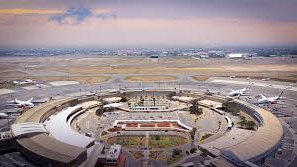
Kenya Airports Authority has formally issued a tender for the construction of a new passenger terminal at Jomo Kenyatta International Airport together with comprehensive upgrades to existing facilities, as passenger traffic continues its strong post-pandemic recovery and is forecast to reach 22.3 million annually by 2045.
The tender, advertised on February 25, 2026, covers design, financing, construction, operation and maintenance of a state-of-the-art terminal complex capable of handling the projected demand. Current throughput at JKIA stood at 8.93 million passengers in 2025, with cargo volumes also rising steadily. KAA projects cargo will more than double over the same 20-year horizon, driven by Kenya’s role as a regional logistics hub and growing e-commerce and horticultural exports.
The master plan integrates several interlocking components. The new terminal will feature expanded check-in halls, larger security screening areas, additional gates, improved baggage handling systems, contactless passenger processing technologies, enhanced retail and dining zones, and dedicated facilities for premium and transit passengers. Existing Terminal 1A, 1B and 2 will undergo phased refurbishment to increase capacity and passenger comfort.
Airside improvements include runway resurfacing and extension where feasible, additional taxiways, new aprons for wide-body aircraft, upgraded lighting and navigation aids, and an expanded air traffic control tower. Landside access will be enhanced through wider approach roads, additional vehicle parking, improved public transport links and dedicated lanes for buses and taxis.
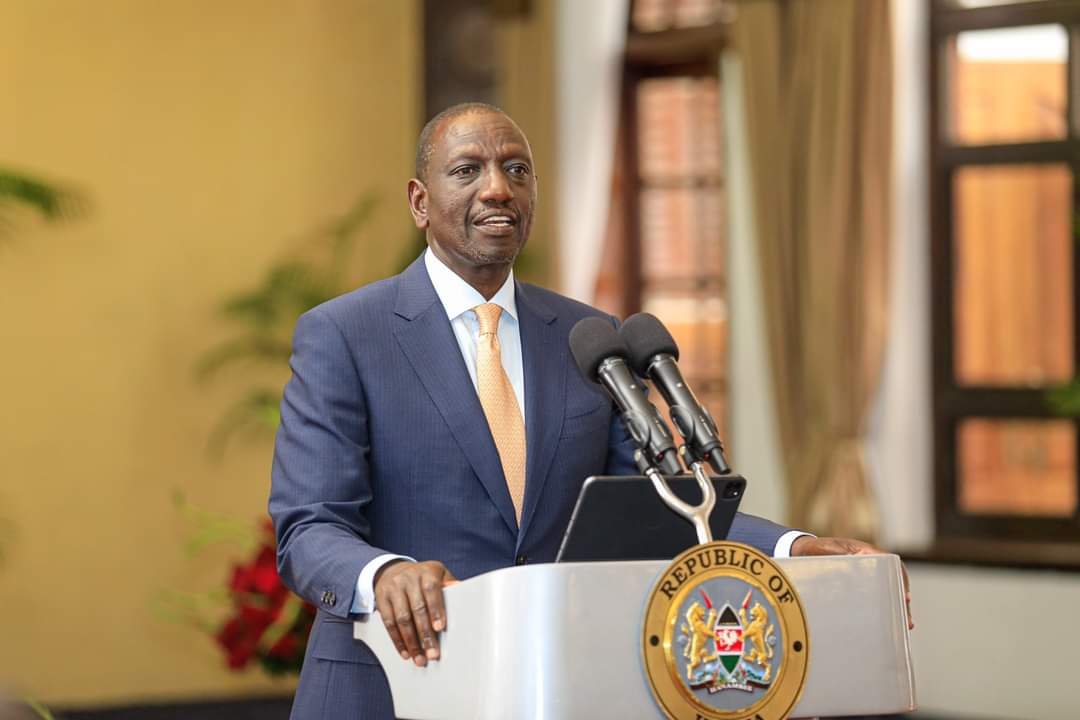
A major pillar of the plan is the development of an “Airport City” and Special Economic Zone on adjacent land. This mixed-use development will include logistics parks, light manufacturing zones, hotels, conference facilities, commercial offices and residential components, creating a fully integrated aviation, trade and business ecosystem around the airport. KAA Managing Director Henry Ogoye described the vision as transformative.
“JKIA must evolve from a simple gateway to a complete economic node,” Ogoye said during the tender launch. “By 2045 we expect JKIA to serve not only 22.3 million passengers but also function as a regional cargo super-hub and a catalyst for thousands of jobs in aviation-adjacent industries. The Airport City and SEZ will ensure Kenya captures maximum value from transit traffic, exports and investment.”
The tender is structured as a design-build-finance-operate-transfer concession, inviting international consortia, local firms and joint ventures to bid. Interested parties must demonstrate proven experience in large-scale airport projects, financial capacity to fund construction and operation, and a commitment to technology transfer and local content. Pre-qualification documents are available from the KAA procurement portal, with submissions due by April 30, 2026.
The project has already attracted interest from major global airport operators, construction giants and infrastructure funds. Several Chinese, Turkish, French, South Korean and Middle Eastern consortia are expected to bid, alongside Kenyan-led groups seeking to maximise local participation.
The announcement has revived debate over the future financing and governance model for JKIA. Critics, including opposition MPs and transparency campaigners, have urged the government to ensure the tender remains fully transparent and competitive following the controversial and ultimately canceled Adani Group proposal in 2024. “We support expansion but demand open, fair procurement with no backdoor deals,” said one Nairobi MP. “Parliament must scrutinise the winning bid and protect the public interest.”
KAA has emphasised that the current tender is independent of past proposals and will follow strict procurement laws. “This is a fresh, open process,” Ogoye reiterated. “We are committed to value for money, local participation and long-term sustainability. The master plan belongs to Kenyans, not any single investor.”
Passenger growth projections are based on updated traffic forecasts that factor in new long-haul routes, increased tourism, rising middle-class travel and Kenya’s position as a regional hub for cargo and transit. Cargo volumes are expected to rise from approximately 700,000 tonnes in 2025 to over 1.5 million tonnes by 2045, driven by horticulture, pharmaceuticals, e-commerce and manufacturing exports.
The plan also includes sustainability commitments, such as solar power integration, water recycling, waste management systems and green building standards, aligning with ICAO’s environmental goals and Kenya’s climate commitments.
As the tender process advances, JKIA’s transformation into a modern, high-capacity hub capable of supporting Kenya’s economic ambitions will remain one of the most closely watched infrastructure projects in East Africa.