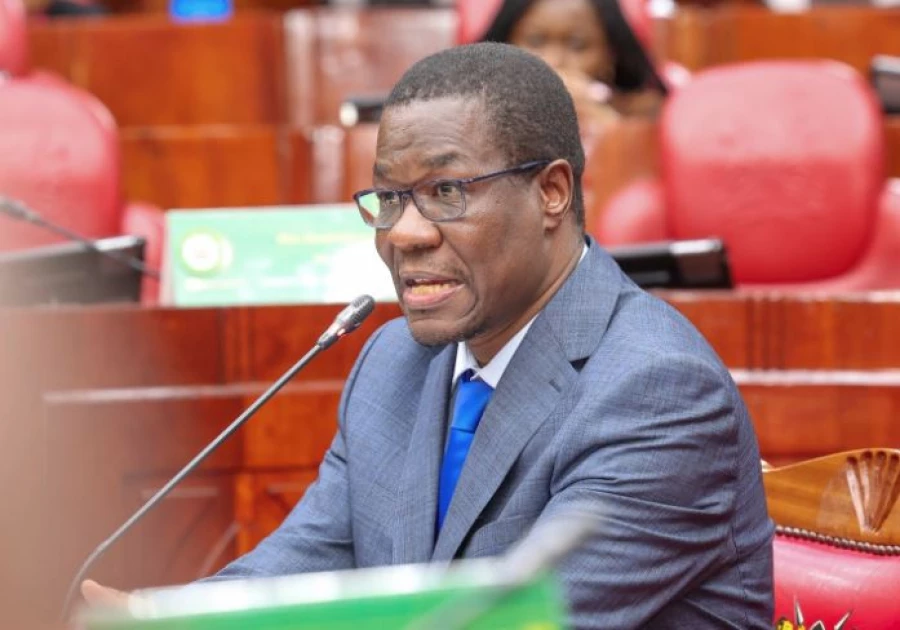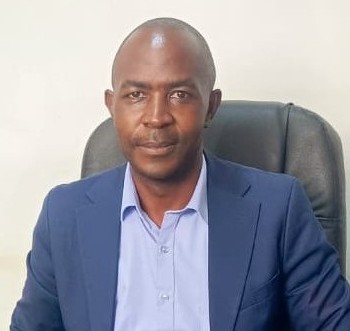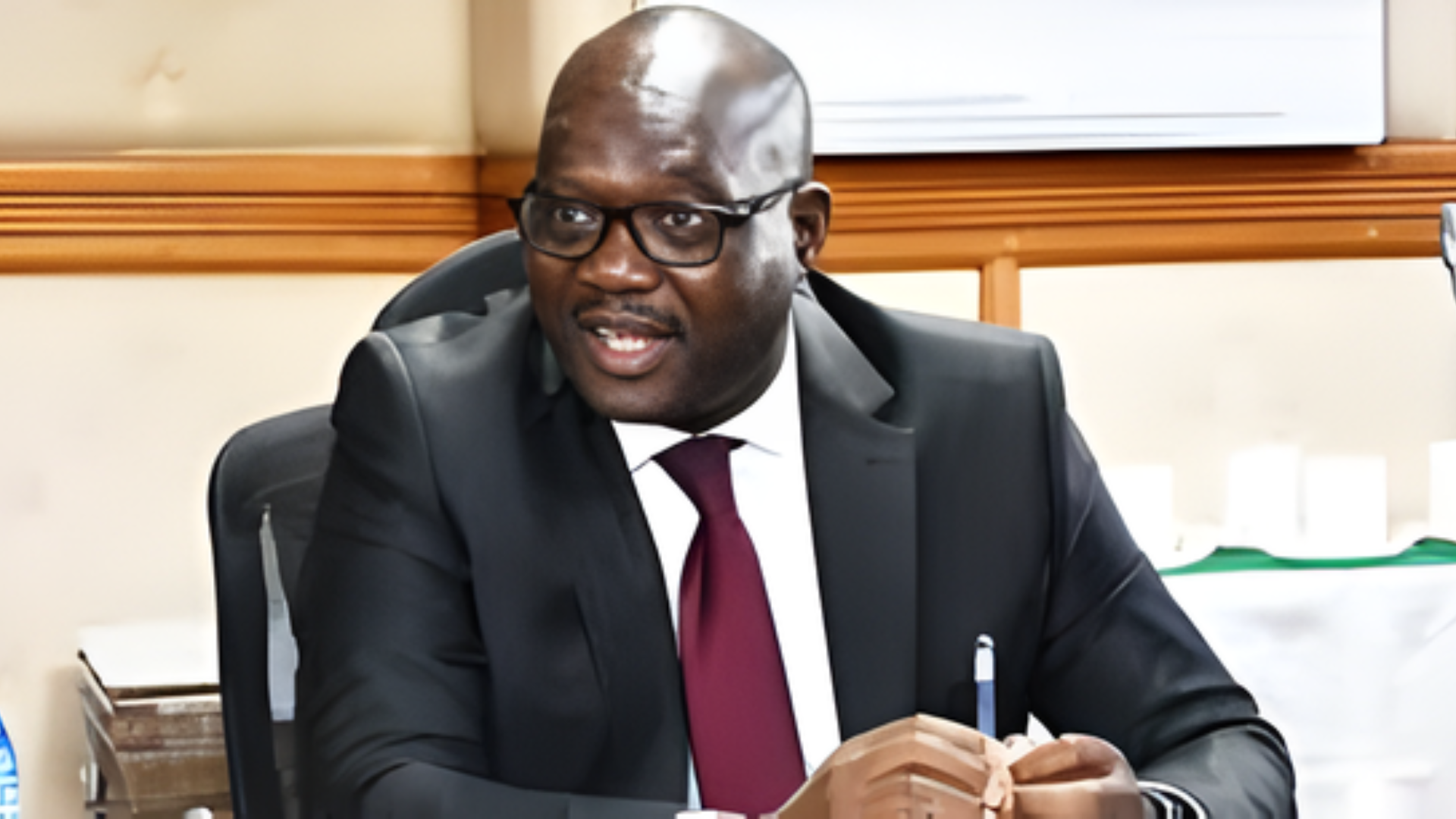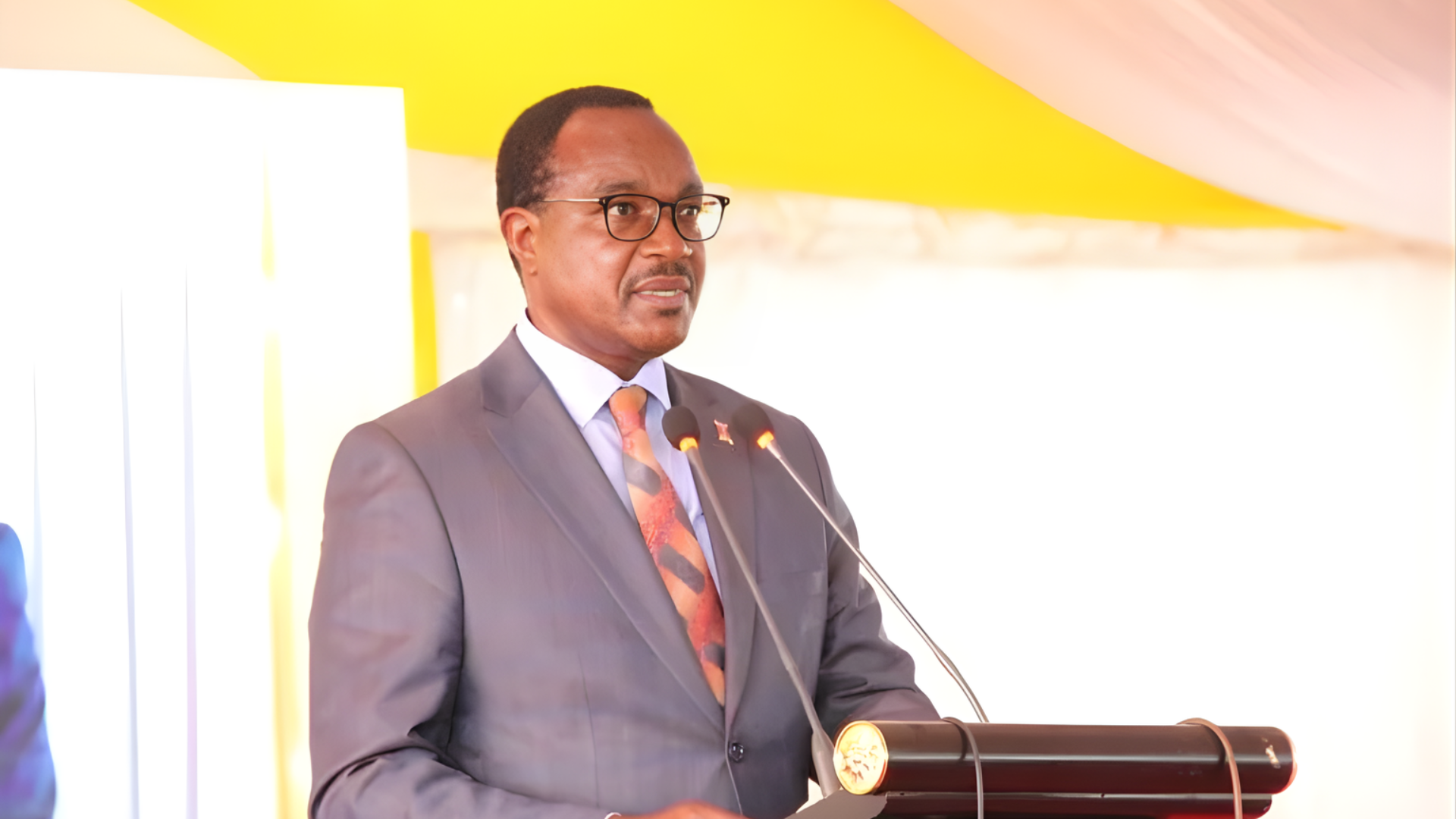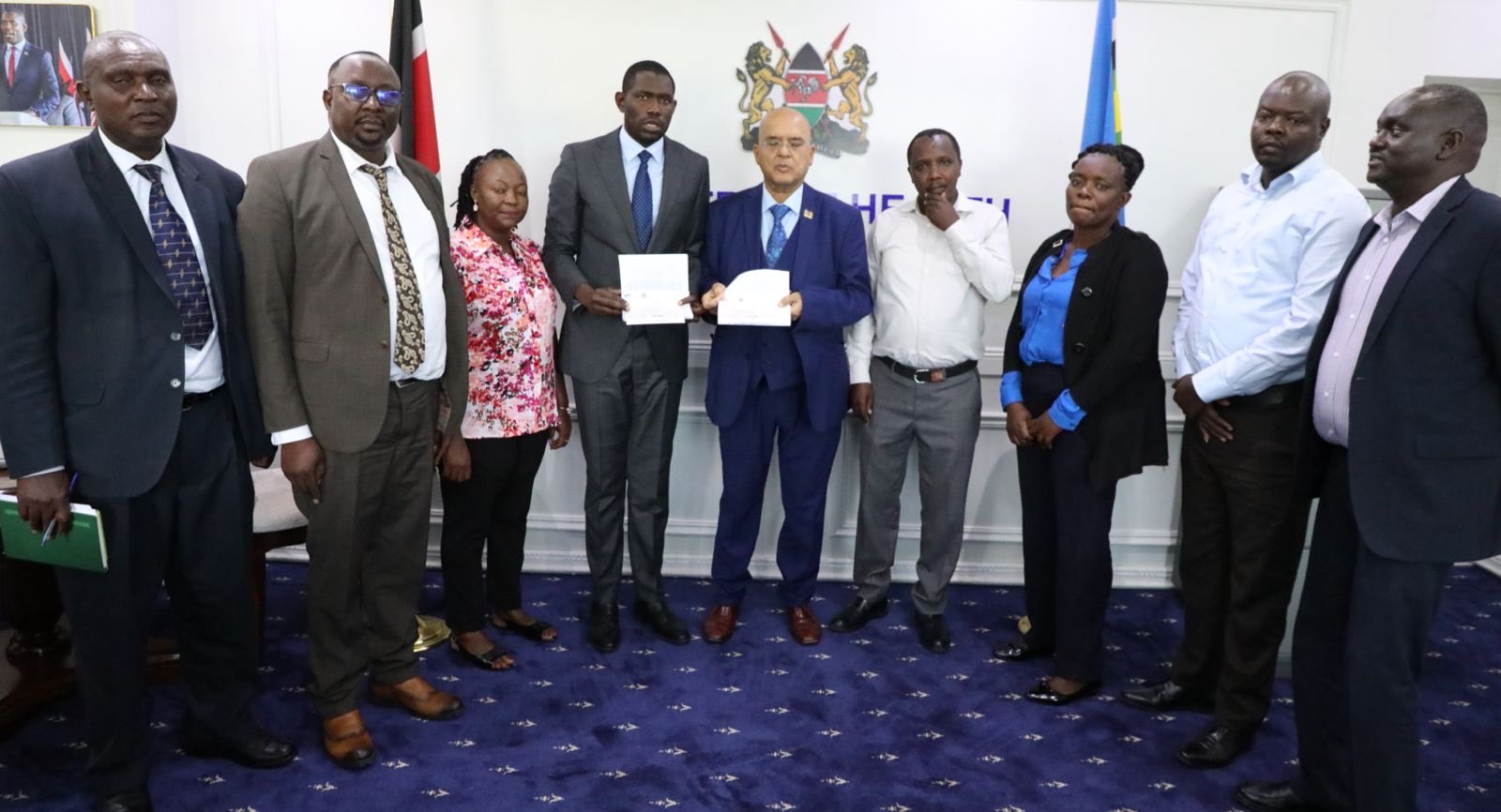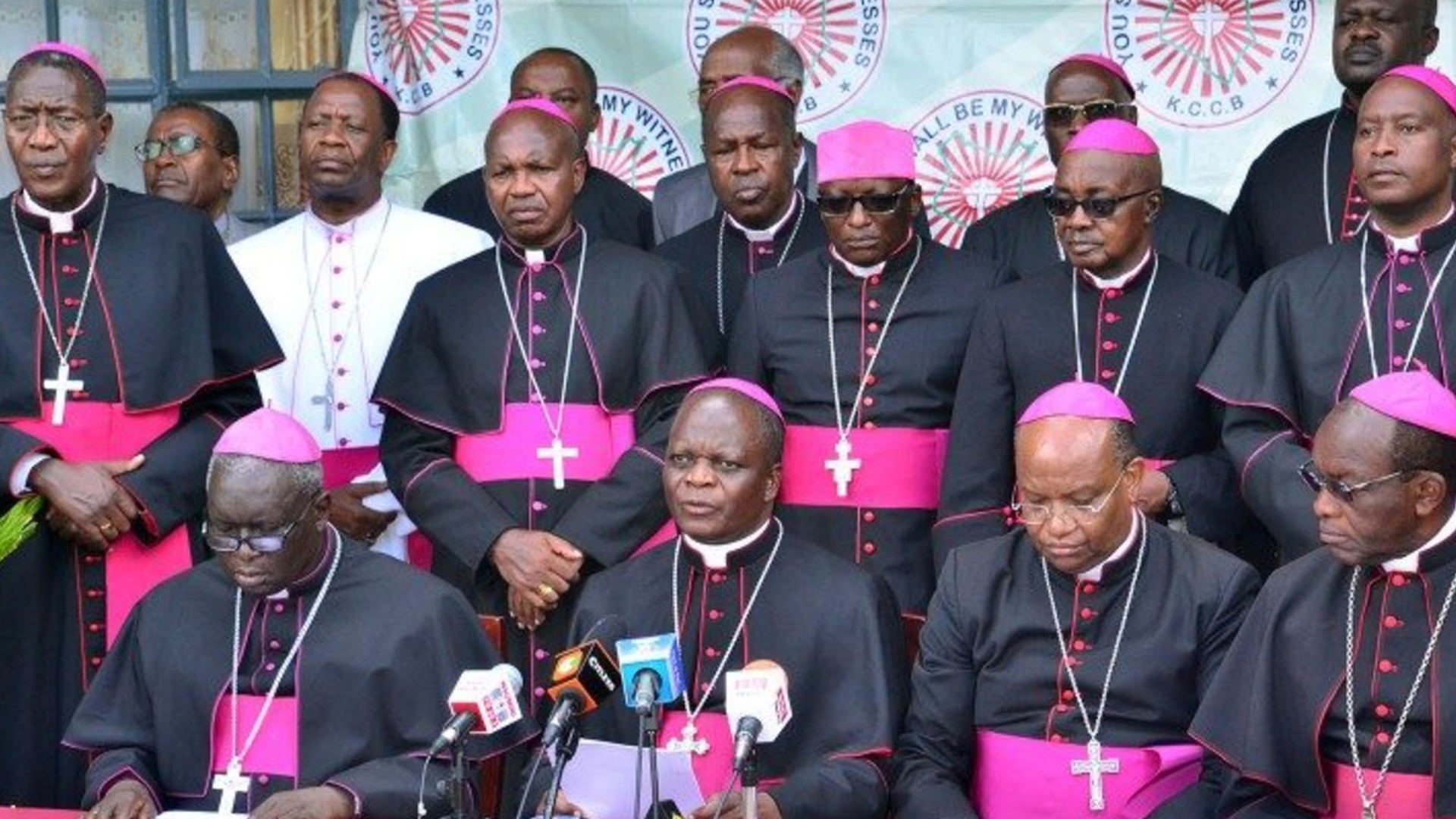
The serene grounds of the Catholic Secretariat in Nairobi's Waumini House, where the gentle rustle of eucalyptus leaves accompanies the tolling of chapel bells, served as the sacred stage for a profound national reflection on November 13, 2025. Archbishop Maurice Muhatia Makumba of Kisumu, chairman of the Kenya Conference of Catholic Bishops, stood before a gathering of 26 diocesan leaders, clergy, and lay faithful to unveil a 12-page pastoral letter titled "Towards a Just, Peaceful, and Prosperous Kenya: Our Collective Call in the Spirit of Synodality." The document, a tapestry of commendation, critique, and exhortation, appealed to all citizens—regardless of creed or clan—to forge unity amid the gathering clouds of the 2027 general elections. "We are one family under God, called to build a nation where justice rolls like waters and peace like an ever-flowing stream," Muhatia intoned, his mitre casting a shadow on the lectern as he quoted Amos 5:24, his voice resonating through the hall packed with 300 attendees, including MPs from both aisles and civil society stalwarts. "As shepherds, we commend the strides in health, infrastructure, and debt management, but we warn against complacency—moral leadership, active citizenship, and vigilant participation are the bulwarks against division and despair."
The bishops' letter, disseminated to 5,000 parishes nationwide and read from pulpits the following Sunday, wove a narrative of tempered optimism. They lauded the Universal Health Coverage rollout, crediting 12 million enrollments that have eased burdens in rural dispensaries, the Sh500 billion infrastructure bonds funding roads like the Nairobi-Nakuru expressway, and fiscal prudence trimming public debt from 72 percent to 65 percent of GDP. "In the spirit of Laudato Si', we celebrate solar mini-grids lighting 2,000 villages and afforestation reclaiming 500,000 hectares," Muhatia highlighted, applauding the Big Four's housing pillar delivering 250,000 affordable units. Yet, the praise pivoted to poignant concerns, chief among them the hasty enactment of contentious legislation that the prelates deemed erosive of democratic freedoms.
Foremost was the Computer Misuse and Cybercrimes (Amendment) Act, 2025, rammed through Parliament in a supplementary budget session on October 28 with minimal debate, expanding state surveillance powers over digital communications. "This law, rushed without adequate public input, risks silencing voices and stifling the synodal dialogue Pope Francis enjoins," Muhatia cautioned, his finger tracing the letter's margins annotated with Article 33 freedoms. "We urge repeal or amendment—transparency in governance demands open forums, not opaque clauses." Similarly, the Land Amendment Act No. 21 of 2025, gazetted November 1 after a 48-hour committee stage, vests county governments with overriding powers in compulsory acquisitions for public projects, alarming the bishops over potential elite capture. "Land is life for our pastoralists and farmers; evictions without just compensation breed resentment," the chairman warned, invoking the 2018 Ndung'u Report's ghosts of irregular allocations. "Public participation must be genuine—town halls, not tick-box exercises—to ensure accountability and avert the grievances that fueled 2007's flames."
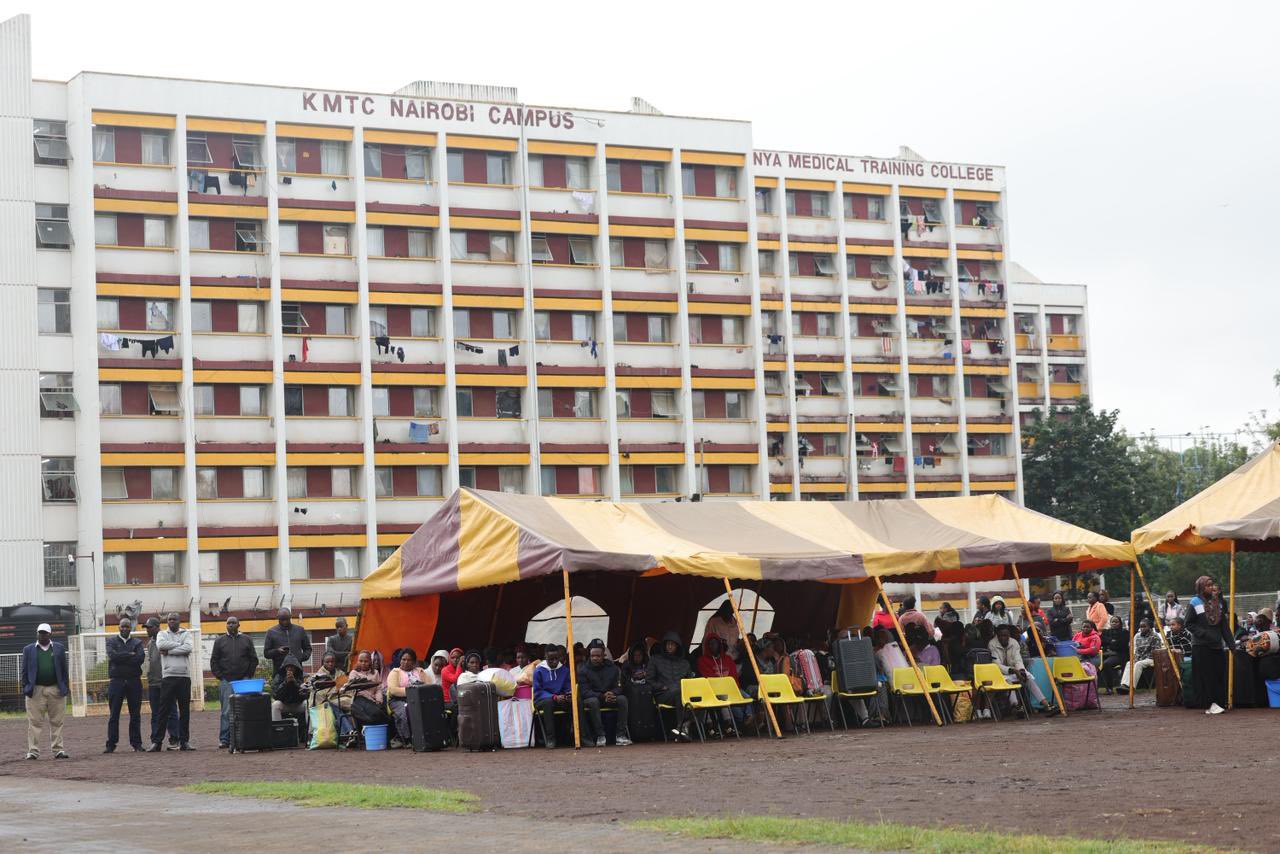
Education, the cradle of the nation's future, drew the bishops' sharpest scrutiny amid the turbulent transition from Competency-Based Curriculum to the envisioned Competency-Based Education framework. "The shift is laudable in intent, fostering skills over rote, but inconsistent guidance sows confusion—textbooks arrive mid-term, assessments vary by county," Muhatia lamented, citing a survey of 1,200 Catholic schools revealing 40 percent teacher shortages in rural dioceses like Marsabit and Kitui. "How can a child in Turkana compete with one in Westlands when syllabi dispute Religious Education's place?" The prelates decried attempts to marginalize CRE in public schools, arguing it nurtures ethical anchors amid rising youth suicides and radicalization. "Moral formation is non-negotiable—include RE fully, train teachers adequately, deploy equitably," the letter demanded, praising 2024's 15,000 TSC hires but decrying urban biases leaving arid lands with 1:80 pupil-teacher ratios.
The pastoral missive's core thrust—unity for 2027—resonated as a synodal symphony, echoing Pope Francis's 2021-2024 global consultation that engaged 50,000 Kenyan Catholics in parish assemblies. "Elections are not war; they are discernment—register to vote, vet candidates on integrity, reject tribal sirens," Muhatia urged, commending IEBC's continuous registration but lamenting 100,000 enrollments against 6.8 million targets. "Civic education in churches, mosques, temples—teach peace, shun violence." The bishops endorsed interfaith dialogues in Mombasa and Kisumu, where 2022's near-miss haunts memories of 1,300 deaths.
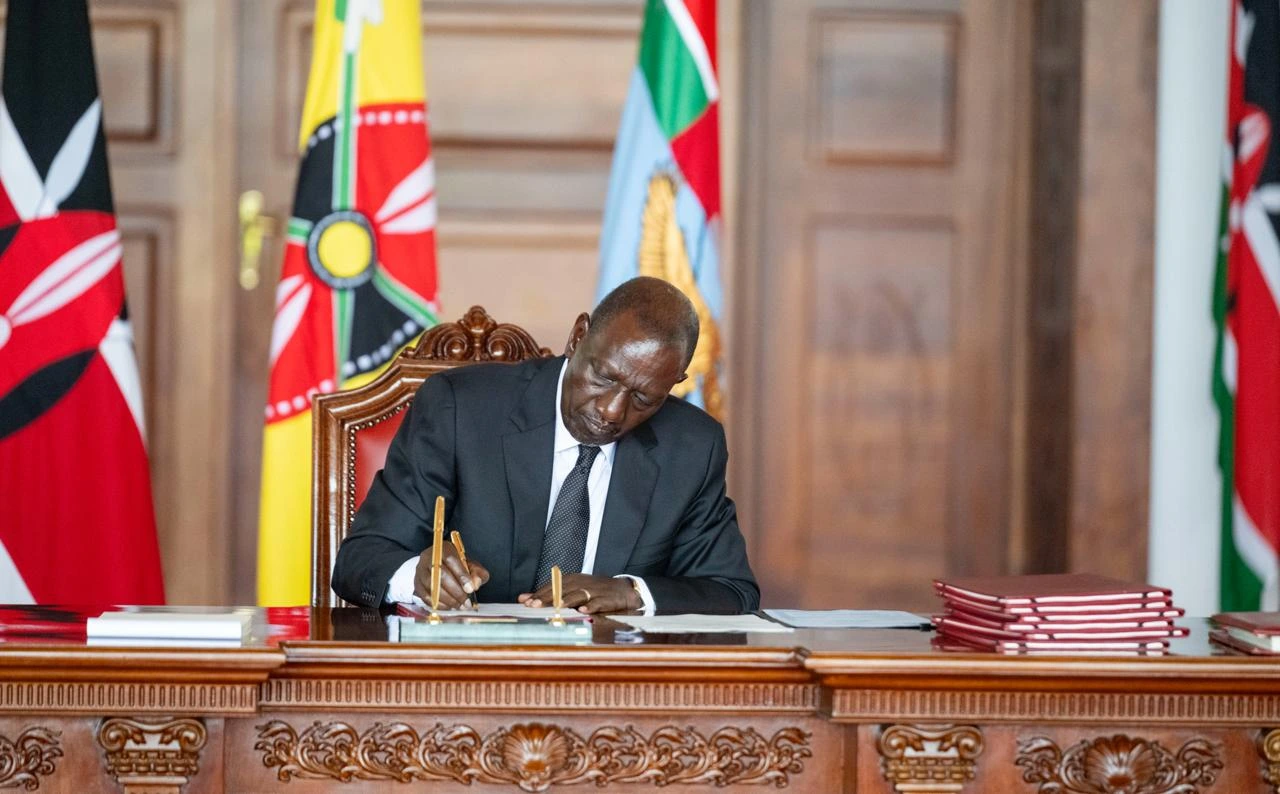
Commendations extended to anti-corruption drives: EACC's 120 recoveries worth Sh15 billion, the 2025 Conflict of Interest Act mandating declarations. "Moral leadership starts at the top—declare assets fully, live modestly," Muhatia implored, subtly nodding to Ruto's November 5 filing. Yet, concerns lingered over police brutality in Gen Z protests, with 60 deaths in 2024 demanding independent probes. "Justice for the fallen; reform the force," the letter insisted.
In health, UHC's strides—12 million covered, maternal mortality down 25 percent—earned praise, but rural dispensaries' drug stockouts and NHIF caps at Sh500,000 drew ire. "Universal means universal—fund fully, equip equitably." Infrastructure bonds and SGR extensions to Malaba were hailed, but delays in Thwake Dam phase two irrigating 100,000 acres frustrated. "Complete promises; honor timelines."
The letter's crescendo called for synodality in nation-building: parish councils advising MPs, youth forums shaping policy, women's guilds monitoring budgets. "We are co-responsible—government, church, citizenry," Muhatia concluded, blessing the assembly with holy water sprinkled from a silver aspergillum. As attendees filed out under jacaranda blooms, a young catechist from Embakasi murmured, "The bishops speak truth to power—now, we act."
Reactions cascaded: President Ruto, in a November 14 X post, welcomed dialogue: "Grateful for the shepherds' guidance; Kenya Kwanza commits to inclusive laws." Kalonzo Musyoka echoed in Machakos: "Bishops affirm our freedoms—rush no bill." IEBC's Ann Nderitu: "Churches as registration hubs—welcome." TSC CEO Nancy Macharia: "Addressing shortages; RE stays core."
In parishes from Gikomba to Garissa, the letter fueled homilies: "Build the nation in God's image—just, peaceful, prosperous." Muhatia's missive endures as manifesto—a synodal summons where laws liberate, education elevates, unity unleashes Kenya's promise.
The letter's 12 pages detail 25 recommendations: repeal cyber clauses, genuine land hearings, 20,000 rural teachers by 2026, RE in all syllabi. Interfaith forums: Mombasa December 5. Youth synods: 50,000 engaged. Ruto's response: dialogue November 20. Kalonzo's rally: 10,000 pledge vigilance. Nderitu's hubs: 1,000 churches. Macharia's hires: 5,000 arid lands. For the catechist, action awaits: "Vote with conscience, build with compassion." In Kenya's faithful forge, the bishops' beacon burns—a 2027 vigil where synodality steers, and citizens co-create the common good.