The ceaseless buzz of notifications that punctuates daily life in Nairobi's bustling streets—from the matatu conductors haggling over fares to office workers sipping chai at roadside kiosks—has taken on a darker tone in recent months. What was once a chime of convenience, signaling a M-Pesa transfer or a family update from the village, now often heralds an unwelcome intrusion: spam SMS messages peddling betting jackpots, instant loan approvals, or motivational quotes laced with affiliate links. On November 22, 2025, during a packed forum at the Nairobi Serena Hotel organized by the Kenya ICT Action Network, subscribers shared stories of phones overwhelmed by unsolicited blasts, raising urgent questions about data privacy and the adequacy of regulatory safeguards. "My phone rings every hour with 'Win KSh 500,000 now—bet on Man U!' or 'Borrow KSh 5,000 instantly—no collateral,'" vented 32-year-old teacher Amina Hassan from Kayole, her voice rising above the murmur of 200 attendees as she held up her smartphone, its screen scrolling through a dozen unread messages from that morning alone. "I never signed up for this. How do they have my number? It's harassment, not help, and it's making me afraid to even check my balance."
Hassan's frustration echoes a national chorus, as Kenya's 62 million mobile subscriptions—among the highest penetration rates in Africa at 110 percent per capita—have become a fertile ground for spam campaigns that exploit lax consent mechanisms and porous data-sharing practices. A recent survey by the Communications Authority of Kenya (CAK), conducted across 10 counties and polling 5,000 users, revealed that 68 percent of respondents received at least three unsolicited SMS daily, with betting promotions topping the list at 42 percent, followed by loan offers from digital lenders at 35 percent, and trivia or quote blasts at 23 percent. "The volume is staggering—over 1.2 billion spam messages intercepted in Q3 2025 alone, but that's just the tip," CAK Director General Ezra Chiloba stated at the forum, his presentation featuring anonymized heat maps showing hotspots in Nairobi, Mombasa, and Kisumu. "These aren't harmless; they're predatory, often from rogue operators bypassing opt-in requirements and harvesting numbers from third-party databases."
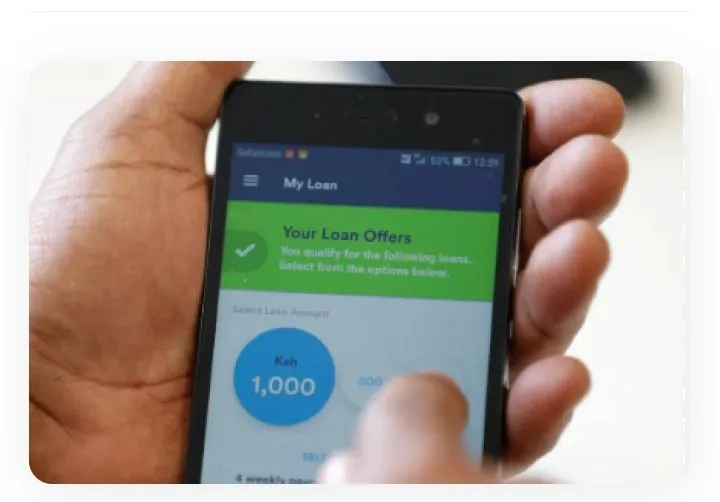
The surge, up 45 percent from 2024, coincides with the explosive growth of Kenya's digital lending and betting sectors, which have mushroomed to over 1,000 licensed entities since the 2021 Central Bank of Kenya amendments. Apps like Tala and Branch, offering collateral-free loans to the 80 percent unbanked, have disbursed Sh1.5 trillion since 2017, but their aggressive recovery tactics—harvesting contacts for "friendly reminders"—have spilled into spam territory. "Lenders access SMS logs and contact lists during onboarding, then blast promotions or threats to your entire network if you default," explained digital rights advocate Grace Kamau from KICTANet, her slide deck illustrating a flow from app consent screens to bulk SMS campaigns. "A borrower in Rongai shared how her cousin got 15 messages: 'Your relative owes Sh2,500—pay or we expose.' It's not just spam; it's shaming, and it violates the Data Protection Act's consent rules."
Betting firms, licensed under the Betting Control and Licensing Board to 14 operators like SportPesa and Betika, have been equally culpable, their jackpot alerts flooding inboxes despite the 2019 ban on SMS marketing without prior opt-in. "We receive 500 complaints weekly about unsolicited betting texts—'Bet KSh 10, win KSh 1 million!'—targeting youth in slums," reported BCLB CEO Robert Gakuru at the forum, citing a 30 percent rise in underage gambling linked to spam. "Regulators fine, but enforcement lags—firms pay Sh500,000 and continue." The CAK's interception, using AI filters that block 80 percent of spam at the gateway, has saved users from 1.2 billion messages in nine months, but loopholes persist: international operators routing through VPNs, or domestic firms using "service" numbers exempt from opt-in.
Privacy concerns amplify the intrusion, with the Data Protection Act 2019 mandating explicit consent for marketing but enforcement spotty—only 12 fines totaling Sh10 million issued since 2021, per ODPC reports. "Apps request SMS access for 'verification,' but it's a gateway to spam—your contacts become their customer list," Kamau warned, referencing a 2024 ODPC investigation into Tala that uncovered 500,000 unauthorized shares. The Act's Section 25 prohibits processing sensitive data without consent, yet loan apps harvest call logs and gallery photos, fueling a black market where numbers sell for Sh5 each. "I got a loan from Branch in 2023—now my ex-boyfriend's number gets betting ads daily," shared 28-year-old Mercy Omondi from Rongai, her story met with nods from the audience. "They say it's for 'recovery,' but it's revenge—my privacy, sold for their profit."
Regulators face calls for action. CAK's Chiloba announced November 23 a Sh2 billion enforcement fund for AI spam blockers and 200 inspectors targeting rogue senders. "We will audit 500 apps by December, revoke licenses for violators," he vowed. BCLB's Gakuru: "Betting spam fines double to Sh1 million—underage protection priority." ODPC Commissioner Immaculate Kassait: "Data misuse is theft—Section 25 fines up to Sh5 million, class actions for victims."
Creators and users adapt: apps like Truecaller blocking 70 percent spam, but false positives frustrate. "I block 'loan' keywords, but miss family messages," Omondi lamented. Hassan in Kayole: "Spam's my alarm—bet ads at 5 a.m. I ignore, but fear grows." Kamau's advocacy: "Opt-in mandatory, fines deterrent—digital dignity demands it."
As November's lake winds stir, the flood subsides not—spam's surge a symptom of unchecked data, where convenience clashes with consent, and Kenya codes caution.
The CAK survey: 68% three daily SMS, betting 42%. Spam intercepted: 1.2 billion Q3. Tala investigation: 500,000 shares. BCLB complaints: 500 weekly. Fines: Sh10 million since 2021. For Mercy: ex-boyfriend ads. In the republic's resilient rings, the flood finds footing—a spam siege where regulators rally, and rights reclaim the ringtone.