 WEKESA KULECHO
— Kenyan authorities have arrested a man they allege played a central role in a dangerous human trafficking and recruitment scheme that lured Kenyans abroad with false promises of work — only for many of them to end up fighting on the front lines of the ongoing war in Ukraine on behalf of Russia.
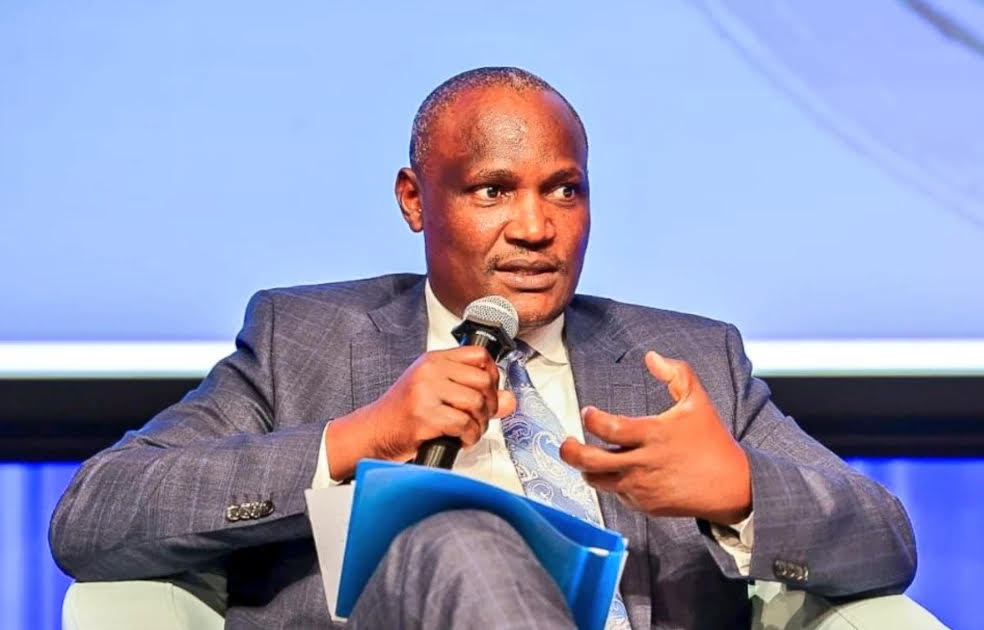
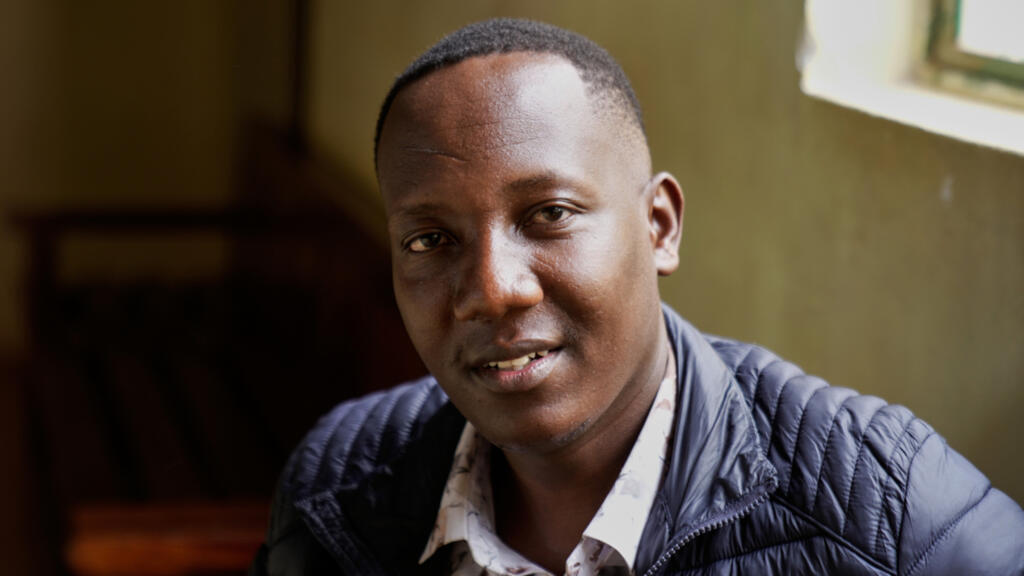
Festus Omwamba, 33, was taken into custody in Moyale, a town in northern Kenya near the Ethiopian border, on suspicion of human trafficking and related offences linked to the recruitment of Kenyan citizens. Police say he was detained after returning from Russia and was trying to leave Kenya again.
Charged in Antiterror Court
Officials charged Omwamba on Thursday at the Kahawa Law Courts in Kiambu, where prosecutors said he was responsible for arranging travel and documentation that saw at least 25 Kenyans sent to Russia last year under deceptive pretences.
Police spokesperson Michael Muchiri said the suspect was identified by recruits who had already returned home, and by relatives of those who have gone missing or are known to be fighting in Ukraine. “He was on the run,” Muchiri said, adding that Omwamba’s arrest represents a major step in interrupting the illegal recruitment pipeline.
False Promises and Bitter Reality
According to statements from recruits and investigations by Kenyan authorities:
- Potential recruits were promised skilled, well-paid civilian jobs in Russia — roles such as plumbing or security work — with monthly salaries far higher than typical local opportunities.
- Many of those who signed up said they were kept in a house in Nairobi while their paperwork was processed, then flown to Russia on tourist visas. Once there, some had their passports confiscated and were taken to military camps.
- A number of recruits say they were forced into service with little to no military training and eventually deployed to Ukrainian battlefronts.
One returnee, John Kamau, told the Associated Press that he had sought refuge at the Kenyan Embassy in Moscow after escaping the front line, describing how promises made back home turned into something “very different and frightening.”
Scale of the Problem
The Kenyan government has publicly acknowledged that more than 1,000 of its citizens have been recruited into the Russia–Ukraine conflict under similar schemes, a figure drawn from intelligence briefings presented to Parliament. Of those: - At least 89 are still on the front lines,
- 39 are hospitalized,
- 28 are missing in action,
- And at least one confirmed death has been recorded.
The report presented in Parliament also suggested collusion between rogue recruitment agencies and some officials, potentially including airport staff and those processing visas — allegations that have put pressure on security agencies and immigration authorities.
Diplomatic and Government Response
While the Russian Embassy in Nairobi has denied involvement in illegal recruitment, stating that foreign volunteers are free to enlist, Kenyan officials have taken a firm stance against deceptive practices that put their citizens in harm’s way.
Foreign Affairs Minister Musalia Mudavadi has said he plans diplomatic engagements in Russia aimed at securing the release and repatriation of Kenyans caught up in the conflict, including those detained or fighting in Ukrainian territory. “We are committed to bringing our people home and ensuring such exploitation is stopped,” he said in a recent statement.
Families Demand Justice
Back home in Nairobi and other towns, families of missing or recruited individuals have staged demonstrations — holding photos of loved ones and calling on the government to act swiftly. Relatives say they want answers, protection for other vulnerable Kenyans, and accountability for those who organized the recruitment networks.
Diplomatic and Government Response
While the Russian Embassy in Nairobi has denied involvement in illegal recruitment, stating that foreign volunteers are free to enlist, Kenyan officials have taken a firm stance against deceptive practices that put their citizens in harm’s way.
Foreign Affairs Minister Musalia Mudavadi has said he plans diplomatic engagements in Russia aimed at securing the release and repatriation of Kenyans caught up in the conflict, including those detained or fighting in Ukrainian territory. “We are committed to bringing our people home and ensuring such exploitation is stopped,” he said in a recent statement.
Families Demand Justice
Back home in Nairobi and other towns, families of missing or recruited individuals have staged demonstrations — holding photos of loved ones and calling on the government to act swiftly. Relatives say they want answers, protection for other vulnerable Kenyans, and accountability for those who organized the recruitment networks.